The Role of Art in Education: Fostering Creativity and Critical Thinking in New Generations
The Multifaceted Role of Art in Education
Art serves as a crossroads of personal expression and intellectual rigor, contributing significantly to the educational landscape. In an era characterized by rapid technological advancement and changing job markets, it becomes increasingly important for students to cultivate creativity and critical thinking skills, which are essential for adapting to future challenges. By weaving artistic disciplines—such as visual arts, music, and theater—into curricula, educators can equip students with tools to approach real-world problems with innovative solutions.
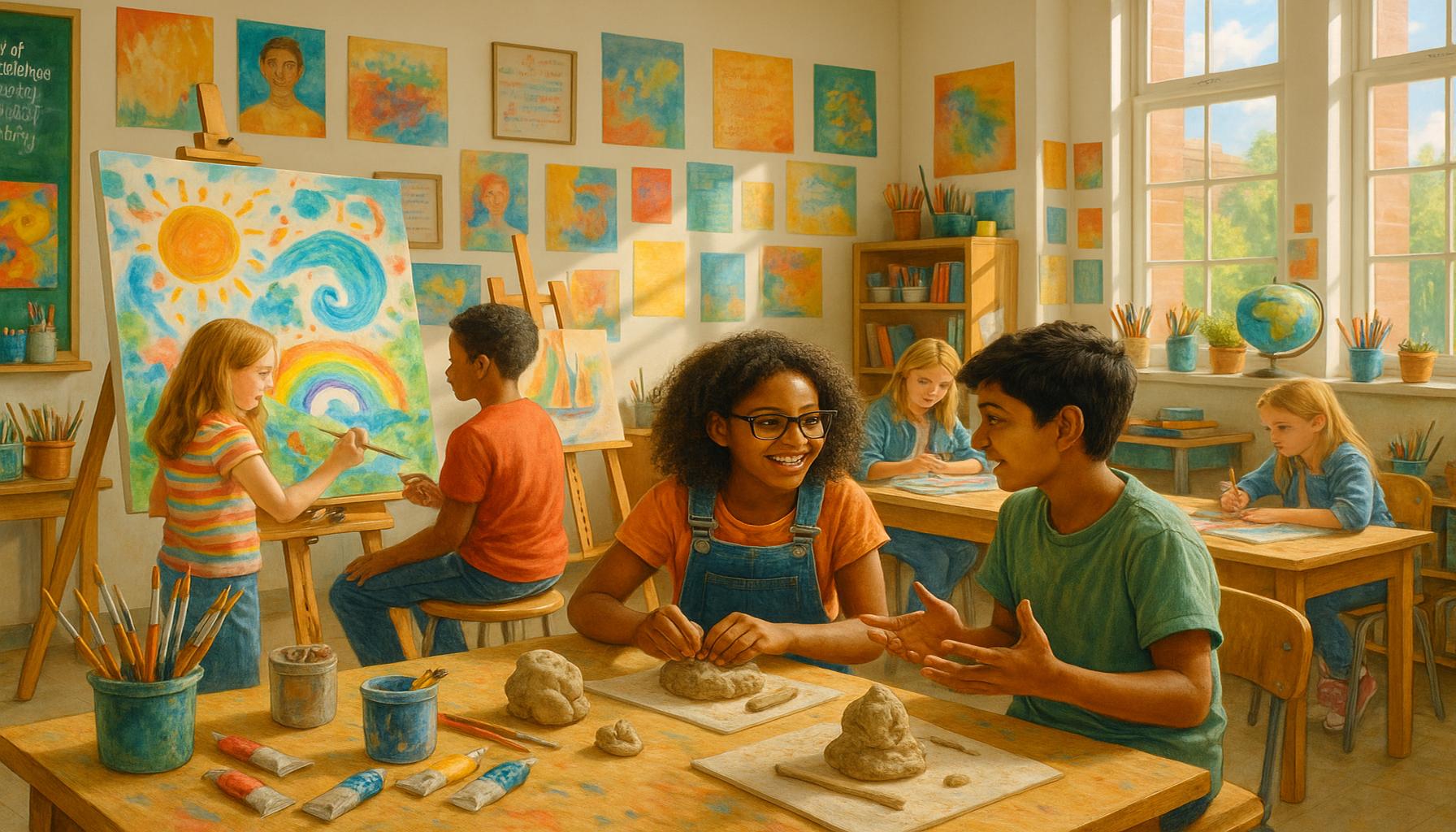
Engagement in artistic activities provides numerous advantages. For instance, students participating in hands-on art projects develop enhanced problem-solving skills. When faced with a creative assignment, students must think beyond conventional solutions, often leading to unique outcomes. For example, a high school art class might challenge students to recreate a famous painting using non-traditional materials like recycled objects. This not only stimulates their imagination but also encourages resourcefulness—a quality increasingly sought after in various industries.
Moreover, art fosters emotional intelligence. It enables students to express their thoughts and feelings, facilitating a deeper understanding of both personal emotions and the emotions of others. For example, through drama class, students explore character motivations and emotions, cultivating empathy and enhancing their capability to navigate social situations effectively. This emotional awareness can lead to improved mental health, helping students manage stress and anxiety during their academic journey.
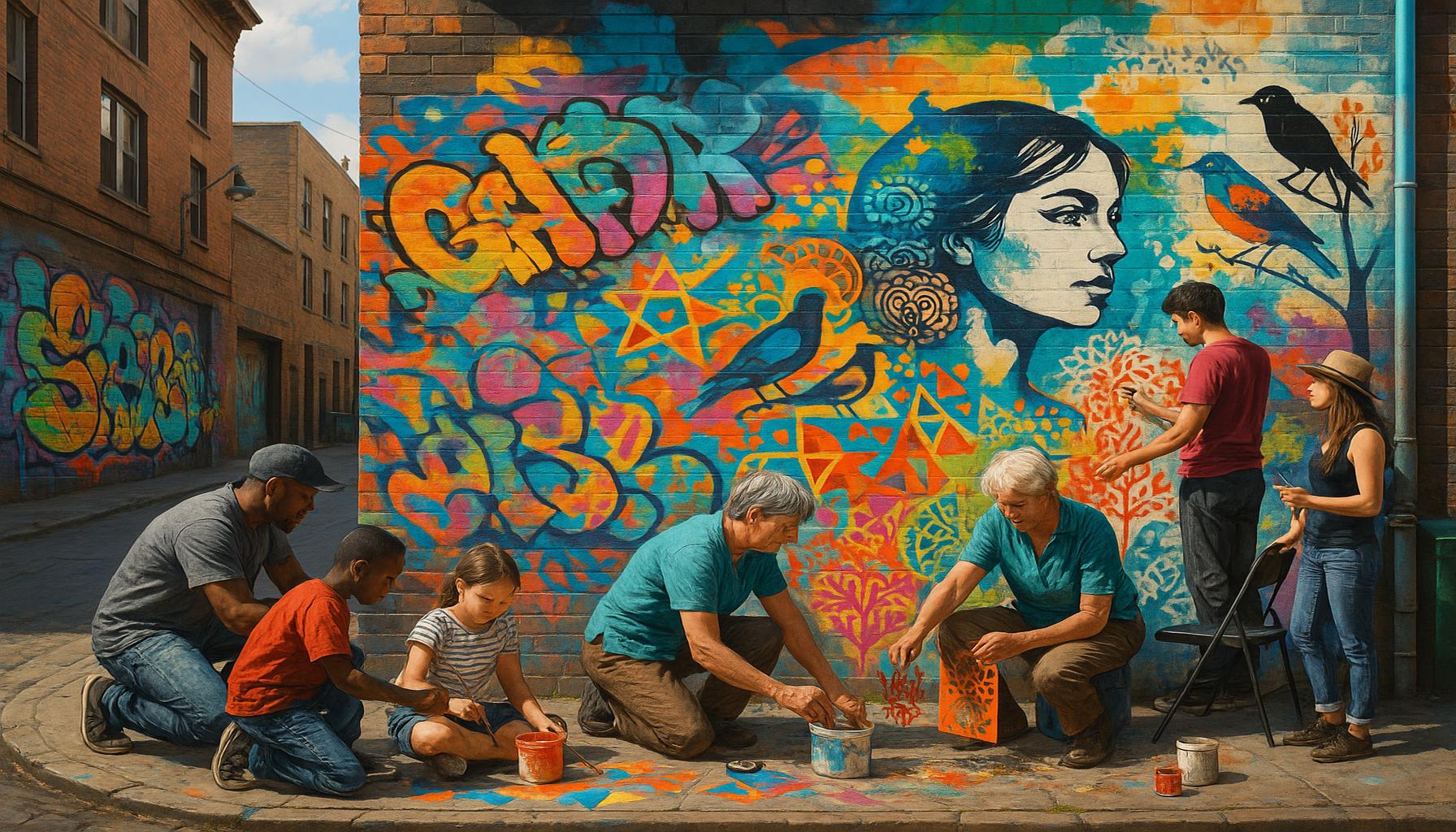
Additionally, group art projects emphasize collaboration and communication. They require students to work together to achieve common artistic goals, fostering teamwork and interpersonal skills. Schools often utilize mural painting projects to promote community involvement, allowing students to collaborate while beautifying their environment. Such experiences teach the importance of cooperation, an invaluable skill in today’s workplace.
As educational institutions across the United States increasingly recognize the substantial impact of art on academic achievement, the benefits become more apparent. Schools with robust art programs frequently report:
- Increased Engagement: Students find greater motivation and enthusiasm for learning when art is a part of their education.
- Higher Test Scores: Studies indicate that students in schools with strong art curricula often outperform their peers in traditional educational settings, correlating artistic involvement with improved academic performance.
- Long-Term Benefits: Skills gained from art education extend beyond classroom walls, equipping students for future challenges such as workplace creativity and problem-solving.
The narrative surrounding art in education is evolving, underscoring its pivotal role in shaping thinkers capable of addressing the complexities of tomorrow’s world. As we continue to delve into this vibrant intersection of creativity and education, we must acknowledge that fostering artistic expression is not merely beneficial; it is essential for cultivating future innovators and leaders.
DISCOVER MORE: Click here to uncover the challenges of culinary creativity
Art as a Catalyst for Innovative Thought
At the intersection of creativity and education lies a powerful tool for cultivating the innovative thinkers of tomorrow: art. In a time when traditional rote learning is increasingly becoming obsolete, the integration of art into educational frameworks is not merely a supplementary approach but rather a fundamental necessity. Studies have shown that students who engage in artistic endeavors exhibit improved cognitive abilities and a greater capacity for analytical thought. This transformative power of art encourages young minds to explore complex notions, challenge the status quo, and develop the skills vital to navigate challenges in an ever-evolving global landscape.
One of the most compelling aspects of integrating art into education is its potential to enhance critical thinking skills. When students analyze a painting in art history class or critique a peer’s sculpture, they engage in a form of inquiry that requires more than surface-level understanding. They must evaluate techniques, perspectives, and interpretations, honing their ability to analyze information critically. This process mirrors real-world scenarios where individuals must assess varying viewpoints and make logical decisions based on available data.
Beyond critical thinking, art education significantly contributes to the development of creativity, a skill increasingly valued across industries. For instance, a program that encourages students to write and perform their own plays invites them to merge storytelling with theatrical expression, sparking imaginative thought and personal connection to the subject matter. Schools have observed that students invested in creative projects demonstrate greater enthusiasm for learning, an essential factor in academic persistence and success.
Furthermore, the role of art in education extends to nurturing cultural awareness and appreciation among students. As they explore diverse artistic styles—from Native American to contemporary urban art—students gain insight into different cultural narratives and histories. This exposure cultivates respect and understanding, fostering a sense of community and global citizenship that transcends classroom walls.
The formal recognition of the value derived from art education is reflected in various educational reforms across the United States. States are beginning to integrate the arts into their educational standards and emphasizing the need for creative learning environments. Research studies indicate that schools implementing comprehensive art programs result in:
- Improved Student Behavior: Schools report that students participating in art classes exhibit fewer behavioral issues, promoting a conducive learning atmosphere.
- Increased Attendance: The allure of engaging art programs entices students to attend school more regularly, directly impacting their academic performance.
- Enhanced Academic Skills: Incorporating art into traditional subjects enhances student engagement and helps with memory retention, leading to improved outcomes in subjects like math and science.
As art continuously redefines its place in educational settings, we unearth the expansive benefits that shape not only individual students but society as a whole. By embracing the role of art in education, we can foster a generation of individuals equipped with the creativity and critical thinking skills to tackle the issues of the future.
The Impact of Art Education on Cognitive Development
Art education has been shown to significantly enhance cognitive abilities in children and young adults. By engaging in artistic practices, students develop stronger problem-solving skills and gain the confidence to express their thoughts and emotions. When students work on creative projects, they learn to think outside the box, a crucial ability in today’s rapidly evolving world. Furthermore, research indicates that exposure to art increases critical thinking, allowing students to analyze, evaluate, and synthesize information effectively.One compelling aspect of art in education is its ability to foster collaboration among peers. Group projects, whether in visual arts or performing arts, encourage teamwork, communication, and the sharing of ideas. This collaborative environment nurtures emotional intelligence and helps students appreciate diverse perspectives, laying a foundation for better interpersonal relationships in the future.
The Role of Art in Enhancing Social Skills
Art education also plays an essential role in enhancing social skills. Engaging with peers in artistic activities can break down social barriers, promoting inclusivity and respect for differences. Activities like theater, dance, or group art projects teach students how to work together towards a common goal, reinforcing the importance of cooperation and respect for others’ contributions. Moreover, developing emotional skills through art can help students manage stress and anxiety, creating a more conducive learning environment. This is particularly crucial in educational settings where mental well-being is paramount. Schools that prioritize art programs often report a more positive atmosphere, reducing instances of bullying and enhancing student engagement.
| Advantages of Art Education | Impact on Student Development |
|---|---|
| Cognitive Development | Enhances critical thinking and problem-solving abilities, essential for academic success. |
| Social Skills | Fosters collaboration, respect for diversity, and emotional intelligence among students. |
By understanding these aspects, educators and caretakers can better advocate for art programs in schools, paving the way for a more holistic approach to education that prepares students for the challenges of the modern world.
DIVE DEEPER: Click here to unlock expert woodworking tips
The Interdisciplinary Benefits of Art Education
Art education does not exist in a vacuum; rather, it enriches various disciplines and enhances students’ overall educational experience. The infusion of artistic principles into subjects such as math, science, and history fosters a more holistic understanding of content, enabling students to view concepts through multiple lenses. For example, utilizing visual art to teach geometry allows students to grasp complex spatial relationships through hands-on experience rather than solely through theoretical equations. This intersection of art and academics cultivates a sense of relevance, as learners recognize the interconnectedness of various domains of knowledge.
The significance of arts integration is further evident in STEM (Science, Technology, Engineering, and Mathematics) education, where the addition of the arts has led to the emergence of STEAM (Science, Technology, Engineering, Arts, and Mathematics). Research indicates that students who engage in STEAM programs develop superior problem-solving skills and showcase increased innovation. For instance, elementary schools across the United States have adopted a STEAM curriculum, leading to impressive student projects where engineering techniques are blended with artistic creativity—ranging from building sustainable models to designing apps with visual storytelling elements. Such approaches not only bolster critical thinking but also provide students with a skill set that is highly sought after by employers.
Another remarkable aspect of art education is its ability to foster emotional intelligence. Through the exploration of artistic expression, students learn to identify and articulate their emotions, which is crucial for personal development. For example, by writing poetry or creating visual art that reflects their experiences, students develop a deeper understanding of themselves and others. This introspection fosters empathy, allowing learners to appreciate diverse perspectives and become more socially aware. Schools that have integrated arts programs report a significant increase in emotional well-being among students, directly contributing to a more positive school climate.
Moreover, the societal implications of prioritizing art education are profound. As the U.S. faces challenges such as polarization and social unrest, fostering critical thinking and creativity through the arts can help bridge divides. Engaging with various art forms promotes dialogue around sensitive issues, encouraging students to express themselves while also listening to and understanding differing viewpoints. Numerous initiatives, like the Young Audiences Arts for Learning organization, demonstrate how arts education can serve as a platform for social change, empowering students to explore themes of equity and justice through their creative work. This enhances their ability to not only envision a better future but also take action in their communities.
Lastly, the advent of digital technology presents an exciting avenue for art education, allowing students to engage with innovative mediums and tools. Programs that include digital art, animation, and multimedia storytelling equip students with relevant skills for the modern economy. As industries increasingly seek individuals proficient in technological applications combined with creative thinking, art education becomes an essential component in preparing students for success in a tech-driven workforce.
By exploring the multifaceted benefits of art in education, we reveal its essential role in developing not only well-rounded students but also active participants in society. As educators and policymakers consider the future of education, the integration of art as a core component is key to fostering creativity, critical thinking, and a compassionate worldview in new generations.
DIVE DEEPER: Click here to discover innovative paper modeling techniques
Conclusion: A New Vision for Education Through Art
In summary, the role of art in education transcends mere creative expression; it emerges as a crucial foundation for nurturing a generation capable of innovative thought and critical analysis. By integrating artistic practices into the educational landscape, we foster creativity and empower students to approach problems with a multifaceted mindset. The intersections of art with subjects like mathematics, science, and history not only provide students with a deeper comprehension of concepts but also enrich their entire learning experience, making it more engaging and relevant.
Moreover, the impact of art education extends beyond individual achievement. As students learn to collaborate, think critically, and express themselves through various artistic mediums, they develop the emotional intelligence necessary for navigating a complex world. In today’s climate, where societal challenges loom large, art serves as a vehicle for dialogue and understanding, equipping young minds to confront issues of equity and justice with empathy and creativity.
As we observe the shifting demands of a technology-driven economy, the importance of arts integration becomes undeniably apparent. Education systems that embrace art not only prepare students for the workforce but also cultivate informed and compassionate citizens who are ready to effect positive change in their communities. The evidence is compelling: integrating arts into education is not just beneficial; it is essential. Thus, as we look to the future, it is imperative for educators and policymakers to prioritize art as a core component of instruction, ensuring that we are not only teaching students to think critically but also inspiring them to dream boldly.