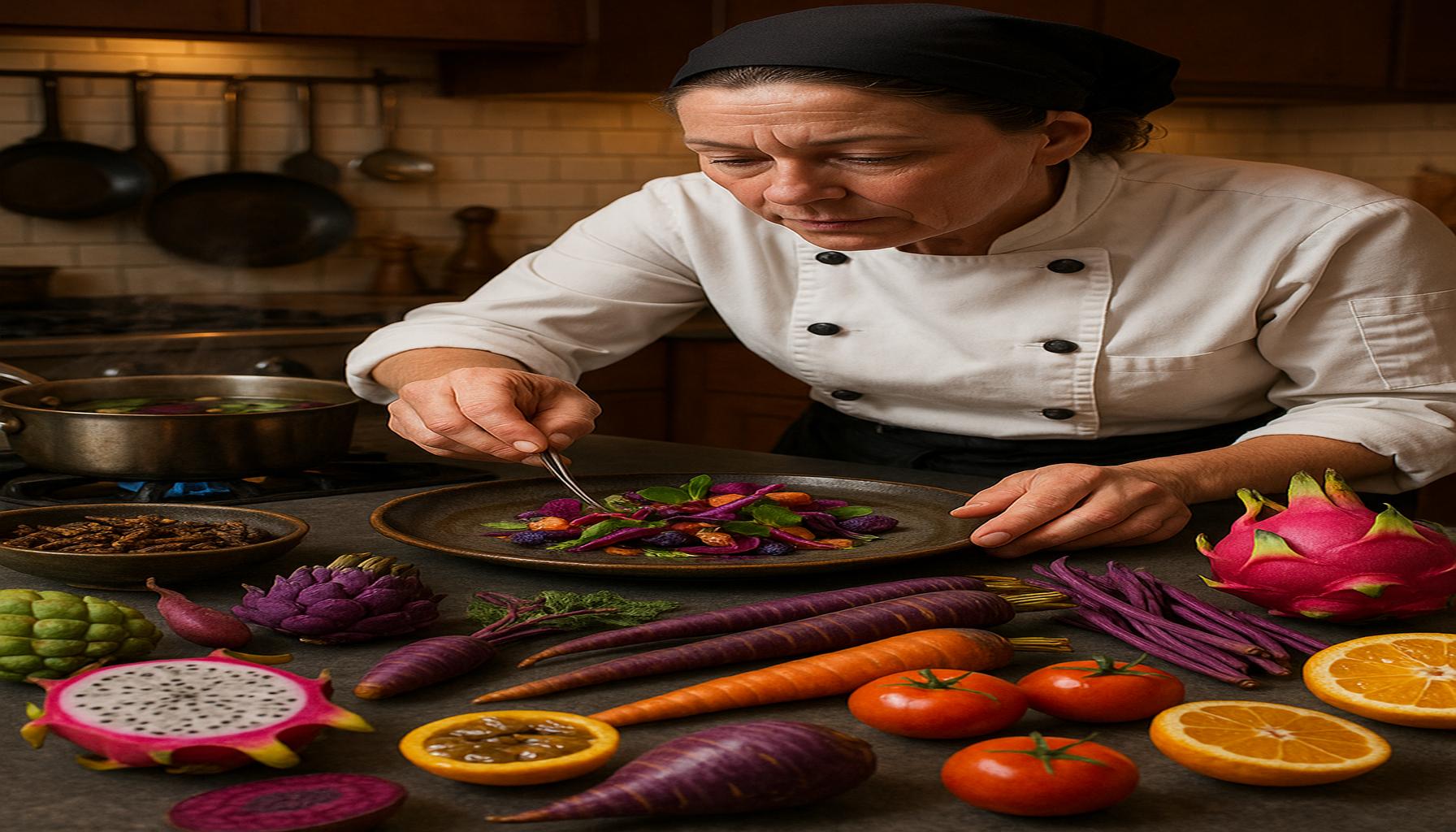
The Influence of Music on Culinary Creation: Harmonizing Flavors and Sounds in the Kitchen
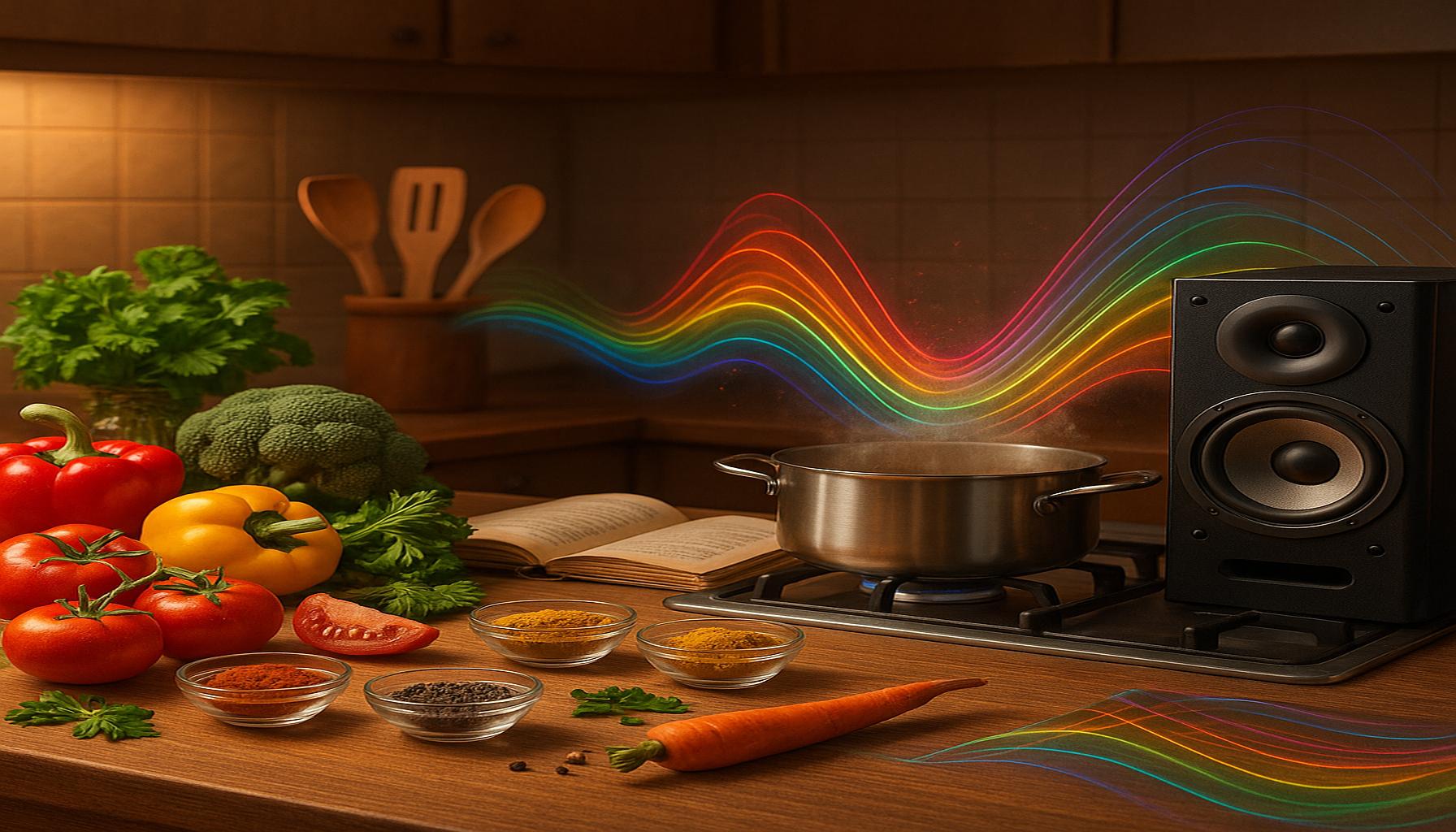
The Impact of Music on Cooking Experience
Imagine chopping vegetables to the beat of your favorite song or whipping up a delicate sauce while a soothing melody envelops your kitchen. Music is not just an art form; it’s also a catalyst for creativity in the culinary world. This intriguing fusion of sound and flavor has captured the curiosity of chefs and food lovers alike, revealing a complex relationship that enhances our cooking experience.
Studies have demonstrated that music can significantly influence our cooking experience, affecting a wide range of variables from our mood to even how we perceive taste. Here are some in-depth insights into how music can enhance culinary creation:
- Enhances Mood: Playing upbeat tracks while cooking can energize individuals, turning a routine task into a joyous activity. For example, many professional chefs curate playlists featuring lively pop, jazz, or even classical music to create an uplifting ambiance, making the kitchen a lively space to experiment with flavors.
- Sets the Pace: Music with a consistent rhythm can help maintain a steady tempo in the kitchen, making tasks such as chopping vegetables or kneading dough more rhythmically engaging. This is particularly beneficial in settings like culinary schools or busy restaurants where timing is essential.
- Affects Taste Perception: Research suggests that certain genres of music can alter our perception of flavors, enhancing our tasting experience. For instance, a study by the University of Oxford revealed that softer music could enhance the sweetness of desserts, while harsher sounds might amplify bitter notes. This phenomenon could lead chefs to select a genre that complements the nuances of their dishes.
The correlation between musical choices and culinary techniques extends from bustling fine dining establishments to cozy home kitchens. Chefs often develop specific playlists tailored to their cuisine, shaping a multi-sensory experience that marries taste and sound harmoniously. A restaurant might play Italian operatic music to elevate the atmosphere while serving a classic pasta dish, thereby enriching the dining experience for guests.
This exploration into the artistry of cooking reveals that integrating music into the culinary process not only stimulates creativity but also fosters an emotional connection to food. As you prepare your next meal, consider the powerful role music can play in elevating every dish you create. What will your cooking soundtrack be?
DIVE DEEPER: Click here to uncover the creative spark from nature
The Symbiotic Relationship Between Music and Culinary Art
The intersection of sound and flavor is a fascinating realm where creativity flourishes. In kitchens across America, the presence of music serves as an omnipresent backdrop, shaping the way chefs approach their culinary tasks. While the culinary landscape is consistently evolving, the role of music in the kitchen is garnering attention as a significant contributing factor to culinary success.
Research has shown that the type of music played while cooking can influence not only the atmosphere but also the outcome of the dishes being prepared. Consider the following aspects of this intriguing relationship:
- Enhancing Creativity: Music can unlock new avenues of inspiration, allowing chefs to experiment with flavors and techniques. Chefs often report that listening to their favorite tunes stimulates their creative juices, leading to innovative recipes that might never have emerged in silence. Whether it’s an upbeat dance track or tranquil classical music, the auditory experience can spark creativity in the kitchen.
- Developing Culinary Rhythm: The tempo of music can create a rhythm in the kitchen, helping chefs establish a flow in their cooking processes. Fast-paced songs can encourage quicker movements and efficiency during busy meal prep times, while slower, more soothing melodies can lend themselves to contemplative culinary moments, perfect for crafting that intricate sauce or sculpture-like dessert.
- Creating a Multi-Sensory Experience: Culinary professionals understand that food is not just about taste; it encompasses smell, sight, and sound as well. Playing music that resonates with the cuisine being prepared can heighten this sensory experience. For example, the lively tunes of a mariachi band might complement a Mexican feast, while smooth jazz could accompany a French tasting menu. This synergy enhances diners’ overall enjoyment.
Moreover, the influence of music extends beyond just the act of cooking; it also affects how dishes are perceived during tasting. A study conducted by the University of Oxford illustrated that specific genres could enhance certain taste sensations. Softer melodies were found to elevate sweetness in desserts, while sharper tunes highlighted bitterness. This fascinating discovery opens the door for chefs to meticulously curate playlists that align with the desired flavor profiles of their culinary creations.
In the restaurant industry, many establishments are meticulously designing their ambiance through music. When patrons enter a restaurant that plays soft rock during a leisurely brunch, they are subconsciously anticipating a different dining experience than if they were met with high-energy hip-hop. This careful curation is essential as the auditory experience can set the stage for the culinary journey ahead, merging both taste and sound into a singular dining experience.
In summary, the influence of music on culinary creation is profound and multi-faceted. From enhancing mood and creativity to directly affecting flavor perceptions, music serves as a crucial ally in the kitchen. As you prepare your next meal, consider incorporating your favorite tunes, and observe how they transform your cooking and dining experiences.
The Influence of Music on Culinary Creation: Harmonizing Flavors and Sounds in the Kitchen
As we delve deeper into the intricate relationship between music and culinary creation, it becomes increasingly evident that this unique blend of flavors and sounds can elevate not only the cooking experience but also the final dish. Music can interpret, inspire, and influence cooking styles, making it crucial to understand its multifaceted impact in the kitchen.
One of the ways in which music influences culinary creation is through the concept of tempo. Different genres and beats can affect the pace at which one cooks, bridging the gap between the culinary arts and performing arts. For instance, an upbeat rhythm can energize a chef, inciting swifter chopping or more vigorous cooking techniques, while a more relaxed melody might encourage a meticulous approach to plating and presentation. This dynamic interaction establishes a vivid atmosphere conducive to creativity.
Moreover, the emotion conjured by music can significantly enhance taste perception. Research indicates that listening to certain tunes while consuming food can alter the way flavors are perceived. For example, classical music has been shown to elevate the taste of gourmet dishes, while pop or rock music may complement more casual fare. Chefs are increasingly leveraging this insight to curate dining experiences that resonate with all the senses, inviting patrons to engage fully in the culinary journey.
In addition, cultural connections between music and food allow chefs to explore regional recipes through a sonorous lens. By playing traditional music from a specific culture while preparing authentic dishes, chefs can immerse themselves in the essence and rituals of that cuisine. This helps to create a more genuine culinary experience that reflects the locality’s heritage, further enriching the gastronomic adventure for diners.
Thus, recognizing the power of sound in the kitchen not only enhances the cooking process but also encourages innovative pairings and culinary experimentation. As we continue to uncover the profound influence of music on culinary creation, the symphony of flavors and sounds will undoubtedly inspire countless chefs and home cooks alike to explore uncharted territories in their kitchens.
| Advantage | Impact |
|---|---|
| Enhanced Cooking Efficiency | Uplifting music can boost energy and speed up cooking processes, leading to quicker meal preparation. |
| Improved Flavor Perception | Specific music genres can enhance or alter the way flavors are perceived, creating a richer dining experience. |
The exploration of music’s influence on cooking practices represents just the beginning of a broader investigation into how multi-sensory experiences can transform culinary traditions. Keep reading to uncover more fascinating insights into this unique synergy between sound and taste in the kitchen.
DIVE DEEPER: Click here to uncover the secrets
The Role of Music in Enhancing the Dining Experience
Beyond the kitchen, the influence of music on culinary creation extends into the dining experience, playing a pivotal role in shaping how patrons perceive and enjoy their meals. The choice of music in a restaurant can dramatically alter the ambiance, enhancing or detracting from the overall dining experience. Understanding the psychological impacts of music can help restaurateurs create settings that enrich their culinary offerings.
Specific research has illustrated that music with a slower tempo can encourage diners to savor their meals, resulting in longer, more enjoyable dining experiences. A study published in the journal Food Quality and Preference found that diners exposed to slow-tempo songs consumed their food more slowly, which not only extended meal times but also contributed to greater satisfaction. This slower pace can lend itself to a leisurely, refined dining atmosphere, particularly in upscale establishments where the focus is on the culinary art presented on the plate.
Moreover, the style of music can evoke specific emotions and memories, providing a powerful backdrop to the flavors being enjoyed. For instance, playing Italian operatic music in a trattoria may deepen the thematic experience of enjoying traditional cuisine from that culture. This auditory connection bridges the gap between the culinary and artistic worlds and allows diners to appreciate their food on a more profound level.
Regional music also has the power to enhance authenticity. Diners in a Southern barbeque joint might find that the twang of country music complements the smoky, rich flavors of pulled pork, just as the sounds of bossa nova can lighten the atmosphere of a Brazilian steakhouse. This regional pairing ensures that the entire dining experience resonates with the cultural roots of the cuisine being enjoyed, creating a cohesive narrative that diners are likely to remember.
- Heightened Taste Awareness: As noted earlier, studies suggest that certain musical elements can alter taste perceptions. For example, playing high-pitched sounds can enhance the perception of sweetness, making desserts seem more delightful. In contrast, lower frequencies may bring out the earthiness in savory dishes. By strategically selecting music that aligns with the desired flavor profiles, chefs can amplify diners’ taste experiences.
- The Effect of Volume: Volume level plays a critical role in how music is perceived and, in turn, how food is enjoyed. Moderate volume levels can enhance conversation, keep the atmosphere lively, and encourage diners to engage with their culinary creations. Excessively loud music, on the other hand, can inhibit this interaction and lead to a frustrating experience, ultimately overshadowing the dining experience itself.
As we delve deeper into this harmonious relationship, it is evident that chefs and restaurateurs who consider the impact of music on the overall dining experience are not merely focused on culinary outcome but are, in fact, curating an artful experience that blends flavor with sound. In a competitive food landscape, understanding the significance of this symbiotic relationship could very well be the secret ingredient to a restaurant’s success.
Thus, as the culinary landscape continues to evolve, the incorporation of music in culinary settings presents a unique opportunity for cooks and hosts alike. The exploration of how auditory stimuli influence taste perception invites chefs and diners to engage in a multi-layered conversation revolving around food, artistry, and individuality. Music not only enhances the experience; it transforms the meal into an occasion, an adventure, and ultimately an unforgettable dining journey.
DIVE DEEPER: Click here to uncover the power of storytelling in culinary arts</p
Conclusion: The Symphony of Sound and Flavor
In conclusion, the influence of music on culinary creation is a captivating intersection that extends beyond mere enjoyment, delving into the realms of psychology and sensory perception. As we have explored, the strategic incorporation of music can significantly enhance both the preparation and consumption of food, allowing chefs and diners alike to engage in a richer, more immersive experience.
From the kitchen to the dining table, the right musical backdrop can elevate taste, foster emotional connections, and create a memorable narrative that resonates with patrons. It is clear that music is not just an ancillary component but rather an integral part of the culinary journey, influencing flavor perception and enhancing the atmosphere within dining establishments. This auditory engagement, whether it be the delicate strains of classical music or the upbeat rhythms of contemporary tracks, can stimulate appetites and promote a sense of comfort and joy.
As chefs and restaurateurs become increasingly aware of these dimensions, there lies an opportunity to innovate culinary practices by harmonizing flavors and sounds. Embracing this synergy could revolutionize how food is prepared, presented, and appreciated in the United States and beyond. Ultimately, the fusion of music and cuisine offers not only a unique opportunity to delight the senses but also encourages a deeper dialogue about the artistry involved in both cooking and listening. Therefore, as we venture further into this melodious exploration, let us recognize that every meal can become a symphony, offering diners a chance to savor life—one note at a time.