The Influence of Art on Mental Health: How Artistic Expression Can Improve Well-Being
Art as a Catalyst for Healing
Art has long been recognized as a powerful medium of self-expression, but its capabilities extend far beyond aesthetics. It plays a significant role in fostering mental health and well-being. Engaging in creative pursuits can be a pathway to emotional healing and personal growth that many people are increasingly aware of.
The Connection Between Art and Mental Health
Numerous studies indicate a profound link between artistic expression and mental health benefits. One fascinating aspect is how art unlocks emotional depths that might be difficult to articulate verbally. Here are some ways art influences our well-being:
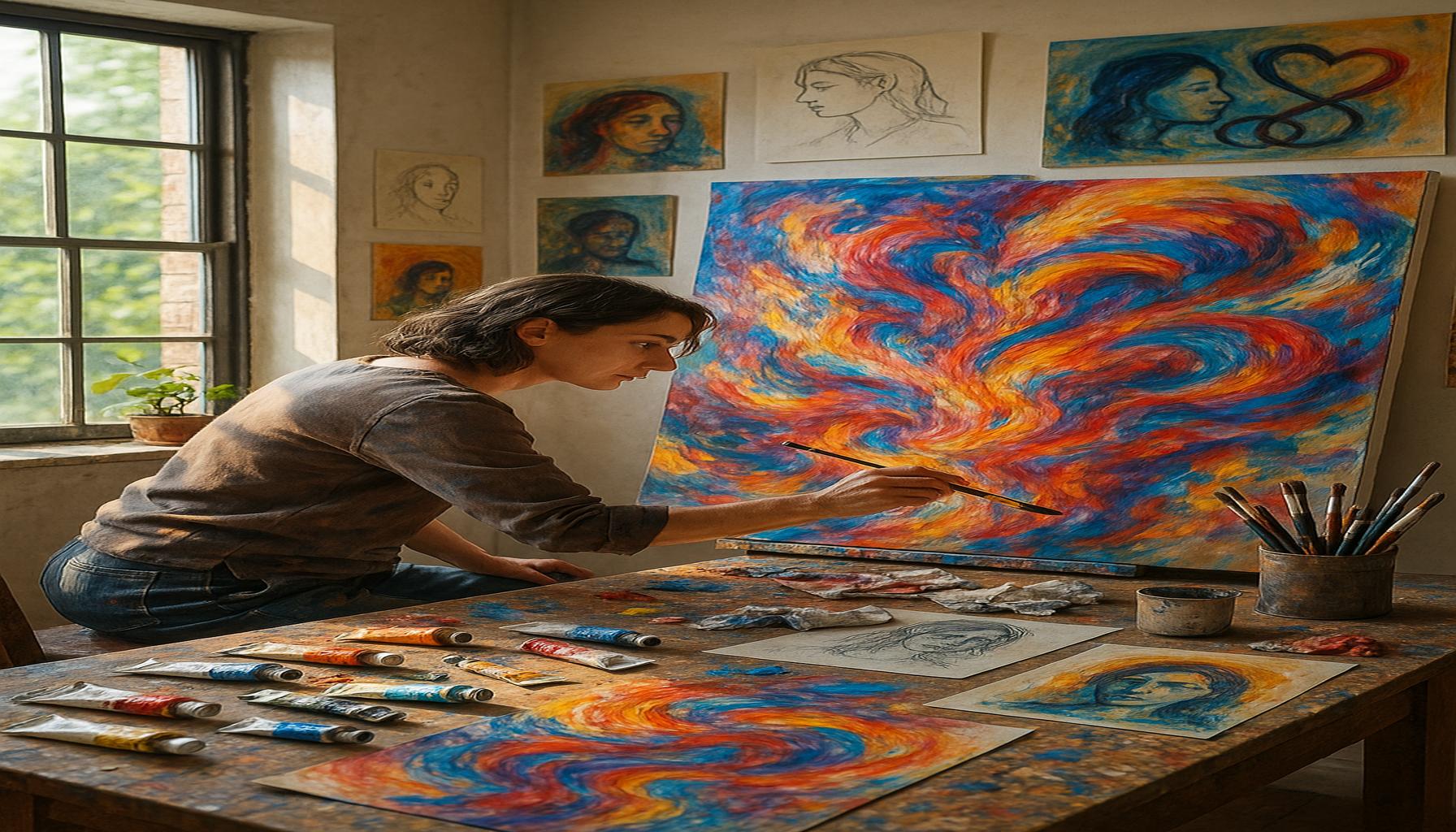
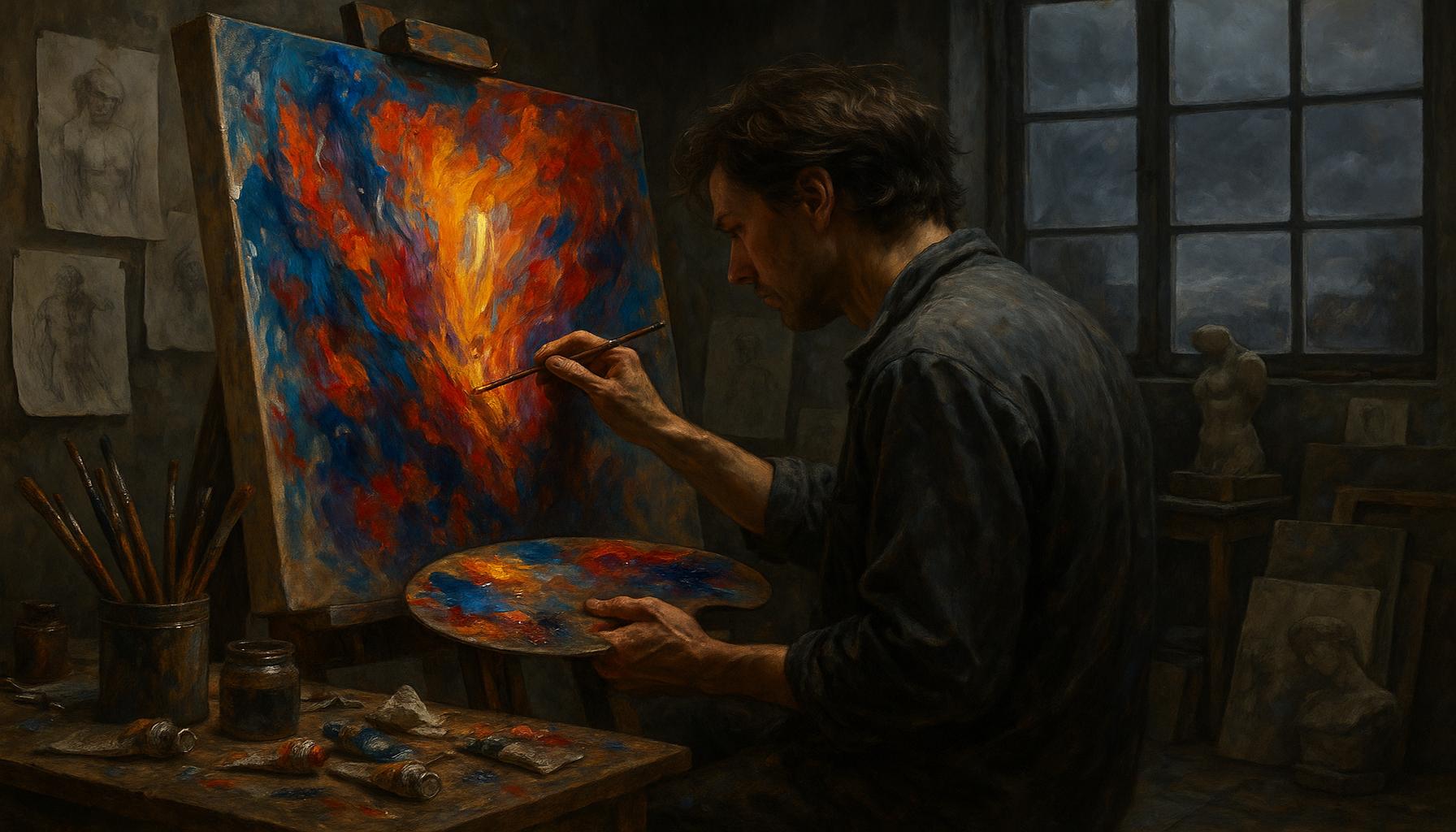
- Emotional Release: Art serves as a safe outlet for emotions, enabling individuals to process complex feelings that might otherwise remain bottled up. Many individuals report feelings of catharsis after completing a piece of art, whether it is painting, sculpting, or even writing poetry.
- Stress Reduction: Engaging in creative activities can significantly lower stress levels and promote relaxation. Studies have shown that spending just 45 minutes creating art can lower cortisol levels, the hormone primarily responsible for stress. Activities like coloring or doodling have gained popularity as quick stress-relievers that anyone can try.
- Improved Self-Esteem: Completing an artistic project can foster a sense of accomplishment, boosting confidence. In a society often focused on external validation, creating something unique nurtures a sense of ownership and pride, significantly enhancing one’s self-worth.
- Enhanced Cognitive Function: Creating art stimulates brain activity, improving cognitive skills and problem-solving capabilities. Engaging in creative processes can enhance memory and attention, making art an invaluable tool for individuals of all ages.
Art Therapy and Its Growing Popularity
Art therapy has emerged as a recognized practice in mental health treatment. By integrating creative expression into therapy, practitioners are finding innovative ways to support individuals struggling with a variety of issues. Art therapy can be particularly beneficial for those dealing with:
- Anxiety: Individuals often find that artistic expression helps them confront their anxieties and articulate their feelings, providing an alternative avenue for emotional communication.
- Depression: Creative activities can help alleviate symptoms of depression by enabling patients to express their emotions without feeling judged, thereby allowing for healing in a non-threatening environment.
- Trauma: Art therapy is particularly effective for those with trauma histories. By expressing traumatic experiences through art, individuals may navigate their emotions more effectively and find pathways toward healing.
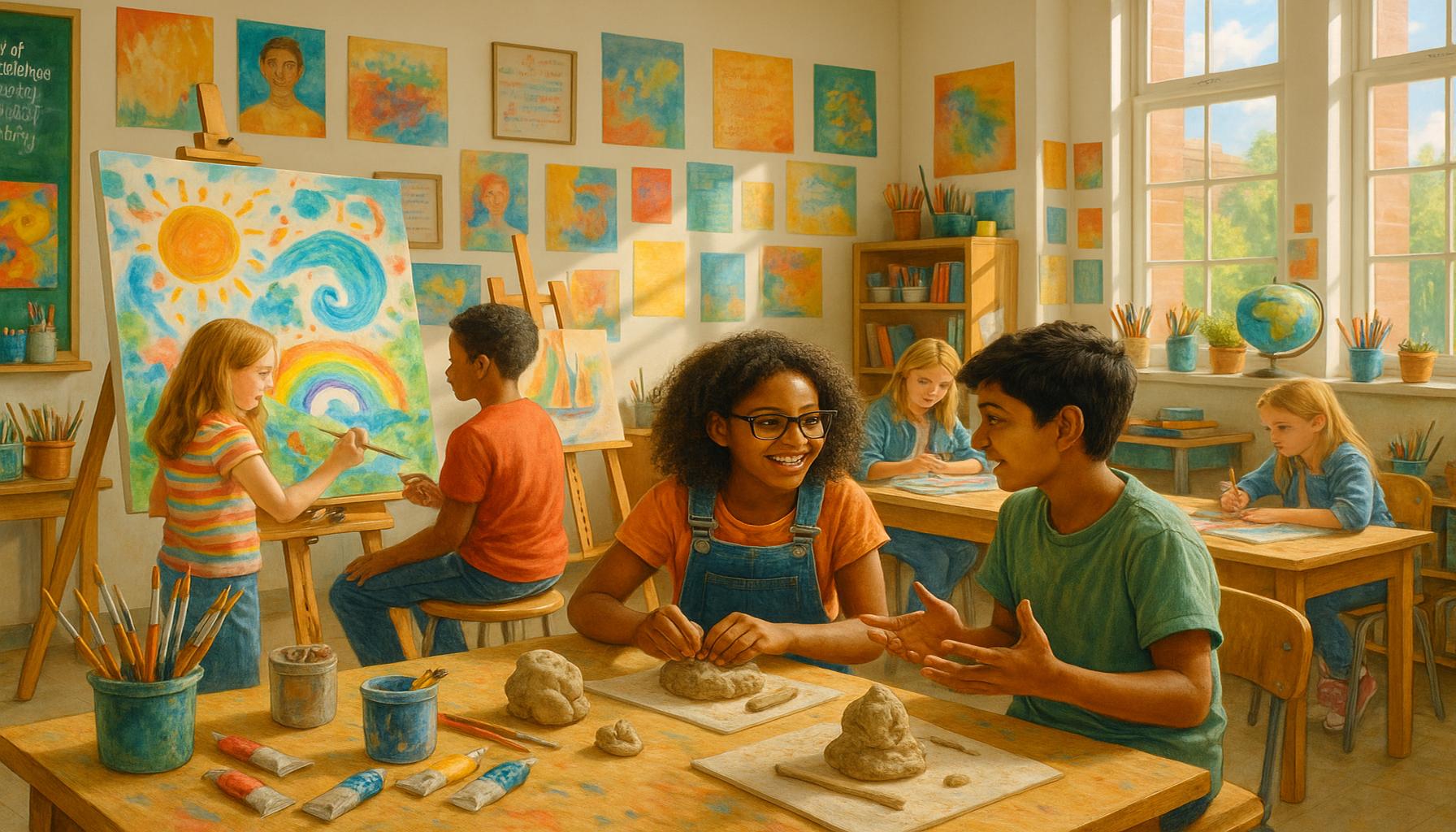
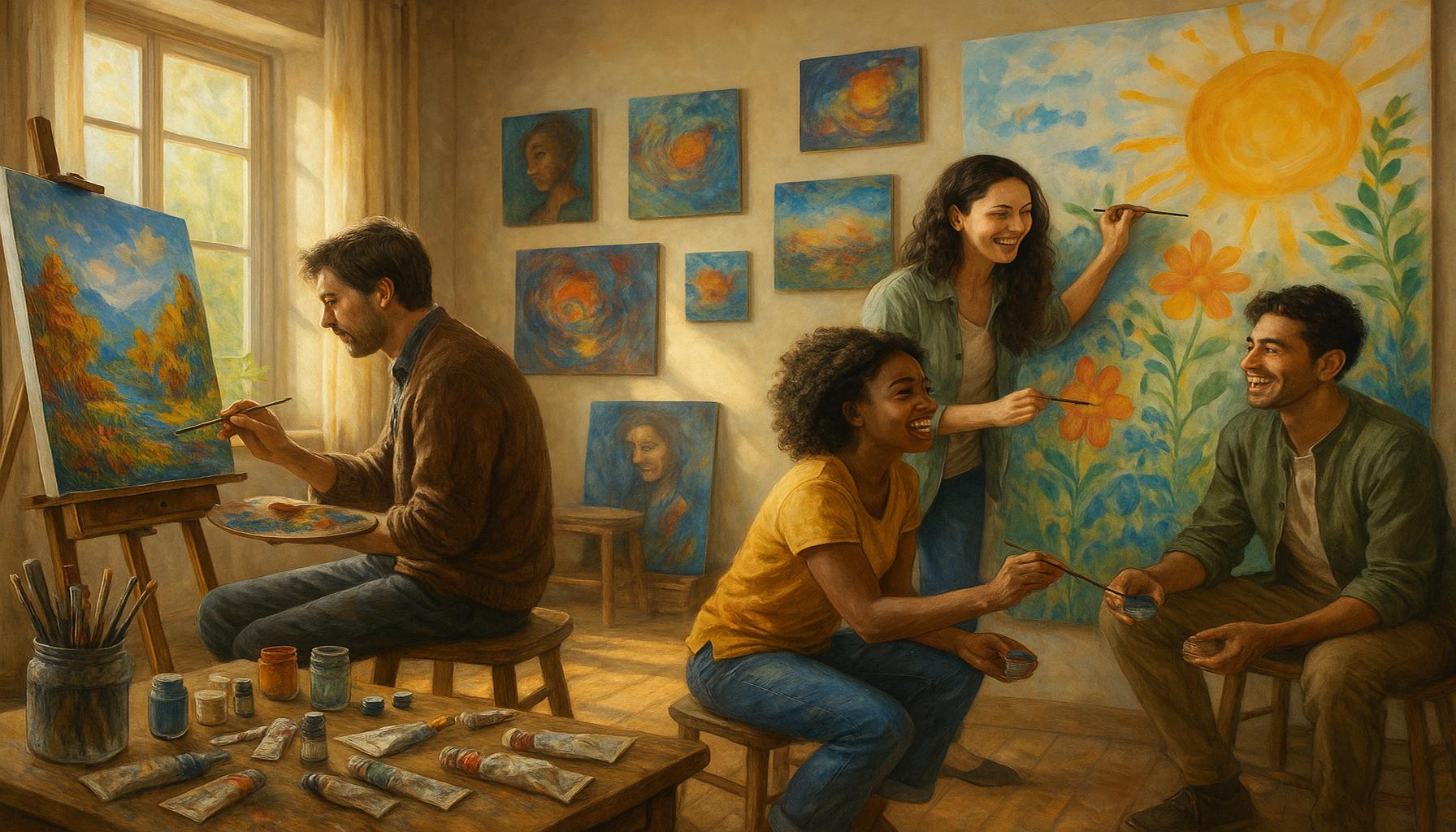
- Social Isolation: Group art therapy can foster connections among participants, building a sense of community and reducing feelings of loneliness.
This shift in mental health care highlights the importance of understanding how artistic expression can directly improve overall well-being. With more therapists incorporating art into treatment plans, individuals have more opportunities to explore their creativity while embarking on their healing journeys. The integration of art into therapeutic practices not only enriches the treatment landscape but also underscores the universal human need to express and connect through creativity.
DISCOVER MORE: Click here to dive into the art of felt crafting!
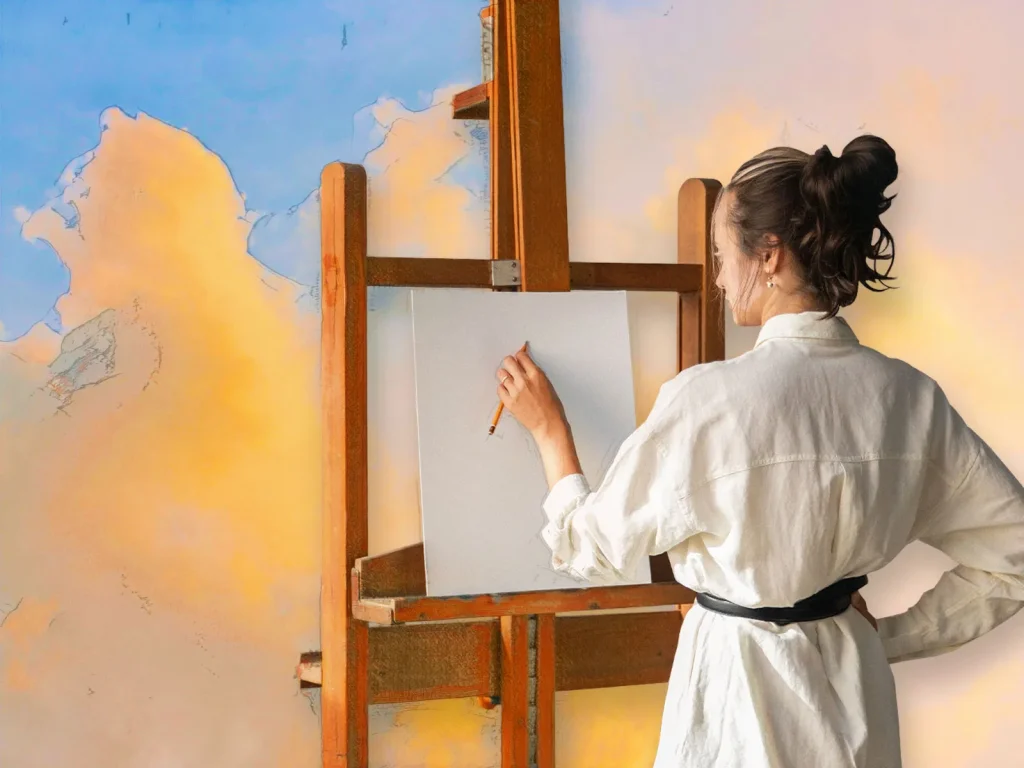
Art as a Healing Tool for Mental Well-Being
The transformative power of artistic expression transcends mere aesthetics; it serves as a vital tool for mental wellness. As society increasingly recognizes the significance of mental health, art has emerged as a compelling medium through which individuals can navigate their emotional landscapes. Recent research sheds light on how creating art can serve as a therapeutic process, helping people find their voice during challenging times.
Unlocking Emotional Pathways
Art offers a unique conduit through which individuals can access and articulate their emotions. When words fail, visual art, music, or literary expression can convey feelings too complex for language. The participants in various studies have noted that engaging in artistic activities not only promotes emotional regulation but also opens avenues for self-discovery. Let’s explore how art effectively facilitates mental health care:
- Facilitating Self-Reflection: Creating art encourages individuals to reflect on their thoughts and feelings. This self-reflection is crucial in identifying emotional triggers and understanding personal challenges. A simple act of journaling or sketching can lead to profound insights that aid in processing emotions.
- Promoting Mindfulness: Artistic activities often require focus and presence, engaging the mind in the moment. This mindfulness aspect allows individuals to experience calmness and clarity, reducing rumination and anxiety. Techniques such as adult coloring have gained popularity, creating an accessible method to practice mindfulness.
- Building Resilience: Through art, individuals learn to confront challenges creatively. Successfully completing an artistic project reinforces the notion that overcoming obstacles is possible. This resilience-building aspect translates into other areas of life, fortifying individuals as they face external pressures.
- Fostering Social Connections: Group artistic initiatives often enable individuals to share their experiences, cultivating empathy and understanding among participants. These connections can alleviate feelings of isolation, creating a supportive community that nurtures mental well-being.
Bridging Therapy and Creativity
The growing intersection of art and mental health therapy is revolutionizing traditional approaches to psychological care. Art therapy programs, in various forms, are being integrated into practices across the United States, from community centers to hospitals. This integration demonstrates an understanding of the human need for expression, allowing therapy to embrace creativity as a means of healing.
Individuals grappling with various issues—including trauma, anxiety, and depression—are finding solace in art as a supplementary healing method. Therapists now recognize that the act of creating can foster dialogue about difficult subjects, allowing clients to explore their feelings in a safer and less conventional manner. As art therapy becomes more widely accepted, it brings forward the message that healing does not always adhere to traditional norms; it can also thrive in spaces filled with creativity, color, and imagination.
Understanding the influence of art on mental health is vital as we move toward a more inclusive approach to well-being. The journey into artistic expression opens doors to healing, offering individuals invaluable tools to manage their mental health journeys effectively.
The Therapeutic Power of Artistic Practices
Artistic expression serves as a vital tool in promoting mental well-being, offering various therapeutic benefits. Engaging in art, whether through painting, drawing, or other forms, allows individuals to communicate emotions that may be difficult to articulate. This form of non-verbal communication can serve as an outlet for feelings of anger, sadness, or anxiety. Through creativity, individuals can visualize their internal struggles, transforming complex emotions into tangible works of art.Moreover, art therapy has gained recognition for its effectiveness across different age groups. Studies demonstrate that engaging in creative activities can lead to reduced stress, anxiety levels, and depressive symptoms. Individuals who participate in art programs report higher levels of emotional resilience, improved self-esteem, and an enhanced sense of belonging. By immersing themselves in artistic activities, people often find an escape from the pressures of everyday life, providing a much-needed respite for the mind.Individuals suffering from mental health challenges often discover that artistic endeavors enable them to reframe their narratives. Creating art fosters a sense of control, as individuals can manipulate colors, shapes, and forms to depict their experiences. This empowerment through creativity may play a pivotal role in the recovery process, encouraging personal exploration and self-discovery. As research continues to uncover the link between art and mental health, it is becoming increasingly clear that artistic expression is not merely a recreational activity; it is a significant pathway to healing and personal growth. The integration of art into mental health support systems invites individuals to embrace their creativity as part of their therapeutic journey.
| Category | Benefits |
|---|---|
| Emotional Expression | Allows individuals to articulate feelings non-verbally through art. |
| Stress Relief | Engaging in art leads to lower anxiety and improved emotional resilience. |
| Empowerment | Creates a sense of control and ownership over personal narratives. |
| Connectivity | Fosters a sense of belonging through shared creative experiences. |
Art’s influence on mental health transcends traditional therapeutic methods, underscoring the importance of creativity in enhancing emotional well-being. Through artistic expression, individuals can embark on a transformative journey, harnessing their creativity to navigate life’s challenges.
DIVE DEEPER: Click here to discover modern embroidery techniques
The Role of Art Programs in Community Mental Health
In the United States, community-based art programs have gained momentum as a vital component of mental health resources. These programs serve not only as avenues for artistic expression but also as supportive environments fostering healing and recovery. Community art initiatives often bring together diverse populations, breaking down barriers related to age, race, and socioeconomic status, thus emphasizing inclusivity in mental health advocacy.
Cultivating Safe Spaces
Community art programs provide safe spaces where individuals can freely explore their creativity without the fear of judgment. Such environments empower participants, encouraging them to express deeply-held emotions and vulnerabilities. Many programs utilize group settings, providing participants with a sense of belonging and connection, allowing for collective healing experiences. For instance, organizations like Art with Impact host workshops that utilize film and art to explore mental health issues, creating dialogue and understanding among participants.
Art Education and Skill Development
In addition to emotional exploration, community art programs often emphasize learning valuable skills. Participants can acquire new techniques in various art forms, from painting and sculpting to digital media and music. This skill-building process not only boosts confidence but also equips individuals with a creative toolkit to express themselves in their daily lives. The arts can become a lifelong pursuit and a coping mechanism that continues to promote mental well-being long after the programs have concluded.
For instance, initiatives like the Creative Arts Therapy Program at the VA Pittsburgh Healthcare System illustrate how art can foster recovery among veterans. Through expressive writing, painting, and music, veterans process their complex experiences, aiding in their transition to civilian life while addressing issues like PTSD and depression. Such targeted programs highlight the specific benefits that art can offer, adapting to the unique needs of different communities and demographics.
The Impact of Art on Neuroplasticity
The therapeutic power of art also extends to the fascinating realm of neuroplasticity. Engaging with art can stimulate brain regions associated with emotion and memory, potentially leading to structural changes in the brain. Neuropsychological studies suggest that creating art enhances connectivity in the brain, particularly in areas that regulate emotions and cognition. By incorporating artistic activities into mental health treatment, professionals may harness the potential for brain growth and healing, re-establishing emotional balance.
Moreover, research published in the Journal of the American Art Therapy Association has found that individuals who engage in art-making exhibit increased levels of dopamine—often referred to as the ‘feel-good’ neurotransmitter. This biochemical response serves to elevate mood and alleviate symptoms associated with anxiety and depression, further supporting the necessity of integrating art into mental health care strategies.
As we consider the broader implications of art on mental health, it becomes evident that artistic expression is not merely a hobby; it serves as an essential avenue for healing and growth. From community programs that unite individuals to scientific discoveries about neuroplasticity and emotional regulation, the influence of art on mental health reveals an intricate tapestry where creativity plays a central role in enhancing well-being.
DISCOVER MORE: Click here for exciting fabric painting techniques!
Conclusion: Embracing Art for Mental Well-Being
In summary, the profound influence of art on mental health highlights the indispensable role of artistic expression in promoting psychological well-being. Through community-based art programs, individuals are afforded the opportunity to engage in creative practices that serve as powerful outlets for emotional exploration and healing. These initiatives create safe spaces where participants can forge connections, overcoming barriers that often isolate individuals within our diverse society.
The therapeutic benefits of art extend beyond self-expression; they delve into the intricacies of neuroplasticity, demonstrating the ability of art to stimulate brain regions tied to emotion and memory. This neurological aspect underscores the importance of integrating art into comprehensive mental health treatment plans. As we uncover the biochemical responses linked to art-making, it becomes clear that engaging in creative pursuits can boost mood and alleviate symptoms of various mental health challenges.
Moreover, artistic endeavors equip individuals with valuable skills, fostering resilience and confidence that can enhance their lives beyond the confines of structured programs. Those who embrace art as a lifelong pursuit de facto navigate their emotional landscapes more adeptly. Therefore, fostering an environment that values artistic expression is crucial.
As we move forward, let us recognize art not merely as a form of entertainment but as a vital tool in the enhancement of mental health. By investing in community art initiatives and advocating for policies that prioritize the integration of art into mental health care, we can cultivate a society where creativity fuels recovery, resilience, and ultimately, a more profound sense of well-being.