The Influence of Art on Cuisine: How Painters and Sculptors Inspire Creativity in the Kitchen
The Intricate Relationship Between Visual Art and Culinary Arts
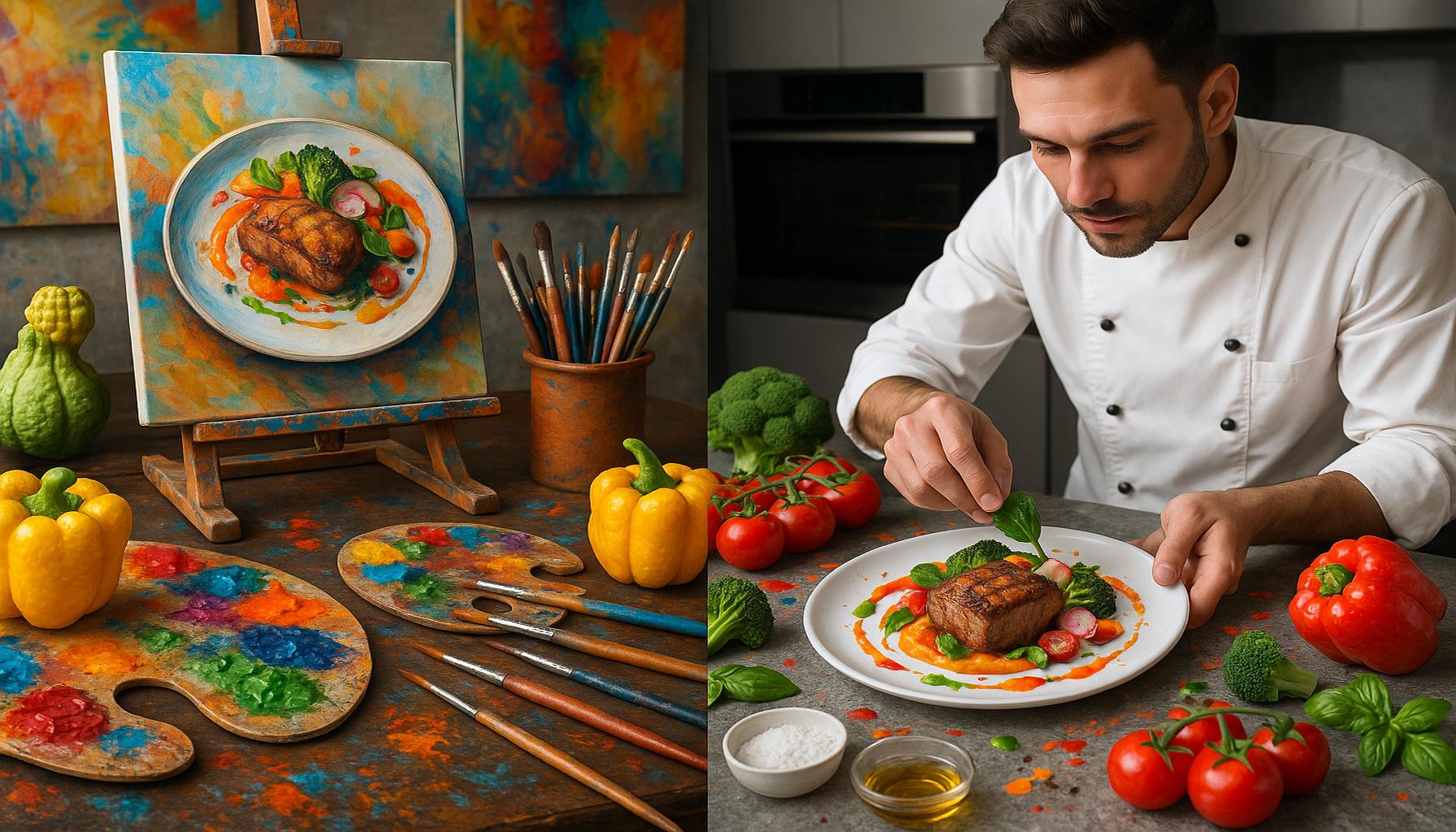
Throughout history, art and cuisine have danced a delicate ballet, often draping the dining experience in layers of visual splendor and taste. Each plate served in a restaurant can be seen as an invitation to experience the union of two vastly different realms. Chefs wield their knives as artists would paintbrushes, crafting dishes that are not only pleasing to the palate but also to the eyes. This relationship goes beyond mere aesthetics; it is a profound interplay of creativity and inspiration.
One of the most evident connections lies in color schemes. Chefs today are increasingly exploring color combinations that mirror exceptional artworks. For instance, the vibrant yellows and blues might remind one of Van Gogh’s “Starry Night,” with a dish composed of vibrant corn purée and a blueberry coulis creating a plate that sings with life. Many chefs in fine dining establishments experiment with seasonal produce, focusing on how the interplay of colors on a plate can evoke emotions and enhance the gastronomic experience. The visual impact of a dish can set the tone for a meal long before the first bite is taken.
- Plating Techniques: The meticulous attention to detail that sculptors exhibit is reflected in the world of plated dishes. Renowned chefs like Grant Achatz and Thomas Keller elevate food presentation into a form of art. Imagine towering slices of smoked salmon elegantly placed with swoops of cream fraiche and garnished with microgreens, transforming a simple appetizer into a breathtaking centerpiece. These plating styles invite diners not just to eat, but to appreciate the culinary creation as an art piece.
- Cultural Influences: The food we eat is often a reflection of the artistic movements that dominate a particular era. For example, the Impressionist movement’s focus on light and color can be translated into modern cuisine through the sourcing of fresh, local ingredients that highlight seasonal flavors. This trend is evident in restaurants embracing farm-to-table philosophies, where dishes convey the essence of their environment, much like how an Impressionist painting captures a fleeting moment in time.
The influence of art on cuisine extends beyond physical presentation. The emotions encapsulated in art—be it joy, nostalgia, or even melancholy—can be mirrored in culinary experiences. Certain flavors may evoke memories of family gatherings or travel, much as a painting can transport the viewer to another time and place. This psychological connection makes the dining experience rich and textured.
As we venture deeper into the symbiotic relationship between chefs and visual artists, it becomes clear that every meal represents an opportunity for storytelling. Each dish reflects the artist’s vision, where every bite is akin to a brushstroke and every meal a unique canvas. This blending of disciplines not only elevates our dining experience but also broadens our appreciation for culinary innovation and artistic expression. Exploring this intersection encourages us to savor not only the food but also the artistry behind it, ultimately enriching our understanding of both art and cuisine.
DIVE DEEPER: Click here to uncover modern embroidery techniques
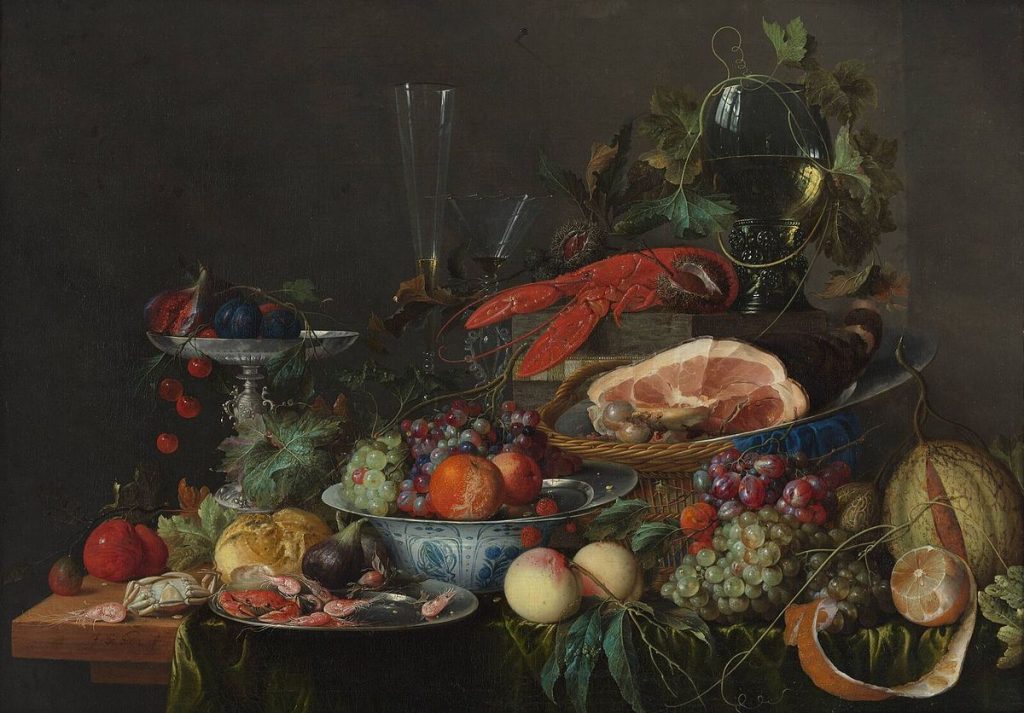
Bridging Two Worlds: The Palette of Ingredients
The realm of culinary arts has increasingly begun to adopt a language reminiscent of visual arts, where flavors and textures are expressed with the same creativity and nuance as the strokes on a canvas. Chefs, much like painters, meticulously choose their ingredients to create flavor profiles that are not only delicious but also intriguing. The concept of a culinary palette has gained traction, highlighting the importance of ingredient selection and the thoughtful arrangement of flavors. Just as an artist might blend colors to evoke a certain mood or theme, chefs mimic this process through their choice of herbs, spices, and seasonal produce.
One significant aspect of this influence is the emphasis on seasonal ingredients. By embracing the idea of using what is locally available, chefs mirror the works of artists from varying movements throughout history. For example, Abstract Expressionism’s raw energy can sometimes be paralleled in a chef’s daring combinations of flavors. With a focus on fresh, local ingredients, which often carry their own vibrant hues, modern cuisine seeks to tell a story much like a visually compelling artwork would. This conscious selection evokes a direct link between what’s on our plates and the seasons that guide their growth—a reminder of nature’s role in both art and gastronomy.
The theme of texture further amplifies the artistic connection. Just as a sculptor carefully considers the materials used in their work, chefs blend various textures to enrich the dining experience. A dish may feature crispy elements juxtaposed against creamy components, creating a symphony of sensations. Imagine a crunchy tempura alongside a velvety miso sauce; it’s this contrast that not only delights the taste buds but also captivates the eye, much like a mixed-media art piece. The exploration of mouthfeel aligns with the detail-oriented approach painters and sculptors take when crafting their compositions.
- Innovation and Experimentation: Chefs today are akin to modern artists who challenge convention. They often draw on historical culinary techniques, infused with contemporary twists, echoing how artists reinterpret past styles. This willingness to experiment can give rise to new culinary trends, much like movements in visual art that push boundaries and redefine norms.
- Culinary Themes and Narratives: Just as classic artworks address universal themes—such as love, loss, and celebration—chefs create menus that encapsulate a story or evoke emotions. Seasonal tasting menus, for instance, carry diners through a narrative experience that reflects various moods, similar to the chapters of a novel or a thematic art exhibit.
In a world where sustainability’s influence resonates through various forms of art, it becomes apparent that this symbiosis offers a rich tapestry of innovation within both fields. Visual artists and chefs alike are recognizing the impact of their work on culture and society. Their creations have the power to provoke thought as much as to satiate hunger. As we dive deeper into the influence of art on cuisine, it is clear that every bite of food holds the potential to tell a story—one that is vibrant, textured, and deeply connected to the art that inspires it.
| Artistic Influence | Culinary Expression |
|---|---|
| Visual Inspiration | Colors and textures observed in art ignite new flavor combinations. |
| Historical Context | Culinary traditions reflect the cultural narratives found in paintings and sculptures. |
| Innovative Techniques | Artists’ techniques challenge chefs to blend various influences in their culinary art. |
| Emotional Connection | Art evokes emotions, which mirrors the experiences created through gastronomy. |
As we explore the intricate relationship between art and culinary creativity, it becomes evident that artists create a wellspring of inspiration for chefs. The vivid palettes used by painters stimulate the imaginations of culinary artists, leading them to experiment with colors and textures in their dishes. For example, a chef may draw inspiration from the brilliant hues in a Van Gogh painting to create a visually stunning dish that captures the essence of that artwork.Moreover, understanding the historical significance of various art movements can enhance a chef’s culinary storytelling. Just as sculptures tell narratives through their forms, a dish can convey cultural heritage, reflecting the influences that shaped it through time. Techniques seen in sculpture, such as layering and balance, find their parallels in the plating and presentation of food, encouraging chefs to think outside the box.Additionally, the emotional responses elicited by artwork are mirrored in the experience of dining. When a chef crafts a menu, they’re not just preparing food; they’re constructing an emotional journey that resonates with diners, much like how art impacts its viewers.This confluence of artistry and culinary skill truly illustrates the profound influence that visual arts have on the intricate world of cuisine, encouraging readers to contemplate how they can incorporate these inspirations in their own culinary adventures.
DIVE DEEPER: Click here to discover more scrapbooking techniques
Visual Art as a Catalyst for Culinary Inspiration
The integration of visual art into the culinary experience extends beyond the mere aesthetic appeal of food. Artistic plating has emerged as a crucial aspect of modern dining, transforming each dish into a visual masterpiece. Just as painters use composition to guide the viewer’s eye, chefs arrange their ingredients in a manner that elevates the overall presentation. This meticulous attention to detail aims to create an emotional response from diners, akin to what they might experience when gazing upon a captivating painting or sculpture. Techniques such as drizzling sauces, stacking ingredients, or using edible flowers as garnishes are all inspired by artistic principles of balance and symmetry.
Moreover, the influence of renowned artists can be seen in the thematic inspirations behind a restaurant’s concept. For example, the vibrant colors and dynamic patterns seen in works of Claude Monet’s Water Lilies series resonate with dishes that celebrate spring vegetables and fresh herbs, artfully arranged to reflect nature’s beauty. Restaurants often curate their menus around artistic movements, allowing patrons to engage in a multisensory exploration of tastes and styles. Chefs channel the essence of various art movements like Impressionism, Surrealism, or even Cubism, showcasing their creativity through food that mirrors the evocative power of iconic artworks.
Furthermore, the relationship between food and art is becoming a playground for cultural exchange. For instance, the pop culture movement has influenced chefs to incorporate elements that celebrate contemporary artists. Dishes are crafted to pay homage to figures like Andy Warhol, where vibrant colors and bold packaging can be reflected in the dish’s aesthetic. This cross-pollination initiates discussions around not just culinary excellence but also the broader cultural narratives that shape our tastes and preferences. The concept of “artisanal” food, with its focus on handcrafted, visually appealing products, draws direct parallels with the handcrafted nature of traditional sculptures.
- Multi-sensory Dining Experiences: Some innovative restaurants feature art installations that are integrated with the dining experience. This synergy allows diners to explore how visual stimulation interacts with flavors and aromas, heightening the emotional engagement of meals. For example, the Noma restaurant in Copenhagen has previously offered experiences where the food and art installation share a thematic coherence, creating an immersive journey.
- Food as a Medium for Expression: Just like artists express themselves through their medium, chefs increasingly leverage food as a means of personal expression. Menu items that draw on an artist’s style or a specific artwork often spark conversations about cultural identity and personal narrative, revealing the chef’s inspirations and intentions.
The modern culinary landscape is a testament to the enduring influence of visual arts. As chefs navigate this exciting intersection of creativity, flavor, and aesthetics, they redefine what it means to savor food—not merely as sustenance but as an art form in its own right. With artists and chefs blurring the lines of their respective disciplines, we are encouraged to view our meals through a new lens, inviting curiosity and contemplation, akin to visiting a gallery or an immersive art installation. Every dish offers a narrative, a palette of expression that invites diners to partake not just in flavors, but in a broader cultural dialogue.
DISCOVER MORE: Click here to dive deeper
Embracing the Crossroads of Culinary and Visual Arts
In conclusion, the influence of art on cuisine is a powerful testament to the interconnectedness of creative expression across disciplines. As chefs increasingly adopt the principles of visual artistry in their culinary practices, they elevate the act of dining into a multifaceted experience that tantalizes both the palate and the visual senses. The exploration of artistic movements and techniques inspires a deeper appreciation for the craftsmanship involved in food preparation, transforming each dish into a canvas that tells a unique story.
The rise of thematic dining experiences, where menus are curated to complement art installations or celebrate cultural icons, illustrates a growing recognition of food as not just sustenance but a medium for artistic expression. This fusion invites diners to engage in a cultural dialogue, allowing them to question and reflect upon their tastes while experiencing a narrative that extends beyond the plate.
As we move forward, it will be intriguing to witness how chefs and artists will continue to inspire one another, pushing the boundaries of both gastronomy and visual art. The marriage of these two forms of creativity cultivates an environment ripe for innovation, encouraging others to delve into the artful dialogue that unfolds within our kitchens and dining rooms. Thus, as we savor our next meal, let us appreciate not only its flavor but also the artistic journey that brought it to our table, nurturing a profound connection between food and culture.