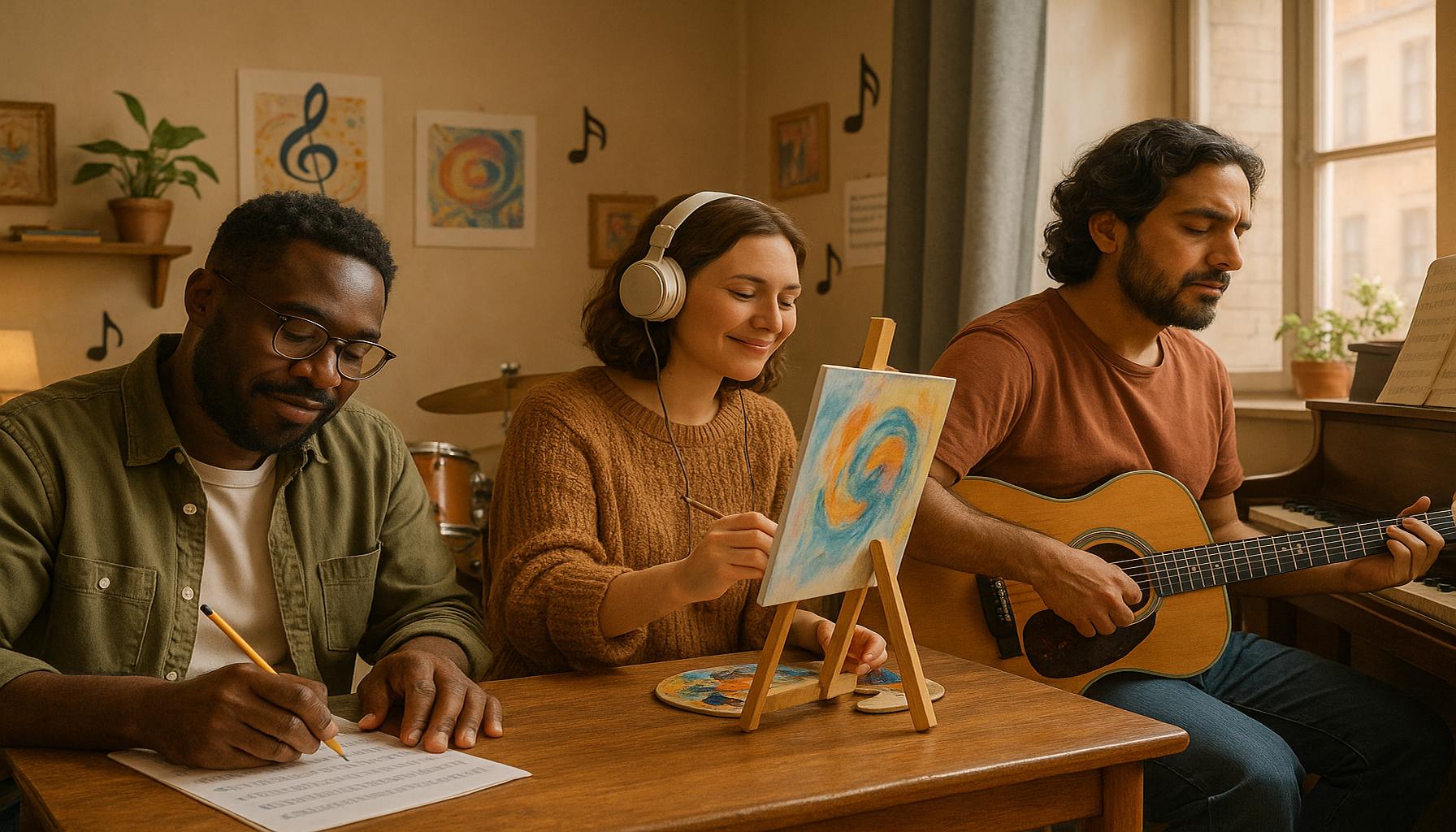
The Impact of Musical Education on Collaboration Skills in Groups
The Role of Musical Education in Enhancing Collaborative Skills
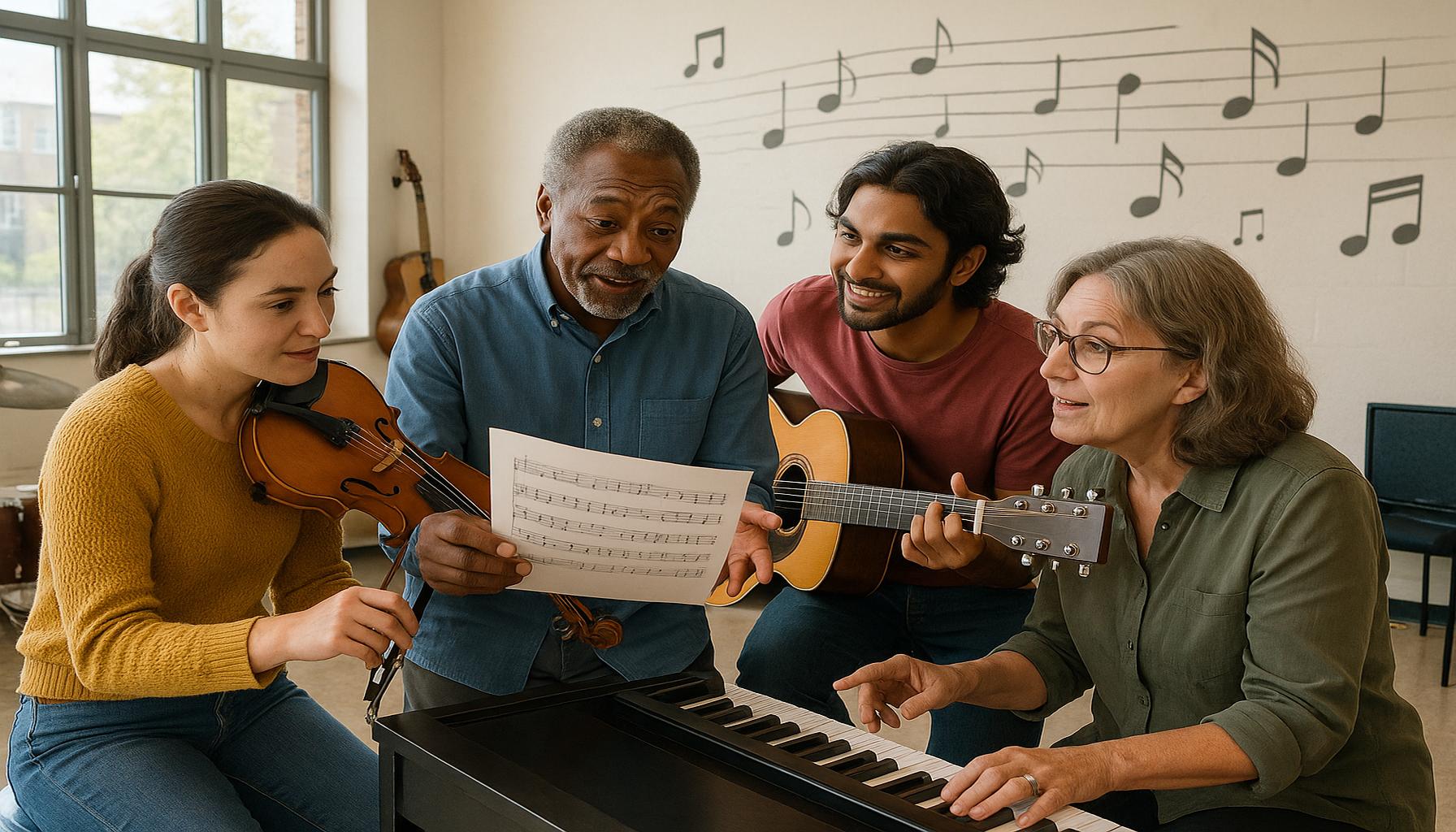
In today’s interconnected world, the ability to collaborate effectively within groups is more essential than ever. Recent studies suggest that musical education plays a pivotal role in enhancing these vital collaboration skills. Engaging in music provides a unique environment where individuals can learn to work together towards a common goal. This article will delve into how participation in music can foster teamwork abilities among individuals, regardless of age or experience.
Team Dynamics
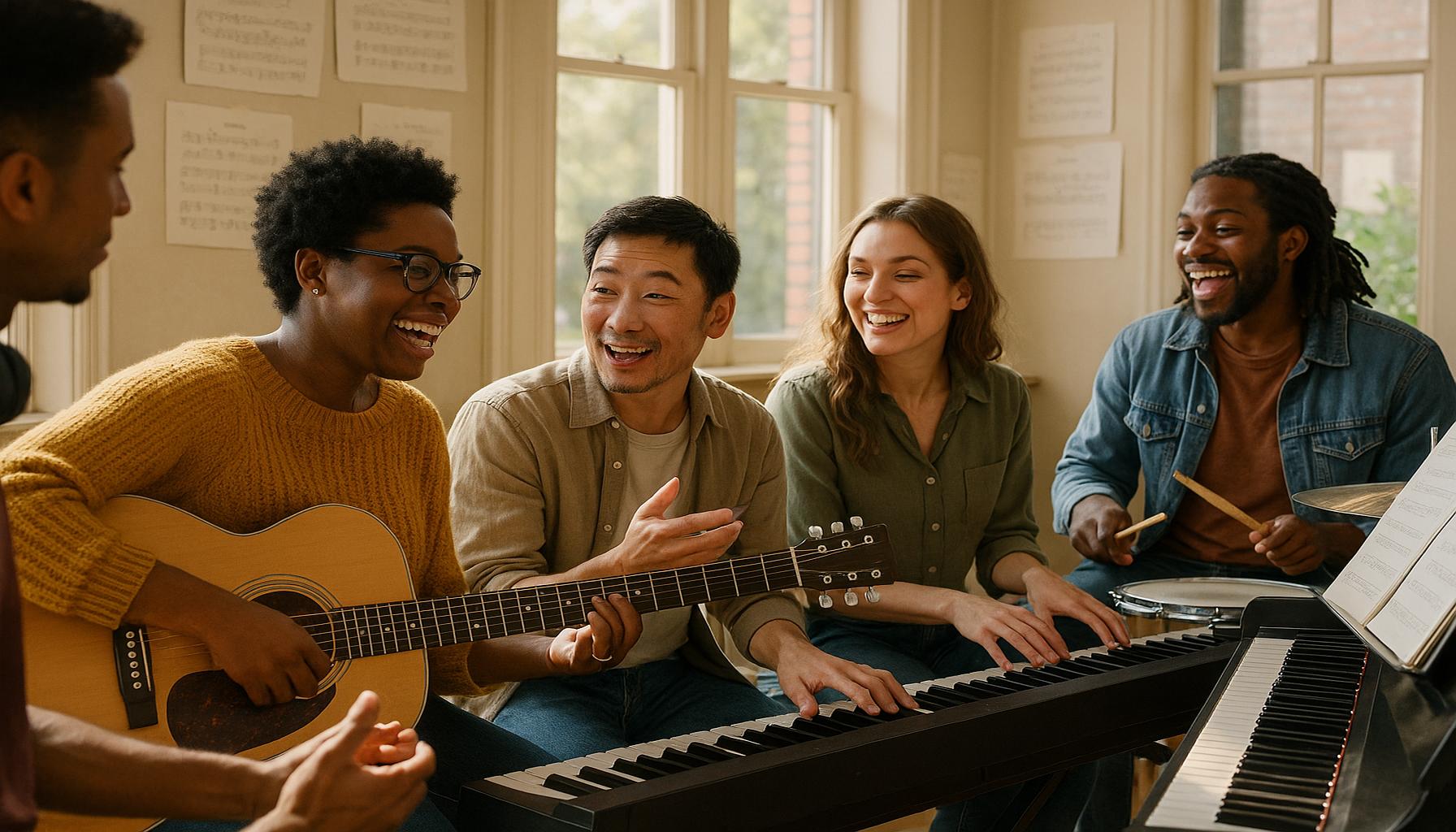
Musical activities often require participants to listen, adapt, and contribute harmoniously. In a band or orchestra, each member has a specific role yet must remain acutely aware of their surroundings to ensure a cohesive performance. This constant need for synchronization helps individuals understand the importance of their input within a group setting. For instance, a drummer may need to adjust their tempo based on the instruments around them, teaching flexibility and cooperation. The experience of creating music together promotes appreciation for each other’s strengths and weaknesses, reinforcing the idea that every team member plays a crucial part in achieving collective success.
Communication Skills
Learning an instrument or singing in a group promotes both verbal and non-verbal communication. Musicians often rely on cues, such as eye contact and body language, to signal changes in the music, which enhances their ability to convey messages without words. Participation in choral groups or bands can help individuals develop these crucial communication skills, leading to greater effectiveness in other collaborative environments. Consider a school choir, where students must work together to create harmony. This shared musical experience not only sharpens their vocal skills but also develops their ability to engage with one another in meaningful ways.
Problem Solving
Music challenges encourage creativity and quick thinking, skills that are invaluable in collaborative settings. Encountering a difficult piece of music may require students to brainstorm solutions together, fostering a team-oriented problem-solving approach. For example, when faced with a challenging arrangement, members may discuss alternative interpretations or different playing techniques. This cooperative effort not only leads to a better understanding of the music but also cultivates an environment where team members feel valued and empowered to express their ideas. Such situations bolster adaptability and innovation, key traits in today’s collaborative workplace.
Consider this: group music ensembles not only produce sound but also build relationships. The shared experience of making music together creates a sense of belonging and mutual support, essential for effective teamwork. Research indicates that individuals who participate in musical groups tend to demonstrate improved interpersonal skills and emotional intelligence. These qualities, nurtured through musical education, are beneficial not just in music but across various disciplines and careers.
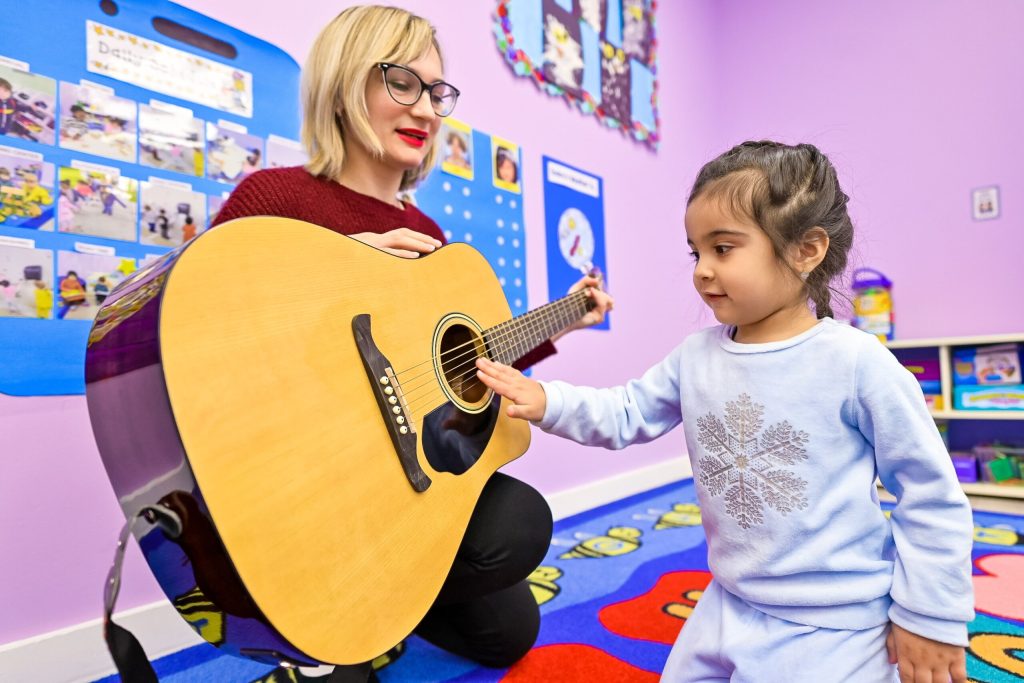
In the United States, music education programs in schools are being recognized for their ability to produce not just talented musicians but also capable leaders and cooperative team members. As we further explore the impact of musical education on collaboration skills, we uncover insights and examples that illustrate this fascinating relationship. Programs that emphasize ensemble playing or community music projects can serve as a powerful testament to the benefits of musical education in nurturing collaborative abilities in young minds. Ultimately, this intersection of music and teamwork highlights a transformative approach to education that extends beyond the classroom.
DISCOVER MORE: Click here to dive into fabric painting techniques
Enhancing Collaboration Through Group Musical Experiences
The integration of musical education into group activities fosters a variety of collaboration skills that extend beyond the music classroom. One of the most significant benefits of musical education is the opportunity it provides individuals to engage in collective ventures where the success of one is intrinsically linked to the success of the entire group. When students participate in musical ensembles, they undergo a transformative journey that equips them with essential skills in teamwork, communication, and mutual support. This exploration uncovers the rich tapestry of experiences that musical education imparts.
Structured Group Dynamics
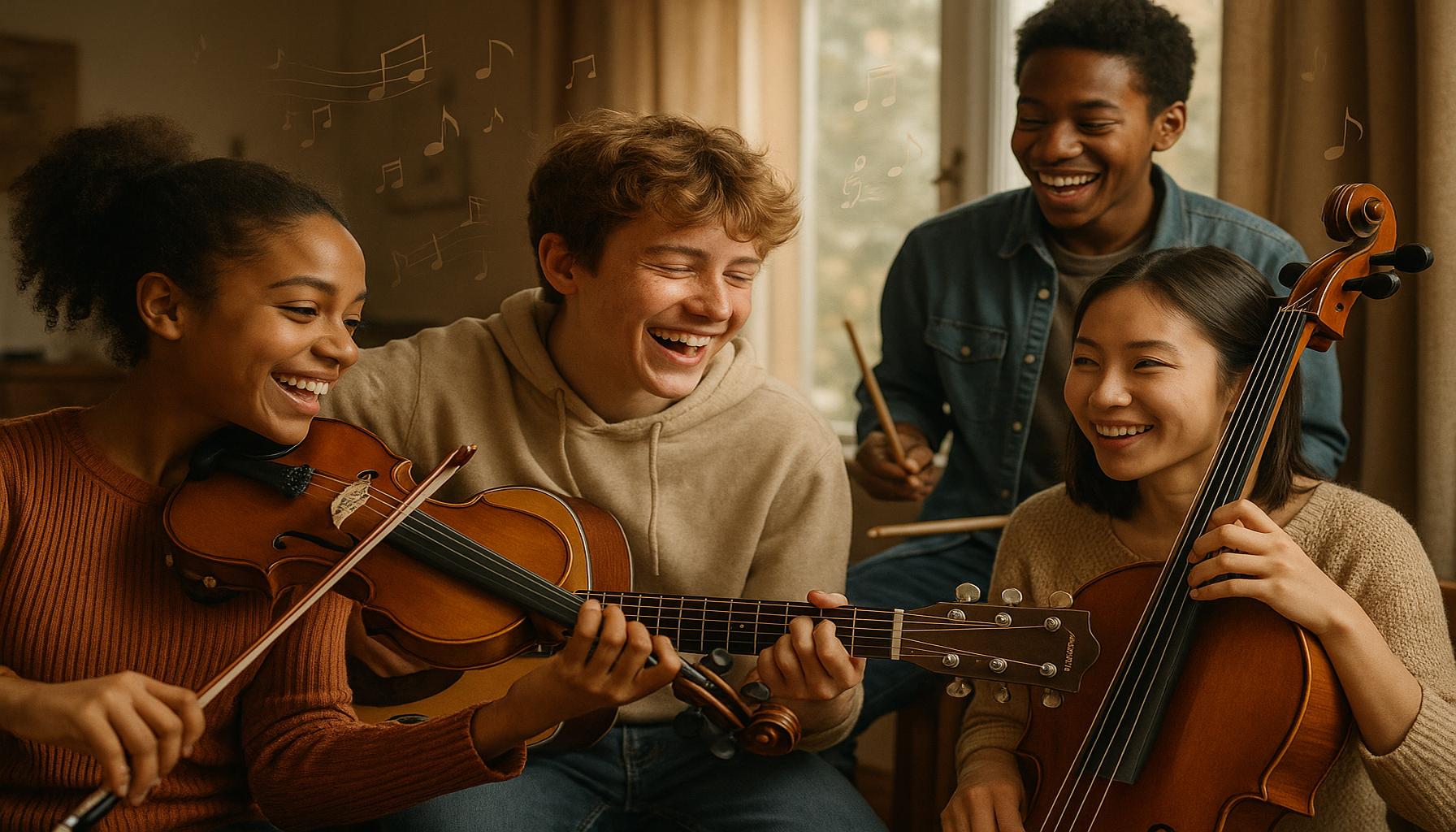
Joining a musical group often involves navigating a range of roles and responsibilities, mirroring complex social and professional environments. Participants learn that every individual’s contribution is vital to the group’s overall success. For instance, in a string quartet, each musician must not only master their instrument but also listen and respond to their counterparts. If one player falters, it can disrupt the harmony for everyone. This necessity for unity cultivates valuable lessons in accountability and mutual respect, as ensemble members learn to support one another during rehearsals and performances alike.
The Power of Listening
Active listening is a cornerstone of effective collaboration, and musical education places a significant emphasis on this skill. In an orchestra or choir, members must cultivate their listening abilities to synchronize rhythms and harmonies successfully. This practice of concentrating on both one’s performance and the overall sound fosters deep listening skills that are transferable to group work in various settings, from classrooms to corporate offices. Within musical programs, students not only learn to hear their part but also to engage attentively with their peers, which enhances their overall collaborative capabilities.
Conflict Resolution Through Ensemble Play
Collaboration is not always smooth sailing, and musical education provides a platform for students to learn how to address conflicts constructively. Differences in interpretation, style, or technique can lead to disagreements within a group, yet such challenges also serve as opportunities for growth. For example, two musicians may have conflicting ideas about a particular piece’s expressiveness during practice sessions. By discussing their viewpoints and reaching a consensus, they learn important conflict resolution skills essential in any collaborative effort. This dialogue encourages participants to value diverse perspectives and navigate misunderstandings—capabilities that significantly benefit group dynamics in all areas.
In addition, numerous studies have highlighted the positive impact of musical education on fostering collaboration skills. According to a report from the National Endowment for the Arts, participation in music education programs can significantly enhance not only musical aptitude but also social skills and emotional intelligence. As students engage in collaborative music-making, they enhance their ability to work effectively in teams, an essential requirement in today’s job market.
- Developirng teamwork abilities: Engaged participation fosters unity.
- Enhancing communication: Use of non-verbal cues improves interpersonal skills.
- Building conflict resolution skills: Navigating disagreements fosters collaboration.
As we investigate the multifaceted benefits of musical education further, it becomes clear that these experiences are more than just artistic endeavors. The collaborative nature of music cultivates a generation of individuals who are equipped to collaborate, innovate, and lead effectively in diverse environments. Through music, the seeds of teamwork are sown, paving the way for future successes in group settings.
| Advantage | Description |
|---|---|
| Enhanced Communication | Musical education fosters effective verbal and non-verbal communication skills essential for group collaboration. |
| Teamwork Development | Engaging in music ensembles or group projects enhances the individual’s ability to work cohesively towards a common goal. |
The integration of musical education into collaborative environments can drastically elevate the dynamics of teamwork and interpersonal relations within groups. One notable advantage is the enhancement of communication skills. Musicians often need to convey ideas and emotions, not just through words but through sound, which translates into improved articulation in conversations. This is critical in various collaborative contexts, as effective communication lays the groundwork for productive teamwork.Moreover, participating in performance groups or ensembles builds a strong sense of teamwork development. When individuals learn to synchronize with one another musically, they become adept at understanding cues, respecting timing, and valuing each other’s contributions. This collaborative spirit is transferable to other group activities, fostering a more inclusive and cohesive environment.Additionally, research has shown that music education promotes empathy among participants, as individuals learn to listen attentively to both their peers and the music being created together. The result is a rich tapestry of human interaction that enhances not just the educational experience but also prepares individuals for future collaborative endeavors in various fields.
DISCOVER MORE: Click here to dive deeper
Fostering Creativity and Innovation in Collaborative Settings
Musical education not only hones teamwork and communication skills but also serves as a wellspring of creativity that enhances collaboration in group dynamics. In musical contexts, students are encouraged to engage in improvisation and composition, which empowers them to explore their creative potentials while learning to adapt to the ideas of others. This process cultivates a fertile environment for innovation, as individuals learn to build upon one another’s contributions, thus creating a unified piece that reflects a collective vision.
Encouraging Diverse Perspectives
Collaboration thrives on diversity, and musical ensembles are often a microcosm of this principle. Students from various backgrounds come together, bringing different cultural influences and musical interpretations to the table. In environments such as jazz bands or multicultural choirs, the blending of these diverse voices not only creates a richer sound but also fosters mutual respect and understanding among group members. This exposure to differing perspectives cultivates a broader worldview—an essential trait in collaborative work that extends far beyond music. The ability to appreciate distinct styles and approaches enhances a group’s overall effectiveness, encouraging an atmosphere where innovation can flourish.
Real-World Applications and Skills Transfer
The collaborative skills developed in musical education resonate strongly in real-world scenarios. According to the Arts Education Partnership, studies illustrate that students involved in music programs exhibit higher levels of collaboration in academic and professional contexts. Skills such as active listening, adaptability, and constructive feedback become inherently valuable when applied to team-based projects or workplace environments. For instance, a student who thrives in a collaborative musical setting may outperform peers in group assignments, as they possess the tools necessary to foster a positive group dynamic, promote open communication, and navigate through conflicts effectively.
- Heightened creativity: Musical improvisation nurtures out-of-the-box thinking.
- Broader cultural awareness: Diverse musical backgrounds foster respect and understanding.
- Transferable skills: Collaboration skills gained in musical education apply to academic and professional success.
Building Confidence and Leadership Qualities
Musical education also plays a crucial role in developing individual confidence and leadership skills within group settings. Opportunities to take on leadership roles, such as conducting a choir or leading a rehearsal, empower students to express their ideas and influence the group direction. This sense of ownership prompts individuals to take initiative, further enhancing their collaboration skills. As students learn to voice their opinions and guide their peers, they cultivate a sense of responsibility and self-advocacy that serves them well in collaborative endeavors across various fields.
Research increasingly emphasizes the importance of non-academic skills in shaping future job candidates. According to a report by the National Association of Colleges and Employers, employers consistently cite teamwork, communication, and problem-solving as essential skills for success. By practicing these skills in the context of musical education, students are not only becoming proficient musicians but are also equipping themselves with the necessary tools to thrive in team-oriented environments throughout their careers.
As our exploration of musical education continues, it becomes evident that collaboration skills nurtured in these settings shape the leaders and innovators of tomorrow. The rich interplay of creativity, teamwork, and communication—enjoyed within the realm of music—has profound implications for personal and professional growth, emphasizing the enduring significance of music education in cultivating effective collaborators.
DISCOVER: Click here to dive deeper
Conclusion: The Lasting Influence of Musical Education on Collaborative Skills
In summary, the impact of musical education on collaboration skills in group settings is both profound and multifaceted. This unique form of education not only fosters essential teamwork abilities but also nurtures creativity, encourages diverse perspectives, and cultivates leadership qualities. As students engage in ensemble play and collaborative composition, they develop crucial social skills that transcend the boundaries of music and into the broader realms of academics and professional environments.
By participating in musical activities, students learn to navigate the complexities of group dynamics, where listening, adaptability, and compromise are vital for success. The transferable skills gained through these experiences greatly enhance their performance in teamwork-related tasks across various contexts, as echoed by research from the National Association of Colleges and Employers. Moreover, the celebration of diverse musical backgrounds enriches the collaborative journey, instilling a deeper appreciation for cultural differences and fostering a climate of mutual respect.
The future leaders and innovators of tomorrow are being shaped in music classrooms today. With an increasing emphasis on non-academic skills, musical education emerges as a critical foundation for developing effective collaborators. As we continue to advocate for the inclusion of music programs in educational curricula, we must recognize their invaluable role in preparing students for the challenges and opportunities of a collaborative world. In essence, the harmony forged in the realm of music resonates far beyond the stage, echoing into the collaborative endeavors of life.