The Evolution of Street Art: An Authentic and Inclusive Form of Expression in Urban Communities
The Cultural Canvas of Urban Spaces
Emerging from gritty alleyways and urban corners, street art has morphed into a dynamic form of expression that mirrors the complexities of contemporary society. Once perceived merely as vandalism, it has evolved into a legitimate art form that captures the zeitgeist of diverse urban communities. This transformation is emblematic of a broader cultural movement that seeks to amplify the voices of individuals and groups often overlooked in mainstream discourse.
The key characteristics of street art serve to underline its significance in urban environments:
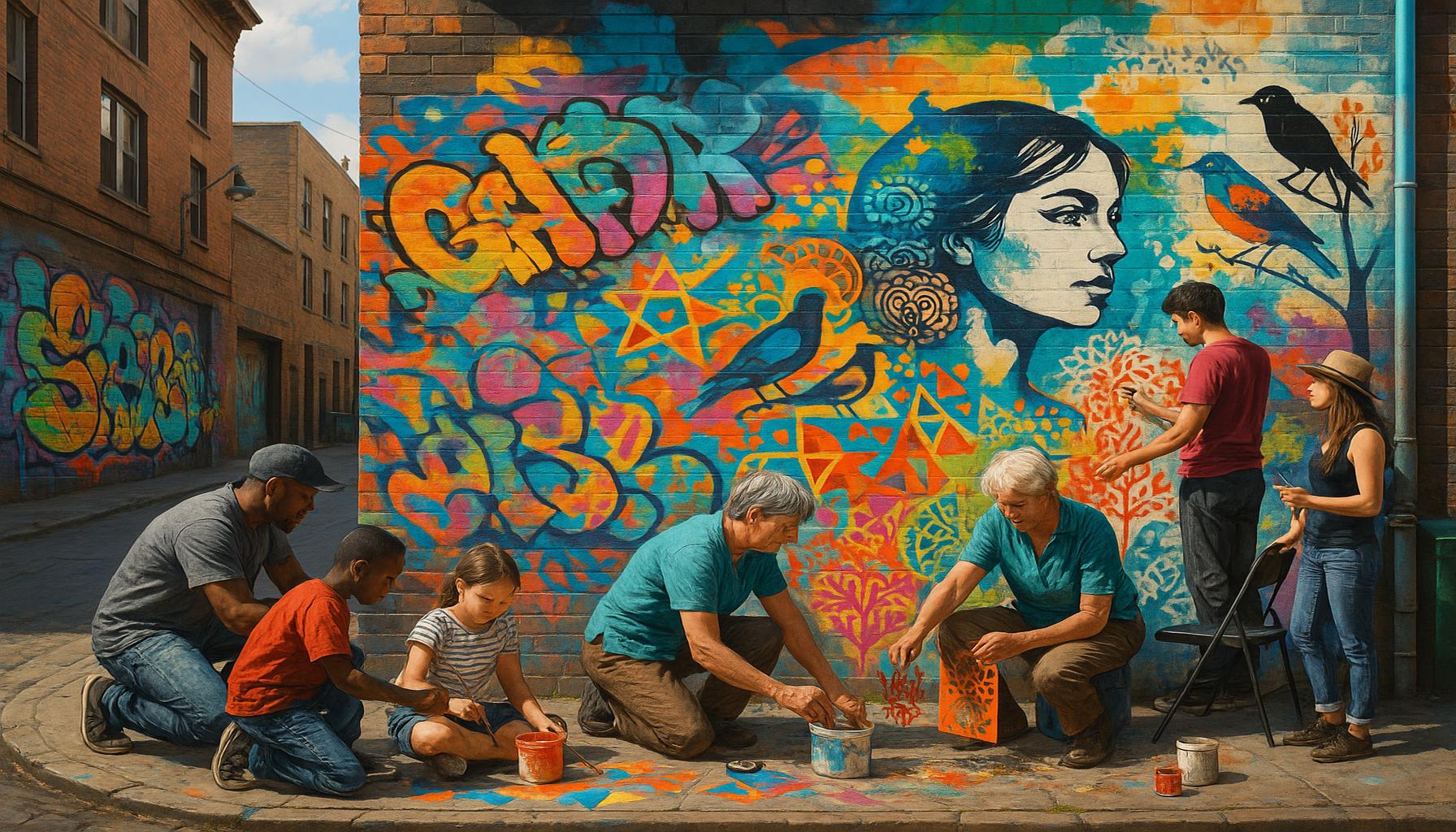
- Inclusivity: Street art transcends traditional barriers of art creation, enabling artists of various skill levels, backgrounds, and cultures to participate. It fosters a spirit of collaboration, where murals can emerge from community projects that bring together artists, local residents, and neighborhoods, often creating a shared sense of ownership and pride.
- Authenticity: Often, street art is born from personal narratives and social realities. For instance, artists like Keith Haring used hip-hop culture as a backdrop to address issues such as AIDS and racial discrimination. This authenticity resonates deeply with local narratives, making the art not just visually engaging but also emotionally stirring.
- Accessibility: Unlike conventional gallery art that might only be viewed in exclusive settings, street art is available to all, transforming city streets into open-air galleries. This public accessibility allows everyone—from passersby to tourists—to engage with the artwork and its underlying messages, creating a collective dialogue about societal issues.
In cities across the United States, significant hubs for street art, such as New York, Los Angeles, and Philadelphia, showcase this vibrant movement. For instance, New York City’s Bushwick neighborhood is renowned for its towering murals, while Los Angeles’ Arts District serves as a canvas for both established and emerging artists. These urban canvases have become essential components of cultural identity, often intertwining street art with movements like Hip Hop and various social justice initiatives.
Moreover, street art is increasingly seen as a response to societal challenges, tackling themes such as police brutality, climate change, and inequality. Artists like Banksy and Shepard Fairey challenge viewers to reconsider their perspectives on such pressing issues through provocative imagery. This engagement illuminates street art’s role as more than mere decoration; it acts as a conduit for expression that challenges norms and creates spaces for dialogue in urban communities.
As we continue to explore the evolution and impact of street art, it becomes increasingly clear that this art form is an essential lens through which we can view and understand the changing landscapes of our cities. It invites everyone to reflect on cultural narratives that often remain unseen, ultimately enriching our urban experiences.
DIVE DEEPER: Click here to uncover amazing origami techniques
The Rise of Street Art: A Historical Perspective
The story of street art is intertwined with the fabric of urban life, a narrative that unfolds against the backdrop of historical events, social movements, and cultural shifts. Initially rooted in graffiti—a form of expression that dates back to ancient civilizations—street art began to gain prominence in the late 20th century, particularly in New York City during the rise of the Hip Hop movement. Artists like Jean-Michel Basquiat and Keith Haring were among the pioneers who blurred the lines between street art and contemporary art, propelling the genre into the mainstream consciousness.
As the 1980s progressed, cities began to witness a surge in public art, with murals portraying everything from social commentary to political protests. This period marked the inception of street art as a powerful medium for storytelling and activism. Here are some key milestones that illustrate its evolution:
- The 1980s: The emergence of aerosol art characterized this decade. Artists utilized spray paint to express personal and cultural identities, while iconic works began to surface in urban neighborhoods, gaining visibility among diverse audiences.
- The 1990s: Street art became increasingly politicized, with artists like Shepard Fairey using their platforms to challenge societal norms. The popularity of exhibitions like ‘The Brooklyn Museum’s Art in the Streets,’ which showcased street artists, further legitimized the genre.
- The 2000s: Figures like Banksy and Shepard Fairey evolved from street artists to international icons. Their work not only explored aesthetic boundaries but also addressed pressing social issues, including war, inequality, and environmental concerns. In this era, street art became a global sensation, inspiring countless artists and communities.
- 2010s to Present: As legalization efforts took root and public murals flourished, street art emerged as cultural landmarks. Walls traditionally viewed as mere canvases became sites for communal expression and upheaval. Initiatives such as ‘The Mural Arts Program’ in Philadelphia highlighted this shift, leading to city endorsement of murals as valuable public art.
The inclusive nature of street art, which encourages participation from diverse artists and communities, has only intensified its relevance in contemporary society. From professional artists to neighborhood teenagers, the canvas of the urban space has become a reflection of collective identity, where each mural tells a story unique to its locale.
Moreover, street art’s ability to address societal themes plays a pivotal role in its enduring appeal. Artists harness their creative talents to comment on issues such as gentrification, discrimination, and environmental degradation. This unfiltered expression resonates with those who experience these challenges firsthand, providing a voice to the marginalized and fostering understanding among communities.
As we delve deeper into the impact and significance of street art, it becomes clear that this art form not only transforms urban landscapes but also enriches cultural discourse. In this ongoing evolution, street art remains steadfast as an authentic and inclusive means of expression within urban communities, propelling voices that echo the realities of city life.
The Role of Street Art in Urban Communities
Street art has transformed remarkably over the past few decades, evolving from mere graffiti to a multifaceted form of artistic expression. One key aspect is its role in conveying social messages, often reflecting the struggles, dreams, and aspirations of the communities in which it exists. Artists utilize public spaces as their canvas, allowing them to engage with a broader audience and to create dialogues about local issues, be it inequality, identity, or cultural heritage.Moreover, street art fosters inclusivity by giving voice to marginalized communities. Many artists hail from backgrounds that are often overlooked, and their works celebrate cultural diversity and promote social justice. This democratization of art not only brings attention to pressing issues but also encourages community participation in the artistic process. Murals can become collaborative projects where residents contribute ideas and artwork, leading to a sense of ownership and pride within the space.Additionally, the evolution of street art is linked to a growing acceptance of urban aesthetics. Cities around the world have begun to recognize the value of these artworks, often embracing them as part of their cultural identity. Events like street art festivals and legal walls allow artists to expand their reach, transforming urban spaces into vibrant hubs of creativity and self-expression, which ultimately enriches the community’s cultural fabric.Through this lens, street art emerges not just as a form of rebellion but as a vital means of engagement and community building in urban landscapes. Its ability to adapt and resonate with a diverse audience makes it an essential element in the evolution of contemporary art. As we delve deeper into this cultural phenomenon, it is crucial to explore the implications of such artistic expressions and how they continue to shape urban environments globally.
EXPLORE MORE: Click here for inspiration from new cultures
The Social Impact of Street Art: Bridging Communities
As street art continues to evolve, its role as a catalyst for social change has become increasingly pronounced. This art form has not only influenced individual artists but has also fostered a collective sense of belonging within urban communities. The ability of street art to transcend linguistic and cultural barriers makes it a vital tool for dialogue among diverse populations.
One of the notable examples of this phenomenon is the Detroit Community Murals Project. Initiated in 2014, this project invites local artists to create murals that reflect the stories, struggles, and aspirations of Detroit’s residents. These artistic endeavors have filled vacant buildings with vibrant imagery, transforming neglected spaces into showcases of cultural pride and resilience. Furthermore, initiatives like this serve to unite various demographics, bridging gaps between long-time residents and newcomers seeking connection in the ever-evolving city landscape.
Moreover, street art has become a significant form of activism. Artists today utilize urban canvases to amplify causes close to their hearts, from advocating for mental health awareness to protesting against systemic inequality. For instance, the “#BlackLivesMatter” mural painted on a prominent street in Washington, D.C., not only underscores the urgency of the movement but also serves as a visual rallying point for collective action. Such powerful statements captured on city walls resonate with passersby, turning everyday public spaces into realms of activism and awareness.
In many instances, street art also acts as an emotional refuge for communities. The murals offer an outlet of expression for residents grappling with personal and societal issues. For instance, the work of artists in Los Angeles’ Skid Row, where street art reflects the struggles and narratives of individuals experiencing homelessness, highlights the complexities of urban life. These heartfelt creations not only humanize the stories of marginalized populations but also invite empathy from viewers, encouraging civic engagement and understanding through artistic expression.
The remarkable capacity for street art to foster inclusivity also mirrors the evolution of technology. With the rise of social media platforms like Instagram and Twitter, artists have gained unprecedented access to a global audience. Street artists can share their work instantaneously, garnering support and collaboration opportunities that were previously unattainable. The democratization of art in this way allows aspiring artists from various backgrounds to showcase their talents, thus enriching the streetscape with diverse perspectives and styles.
Data collected by organizations such as Public Art Fund reveals that communities with active street art scenes report higher levels of community engagement, identifying public art as a magnet for cultural tourism and local pride. This not only stimulates local economies but also sparks dialogues about the histories and futures of these neighborhoods. Public murals become a testament to both the past and aspirations, bridging the disconnect between art and audience in an authentic way.
In reflecting on the trajectory of street art, it is evident that this form of expression acts as a mirror to societal conditions. By weaving personal narratives with broader themes of community and activism, street art has cemented itself as a vital resource for reflection, connection, and change in urban spaces. It remains a form of communication that celebrates the fabric of urban life, where creativity becomes a conduit for social dialogue and inclusion.
DIVE DEEPER: Click here to discover amazing origami techniques
Conclusion: The Dynamic Future of Street Art
In summary, the evolution of street art as an authentic and inclusive form of expression reflects its profound impact on urban communities. As street art transforms city landscapes, it serves not only as a means of individual expression but also as a vital platform for collective identity and activism. The ability of street artists to address pressing societal issues and celebrate diverse cultural narratives has fostered a sense of belonging among residents. Projects like the Detroit Community Murals Project illuminate how art can revitalize neglected spaces, making them emblematic of hope and resilience.
With technology enhancing visibility, artists have the opportunity to reach wider audiences, thus democratizing the art form. Social media makes it easier for talents from underrepresented backgrounds to share their unique voices, creating a multifaceted dialogue that enriches the urban art scene. Moreover, the connection between street art and economic revitalization highlights its potential as an engine for community engagement and cultural tourism.
As we look to the future, the ongoing evolution of street art prompts us to consider its lasting significance. It not only reflects societal challenges but also inspires action by engaging viewers in thought-provoking conversations. The streets are no longer just pathways; they are canvases filled with stories, dreams, and aspirations. Urban spaces will continue to thrive as vibrant cultural hubs through the lens of street art, proving that creativity knows no boundaries. For those wishing to explore the intersections of art and community, the world of street art offers an inviting portal filled with insights and inspiration.