Maximize Efficiency at Home How Minimalism Boosts Productivity

In the fast-paced world we live in, maintaining focus and productivity can be a challenging task. More people are discovering that by embracing minimalism, they can create environments that not only inspire but also enhance their efficiency at home. By stripping away the excess and prioritizing what truly matters, individuals can foster a workspace that serves as a catalyst for productivity.
With a minimalistic approach, clutter and distractions are significantly reduced, allowing for better concentration. This shift can lead to benefits such as:
- Improved focus – Less chaos means enhanced clarity in thoughts.
- Reduced stress – A calming environment promotes well-being.
- Enhanced creativity – Clear spaces can improve creative thinking.
- Boosted motivation – An organized space encourages action.
- Better time management – Fewer distractions lead to increased efficiency.
In this article, we will explore the essential elements of minimalism and its role in personal organization. Prepare to discover the Top 5 strategies for implementing minimalism in your home and transforming your productivity levels. Remember, achieving an efficient space is not about having less, but about making room for more of what truly matters.
Top 5: Creating Efficient Spaces – The Role of Minimalism in Enhancing Productivity at Home
In today’s fast-paced world, where distractions are as ubiquitous as air, the pursuit of productivity is no longer a mere afterthought but a vital necessity. This growing emphasis has propelled minimalist principles to the forefront, offering an antidote to chaos through simplicity and intentional living. Minimalism traces its roots back to the ancient philosophies of intentional simplicity, and in the modern era, it has become a clarion call for those seeking to optimize their environments for better efficiency. This detailed exploration uncovers how minimalism can revolutionize your living space and significantly enhance your productivity at home.
5. Simplified Storage Solutions
In the realm of minimalism, simplified storage solutions shine as the unsung heroes. Clutter often acts as an invisible productivity barrier, clouding judgment and focus with its mere presence. By adopting strategic storage solutions, you can transform chaos into calm. Consider a bedroom where the bed doubles as a storage unit, providing a discreet place to keep seasonal items that would otherwise occupy precious closet space. Such furniture is not only innovative but quintessentially minimalist in function.
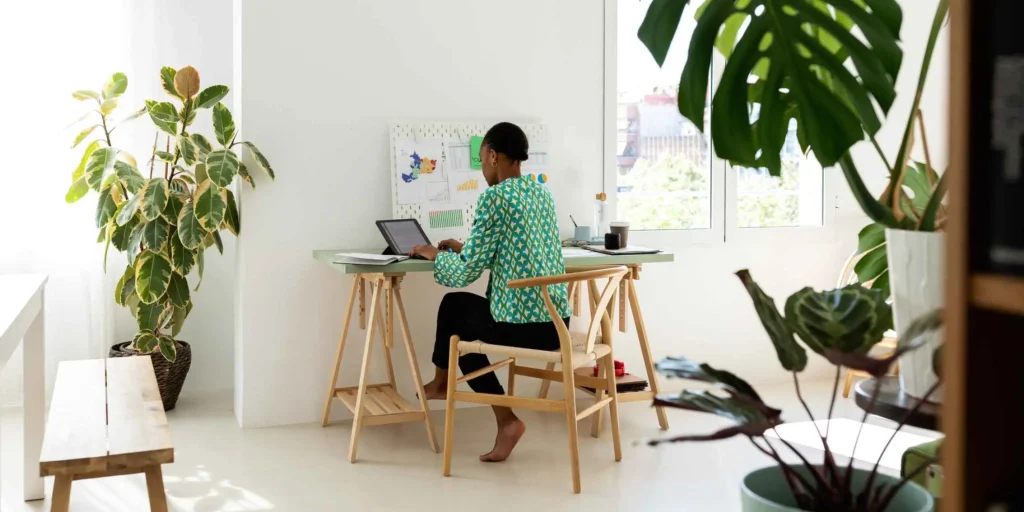
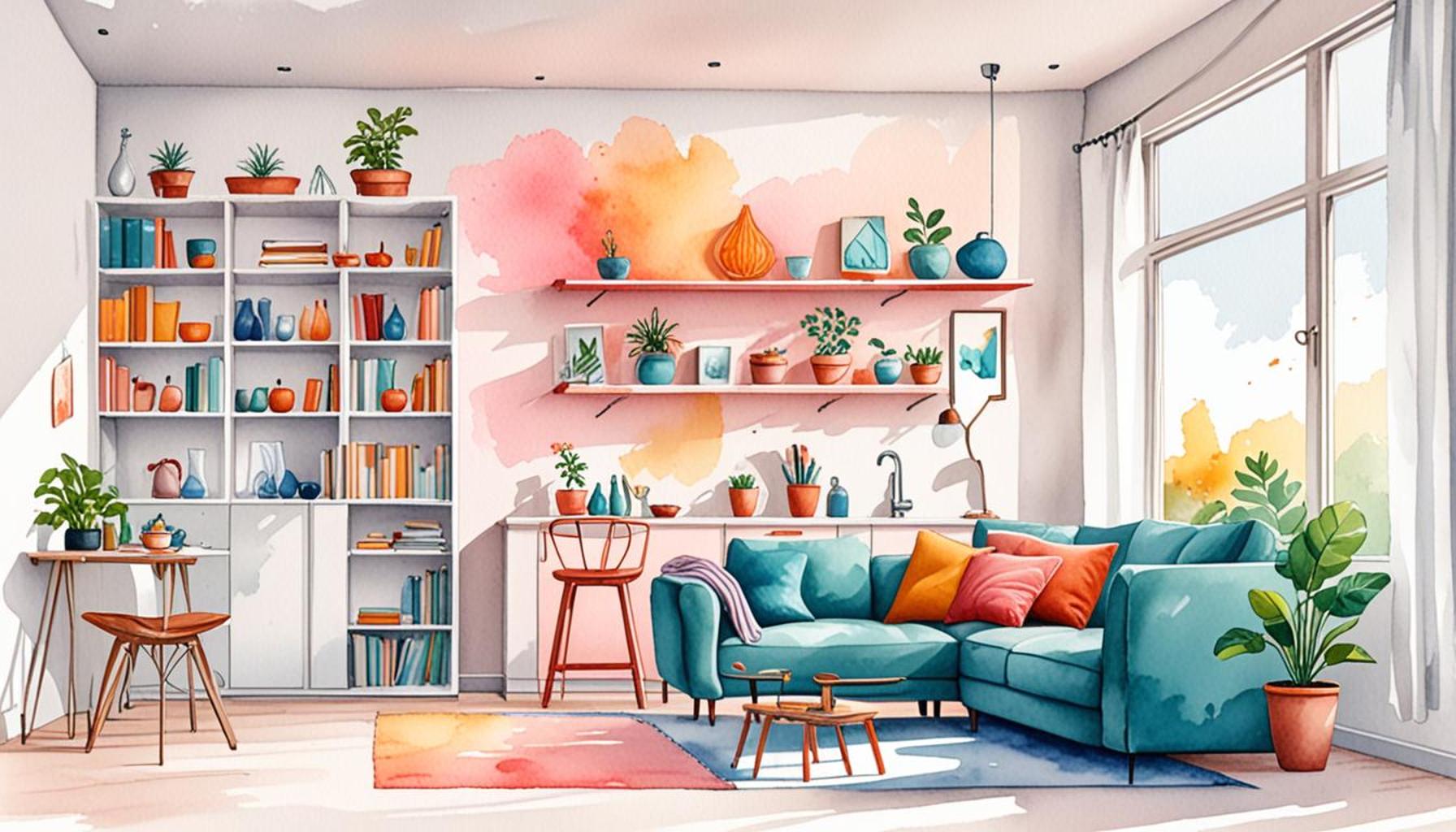
Wall-mounted shelves are another game-changer, opening up floor space and offering a sleek alternative for displaying essential items without overwhelming the room’s aesthetic. Similarly, minimalist storage boxes help maintain order for smaller belongings, ensuring everything has a dedicated place.
The key is discernment in knowing what you truly need versus items that serve no current purpose. By storing these necessities out of sight, your space feels more organized, enabling you to tackle your daily tasks with unprecedented fluidity.
4. Designated Work Zones
A cornerstone of productive minimalism is the creation of designated work zones. In home environments, especially for remote workers, distinguishing work areas from leisure spaces can drastically improve focus and productivity. This approach goes beyond merely having a home office; it is about intentional spatial planning.
Selecting a serene corner for focusing tasks shields you from the incessant interruptions commonplace in multi-use spaces. Natural light plays a pivotal role here; it not only brightens your workspace but also has been shown to boost mood and concentration levels. Ergonomic furniture is also indispensable in these zones, ensuring physical comfort during prolonged work sessions, thereby reducing the risk of fatigue-induced errors.
By clearly defining zones for work, relaxation, and family time, you cultivate a healthy work-life balance, which is imperative for long-term well-being and productivity.
3. Mindful Decoration
Decoration within a minimalist home is not an act of mere embellishment but one of deliberate intention. Mindful decoration provides an environment that fuels inspiration and focus rather than distraction and disarray. Start by choosing a select few statement pieces — perhaps a painting that speaks volumes or a family photograph that sparks warmth and nostalgia. The fewer items that vie for your attention, the more profound their impact.
Utilizing neutral colors such as whites, greys, or soft earth tones cultivates a tranquil and serene atmosphere conducive to productivity. Incorporating natural elements like wood and stone into decor provides warmth while also grounding the space. Houseplants can also enrich the environment by purifying the air and offering a splash of natural beauty.
In this vein, decoration is not merely about visual appeal. It engages the mind, offering clarity and peace that aid focus and creative thinking.
2. Decluttering Regularly
The heart of minimalism beats in the routine practice of decluttering. To sustain an efficient and enabling environment, it’s essential to routinely evaluate and pare down belongings that no longer serve a functional or emotional purpose.
Decluttering not only reduces physical clutter but also diminishes the psychological noise associated with overcrowded spaces. Regular purging sessions help ensure that your space remains aligned with your current needs and intentions. This is not a one-time event but an ongoing process that leads to decreased stress levels and an uncluttered mind, making it easier to concentrate on tasks that truly matter.
Moreover, the act of decluttering instills a sense of accomplishment and control over one’s environment, which fuels motivation and productivity.
1. Minimalist Mindset
At the zenith of creating efficient spaces lies the minimalist mindset. This philosophy transcends the material realm, influencing thoughts, habits, and life outlook. Adopting a minimalist mindset is akin to embracing a life of intentionality and focus, shifting from the superfluous to the essential.
The journey involves choosing quality over quantity, fostering relationships, and committing to tasks that resonate with your values and aspirations. Making intentional choices allows you to spend your energy on goals and paths that satisfy your deepest aspirations, rather than getting lost in the noise of abundance.
Happiness derived from simplicity can often eclipse that of material pursuits, as the clarity achieved through minimalism opens avenues for deeper fulfillment and joy. This mindset imbues every facet of life with purpose-driven action, enhancing not just space, but overall personal growth and satisfaction.
In conclusion, minimalism creates environments that not only simplify life but significantly boost productivity. By integrating these five principles, you can design a home that’s a sanctuary for efficiency and creativity—transforming potential chaos into a realm of peaceful and purposeful productivity. The journey toward a minimalist home promises not only an organized space but also a more balanced and effective lifestyle.
| Category | Details |
|---|---|
| Clutter Reduction | Minimalism encourages the elimination of unnecessary items, creating a less distracting environment that can significantly improve focus and clarity. |
| Enhanced Creativity | Open spaces foster creativity by allowing the mind to roam freely without being hindered by visual overload. |
| Improved Time Management | An organized environment supports efficient navigation, reducing the time spent searching for items and enabling quicker transitions between tasks. |
| Mental Clarity | A minimalist approach promotes a sense of calm and clarity, helping to reduce stress levels and allowing individuals to focus on their work with greater efficacy. |
Frequently Asked Questions About Minimalism and Productivity
How does minimalism contribute to productivity at home?
Minimalism emphasizes the removal of clutter and unnecessary items, creating a more organized and serene environment. This can significantly reduce distractions and mental overload, allowing individuals to focus better on their tasks. Research indicates that a clutter-free space can enhance cognitive performance and concentration, ultimately boosting productivity.
What are some practical steps to start implementing minimalism in my home office?
Begin by evaluating which items are essential and which are merely taking up space. Consider adopting the philosophy of “less is more” by retaining only items that serve a clear purpose or bring joy. Investing in multifunctional furniture can help maintain a streamlined space. Experts suggest starting with a single area, such as your desk, and gradually expanding minimalism to the entire room to maintain positive momentum.
Can minimalism improve mental well-being along with productivity?
Absolutely. Minimalism is not just about physical spaces but also mental clarity. By reducing clutter, you can alleviate stress and anxiety, potentially leading to improved mental well-being. A clean, minimalist environment can foster a calming atmosphere, which research shows may enhance motivation and emotional health, contributing positively to both work and personal life.
Is it possible to be too minimalistic, and how can one find the right balance?
While minimalism can offer numerous benefits, there’s a risk of becoming too stringent, which might lead to discomfort or a lack of personal expression. It’s essential to find a balance that accommodates personal needs and preferences. The key is to maintain functionality and comfort, ensuring that the space remains conducive to productivity without feeling overly sterile or impersonal.
Conclusion
In today’s fast-paced world, the practice of minimalism in home spaces is no longer just a trend but a necessity to improve productivity. By deliberately choosing simplicity and order, individuals can create environments that support focus and efficiency. The article has explored how minimalism can strip away distractions and foster a space where creativity and productivity thrive.
First and foremost, reducing clutter emerged as a critical factor. By minimizing physical distractions, individuals can focus more on tasks and enhance their ability to concentrate. Additionally, strategic organization plays a crucial role in ensuring that every item has a purpose and place, ultimately simplifying everyday routines.
The article also highlighted the significance of intentional design choices. By selecting furniture and decor that promote peace and functionality, one can cultivate an environment that aligns with their work needs while remaining aesthetically pleasing. This approach not only boosts productivity but also enhances mental well-being, reducing stress and increasing satisfaction in one’s work and personal life.
Moreover, the psychological benefits of a minimalist space cannot be overstated. A clutter-free environment has been shown to improve mood and cognitive function, thereby directly impacting work performance. This highlights the link between physical space and mental state, emphasizing the importance of mindful decluttering and design.
Final Thoughts
In conclusion, creating efficient spaces with minimalism is not just about removing excess, but about making thoughtful choices that enhance overall productivity and quality of life. This approach encourages individuals to reassess their living environments and prioritize what truly matters. As minimalist spaces continue to gain popularity, embracing their principles can lead to profound personal and professional growth.
The journey towards a minimalist home is a personal one, and its potential to unlock hidden productivity and satisfaction is immense. As each person navigates their path, the lessons of minimalism offer timeless guidance in achieving efficiency and balance in home spaces.