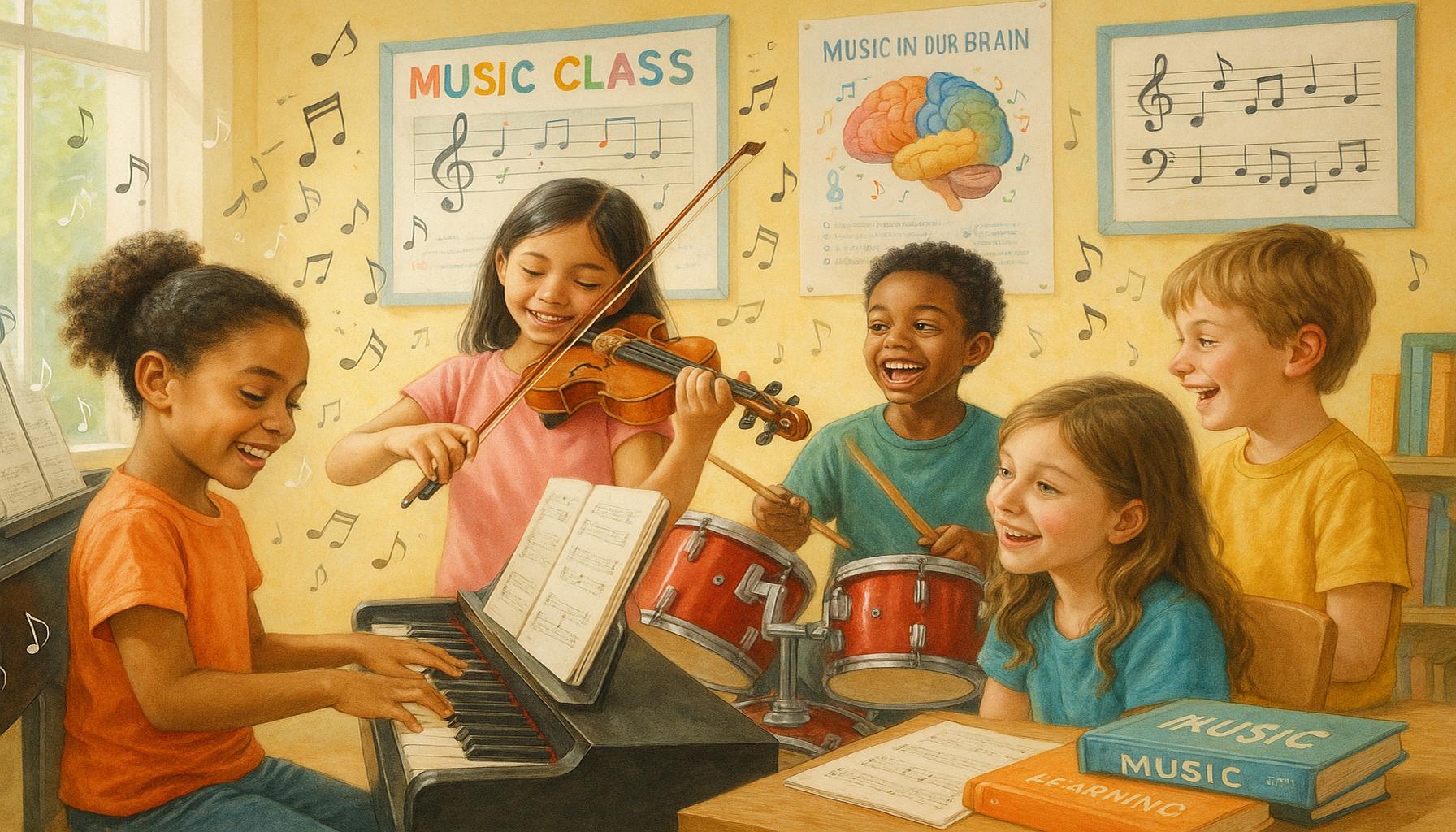
How Playing a Musical Instrument Can Reduce Stress and Increase Well-Being

The Impact of Musical Engagement on Mental Health
Engaging in music is often viewed merely as a pastime, but its impact stretches far beyond simple enjoyment. For many, grasping a guitar, pressing piano keys, or even tapping on a drum can serve as a vital means of addressing the overwhelming pressures of modern life that plague mental well-being. By immersing oneself in musical activities, individuals can access a spectrum of benefits that significantly contribute to a healthier and more balanced mind.
Reduces Anxiety
One of the standout advantages of playing a musical instrument is its capacity to reduce anxiety. The repetitive motions of playing an instrument not only occupy the mind but also create a sense of rhythm and flow that can effectively quiet anxious thoughts. For instance, guitarists often describe the experience of strumming as meditative, allowing them to escape from their worries and immerse themselves in the music. Individuals struggling with anxiety disorders have reported that regular practice can lead to lower levels of stress hormones, enhancing their ability to cope with life’s daily challenges.
Enhances Mood
Musical creativity also plays a crucial role in enhancing mood. When someone composes music or even engages in simple improvisation, their brain releases dopamine—the “feel-good” neurotransmitter. This phenomenon is not just a theory; numerous studies have shown that performers, whether on stage or in their living rooms, experience heightened feelings of joy and satisfaction. The communal aspect of music-making, such as jamming with friends or participating in local music groups, further amplifies these positive emotions, creating a supportive social environment.
Boosts Cognitive Function
Moreover, learning to play an instrument can significantly boost cognitive function. It requires coordination, memory, and the ability to decode complex patterns, all of which sharpen problem-solving abilities and enhance memory retention. Research has shown that children who learn instruments often perform better in math and reading tasks compared to their non-musical peers. For adults, learning a new instrument also stimulates brain activity, potentially reducing the risk of cognitive decline as they age. This cognitive engagement not only fosters personal growth but also creates a deeper appreciation for the nuances of music.
Cultural Significance of Music
On a broader scale, music holds a profound cultural significance in the United States. Genres such as jazz, blues, country, and hip-hop are deeply embedded in the country’s fabric, symbolizing historical narratives and shared experiences. For example, the thriving music scene in cities like New Orleans, known as the birthplace of jazz, showcases how local cultures utilize music to cultivate community ties. In essence, music becomes not only a personal reprieve but also a collective experience, fostering a sense of belonging among its participants.

Conclusion
Incorporating musical engagement into daily routines can lead to enhanced emotional resilience and a more fulfilling life. The act of playing an instrument is a transformative journey, turning stress into serenity and inviting creativity into every aspect of one’s existence. As you explore more about music’s multifaceted benefits, consider picking up an instrument and discovering the depths of its impact on both your mind and your community.
DIVE DEEPER: Click here to discover more inspiration
The Therapeutic Effects of Music on the Mind
The benefits of playing a musical instrument extend far beyond simply learning notes and chords. Engaging with music can be a powerful tool for promoting mental health and emotional resilience. As research increasingly suggests, the act of making music offers a unique combination of expressive outlet and cognitive engagement that can significantly reduce stress and enhance overall well-being.
Provides a Creative Outlet
One of the primary ways that playing an instrument helps alleviate tension is by providing a creative outlet for expression. In rushing through the demands of daily life, many individuals find it challenging to articulate their emotions, leading to feelings of frustration or suppressed stress. Music fills this gap by allowing players to express their thoughts and feelings in a non-verbal manner. Whether it’s the soothing melody of a piano or the energetic beats of a drum, the music one creates often reflects their deepest emotions, providing a sense of relief and understanding.
Physical Benefits and Relaxation
Furthermore, learning to play an instrument can introduce notable physical benefits that promote relaxation. Engaging with music activates various systems within the body that foster a state of calm. Playing an instrument often involves deep breathing, which is known to reduce levels of anxiety and stress. Here are several physical benefits linked to musical engagement:
- Lower heart rate: Music has been shown to help regulate the heart rate, promoting a state of tranquility.
- Reduced muscle tension: Playing music can lead to relaxation of the muscles, decreasing physical manifestations of stress.
- Improved respiratory function: The breath control required in music can lead to more efficient breathing patterns.
By marrying these physical responses with emotional expression, playing an instrument offers a holistic approach to stress relief. It’s important to note that this does not only apply to those already experienced in music; even beginners often find that the simple act of learning and practicing yields substantial improvements in mood and emotional clarity.
Connection with Others
Another evocative aspect of musical engagement is the opportunity for social connection it fosters. Engaging in music, whether through informal jam sessions, band participation, or community music classes, promotes a sense of belonging and shared purpose. In a culture increasingly defined by isolation due to technology, the rediscovery of live music-making serves as a refreshing remedy. Those who play together not only create music but also cultivate relationships that build resilience against the stressors of life.
As detailed, the multifaceted impact of playing an instrument includes emotional expression, physical relaxation, and social connection, all of which contribute significantly to reducing stress and enhancing well-being. These elements together paint a compelling picture of why picking up that long-forgotten instrument could be a transformative choice for anyone seeking greater balance in life.
Exploring the Impact of Music on Mental Health
Playing a musical instrument has long been known to be a source of joy, but recent studies reveal its profound effects on mental health. Engaging in music can cultivate mindfulness and promote emotional expression. Research indicates that regular practice can evoke feelings of happiness and achievement, substantially reducing anxiety levels. The rhythmic patterns and melodies produced by instruments create a unique meditative experience, allowing individuals to escape daily pressures and immerse themselves in creativity.Furthermore, music has a remarkable ability to stimulate the brain, enhancing cognitive functions. When you play an instrument, you engage multiple areas of the brain simultaneously, fostering improved concentration and memory. This cognitive workout not only benefits musicians but also translates to better mental acuity in daily tasks.Moreover, social interaction through music—whether in bands, orchestras, or casual jam sessions—encourages connections with others. These relationships can bolster feelings of belonging and support, which are integral for emotional well-being.With the right instrument in hand, individuals can embark on a journey of self-discovery and personal growth. The therapeutic effects of music reinforce its role as an essential ally in combating stress and promoting overall health. To further explore how playing an instrument can transform your life and well-being, consider diving into the statistics and anecdotes that shed light on this vibrant topic.
| Advantages | Effects on Well-Being |
|---|---|
| Stress Reduction | Engaging with music redirects focus, leading to a natural reduction in stress levels. |
| Enhanced Emotional Expression | Playing music allows for the release of emotions and fosters a deeper understanding of self. |
Incorporating music into daily life can become not just a hobby, but a vital part of self-care and emotional health maintenance. Explore various instruments and musical styles to uncover the healing potential that lies within the world of music.
DISCOVER MORE: Click here to dive into the world of felt crafting
The Cognitive Benefits of Musical Engagement
In addition to the emotional, physical, and social perks of playing an instrument, there are also significant cognitive benefits that contribute to reduced stress and improved well-being. Engaging with music stimulates multiple areas of the brain, leading to enhanced mental clarity and focus. Furthermore, research indicates that learning to play an instrument can foster creativity and resilience, qualities that play a crucial role in managing stress.
Enhancing Mental Acuity
Playing a musical instrument requires the brain to process complex auditory information, coordinate motor skills, and engage in critical thinking. Studies performed at institutions like the University of California, Los Angeles (UCLA), reveal that musicians often display heightened cognitive abilities, including better memory and improved problem-solving skills. These cognitive enhancements have a profound effect, as players are not only able to tackle everyday challenges with greater ease but also build a mental framework that supports resilience against stress.
Stress Reduction through Mindfulness
Another noteworthy aspect of playing an instrument is its ability to promote mindfulness, a practice proven to reduce anxiety and improve mental health. As musicians focus on the notes, rhythms, and technical aspects of their instrument, they enter a flow state—a mental space characterized by complete immersion and concentration. This state of mindfulness encourages players to let go of daily anxieties and immerse themselves in the music, thereby reducing stress levels. A study published in the journal “Psychological Reports” found that music-making can invoke relaxation responses akin to those achieved through meditation.
Facilitating Emotional Regulation
Moreover, the act of playing an instrument is intrinsically linked to emotional regulation. Musicians often develop a greater awareness of their emotional responses, allowing them to better navigate feelings of stress or anxiety. Engaging in music has been observed to induce the release of dopamine, a chemical in the brain that promotes feelings of pleasure and reward. A report from the National Institutes of Health (NIH) confirms that active music engagement may serve as an effective means of enhancing mood and mitigating depressive symptoms, driving home the idea that music can truly be medicine for the soul.
Inspiring Lifelong Learning and Growth
Taking up an instrument can lead to a journey of lifelong learning, which continuously provides opportunities for mental and emotional growth. The pathway to mastering an instrument is littered with challenges—little hurdles that, when overcome, boost self-esteem and provide a sense of accomplishment. This positive feedback loop not only reduces stress but also reinforces resilience, teaching individuals how to cope with and overcome obstacles in their general lives. It’s a skill set that extends beyond music, instilling a “growth mindset” that can benefit all areas of life.
The rich array of cognitive benefits associated with playing a musical instrument further solidifies its role as a powerful tool for stress reduction and enhanced well-being. With improvements in mental acuity, emotional regulation, and mindfulness, the practice of making music transcends mere recreation, offering a multidimensional approach to a healthier, balanced life.
DISCOVER MORE: Click here to dive into culinary nostalgia
Conclusion
In conclusion, the transformative effects of playing a musical instrument extend far beyond mere entertainment; they encompass a holistic approach to stress reduction and enhanced overall well-being. By engaging with music, individuals can experience profound emotional regulation, cognitive enhancement, and a deep sense of mindfulness. The interplay between creativity and problem-solving fosters resilience, enabling players to navigate the complexities of everyday life with greater ease.
Furthermore, the emotional benefits associated with making music—such as increased dopamine release—highlight the intrinsic link between musical engagement and improved mental health. As individuals learn and grow on their musical journey, they not only build self-esteem and confidence but also cultivate a “growth mindset” applicable to various life situations. This continuous process of learning and self-discovery contributes to an enriching lifestyle that embraces challenges as opportunities for growth.
The findings surrounding the therapeutic effects of music are backed by research and reinforce the notion that investing time in learning an instrument can be an invaluable path to achieving mental clarity and emotional stability. As stress continues to be a prevalent issue in today’s fast-paced world, incorporating musical practice into daily routines may serve as a strategic tool for improving quality of life. With these compelling insights, it becomes evident that embracing music as a part of our lives is not merely a hobby; it is a profound step towards fostering a healthier, more balanced existence.