How Musical Practice Can Improve Interpersonal Communication
Connecting Through the Universal Language
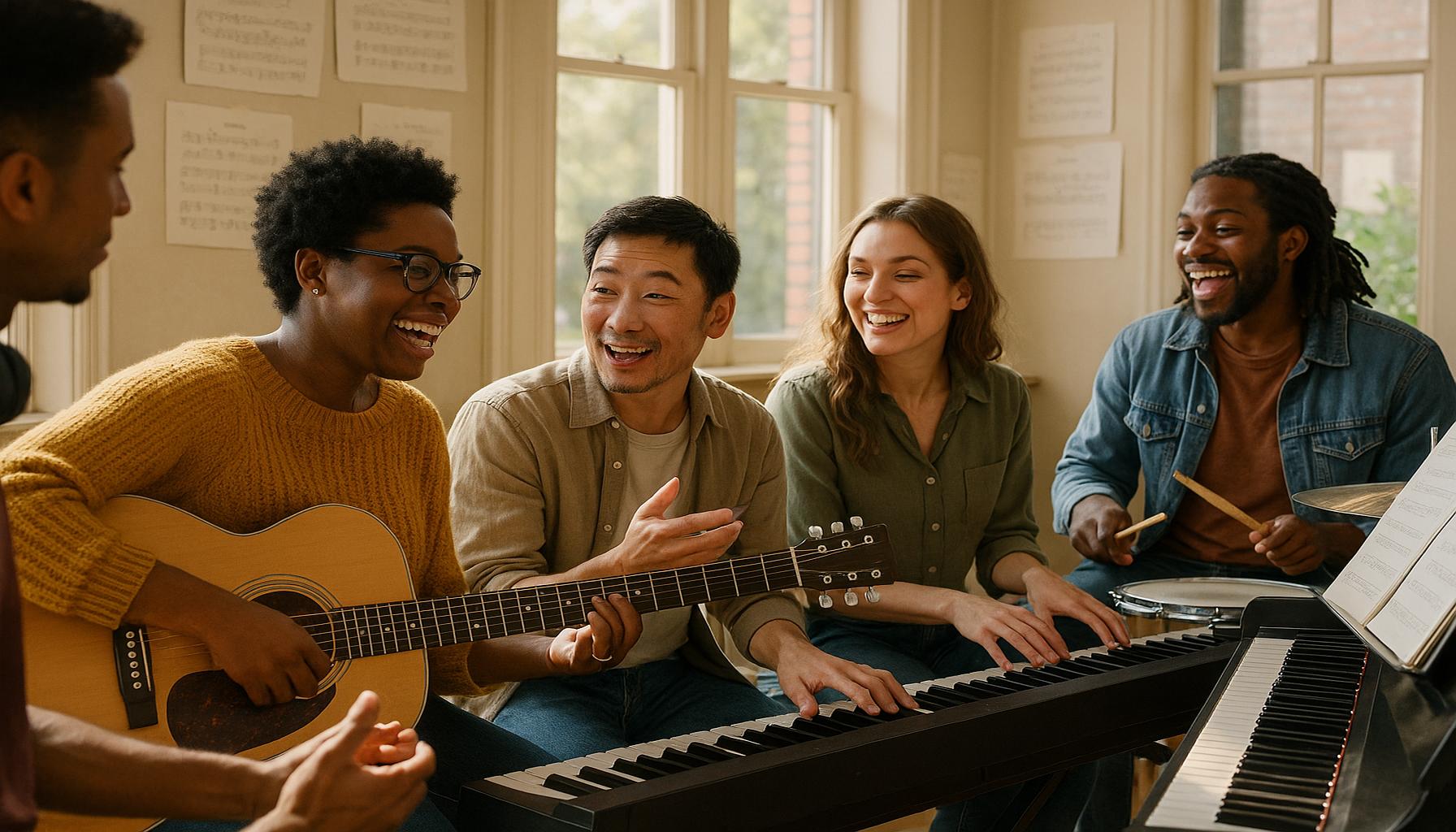
Imagine entering a lively space where the air is thick with anticipation, and your senses are enveloped by the rich sounds of instruments and voices. In that moment, you can feel the weight of isolation lift, replaced by a sense of community. This is not merely coincidence; it is the transformative power of music. Music has long been recognized as a universal language, capable of transcending geographical, cultural, and emotional boundaries. Whether you’re strumming a guitar with friends around a campfire or singing in a community choir, the act of making music together not only creates beautiful sounds but also fosters deep interpersonal connections.
Engaging with music can:
- Enhance listening skills: Music is inherently collaborative, requiring active participation and focused listening. This attentive engagement sharpens our ability to understand nuances in conversation and recognize subtleties in others’ expressions.
- Promote emotional expression: Through instruments or the human voice, individuals can convey complex emotions, transforming unspoken feelings into shared experiences. For instance, a heartfelt ballad can articulate what words often fail to express, creating a bond among listeners and performers alike.
- Encourage teamwork: Many musical endeavors depend on synchronization and harmony, teaching participants the importance of working together towards a common goal. Whether in large orchestras or smaller bands, each member plays a crucial role in the overall product, reinforcing a sense of unity.
Research supports the notion that individuals involved in musical activities often exhibit better interpersonal skills than their non-musical counterparts. For example:
- When performing collaboratively, musicians often resolve conflicts more effectively, as they must compromise and adjust to each other’s needs in pursuit of a cohesive performance.
- Engaging with lyrics or narratives heightens empathy, as musicians typically interpret personal or societal themes, leading to a deeper understanding of diverse experiences.
- Musical practice requires versatility, as musicians frequently adapt to changing situations, which enhances their adaptability in various social contexts.
In today’s fast-paced and often disconnected world, the power of music as a bridge to human connection becomes increasingly significant. Programs like community band workshops or local choirs illustrate how music serves not only as an artistic outlet but also as a vital tool for building relationships. Through these shared experiences, individuals forge connections that can last a lifetime, illustrating that the beauty of music transcends mere enjoyment; it establishes a platform for understanding and empathy.
In conclusion, as we delve into the multiple dimensions of musical practice and its role in enhancing interpersonal communication, it becomes evident that the rhythm of music reverberates far beyond the notes themselves, shaping our connections and enriching our lives in profound ways.

DIVE DEEPER: Click here to discover how technology is reshaping art
The Mechanics of Musical Interaction
Understanding how musical practice enhances interpersonal communication begins with examining the mechanisms at play when individuals engage in collaborative musical activities. Each note played or sung carries with it an unspoken set of interactions, fostering a unique environment that promotes connection. Those who participate in these activities don’t just become skilled musicians; they become adept communicators as well.
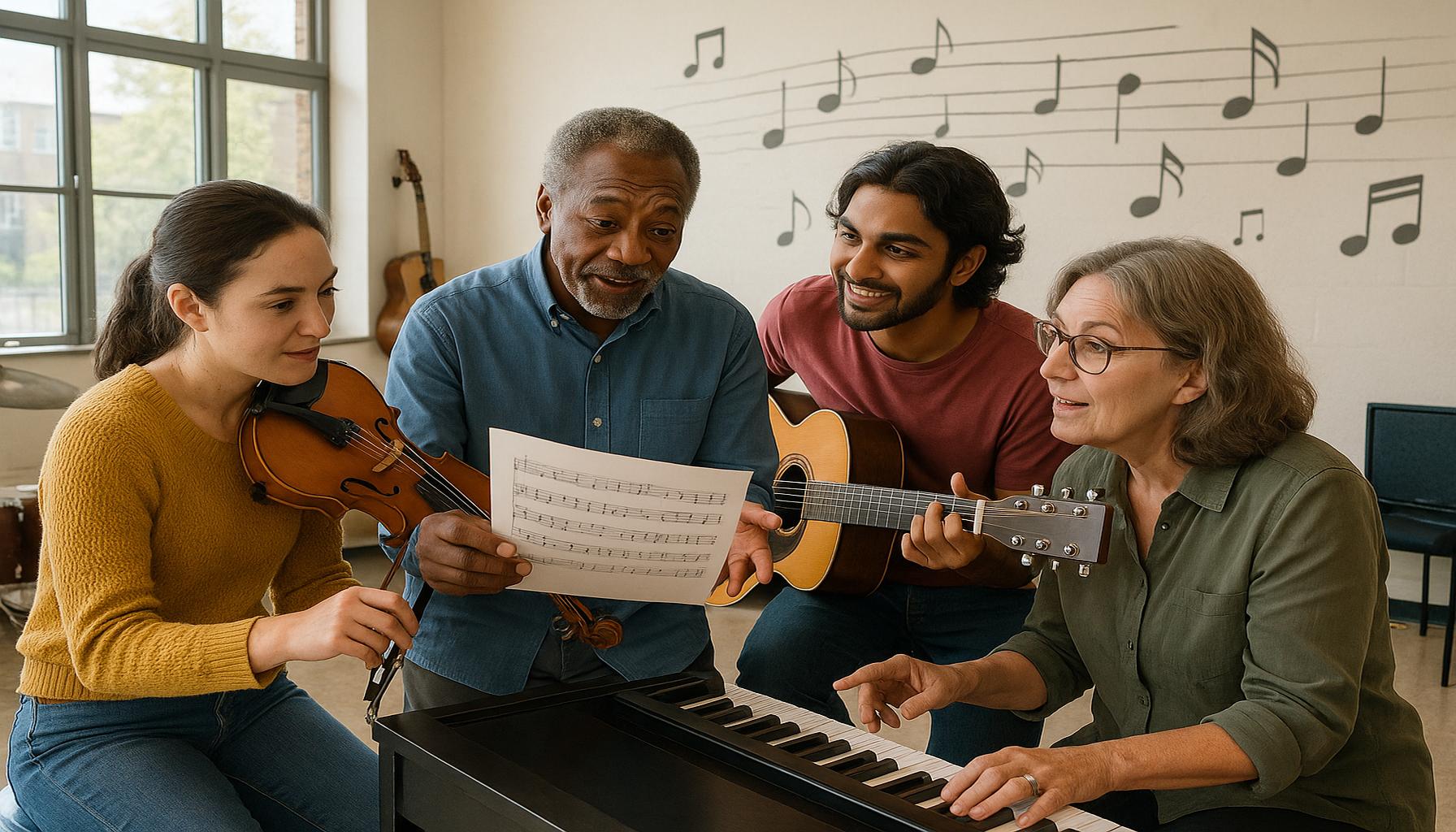
One of the most profound ways music shapes communication is through the development of active listening skills. In a typical ensemble, whether it’s a jazz band or a string quartet, musicians must pay attention not only to their own part but also to the contributions of their fellow performers. This constant awareness is akin to being in a conversation where listening is paramount. As they practice together, musicians learn to pick up on subtle cues, whether it’s the slightest change in tempo or a nuanced emotion conveyed through dynamics. This heightened sense of awareness translates to improved communication in everyday interactions, where understanding verbal and non-verbal cues allows for more effective exchanges.
Furthermore, music serves as a powerful medium for emotional expression. When musicians gather to perform, they often share much more than just melodies; they share their feelings, experiences, and personal stories. The lyrics of a song can encapsulate complex emotions that resonate deeply with both performers and their audiences. For instance, a moving rendition of a classic folk song can invoke feelings of nostalgia, pain, or joy. These emotional revelations create a shared experience, deepening bonds among participants in a way that words alone may not achieve. As individuals explore the emotional depth of music, they naturally become more comfortable expressing their own feelings and understanding those of others, a critical aspect of effective interpersonal communication.
The practice of music also fosters the spirit of teamwork. In orchestras, choirs, and bands, each musician plays a vital role that contributes to the overall sound. What happens when a member struggles to keep pace? The remaining musicians often adjust their playing to support their colleague. This collaboration teaches resilience, adaptability, and the need for mutual respect. Learning to cooperate toward a common musical goal instills the understanding that communication is a two-way street. Just as musicians synchronize their rhythms and melodies, individuals can learn to navigate their social environments with empathy and consideration.
Moreover, engaging with diverse musical genres expands one’s ability to connect with varying perspectives and cultural backgrounds. In the United States, genres like jazz, blues, and country reflect the rich tapestry of the nation’s history and experiences. Participating in these musical traditions allows individuals to appreciate not only the art form but also the stories and emotions behind them. This awareness cultivates a sense of empathy and encourages individuals to become more open-minded in their interpersonal relations.
In summary, the intricate connections formed through musical practice illustrate how deeply music intersects with communication. By honing listening skills, promoting emotional expression, and fostering teamwork, music opens doors to enriched interpersonal relationships and a better understanding of the world around us. The rhythm of our shared experiences paves the way for enhanced connections and more meaningful conversations, bridging any gaps that may exist in our increasingly divided society.
How Musical Practice Can Improve Interpersonal Communication
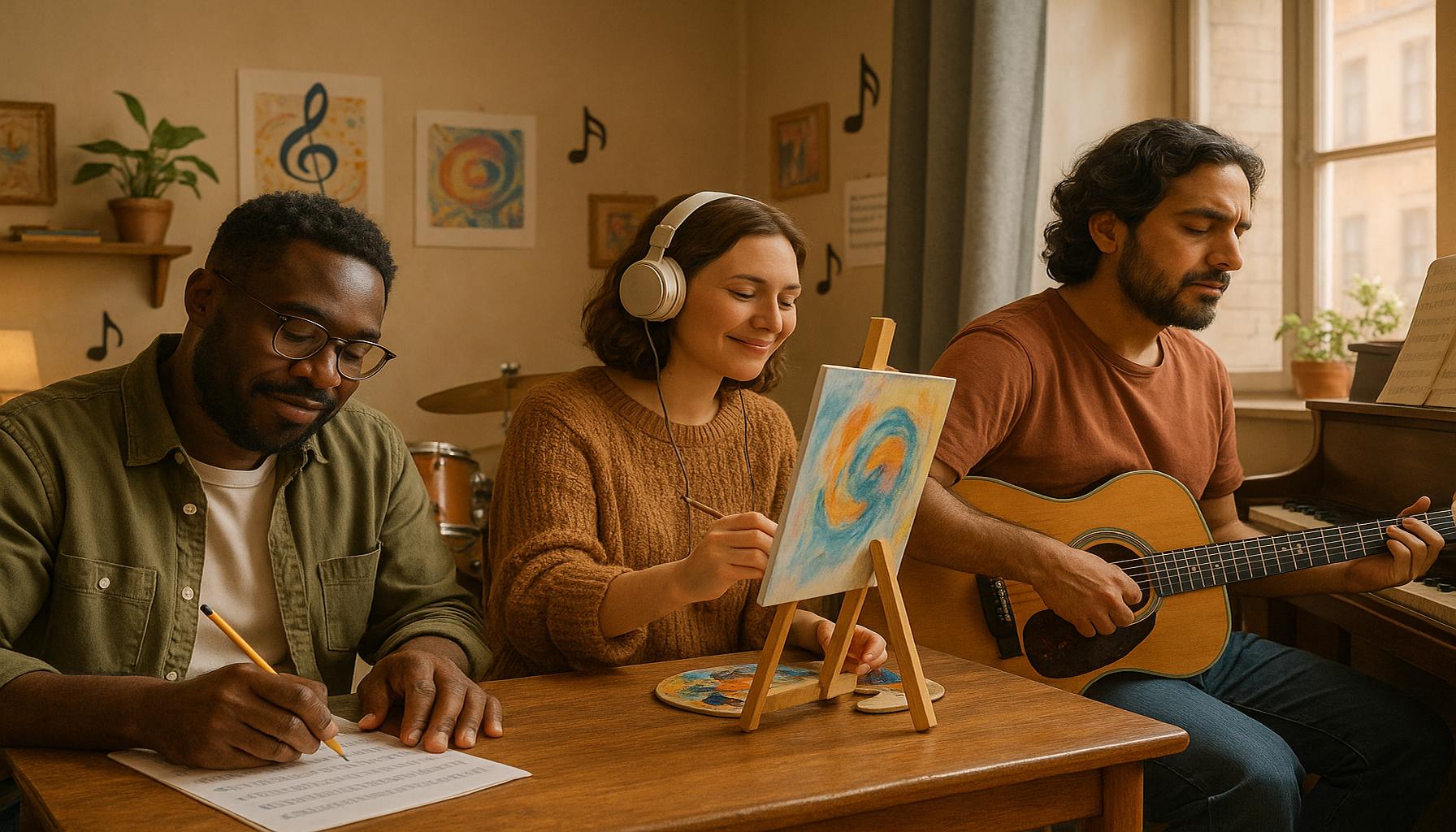
Musical practice is not just a means of creative expression; it serves as a powerful tool for enhancing interpersonal communication skills. Engaging in music requires collaboration, active listening, and sharing emotions, all of which are crucial components of effective communication. Through group musical activities like band rehearsals, choir sessions, or ensemble playing, individuals learn to navigate social dynamics, develop empathy, and communicate non-verbally. When musicians come together, they must exhibit a high level of communication awareness, adjusting their playing or singing based on the responses of their peers. This back-and-forth interaction fosters an environment where members feel connected, reducing barriers and promoting openness. The complexities of timing, tempo, and dynamics in music also encourage participants to become more attuned to subtle cues from others, contributing to a deepened understanding of shared experiences.Moreover, the emotional component of musical practice enriches interpersonal exchanges. When individuals express their feelings through music, they create a space for vulnerability and sincerity, facilitating deeper connections. Practicing music can therefore act as a bridge to enhance verbal interactions, making conversations more engaging and meaningful.To further illustrate this concept, it is important to consider how musical training can improve specific communication skills. For example, musicians often excel in listening comprehension, crucial for responding appropriately in conversations. The ability to interpret and respond to musical phrases can translate to improved conversational skills in everyday interactions. Additionally, the discipline required in musical practice fosters patience and perseverance, qualities that are essential in nurturing healthy relationships. As individuals learn to collaborate and compromise within a musical context, they become more adept at resolving conflicts and understanding diverse perspectives in social settings.By harnessing the benefits of musical practice, individuals can cultivate more effective communication skills that transcend verbal exchanges. Consequently, participating in musical activities not only enhances personal growth but also promotes stronger, more resilient interpersonal connections that are vital in our increasingly complex social landscape.
| Category | Description |
|---|---|
| Collaboration | Engaging in music encourages teamwork and enhances group dynamics. |
| Emotional Connection | Music allows individuals to express and share emotions, fostering deeper relationships. |
| Active Listening | Musicians learn to listen attentively, which enhances understanding in conversations. |
| Conflict Resolution | Collaborating in music teaches compromise, essential for resolving disputes. |
DISCOVER MORE: Click here to dive into the world of creative culinary challenges
Creating Connections Through Collective Music Making
The benefits of musical practice extend beyond the technical skills of playing an instrument or singing; they manifest in the strengthening of community bonds and fostering connections among participants. When individuals gather to create music, they engage in activities that transcend linguistic barriers. A poignant example is seen in community choirs or local bands, where individuals from varying backgrounds unite for a shared purpose. The magic of music enables them to communicate with one another more fluidly than in traditional conversations. This collective activity reduces social anxiety, increases social cohesion, and promotes inclusivity.
For instance, initiatives like the “Sing for Hope” program in New York City bring together individuals from different walks of life through music. These shared musical experiences help break down the barriers posed by differences in age, ethnicity, and socioeconomic status. Participants often report feeling more comfortable expressing themselves and connecting with one another in ways that overly structured environments like boardrooms or classrooms cannot facilitate. Thus, musical practice serves as a powerful tool that fosters a sense of community and belonging.
Moreover, music inherently cultivates shared goals and accountability. During group rehearsals, musicians must not only focus on their individual performances but also listen and adapt to each other’s contributions to ensure a cohesive final outcome. This mirroring of behavior can reinforce the understanding of cooperation and responsibility within interpersonal communication. For instance, during rehearsals, if one musician misses a beat, the rest can either pause or adjust their tempo to accommodate them, emphasizing the importance of collective engagement. This is reflective of the real-world scenarios where teamwork is essential, such as in professional or social settings.
Research also suggests that musical collaboration can lead to increased emotional intelligence. A study conducted by the University of Southern California indicates that individuals involved in music ensembles exhibit higher levels of emotional and social competency. By learning how to convey and interpret emotions through music, individuals develop a nuanced understanding of feelings — both their own and those of others. This translates seamlessly to interpersonal interactions, as emotionally intelligent individuals tend to navigate social contexts more adeptly, fostering stronger relationships built on empathy and compassion.
In addition, musical improvisation plays a crucial role in enhancing communication skills. In jazz and similar genres, musicians often practice improvisation, which requires instantaneous decision-making and adaptability. This spontaneity mirrors conversations that require participants to respond quickly and thoughtfully to each other, enhancing overall conversational skills. For instance, as musicians riff off one another, they learn to be attuned to the thoughts and feelings of their counterparts, enriching their ability to engage meaningfully in various social or professional exchanges.
Furthermore, integrating music into therapeutic practices, such as in music therapy settings, demonstrates how musical interaction can still enrich communication for individuals with challenges. This field often involves individuals with autism or speech difficulties who find they can express themselves better through music than through traditional spoken language. As they engage musically, they build important communication skills, which later translate into everyday interactions.
By immersing in collaborative musical experiences, participants enhance their understanding of social rules, shared expressions, and non-verbal communication, leading to more profound interpersonal skills that reflect empathy, clarity, and connection. Through the lens of music, individuals can forge relationships that are both rich and rewarding, illustrating the undeniable impact of musical practice on interpersonal communication.
DIVE DEEPER: Click here to discover more
Conclusion
In summary, the exploration of musical practice reveals a profound connection between music and interpersonal communication. By establishing a unique environment for shared experiences, music transcends barriers and fosters connections that may elude traditional communication methods. Through collaborative endeavors like community choirs or local bands, individuals cultivate essential skills such as empathy, emotional intelligence, and non-verbal communication, all of which are crucial in navigating social interactions.
The adaptability and teamwork nurtured in musical settings promote an atmosphere where individuals learn to listen actively and respond thoughtfully. This engagement not only benefits artists but also enriches the lives of participants engaged in music therapy and other therapeutic practices, enabling individuals to communicate more effectively despite various challenges.
As research continues to uncover the intricate links between musical collaboration and social skills, we recognize music’s transformative power in building stronger communities. By participating in music, individuals from diverse backgrounds come together, creating inclusive spaces that facilitate understanding and connection. Consequently, exploring avenues such as music education and community programs can foster dialogue and social cohesion, substantiating music’s role as an essential component for improving interpersonal communication.
Ultimately, as we embrace the universal language of music, we open doors to richer communication and deeper relationships, demonstrating that the practice of music is not merely an art form but a vital bridge to understanding one another.