Gastronomic Challenges: Creating Dishes with Unusual Ingredients and Restrictions
Innovative Cooking in Modern Cuisine
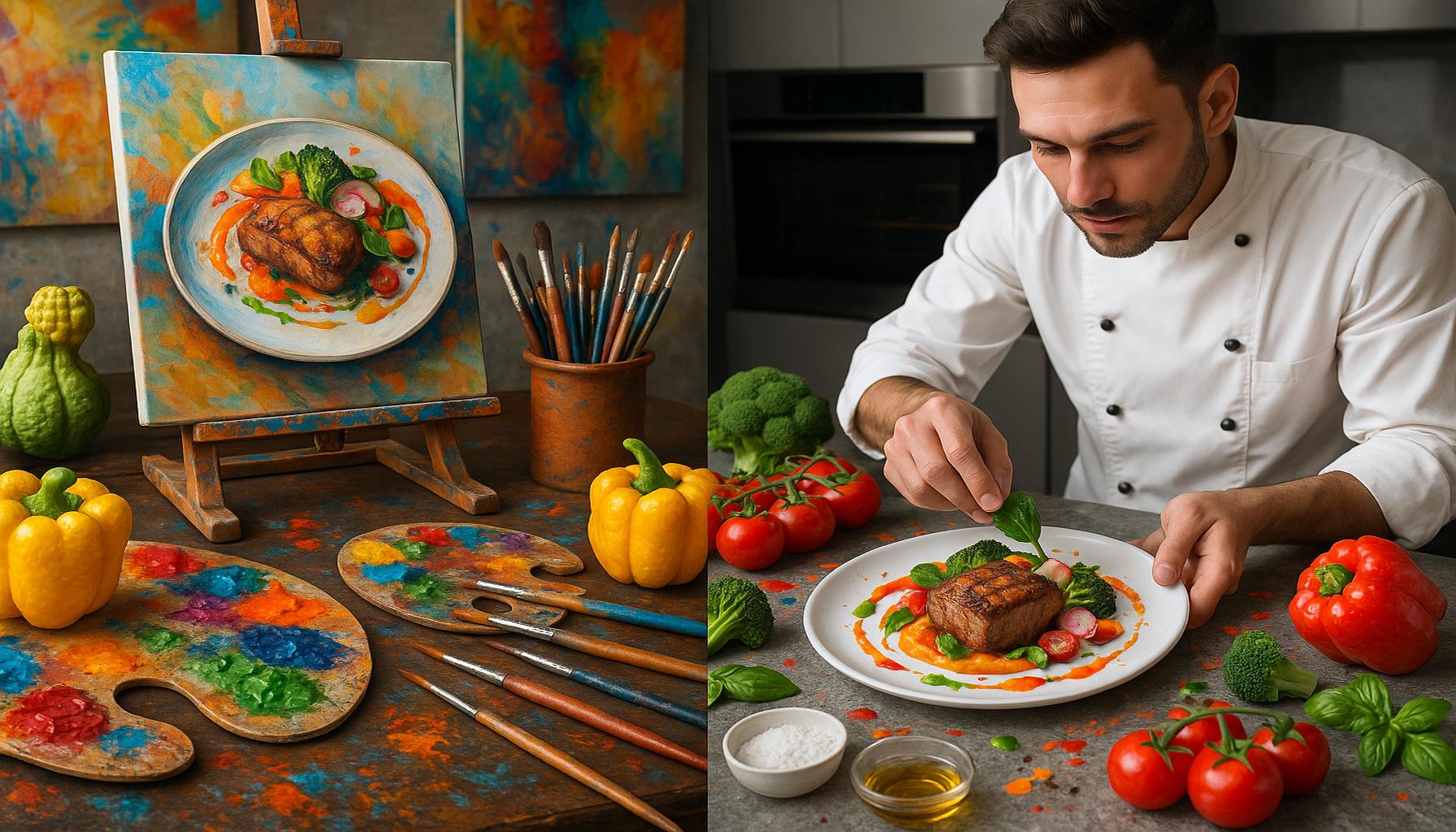
In today’s culinary landscape, chefs are embracing a world of gastronomic challenges that push the boundaries of traditional cooking. From incorporating unusual ingredients to navigating strict dietary restrictions, the art of creating innovative dishes has never been more exciting—or complex.
Across the United States, chefs are transforming the way we think about food, often inspired by the principle that limitations foster creativity. They face a multitude of challenges that require a unique blend of knowledge, skills, and an adventurous spirit. This is evident in several key areas:
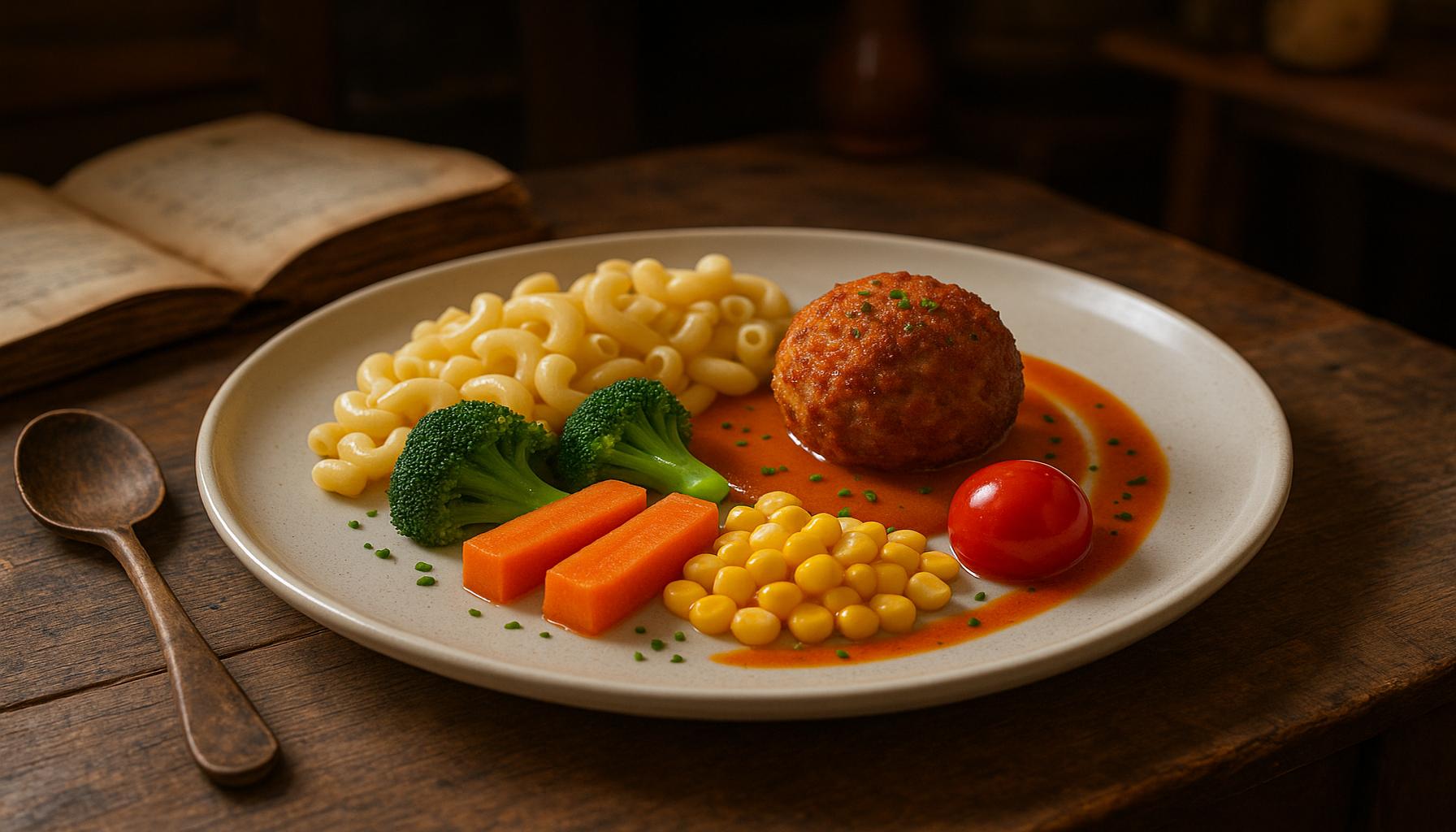
- Ingredient Restrictions: Many chefs are choosing to adhere to local sourcing, ensuring the use of fresh, seasonal produce. This can mean foregoing specific ingredients to embrace what is available within a community. Chefs often showcase the local bounty in their menus, which not only supports regional agriculture but also enhances flavor profiles. Additionally, navigating common allergens such as nuts or dairy poses a significant challenge in creating inclusive menus that cater to diverse diners.
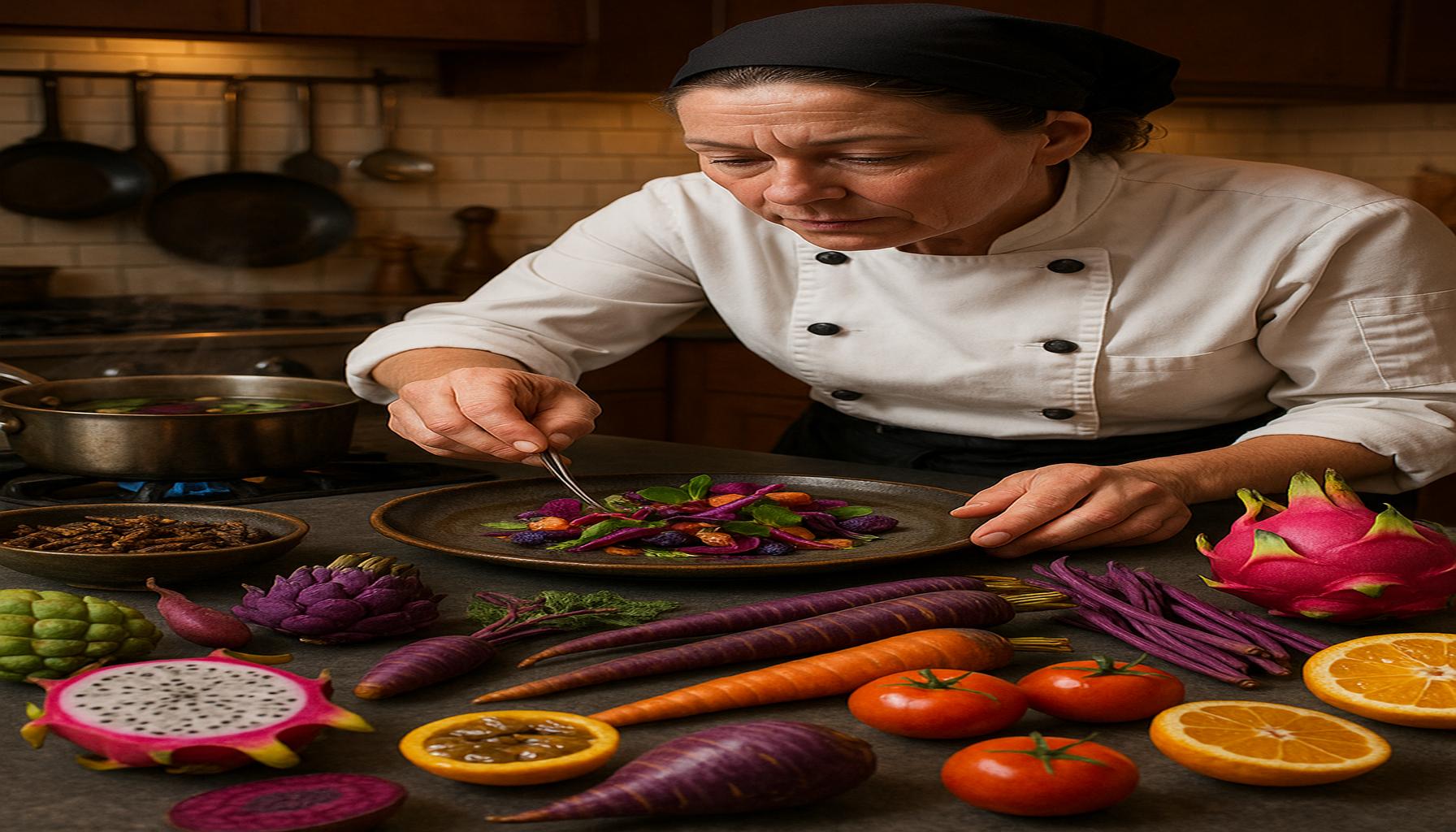
- Unconventional Ingredients: The culinary world is seeing a surge in the use of exotic spices, alternative proteins, and foraged items. For example, ingredients such as jackfruit and aquafaba are becoming popular substitutes for meat and eggs in vegan dishes. Chefs are also experimenting with unusual herbs and spices like za’atar or sumac, which can elevate familiar dishes into a new culinary experience.
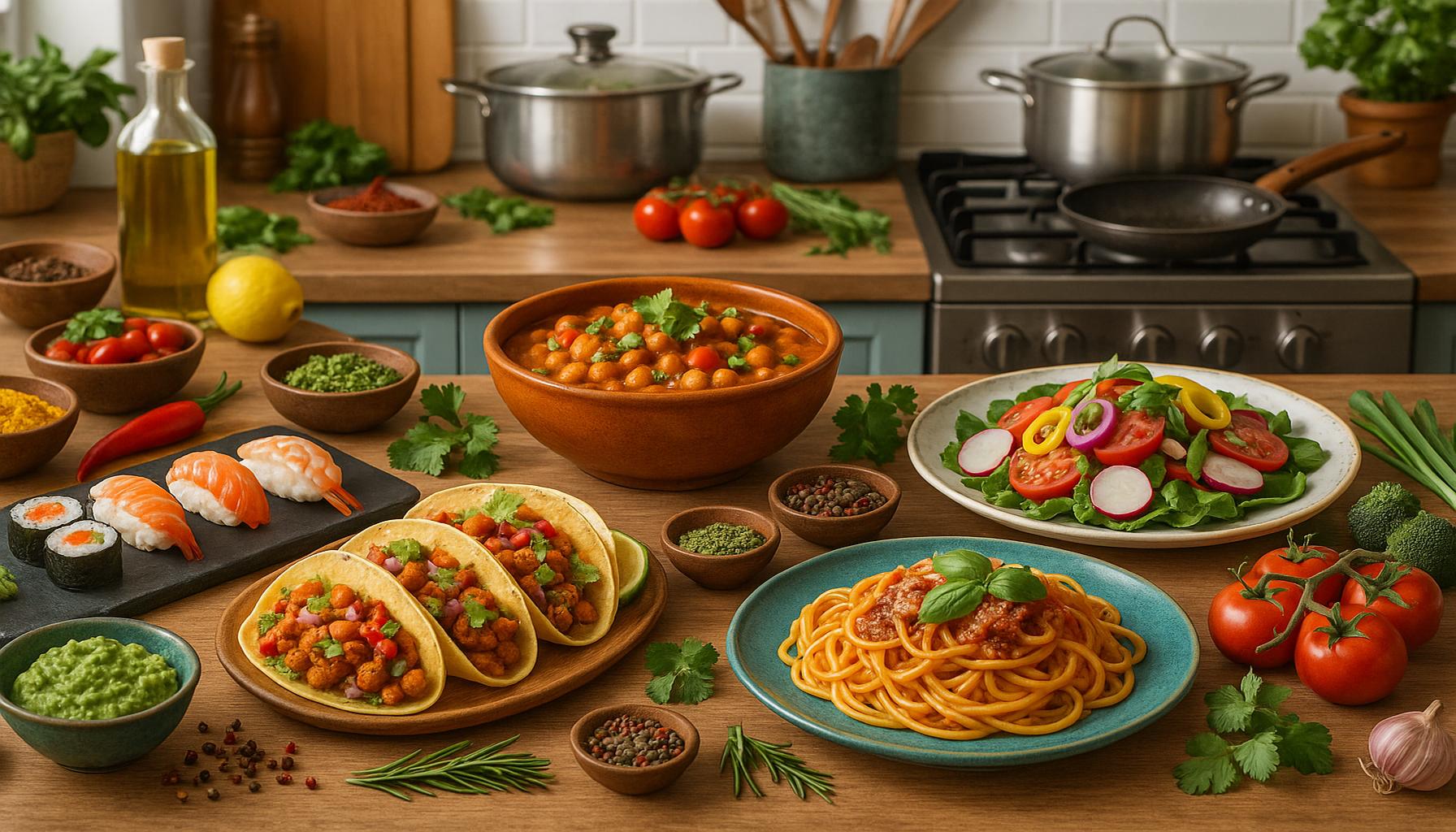
- Dietary Considerations: With the increasing prevalence of dietary needs—such as vegan, gluten-free, and ketogenic diets—chefs are tasked with crafting solutions that please the palate while adhering to specific restrictions. For instance, a pastry chef might create gluten-free desserts by utilizing almond flour and natural sweeteners, ensuring that flavor and texture remain uncompromised.
These culinary challenges do not merely test a chef’s creativity; they enrich their understanding of flavor profiles, techniques, and food science. By working within constraints, chefs often discover new culinary identities and innovative dishes that capture the imagination. For example, the popularity of farm-to-table dining has led to dishes that are not only delicious but also sustainable, demonstrating a chef’s commitment to environmental responsibility.
As restaurants across the United States seek to capture the attention of adventurous diners, the push for innovation is palpable. From fusion cuisines that blend global influences to artisanal charcuterie made from local meats, the results are extraordinary. Hidden gems are now transitioning into trending sensations that invite diners to explore new tastes and experiences.
This dynamic interplay between challenge and creativity opens up discussions about the future of dining, where chefs are not just cooking food but telling stories through their plates. Join us as we delve deeper into the fascinating realm of gastronomic challenges and discover how chefs everywhere are turning obstacles into adventure on a plate.
DISCOVER MORE: Click here to dive deeper
The Art of Crafting Flavorful Solutions
As culinary experts dive deeper into the world of gastronomic challenges, the complexity of creating dishes with unusual ingredients and dietary restrictions becomes increasingly evident. Each challenge presents an opportunity to innovate, encouraging chefs to experiment beyond the typical confines of flavor and ingredient selection. This pursuit of creativity not only heightens the dining experience but also elevates the chef’s craftsmanship to new heights.
One of the primary drivers behind this innovative cooking is the growing consumer interest in diverse culinary experiences. Diners are no longer satisfied with traditional offerings; they crave excitement, uniqueness, and authenticity. To meet these demands, chefs are embracing several strategies that combine creativity, sustainability, and inclusion:
- Local Sourcing and Seasonal Ingredients: By committing to local sourcing, chefs not only reduce their carbon footprint but also celebrate regional flavors. This practice often leads to unique dishes that highlight local produce and meats, showcasing the bounty of nearby farms. However, the challenge lies in creating a menu that is adaptable—what is available in the summer may not be in the winter, pushing chefs to think creatively around seasonal limitations.
- Innovative Substitutions: With rising awareness of food allergies and dietary restrictions, chefs are mastering the art of substitution. Ingredients like cauliflower rice and chickpea pasta provide gluten-free options without sacrificing taste and texture. Additionally, alternatives like coconut yogurt and cashew cream are gaining traction in dairy-free recipes, demonstrating that delicious doesn’t have to compromise dietary needs.
- Embracing Unconventional Flavors: The culinary world is transforming as chefs explore exotic ingredients from around the globe. Items such as black garlic, miso caramel, and sumac are breaking into mainstream cooking, allowing chefs to create unexpected flavor profiles. This exploration not only enriches the dishes but also introduces diners to new tastes and culinary traditions.
In this landscape of gastronomic challenges, chefs are becoming culinary storytellers, weaving narratives into their dishes that reflect their personal journeys and philosophies. This narrative approach inspires creative connections between the chef, the meal, and the diner, fostering a deeper appreciation for the food being served. For instance, a dish crafted from foraged mushrooms might not only showcase a unique ingredient but also tell a story of the chef’s recent hike in the woods, illustrating a connection to nature and a commitment to sustainability.
Furthermore, the push towards innovation often aligns with the ethos of community and support for local producers. By highlighting regional partnerships, chefs contribute to the sustainability of their culinary ecosystems, elevating the importance of community in modern dining. This emphasis on collaboration encourages diners to reconnect with the origins of their food, making the dining experience not just about taste, but about the shared stories of people and places.
As we venture forward in the exploration of gastronomic challenges, it becomes clear that the culinary landscape is continuously evolving. Chefs are consistently breaking boundaries and redefining what is possible in the kitchen, leading the way for an exquisite future where food inspires adventure and connection.
| Category | Description |
|---|---|
| Creative Ingredient Utilization | Experimenting with unexpected components promotes culinary artistry. |
| Adaptability | Adapting to restrictions encourages innovation and diverse flavor profiles. |
| Health-conscious Choices | Restrictions can lead to healthier dish constructions while embracing trends. |
| Cultural Exploration | Incorporating ingredients from varied cultures expands culinary horizons. |
The culinary world thrives on innovation, and tackling gastronomic challenges can push chefs to think outside the traditional box. Through creative ingredient utilization, chefs experiment with flavors and textures that may seem incompatible at first glance. Such exploration not only fosters culinary skills but also supports a more dynamic menu selection.Enforcing adaptability through food restrictions fosters an environment ripe for new ideas. It allows for unexpected combinations and builds a unique identity in an increasingly competitive culinary landscape. Moreover, embracing these challenges can guide chefs towards health-conscious choices, as using unfamiliar or restricted ingredients often requires a focus on nutritional value.Finally, venturing into cultural exploration allows for a broadening of culinary experiences, allowing chefs and diners alike to appreciate the art of food from different backgrounds, thus enhancing their overall gastronomic journey. Such challenges not only serve the palate but also provide a rich tapestry of flavors rooted in tradition and creativity.
DISCOVER MORE: Click here to delve into the magic of dreams
Redefining Culinary Limitations
The exploration of gastronomic challenges extends not only to ingredient choices and sourcing but also to the methodologies applied in the kitchen. Chefs today are increasingly looking to modern cooking techniques and processes that can elevate unusual ingredients, allowing for deeper flavor development while adhering to dietary restrictions or ethical considerations. Techniques such as sous vide, fermentation, and molecular gastronomy are opening new doors to culinary imagination.
Sous vide, a method that entails vacuum-sealing food in bags and cooking it in a water bath at precise temperatures, exemplifies how chefs can achieve perfect tenderness and flavor infusion. For instance, a cut of meat cooked sous vide maintains its juices and flavor profile while enabling chefs to incorporate unusual ingredients like smoked chili oil or herbal infusions directly into the bag. This not only enhances flavors but also allows the dish to cater to specific dietary preferences, such as low-fat or low-sodium options, without compromising on taste.
Fermentation has also emerged as a popular trend, driven by the rise in interest for gut health and sustainable cooking practices. Chefs are discovering that ingredients like vegetables, grains, and even dairy can produce remarkable flavors when fermented. For instance, fermented kimchi can add a unique spicy-sour component to a dish while being suitable for various dietary preferences. Additionally, chefs are able to craft fermented sauces or condiments that add depth and complexity, turning basic ingredients into culinary masterpieces that tell a story of patience and artistry.
Another fascinating aspect of meeting gastronomic challenges is the application of molecular gastronomy, a technique that intertwines food science with culinary art. This approach allows chefs to manipulate textures and flavors through chemical processes. For example, creating edible spheres from fruit juices or transforming a solid component into a foam can surprise diners while adhering to specific dietary needs. Imagine a vegan dessert that mimics the luxurious texture of whipped cream using aquafaba (the liquid from canned chickpeas); such inventive approaches can captivate guests and redefine their understanding of what cuisine can be.
Collaboration with Nutritionists and Dietitians
In the realm of gastronomic challenges, collaboration is key. Many chefs are now turning to nutritionists and dietitians to reshape their menus. This partnership aids in developing dishes that not only taste exceptional but also offer health benefits. By working hand-in-hand with health experts, chefs can better understand the nutritional properties of ingredients and create well-rounded dishes catering to various dietary restrictions, from vegan to keto and everything in between.
Moreover, this collaboration can help chefs incorporate superfoods and nutrient-dense ingredients that may be foreign to some diners. Ingredients such as quinoa, hemp hearts, and spirulina are being integrated thoughtfully into dishes, ensuring they contribute both flavor and health benefits. As consumers become more conscious of their eating habits, this approach aligns perfectly with growing food trends that encourage health without sacrificing enjoyment.
As the quest continues to create remarkable culinary experiences that tackle gastronomic challenges, innovation and collaboration are proving essential. With chefs continuously experimenting and pushing the boundaries of flavor, technique, and dietary considerations, the future of gastronomy invites diners on an intriguing journey, where each dish offers not just a meal, but an unforgettable story. As they embrace their roles as culinary pioneers, chefs are setting the stage for an evolving understanding of food—one that transcends mere sustenance, inviting exploration and discussion among evolving palates in a diverse dining landscape.
DIVE DEEPER: Click here to discover the art of storytelling in cooking
Embracing the Future of Gastronomy
As we near the end of our exploration into gastronomic challenges, it becomes clear that the culinary landscape is undergoing a significant transformation. Chefs are not merely working within the fences of traditional cooking but are instead arming themselves with innovative techniques like sous vide, fermentation, and molecular gastronomy. These methods not only enhance the cooking process but also allow for unique combinations of unusual ingredients, ensuring that each plate is a testament to creativity and accessibility.
Additionally, the collaboration between culinary artists and nutrition experts is fostering a more inclusive dining experience that respects dietary restrictions while still prioritizing flavor. Integrating superfoods and inventive flavors allows chefs to not only meet the diverse needs of their guests but also to tell a story—one of sustainability, health, and culinary artistry. Diners today are looking for more than just a meal; they crave an experience that connects them with their food’s origins and its many possibilities.
As we venture into the future, the appetite for gastronomic creativity will likely continue to evolve, prompting chefs to push boundaries and redefine the essence of dining. This dynamic interplay between innovation, collaboration, and adventure ensures that the kitchen remains an exciting frontier, inviting both chefs and diners alike to explore new tastes, textures, and narratives. So, whether you find yourself indulging in a dish crafted from unexpected ingredients or savoring a meal designed with health in mind, you are partaking in a culinary revolution that celebrates the art of food in all its diverse forms.