Exploring the Connection between Musical Skills and Creativity in Adults
The Interplay Between Music and Creativity
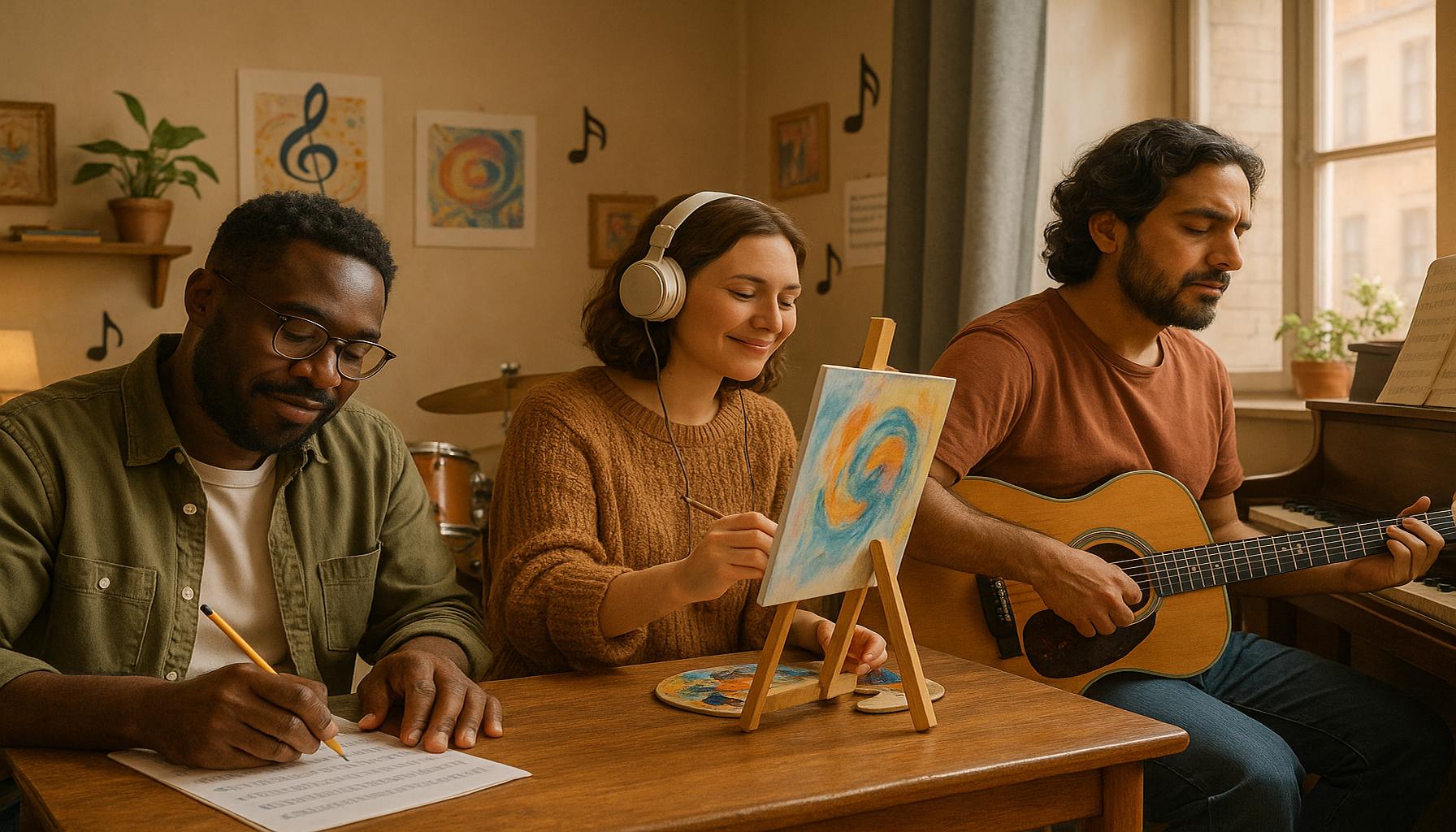
Music is a universal language that transcends cultural and geographical boundaries. It serves not only as a form of entertainment but also as a powerful medium for self-expression and emotional connection. The relationship between musical skills and creativity is particularly intriguing, especially when examining how these elements interact within adults. The pathways through which music influences creative processes provide insight into both artistic pursuits and professional advancements.
Numerous studies highlight that adults with musical training showcase enhanced creative capabilities. One of the most striking manifestations of this is in improved problem-solving skills. For instance, musicians are often adept at thinking outside the box, allowing them to navigate challenges in innovative ways. This skill is particularly valuable in fields like engineering, where creative problem-solving is vital to developing new technologies. The ability to perceive problems through multiple lenses is a hallmark of an engaging musical background.
Moreover, the concept of emotional intelligence is significantly heightened in individuals who have pursued music. Engaging with music fosters a deeper understanding of emotional nuances, enabling individuals to connect with others on a more profound level. This phenomenon can be witnessed in therapeutic settings where music is used to facilitate communication for those who struggle with expressing their emotions verbally. For example, music therapists often observe that patients with musical backgrounds are more responsive and engage more deeply with therapeutic practices, fostering a productive therapeutic alliance.
Beyond personal development, creativity nourished by musical training translates into the workplace. According to a report by the National Endowment for the Arts, individuals involved in music often exhibit greater innovation, with many leading breakthrough projects in a range of industries. This is evident in companies that foster a culture of creativity—those that encourage collaborative artistic projects often witness enhanced teamwork and synergy among employees.
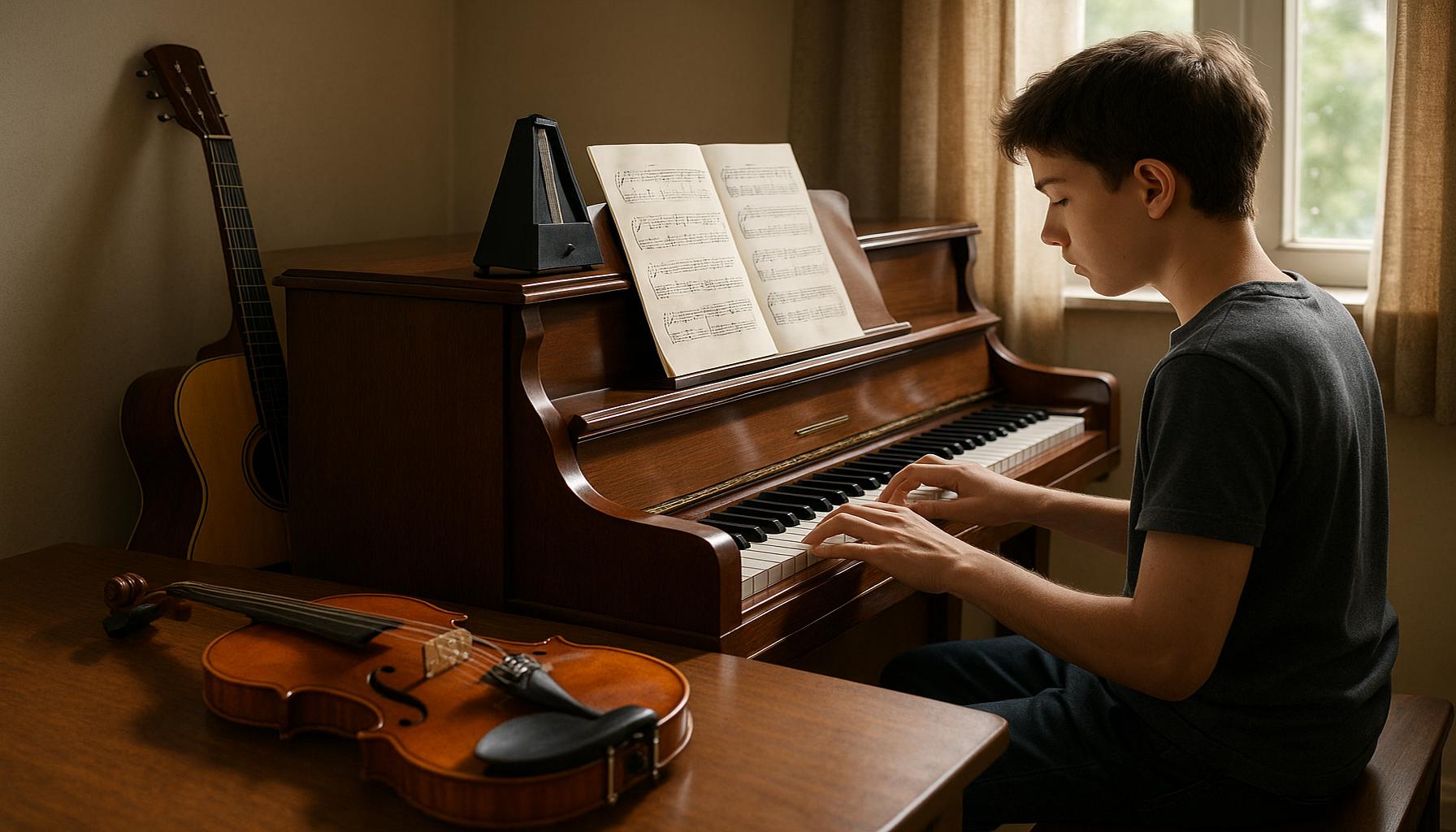
Furthermore, the effects of making music extend to physical changes in the brain. Research has demonstrated that learning to play an instrument affects brain structure and function, honing not only musical abilities but also cognitive flexibility. As musicians grapple with complex patterns, rhythms, and melodies, their brains develop essential skills relevant to a variety of creative tasks, such as composition, where ideas evolve through meticulous crafting, and improvisation, which requires quick thinking and adaptability.

This exploration of the multifaceted interaction between musicality and creativity sheds light on the profound impact that music has on our lives. As we delve further into this topic, it becomes evident that nurturing musical skills not only enriches artistic expression but also fosters essential competencies that are invaluable across different areas of life.
EXPLORE MORE: Click here to discover the art of culinary storytelling
Unveiling the Cognitive Benefits of Musical Training
The connection between musical skills and creativity in adults goes beyond mere anecdotes; it is backed by scientific research that underscores the cognitive benefits of engaging with music. When individuals immerse themselves in musical training, they not only sharpen their musical talents but also encounter profound enhancements in their cognitive functions, which are closely linked to creativity. This multifaceted relationship reveals itself in several ways.
To begin with, neuroplasticity plays a pivotal role in how music contributes to creative thought processes. Neuroplasticity refers to the brain’s ability to reorganize and adapt by forming new neural connections throughout life. Studies show that learning an instrument can result in structural changes in the brain, particularly in areas associated with language, memory, and emotional regulation. This evolution in the brain’s architecture fosters a heightened capacity for creative thinking, as it promotes flexible thought patterns essential for innovation.
Musicians often exhibit superior performance on tests measuring divergent thinking, a critical aspect of creativity that involves generating multiple solutions to a problem. Research conducted at the University of California found that adult musicians outperformed non-musicians in creative thinking assessments, suggesting that the disciplined practice of music cultivates a mindset conducive to innovative problem-solving. The practice of improvisation in music further accentuates this skill, as it requires musicians to make instantaneous decisions and adapt their ideas on the fly.
Moreover, musical skills are integral to enhanced spatial-temporal reasoning, an essential cognitive ability that allows individuals to visualize and manipulate objects mentally. This skill is invaluable in various fields, particularly in architecture and graphic design, where the ability to conceptualize structures, forms, and layouts is crucial. Adults who engage in music frequently develop an acute awareness of spatial relationships through the study of music theory and performance, which translates into creative competencies in these visual domains.
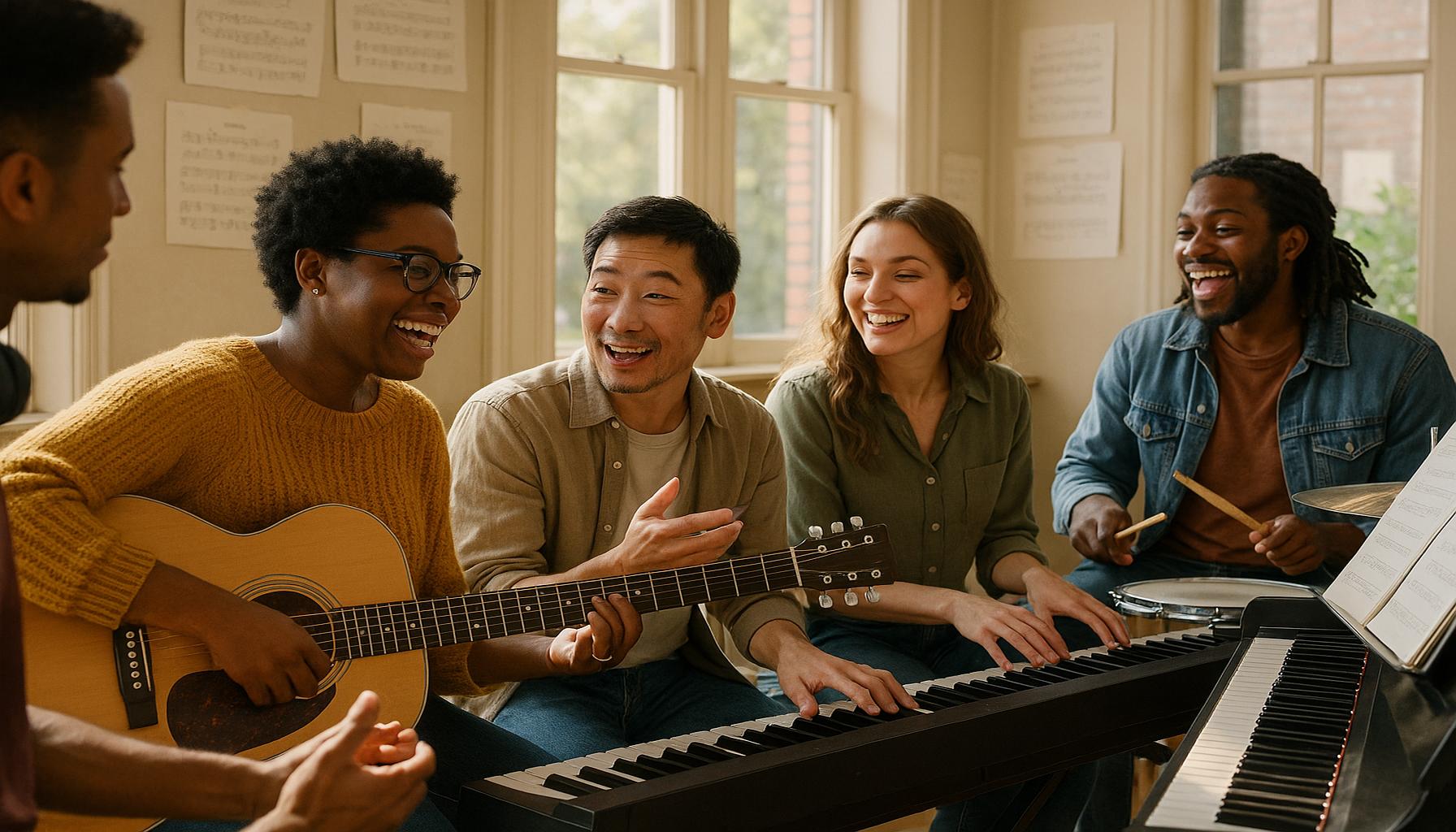
Additionally, the connection between music and creativity is evident in the different ways that musicians approach collaboration. Adults with musical backgrounds often participate in group ensembles, fostering a spirit of teamwork and collective creativity. In fact, the collaborative aspect of making music forces individuals to negotiate their ideas and harmonize different voices, promoting an environment where creativity can flourish. This skill is increasingly sought after in the modern workplace, where collaborative innovation is essential for success.
- Enhanced cognitive flexibility through neuroplasticity
- Improved divergent thinking abilities indicating superior creative performance
- Stronger spatial-temporal reasoning impacting various professional fields
- Effective collaboration skills to foster teamwork and collective creativity
Examining these cognitive benefits provides a deeper understanding of the dynamic interplay between musical skills and creativity in adults. As the research continues to evolve, the imperative to promote music education and engagement is increasingly evident, as it holds the potential to enrich not only artistic expression but also cognitive prowess across various facets of life.
As we delve further into the fascinating link between musical skills and creativity in adults, we uncover that the benefits extend beyond just enhanced musicality. Engaging in music can lead to significant developments in various cognitive and emotional domains. Studies have shown that individuals who participate in musical activities often exhibit improved problem-solving skills. The complexities involved in learning an instrument can enhance one’s ability to think critically and approach challenges from different angles.
Furthermore, the act of creating music fosters a unique environment for self-expression. When individuals compose or improvise, they explore their emotions, leading to greater emotional intelligence. This emotional outlet can contribute to overall mental well-being, reducing stress and anxiety. Additionally, musicians often develop a heightened sense of discipline and focus, necessary traits that are transferable to other creative pursuits in life.
| Category | Description |
|---|---|
| Cognitive Development | Enhances problem-solving skills and critical thinking. |
| Emotional Intelligence | Facilitates self-expression and stress reduction. |
In essence, engaging with music not only hones musical abilities but also serves as a catalyst for enhanced creativity and cognitive skills. As adults navigate the complexities of daily life, integrating musical activities could provide invaluable tools for both personal and professional growth.
DISCOVER MORE: Click here to dive into scrapbooking techniques
Fostering Emotional Intelligence Through Musical Engagement
The relationship between musical skills and creativity is deeply intertwined with the concept of emotional intelligence, which encompasses the ability to recognize, understand, and manage our own emotions while also empathizing with others. Engaging with music not only demands a high level of emotional awareness but also enhances emotional expression, paving the way for greater creative endeavors. As adults navigate their musical journeys, they develop a keen sense of emotional communication that serves as a catalyst for creativity.
One significant way in which music fosters emotional intelligence is through the shared experience of performing and listening to music. In settings such as concerts, open mic nights, or even casual jam sessions, adults are frequently exposed to a tapestry of emotions conveyed by both the performers and the audiences. This affinity for emotional connection sharpens their capacity to interpret tonalities and variations in musical expression, making them more adept at conveying complex feelings in their creative work outside the realm of music.
Moreover, the process of songwriting and composition is intrinsically linked to personal experiences and emotional insights. Musicians often draw from their lives, using music as a medium to process emotions and articulate thoughts that might otherwise be challenging to express. This reflects the psychological principle of catharsis, wherein creative expression serves as a therapeutic outlet. The ability to channel emotions into creative outputs not only results in poignant art but also enhances an individual’s creativity by fostering a deeper understanding of themselves and their surroundings.
Studies indicate that individuals with musical training exhibit improved results in emotional recognition and empathy, which are critical components of emotional intelligence. For instance, research published in the journal Psychological Science demonstrated that musicians displayed heightened sensitivity to emotional cues in others’ facial expressions and vocal intonations. This heightened empathic ability consequently influences one’s creative problem-solving skills, as it permits a broader perspective and an openness to alternative viewpoints — essential ingredients in today’s collaborative environments.
- Development of emotional intelligence through musical experience
- Enhanced empathy resulting from shared musical experiences
- Cathartic expression in songwriting as a means of emotional processing
- Improved ability to recognize emotional cues leading to greater creativity
Furthermore, participating in group musical activities provides opportunities for adults to practice their emotional intelligence in real-time. Whether through chorales, orchestras, or band performances, collaborating with others in a musical context fosters a heightened awareness of social dynamics and emotional undercurrents. This communal aspect of music further enriches the creative process, as individuals learn to navigate group dynamics and cultivate shared visions, which not only enhances their own creativity but also inspires collective innovation.
The interplay between musical skills and emotional intelligence is an essential facet of understanding the comprehensive relationship between music and creativity in adults. By recognizing and cultivating these emotional dimensions through musical engagement, adults can unlock new realms of creative potential, contributing to both personal fulfillment and artistic expression. This affirms the notion that investing in musical endeavors serves as a powerful pathway to unlocking not only cognitive benefits but also emotional and creative growth.
DIVE DEEPER: Click here to discover more scrapbooking techniques
Conclusion: Unleashing Creative Potential Through Musical Skills
In summary, the exploration of the connection between musical skills and creativity in adults reveals a profound and intricate relationship that enriches both personal and collective endeavors. As adults engage with music—whether by learning an instrument, writing songs, or participating in group performances—they cultivate not just technical prowess but also valuable emotional intelligence. This emotional depth allows for nuanced expressions of creativity, enabling individuals to articulate complex feelings and ideas through their artistic pursuits.
The interplay between music and creativity stands as a testament to the importance of embracing musical engagement as a vital tool for self-discovery and innovation. Through shared musical experiences, adults develop heightened empathy, improve their emotional recognition skills, and foster collaborative creativity that can catalyze breakthroughs in various artistic fields.
Moreover, the cathartic power of musical expression equips individuals with effective coping mechanisms and opens new avenues for personal reflection and exploration. As research continues to illuminate these connections, it invites us to reimagine our approach to creativity, recognizing music not merely as an art form but as an essential element of human development.
Ultimately, this exploration challenges us to consider how integrating musical skills into our lives can enhance our overall creativity and emotional intelligence. It encourages adults to seek out musical experiences, fostering not only individual growth but also a richer, more harmonious society. Thus, by prioritizing musical engagement, we can unleash a wealth of creative potential waiting to be discovered.