Menu

The Impact of Musical Education on Collaboration Skills in Groups

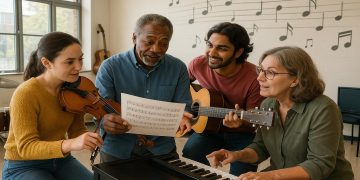
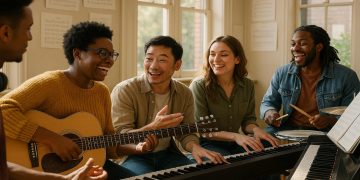
Musical education significantly enhances collaboration skills within groups by fostering teamwork, communication, and problem-solving abilities. Participating in music encourages active listening, flexibility, and appreciation for diverse perspectives, preparing individuals for effective collaboration in academic and professional settings while cultivating leadership qualities for future success.

Developing Self-Discipline Through Learning Musical Instruments

Learning a musical instrument fosters self-discipline and personal growth by cultivating essential life skills such as time management, focus, and resilience. Through practice, students develop commitment and adaptability, which enhance their academic and professional success, ultimately transforming their approach to challenges and creative expression.

The Influence of Musical Learning on the Cognitive Development of Children

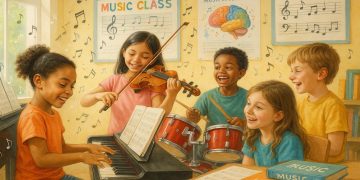
Musical learning significantly enhances children's cognitive development, fostering skills in language, mathematics, and memory. Engaging in music education promotes emotional resilience, empathy, and creativity, thus preparing children for academic challenges and social interactions. Prioritizing music programs can cultivate well-rounded individuals equipped for future success.

How Musical Improvisation Can Stimulate Innovation and Problem Solving

Musical improvisation serves as a powerful catalyst for innovation and problem-solving by fostering creativity, collaboration, and adaptability. Engaging in improvisation enhances communication skills and builds confidence, allowing individuals and teams to respond dynamically to challenges, ultimately cultivating a culture of innovation in various professional settings.

Exploring the Connection between Musical Skills and Creativity in Adults

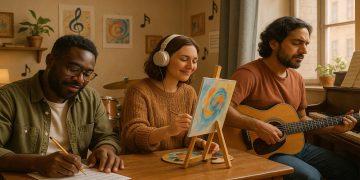
This article explores the profound connection between musical skills and creativity in adults, highlighting how musical training enhances problem-solving abilities, emotional intelligence, and cognitive functions. Engaging with music not only fosters personal artistic expression but also cultivates collaboration and innovation across various professional fields.

The Importance of Musical Skills in the Development of Empathy and Social Sensitivity

The article emphasizes how engaging in musical skills enhances empathy and social sensitivity, fostering emotional intelligence. Through active listening, collaboration, and cultural awareness, music cultivates vital interpersonal skills, promotes understanding, and nurtures community connections, ultimately enriching emotional expression and promoting compassion in diverse societies.

How Musical Practice Can Improve Interpersonal Communication

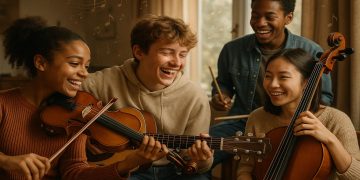
Musical practice enhances interpersonal communication by fostering active listening, emotional expression, and teamwork among participants. Through collaborative music-making, individuals develop empathy and social skills, facilitating deeper connections and understanding in diverse settings. This universal language of music serves as a vital bridge in improving communication and building community bonds.

How Playing a Musical Instrument Can Reduce Stress and Increase Well-Being

Playing a musical instrument significantly reduces stress and enhances well-being by promoting emotional expression, mindfulness, and social connections. Engaging with music fosters a holistic approach to mental health, leading to improved mood, cognitive functions, and a greater sense of resilience against daily pressures. Embracing music can transform emotional clarity and life balance.