Fusion Cuisine: The Integration of Culinary Cultures to Create New Flavors
The Allure of Culinary Blending
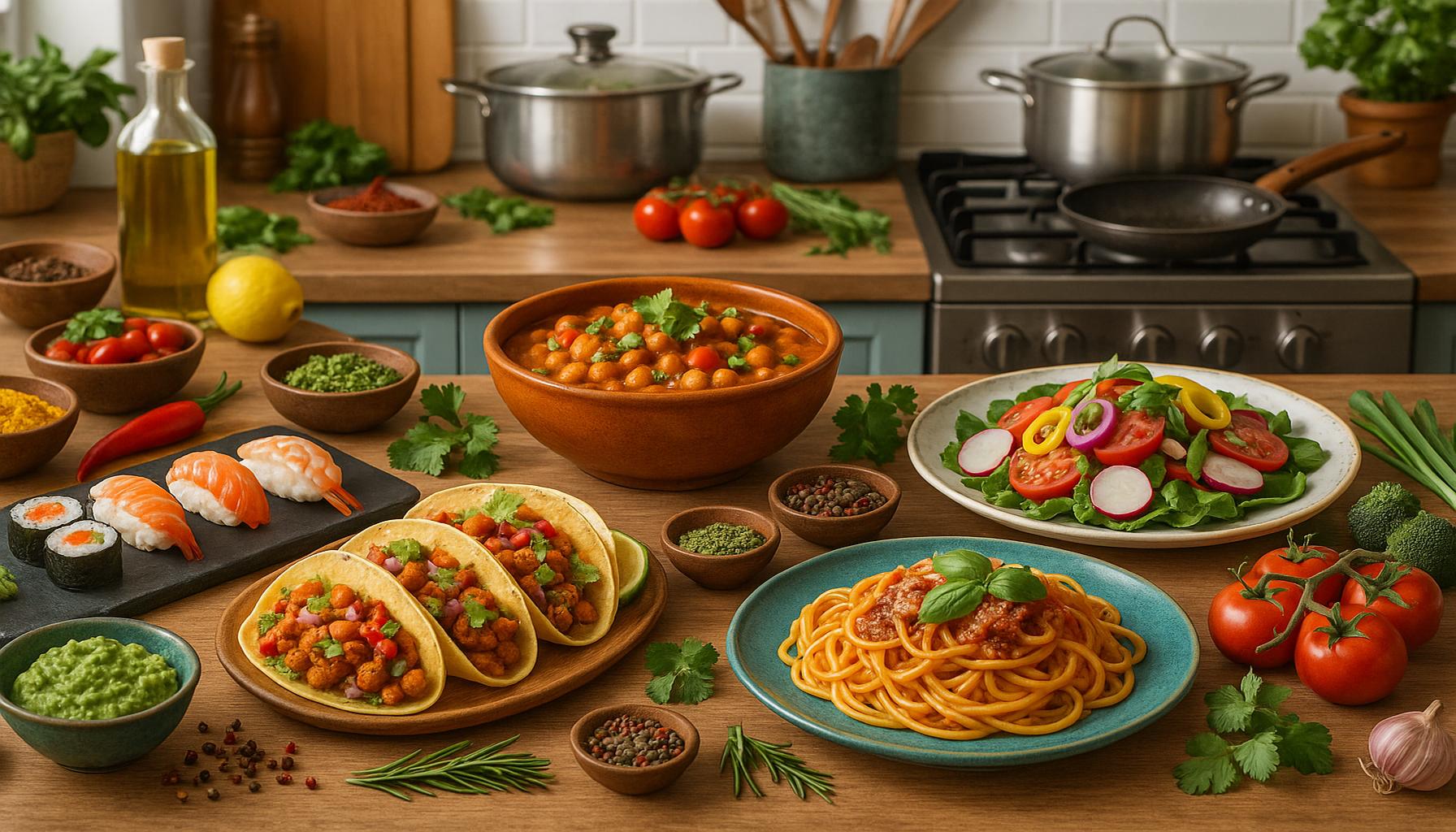
In today’s culinary landscape, flavors from different cultures are blending like never before. Fusion cuisine has transformed how we experience food, inviting adventurous eaters to savor unexpected combinations. From the streets of Los Angeles to the fine dining rooms in New York, this movement bridges culinary divides, creating a vibrant tapestry of tastes. The growing popularity of fusion dishes reflects an increasingly interconnected world, where boundaries between culinary traditions are more porous than ever.
But what exactly defines fusion cuisine? Here are some key elements:
- Innovative Ingredients: Chefs mix traditional elements from various cultures to create unique flavor profiles. This might involve using Middle Eastern spices in traditional American barbecue or incorporating Asian noodles into classic Italian pasta dishes.
- Creative Techniques: Culinary methods are borrowed from different cuisines to enhance dishes. For example, sous-vide cooking techniques common in French kitchens are now often employed by chefs creating Asian-style dishes, resulting in tender, perfectly cooked proteins infused with bold flavors.
- Diverse Inspirations: Experiences from travel and cultural exchanges yield rich, new recipes. Many chefs draw inspiration from their own heritage or cuisines they have encountered during culinary expeditions, leading to the creation of delightful dishes that tell a story.
Popular examples of fusion cuisine illustrate the creativity driving this culinary phenomenon:
- Sushi Burritos: A delicious blend of Japanese sushi and Mexican burritos, these portable meals wrap fresh ingredients like raw fish, avocado, and vegetables in a large seaweed sheet, offering a handheld delight popular among millennials.
- Kimchi Tacos: Combining Korean fermented vegetables with a traditional Mexican staple results in a flavor explosion. The spiciness and tang of kimchi perfectly complement the savory elements of taco fillings, often served in soft corn tortillas.
- Italian-Indian Pizza: Featuring toppings infused with spices and flavors unique to Indian cuisine, such as tandoori chicken or saag paneer, this dish represents a fresh take on a classic Italian favorite, merging the best of both worlds.
As fusion cuisine continues to evolve, it sparks conversations about identity, tradition, and innovation. Many food enthusiasts are intrigued by the cultural narratives that accompany these dishes, reflecting a globalized society where culinary practices are shared and celebrated. In restaurant scenes across the United States, chefs are championing this trend, inviting patrons to explore new flavors and recipes that push the boundaries of traditional cooking.
Moreover, fusion cuisine raises interesting questions about authenticity and cultural appropriation. As chefs blend various elements, they must navigate the fine line between homage to culinary traditions and a respectful adaptation of those traditions. Ultimately, these gastronomic experiments excite and surprise our palates, fueling an exhilarating journey through diverse culinary landscapes. Prepare to tantalize your taste buds and expand your culinary horizons!
DISCOVER MORE: Click here to learn about the benefits of musical education
Culinary Innovations and the Rise of Fusion Cuisine
The emergence of fusion cuisine has catalyzed a culinary revolution where chefs are pushing the boundaries of traditional cooking. As cultures increasingly intertwine in our globalized society, so too do their culinary practices. Chefs across the United States are taking bold steps, experimenting with flavors and techniques that challenge conventional norms. This movement is more than just a trend; it reflects a societal shift toward inclusivity, experimentation, and the celebration of diversity in food.
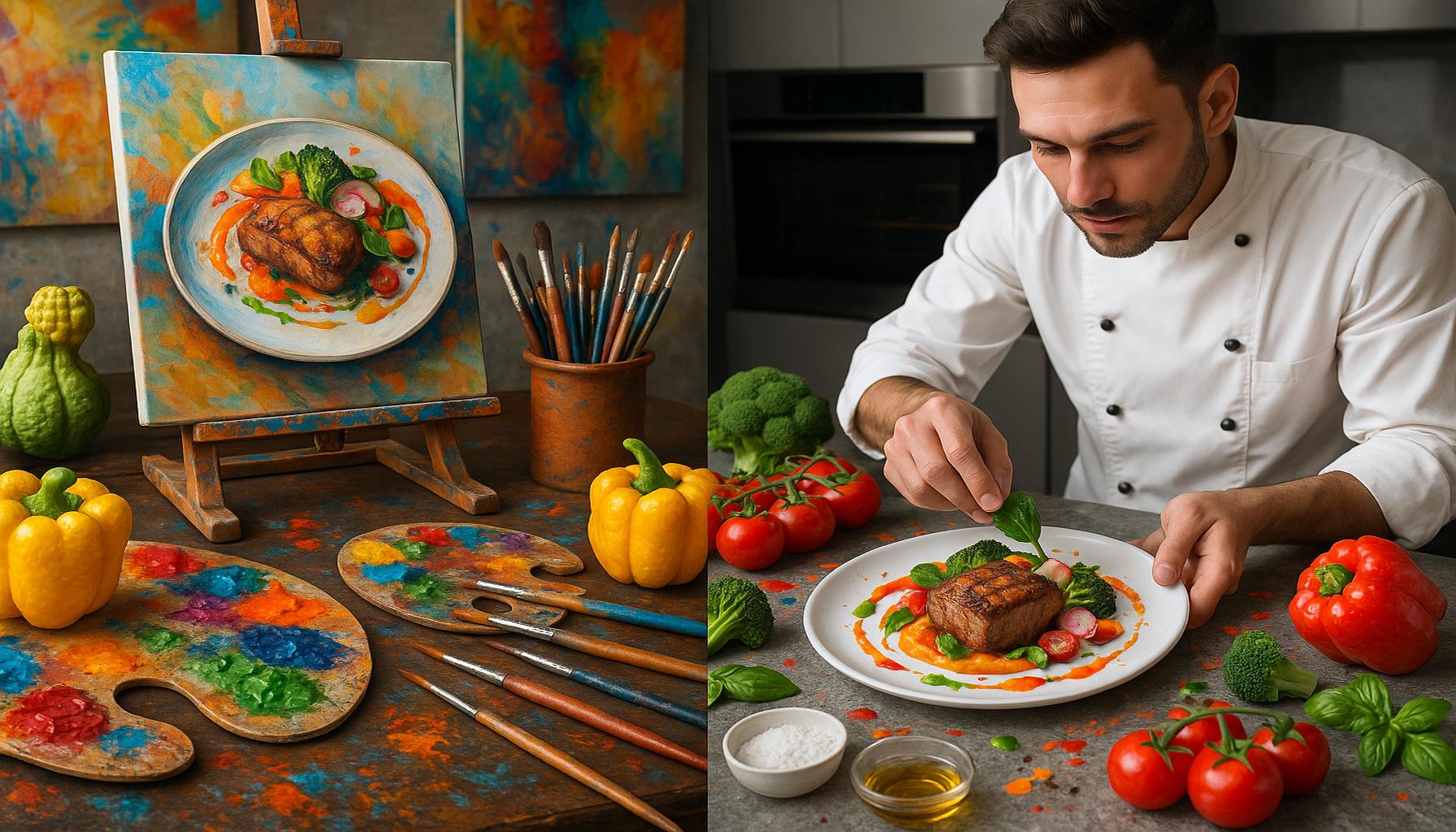
At the heart of fusion cuisine lies a creative spirit that invites culinary artists to innovate beyond the confines of their culinary heritage. This inventive approach encourages the blending of exotic spices, cooking methods, and regional ingredients, producing dishes that tantalize the taste buds. As a result, traditional recipes are transformed, remixed, and reimagined, appealing to an early 21st-century palate that craves novelty.
Some key aspects of how fusion cuisine operates include:
- Cultural Mashups: The essence of fusion cuisine is found in the clever pairing of culinary elements from a variety of traditions. For instance, a classic Italian risotto might incorporate flavors from Thai cuisine, such as lemongrass and coconut milk, resulting in a creamy dish that surprises and delights.
- Local Ingredients: Chefs are not only borrowing global flavors but are also committed to utilizing local produce. The farm-to-table movement merges seamlessly with fusion cooking, allowing chefs to create unique dishes that reflect their regional palette while integrating international tastes. Imagine a Southern-style shrimp and grits elevated with a fragrant curry sauce inspired by Indian cooking.
- Inventive Pairings: The thrill of fusion cuisine often lies in unexpected ingredient combinations. A well-constructed fusion dish, like a peanut butter and jelly sushi roll, highlights how disparate flavors can come together to create a harmonious experience. This playful approach encourages diners to think about food differently, prompting explorations into “what if” scenarios involving taste.
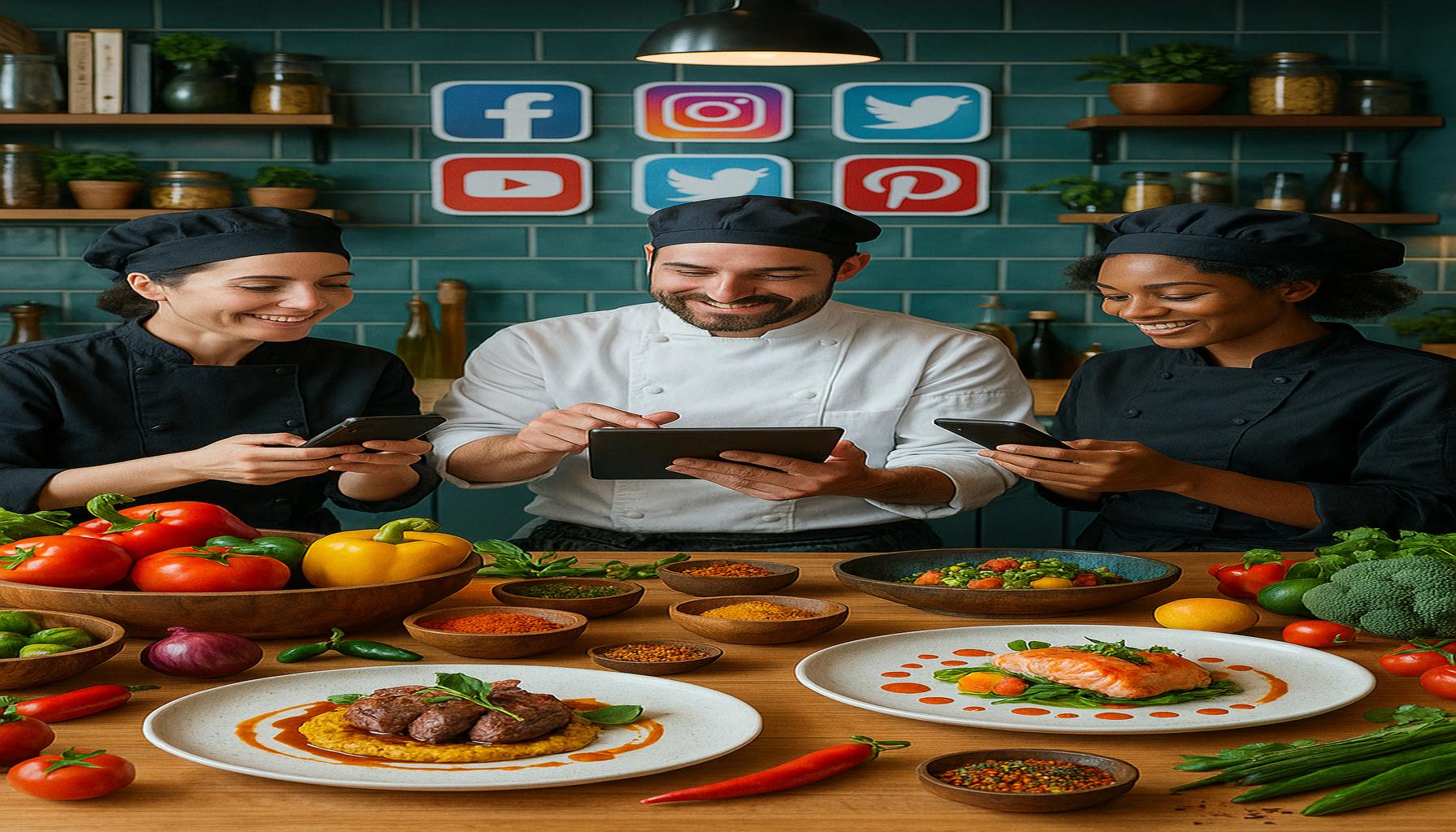
Fusion cuisine is not only a playground for chefs but is also an exciting venture for diners. Many restaurants are seeing a surge in popularity for their innovative offerings, like Korean BBQ pizza or Indian tikka masala nachos. As diners become more adventurous, they seek out restaurants that challenge the status quo and take them on a culinary journey. This new wave of dining encourages a sense of discovery, with patrons often sharing their remarkable experiences on social media platforms, further amplifying the appeal of fusion dishes.
As this culinary trend continues to flourish, the discourse surrounding it also deepens. Foodies and critics are engaging in conversations about the intersection of authenticity and creativity. How do we maintain respect for traditional recipes while embracing new interpretations? The answers lie in understanding cultural context and history, leading to a respectful exchange that honors the source material. Ultimately, fusion cuisine invites us to embark on a delicious exploration of flavor that reflects our interconnected world.
Exploring Global Ingredients in Fusion Cuisine
Fusion Cuisine is not merely a blend of different cooking styles; it serves as a dynamic canvas for chefs to experiment with unique combinations of ingredients, ultimately leading to the discovery of groundbreaking flavors. By incorporating diverse elements from various culinary traditions, chefs breathe life into classic dishes while creating entirely new identities. Take sushi burritos, for instance, a vibrant combination of Japanese sushi and Mexican burrito techniques that tantalize taste buds worldwide. Each bite is a mix of fresh flavors and textures that pique curiosity and satisfy cravings.
Techniques and Innovations in Fusion Cooking
The integration of culinary cultures also fosters innovative cooking techniques that enhance the dining experience. Chefs are gravitating towards unconventional combinations of ingredients and preparation methods. One compelling example is the use of molecular gastronomy, where traditional cooking methods meld with scientific principles to create dishes that delight and surprise diners. Think of edible foams, flavored spheres, and other avant-garde presentations that redefine what food can be.Culinary schools worldwide are acknowledging the significance of fusion cuisine in their curriculum, teaching aspiring chefs the art of combining disparate elements while staying true to their roots. This educational push not only preserves culinary heritage but also drives the evolution of gastronomic trends. The result is a vibrant discussion around cultural exchange, authenticity, and creativity in the kitchen.Here, the fundamental aspect of fusion cuisine lies in fostering collaboration among chefs globally, encouraging dialogue that can inspire new ideas. The culinary landscape is ever-evolving, and through fusion cuisine, chefs become storytellers, weaving narratives of culture and innovation that invite diners to experience a taste of the world on their plates.
| Category | Advantages |
|---|---|
| Cultural Exchange | Enhances understanding and appreciation of diverse culinary traditions. |
| Innovation | Encourages creativity and the exploration of unique flavor profiles. |
Emphasizing the significance of fusion cuisine goes beyond just taste; it celebrates the intersection of flavors, traditions, and techniques, making it a pivotal topic in the culinary world today. Exploring these new gastronomic frontiers opens up a treasure trove of experiences for food enthusiasts, inspiring them to think outside the box and embrace the ever-expanding world of culinary arts.
DISCOVER MORE: Click here to deepen your understanding
Challenging Boundaries: The Cultural Implications of Fusion Cuisine
As fusion cuisine continues to gain traction, it invites thoughtful dialogue on cultural representation and the impact of culinary creativity on heritage. This blending of flavors extends beyond the plate; it often serves as a reflection of the societal landscape. Chefs channel their personal and cultural narratives into their dishes, shaping a culinary identity that resonates with the broader public. However, this mixture raises questions regarding ownership of culinary traditions and the fine line between homage and appropriation.
One of the significant discussions surrounding fusion cuisine is the concept of cultural appreciation versus appropriation. Cultural appreciation emphasizes understanding, respecting, and honoring the origins of a dish, while appropriation refers to taking elements from a culture without acknowledgment or understanding. Chefs such as David Chang, known for his innovative approach with Momofuku, advocate for finding a balance that celebrates the flavors from around the world while simultaneously respecting their roots. This awareness leads to the thoughtful incorporation of ingredients and techniques that reflect true respect for the traditions being adapted.
Moreover, the accessibility of culinary ingredients has expanded tremendously due to globalization. Ingredients like kimchi or sriracha have become staples in American kitchens, often finding their way into unconventional dishes that might not adhere strictly to their culinary customs. For instance, a kimchi burger reflects a blend of Korean and American elements, showcasing innovation while inviting customers to explore flavors that they may not normally encounter. This trend highlights how diverse elements can coexist on the same menu, catering to the evolving taste preferences of diners.
Beyond individual dishes, some entire restaurants are dedicated to the concept of fusion cuisine, showcasing the melding of distinct cooking styles. For example, establishments like Chiu’s Restaurant in San Francisco present Chinese and Mexican cuisine fused harmoniously, offering items like dim sum tacos. The restaurant scene has become a canvas for chefs to juxtapose an array of culinary influences while crafting a menu that speaks to the eclectic nature of urban dining.
Diners today often uncover culinary gems where innovation takes center stage. As people seek unique dining experiences, fusion cuisine allows them to immerse themselves in a cultural exchange augmented by taste. The romantic allure of food storytelling is palpable when one considers dishes that combine the culinary practices of the American South with elements of Middle Eastern cuisine, such as hummus cornbread, marrying textures and flavors that would traditionally remain separate.
As culinary professionals navigate this complex terrain, they also grapple with the responsibility that comes with experimentation. As the trend continues to evolve, it is crucial for chefs to not only focus on aesthetic and flavor but also to underpin their creations with a *narrative that embraces the cultures they represent. Doing so fosters an environment of learning, mutual respect, and awareness that enhances the dining experience and appreciates the layers of culinary heritage.
DISCOVER MORE: Click here for insights on culinary creativity
Conclusion: The Future of Flavor Through Fusion Cuisine
Fusion cuisine stands as a testament to the dynamic nature of culinary arts, where diverse cultural influences converge to create extraordinary flavors and unique dining experiences. As globalization continues to shape our culinary landscape, the fusion of culinary traditions not only enhances menus but also fosters a deeper understanding of various cultures. This culinary movement reveals the exciting possibilities that arise when chefs dare to blend techniques and ingredients from different backgrounds, resulting in dishes that tell a rich, flavorful story.
However, with this creativity comes a significant responsibility. Chefs and culinary innovators must navigate the delicate balance between cultural appreciation and appropriation, ensuring that their dishes honor the origins of ingredients while inviting diners to partake in a greater narrative. The dialogue that emerges from fusion cuisine challenges the conventional understanding of culinary traditions and encourages respect for the rich histories that inform them.
As diners become increasingly adventurous in their tastes, fusion cuisine offers an enticing portal into a world of flavors, where dishes such as spicy ramen burgers or tandoori chicken tacos captivate the palate and redefine culinary norms. Ultimately, this movement underscores the importance of creativity, exploration, and understanding in the kitchen, bridging cultural divides while celebrating the intricate tapestry that defines our culinary heritage.
In a world where food serves as a universal language, fusion cuisine provides an exciting avenue for culinary professionals and diners alike to engage with diverse cultures. As this trend continues to evolve, it holds the promise of not just tantalizing taste buds but also enriching our appreciation for the world’s rich culinary heritage.