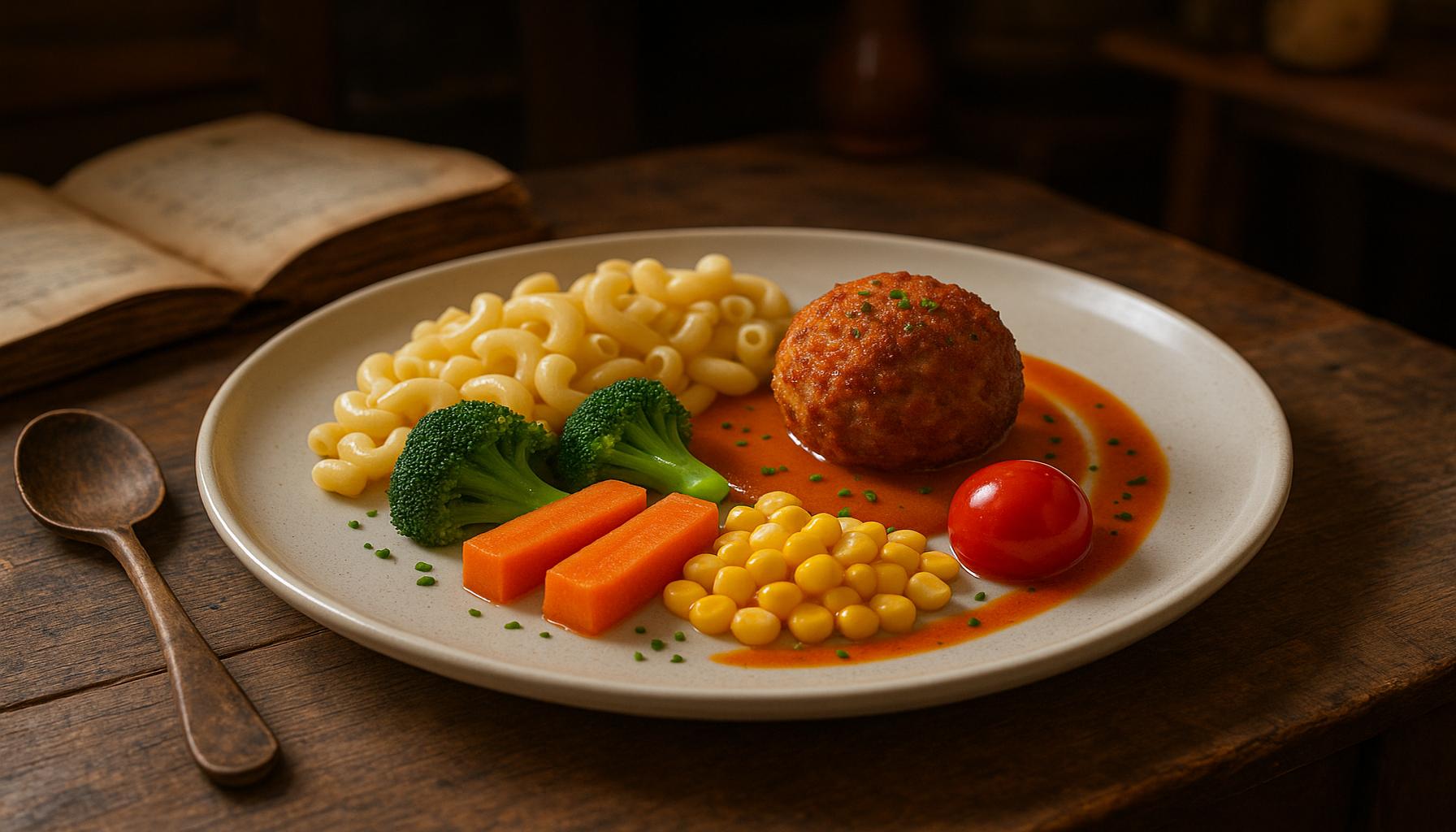
The Art of Presentation: Creative Techniques to Beautify Your Dishes
Enhancing Dining Engagement through Artful Presentation
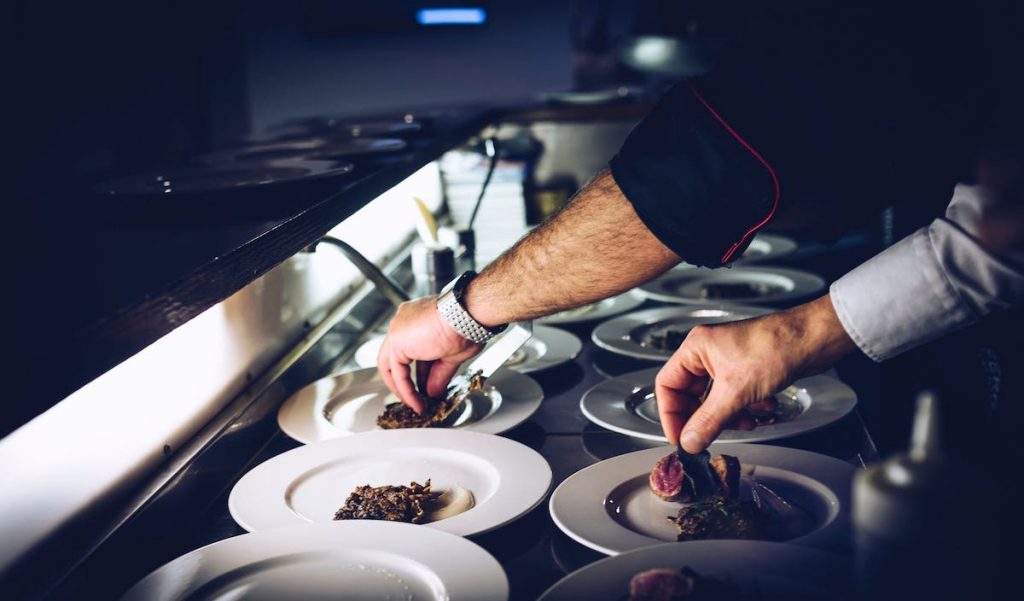
In the world of gastronomy, the essence of a memorable dining experience goes beyond the taste of the food. Visual presentation plays a crucial role in how we perceive and enjoy our meals. A beautifully arranged plate can evoke feelings of excitement, anticipation, and satisfaction even before the first bite. This impact emphasizes the importance of allowing culinary creativity to shine through aesthetics, making every meal an occasion to remember.
So, what makes a dish truly stand out? Here are some key elements to consider when striving for that perfect presentation:
- Color Contrast: Utilizing vibrant ingredients is essential for enhancing the overall appeal. A bright red tomato paired with leafy greens and drizzled with a golden balsamic reduction can be visually striking. For example, a summer salad bursting with colorful bell peppers, radishes, and purple cabbage not only catches the eye but also invites diners to explore the flavors contained within.
- Texture Variety: Incorporating a mix of textures can make each bite an exciting adventure. Imagine a dish that combines crispy fried shallots, creamy avocado, and tender grilled chicken. This interplay of textures not only keeps the palate engaged but also provides a delightful contrast that enhances the overall experience of the dish.
- Layering Techniques: Creating height and dimension adds visual intrigue, making your dishes more appealing. Think of a towering burger where each layer is distinct but cohesive, or a cake that is stacked high with frosting interlaced between the layers. These heights allow for more playful arrangements and enable diners to appreciate the craft behind the creation.
Mastering these techniques empowers anyone, from home cooks to professional chefs, to transform ordinary meals into stunning culinary artworks. Consider how color, arrangement, and garnishing come together to elevate a dish. Fresh herbs, edible flowers, or a spritz of citrus can be the finishing touch that turns a simple meal into a breathtaking centerpiece.
As food garners increasing attention on social media platforms, understanding the art of presentation also elevates your digital presence. In today’s world, it’s no longer just about producing delicious recipes; it’s about showcasing your creativity and culinary style through every plate you serve. A well-presented dish may even lead to an influx of likes, shares, and follows online, highlighting how pivotal presentation is in both personal and professional culinary journeys.
Join us as we explore various creative techniques that will not only beautify your dishes but also enrich your overall culinary experience. Discover how the right presentation can awaken the senses and elevate any meal to an unforgettable event, enhancing not just what is on your plate but the entire dining experience.
DISCOVER MORE: Click here to learn about the role of musical skills in empathy
Creative Techniques to Elevate Your Culinary Aesthetics
The art of dish presentation is akin to a painter preparing their canvas; each element plays a critical role in the overall masterpiece. In culinary arts, presentation techniques serve not only to please the eye but also to stimulate the appetite. When you serve a meal, remember that you are not merely feeding the body; you are engaging the senses, storytelling, and creating lasting memories through visual experiences. Here are some innovative techniques to beautify your dishes and captivate your guests:
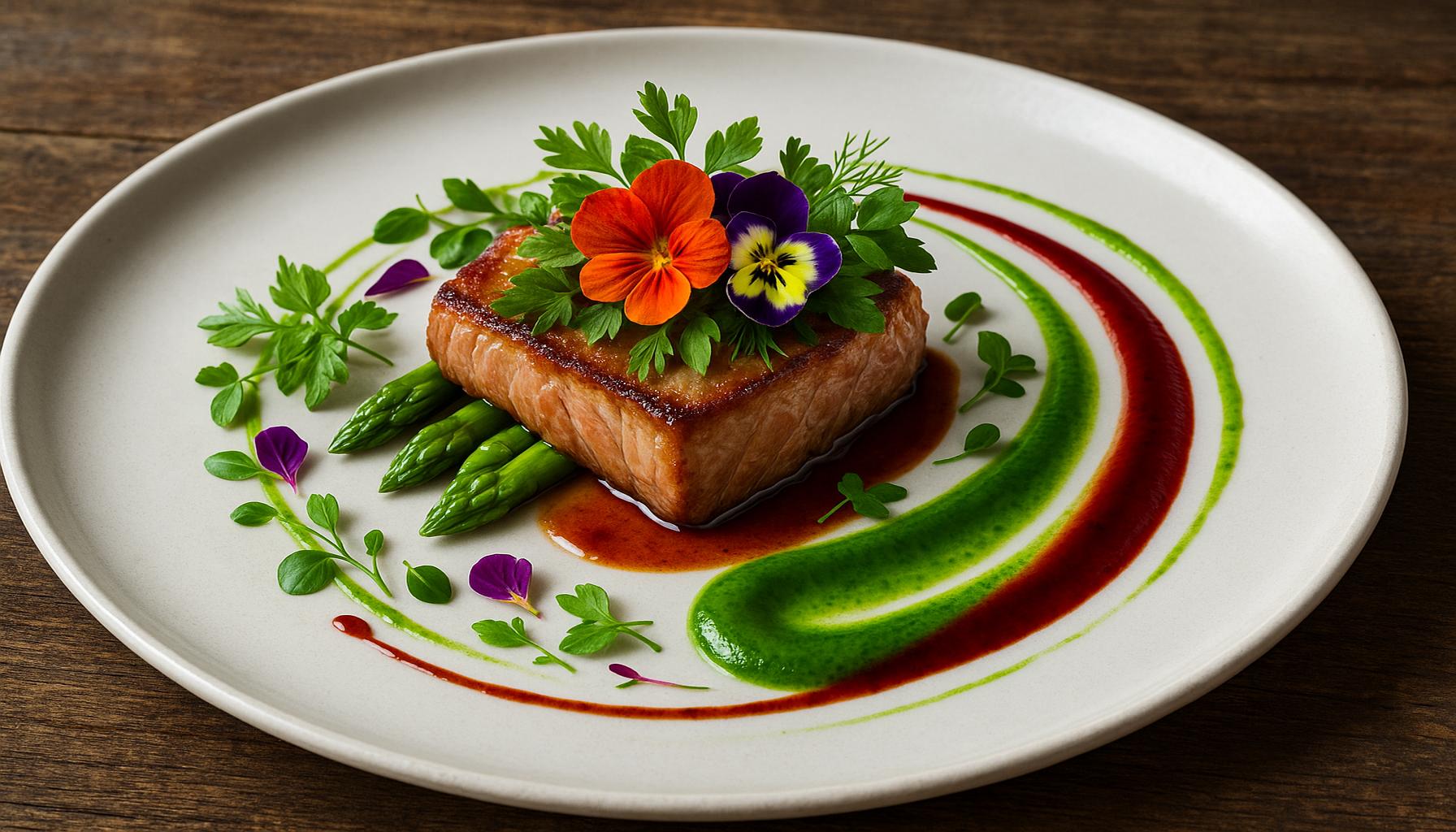
- Negative Space: Utilizing empty space on your plate can be just as powerful as the food itself. This technique involves strategically placing food to create a sense of balance and tranquility on the plate. For example, a beautifully arranged portion of seared salmon can be complemented by a delicate smear of pea puree and a scatter of microgreens, leaving ample negative space to draw the eye toward the center of the dish.
- Height and Dimension: Adding verticality to your plate can create an enticing focal point. You can achieve this effect by stacking ingredients or using tall garnishes. A satisfying example is a deconstructed taco where the components—crispy tortilla strips, seasoned meat, and fresh toppings—are arranged vertically on the plate, creating an architectural marvel that invites diners to dig in.
- Garnishing with Intent: A well-thought-out garnish can be the finishing touch that enriches a dish. Instead of resorting to traditional parsley sprigs or lemon wedges, explore innovative garnishes like pickled vegetables, edible flowers, or flavored oils. These additions not only enhance visual appeal but also deepen the flavor profile of your dish. For instance, a drizzle of basil oil over a creamy risotto enhances both color and taste, providing an exciting burst of flavor.
Incorporating these techniques into your plating style will not only enhance your culinary creations but will also imbue your mealtime gatherings with an elevated sense of artistry. Consider your choice of tableware as an essential component of the presentation. Plates come in a variety of colors, shapes, and sizes; experimenting with these can dramatically affect how your dish is perceived. White plates provide a classic canvas for vibrant dishes, while darker plates can enhance the luminosity of lighter foods. Additionally, unique shapes—such as deep bowls or asymmetrical plates—can add a creative flair to even the simplest meals.
Presentation isn’t just about stepping outside of traditional frameworks; it’s about invoking emotion and sparking curiosity in your diners. Whether you are a seasoned chef or an avid home cook, take time to delve into the world of plating styles and artistic techniques. As you pursue excellence in dish presentation, keep in mind that the beauty of food lies in the joyful connections it fosters. After all, each plate you serve is an invitation to experience the love and creativity you have infused into the culinary process.
| Category | Key Features |
|---|---|
| Color Palettes | Utilizing complementary colors enhances visual appeal and can stimulate appetites. |
| Texture Variety | Incorporating different textures creates interest and complexity in your dishes. |
| Plating Techniques | Strategic arrangement of food improves presentation, encouraging indulgence and appreciation. |
The magic of plating lies in understanding color palettes and how they influence perception. A dish that boasts vibrant greens and rich reds is not only visually appealing but may also entice diners to savor each bite. The use of color can also reflect seasonal ingredients, bringing a fresh and inviting look to your culinary creations.Integrating texture variety can elevate your dishes further. Creating a balance between crunchy and smooth elements captivates not just the eyes but also the palate. For example, a creamy puree might pair beautifully with crispy vegetable chips, offering a delightful contrast that tempts anyone who sets eyes on it.Moreover, mastering plating techniques, such as the use of negative space and dynamic stacking, allows for a visually enticing arrangement. The careful placement of food on the plate encourages diners to appreciate both the artistry and flavors before them, sparking curiosity in every dish presented. All these techniques showcase how the art of presentation enhances the overall dining experience, making it immensely rewarding. Thus, exploring these creative techniques will inspire enthusiasts to beautify their dishes, enhancing their culinary journey.
DIVE DEEPER: Click here to learn about the evolution of street art
Innovative Plating Styles to Engage the Senses
As you refine your presentation techniques, exploring plating styles can significantly affect the visual dynamics of your dishes. Each style can offer a unique narrative, inviting diners to appreciate your culinary narrative in diverse ways. Here are key plating styles to consider:
- Classic Plating: This timeless approach involves placing the protein as the star of the plate—typically at the center—with accompaniments artistically arranged around it. For example, a perfectly cooked steak may be set atop a bed of creamy mashed potatoes, garnished with bright seasonal vegetables. This style is popular in fine dining as it emphasizes the main ingredient, allowing it to shine.
- Rustic or Messy Plating: This style embraces imperfections, creating a homey and relaxed atmosphere. Ingredients are layered generously and placed haphazardly, suggesting a sense of abundance and comfort. An example of this could be a hearty pasta dish, where strands of noodles, fresh tomatoes, and basil are arranged with flair, giving diners the feeling of indulging in a delicious familial meal. It’s a celebration of flavor and authenticity rather than strict aesthetics.
- Minimalist Plating: For those drawn to simplicity and elegance, minimalist plating is a technique that strips away excess, favoring fewer components on the plate. A prime example could be a delicate scallop dish garnished with a single herb and a splash of citrus. This style focuses on positive space and draws the eye toward high-quality ingredients, emphasizing their freshness.
- Deconstructed Plating: This imaginative style showcases the components of a dish separately rather than combined. Each element is presented in a unique manner, allowing diners to interact with the components individually. A deconstructed cheeseburger may present the beef patty on its own, along with a separate layer of lettuce, a dollop of sauce, and sliced tomato. This technique invites guests to play with flavors and textures, offering a personalized culinary experience.
Beyond plating styles, incorporating artistic elements such as textures and colors can drastically elevate your dishes. Textures, ranging from crunchy nuts to silky sauces, can create a dynamic eating experience. Pairing contrasting textures, like crispy fried onions atop a smooth puree can intrigue the palate, encouraging diners to savor every bite.
Color contrast is another element that can bring vibrancy to your table. Foods with bright, rich colors like vibrant beets, golden squash, or deep green herbs can evoke excitement and stimulate appetite. Adding colorful edible blooms or vibrant powders like beetroot or matcha can transform an ordinary dish into a visual feast. Not only do these components add visual appeal, but they also enhance the overall sensory experience of the meal.
Lastly, consider the importance of ambiance. A well-set table contributes significantly to the overall presentation. Integrating elements like elegant cutlery, carefully folded napkins, and thoughtfully chosen serving platters can enhance the visual appeal of your dining setup. Create a cohesive theme by matching your dish presentation with the overall aesthetics of the dining environment, making every meal a special occasion.Visual storytelling through dish presentation can create an unforgettable dining experience, so embrace these techniques to let your creativity shine.
EXPLORE MORE: Click here to uncover the magic of cultural storytelling
Conclusion: Elevating Your Culinary Experience
In the realm of gastronomy, the presentation of your dishes is as crucial as the flavors and aromas that dance upon the palate. The art of presentation not only enhances visual appeal but also transforms a meal into an experience that resonates on multiple levels. By experimenting with various plating styles, from classic to minimalist, you can craft a story that invites diners into the world of your culinary creativity.
Incorporating creative elements such as textures and colors further enriches this journey, encouraging a deeper connection with each bite. The vibrant hues of seasonal ingredients and the contrasting effects of different textures can awaken the senses and elevate everyday dining into an extraordinary event. Remember, presentation serves as a canvas for your culinary art, allowing you to express passion, skill, and innovation.
No less important is the ambiance that surrounds the meal; a well-curated dining setting can frame your beautifully presented dishes, enhancing the overall guest experience. With thoughtful attention to detail in both presentation and environment, every meal can become a cherished memory.
As you continue to explore the art of presentation, don’t shy away from pushing boundaries and embracing new techniques. The world of cooking is ever-evolving, and your creativity is boundless. Embrace this opportunity to delight guests visually as much as culinarily, and you’ll discover that each plate served is not just food; it’s an invitation to indulge in an experience worth savoring.