Developing Self-Discipline Through Learning Musical Instruments
The Transformative Journey of Learning Music
Learning to play a musical instrument is more than just picking up notes; it’s a journey of personal growth. As enthusiasts embark on this journey, they often discover that it requires a level of self-discipline that extends into other areas of life. The process of mastering an instrument creates a framework for achieving goals and developing important life skills. From the first awkward notes to the sophisticated melodies of advanced compositions, musicians find themselves on a path that demands commitment and resilience.
Consider the ways music education fosters discipline:
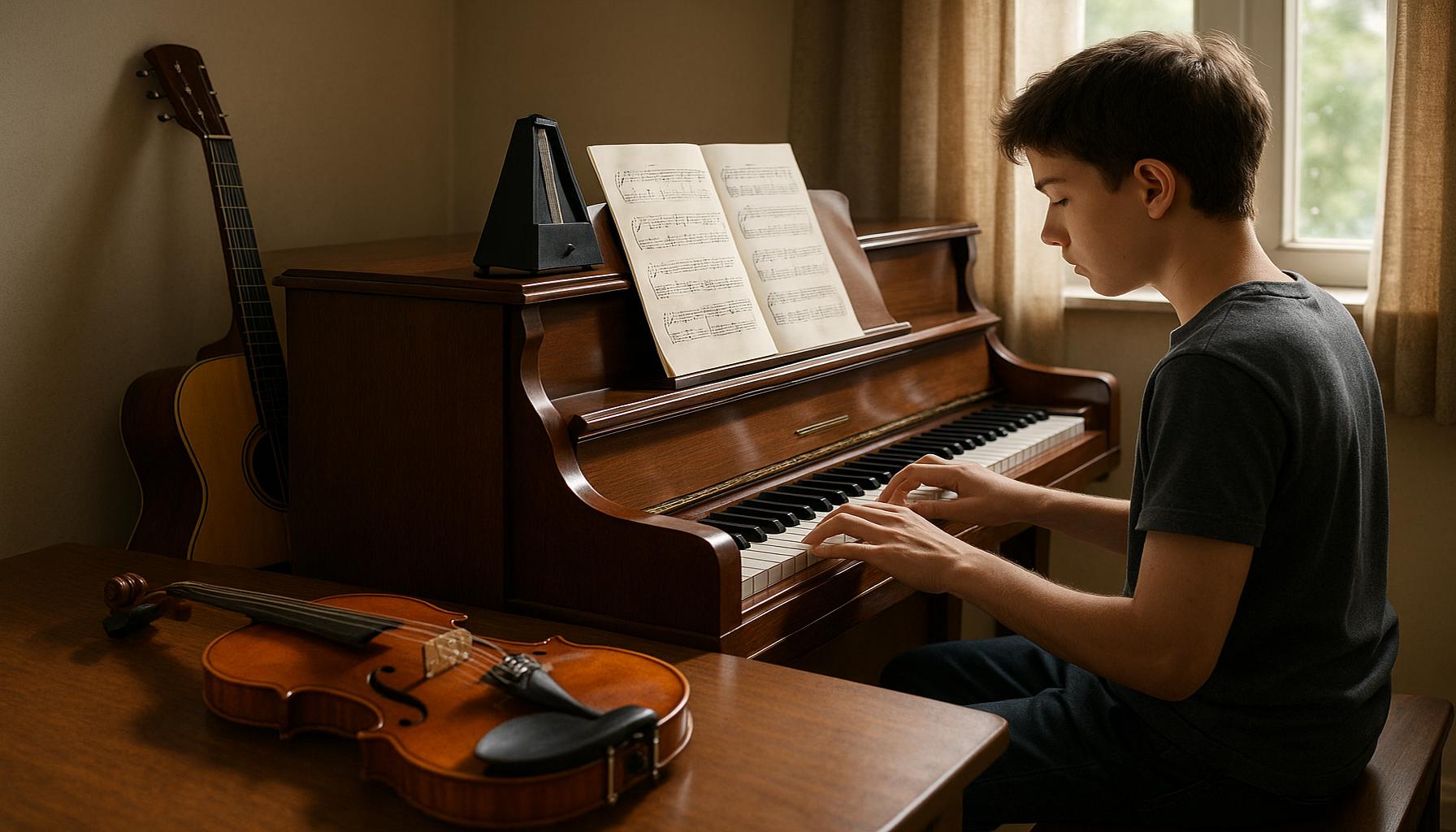
- Routine and Consistency: The necessity for daily practice schedules nurtures the habit of consistency. For instance, a young violinist might allocate ten minutes in the morning and another thirty minutes after school for focused practice. This regular repeatability not only aids in improving their musical skills but also helps develop a structured approach to other tasks, such as homework or sports training. Over time, this habit can enhance time management skills, showing learners the value of setting a schedule and sticking to it.
- Focus and Concentration: Engaging with complex pieces demands undivided attention. When mastering challenging music, a pianist must learn to read sheet music, manage hand coordination, and interpret emotional nuances. This multi-layered engagement sharpens their focus, teaching them to block out distractions. The ability to concentrate deeply is invaluable in a world filled with interruptions, beneficial for both academic success and professional environments.
- Patience and Persistence: Progressing through challenges instills a sense of perseverance. Learning to play a challenging passage or perfecting a piece can take weeks or even months. The occasional frustration that arises during these periods teaches students to embrace challenges and persist despite difficulties. Whether it’s preparing for a recital or tackling a difficult school project, this persistence translates into success across other areas of life.
In the United States, a significant number of schools incorporate music programs aimed at enhancing academic performance and personal development. For instance, in states like California and New York, music education is often included in the core subjects, resulting in reported improvements in students’ overall performance. Studies suggest that musical training can lead to improved cognitive functions, which translate to better decision-making and problem-solving abilities. Some research indicates that students involved in music education often score higher on standardized tests, showcasing that the skills garnered through music can have a broad impact on educational achievement.
As learners dive into their musical pursuits, they not only gain the ability to create beautiful sounds but also cultivate invaluable qualities that can shape their future. From the confidence gained in performing in front of an audience to the self-esteem built through mastering challenging techniques, the skills learned through music are transformative. Exploring how these qualities interlink with self-discipline highlights the profound power of music education, a crucial component in fostering not just musicians but well-rounded individuals ready to tackle the complexities of life.
DIVE DEEPER: Click here to discover more
Music as a Catalyst for Personal Growth
Venturing into the world of music through learning an instrument significantly redefines one’s approach to self-discipline. As students engage in this artistic pursuit, they inadvertently develop key characteristics that foster not only musical proficiency but also essential life skills. These transformative qualities include commitment, adaptability, and a deepened emotional intelligence.
Commitment: The Heartbeat of Mastery
One of the first lessons learned through music is the essence of commitment. Whether it’s the dedication to practice every day or the determination required to improve, mastering an instrument instills a sense of obligation to oneself and one’s craft. For example, a budding guitarist may commit to daily practice sessions that grow longer as their skills develop. Each strum and chord learned requires an unwavering commitment, teaching the student to see their goals through to fruition, a lesson that translates beautifully into academic work and professional settings.
Adaptability: Navigating Challenges
Learning a musical instrument also invites a myriad of challenges that require quick thinking and adaptability. The path to proficiency is often peppered with hurdles—whether it’s learning a new finger position on the fretboard or adjusting to a faster tempo. Each challenge compels the learner to adapt their strategies. For instance, a student preparing for their piano recital may encounter unexpected technical difficulties, prompting them to devise new practice techniques or seek guidance from a teacher. This flexibility nurtures problem-solving skills, which are crucial in navigating life’s unpredictable turns.
Emotional Intelligence: The Power of Expression
Beyond technical skills, music education also fosters a deeper understanding of emotion and expression. Musicians learn to interpret feeling through their instruments, engaging with the nuances of performance that reflect their inner experiences. This cultivation of emotional intelligence can be pivotal; those who express themselves musically often find they are better equipped to manage their own feelings and understand those of others. This heightened awareness can enhance interpersonal relationships, allowing individuals to connect more deeply with peers, friends, and family.
The Synergy of Music and Discipline
The intersection of music and self-discipline can be further illustrated by examining the habits musicians adopt. Music students often embrace practices that include:
- Goal Setting: Musicians set specific milestones, such as mastering a scale or completing a piece by a certain date, aligning their efforts systematically toward achieving their objectives.
- Accountability: Regular lessons or group performances create a sense of accountability, pushing students to stay focused and committed to their practice routines.
- Feedback Reception: Musicians learn to accept constructive criticism, refining their skills and approaches based on feedback from instructors or peers.
As these habits solidify over time, students find themselves better equipped not only in music but in any endeavor they choose to pursue. Developing self-discipline through learning musical instruments lays the groundwork for personal achievement and sustained growth.
| Category | Advantages |
|---|---|
| Time Management | Learning a musical instrument requires a commitment to practice, helping individuals master effective time management skills. |
| Boosted Confidence | Regularly improving through practice leads to a significant boost in self-confidence as individuals see tangible progress. |
| Enhanced Focus | Playing an instrument promotes heightened focus and concentration, essential traits for personal development. |
| Emotional Expression | Music provides a unique avenue for emotional expression, which can lead to better mental well-being. |
Understanding the connection between musical training and self-discipline opens new doors to personal growth. As learners engage with instruments, they adhere to a structured practice routine that inherently cultivates their disciplinary skills. Discovering this, many individuals report improved performance not only in music but also in academic and professional settings. Remarkably, studies have shown that students who learn music often demonstrate enhanced cognitive skills and emotional intelligence. Consequently, diving into the world of music can be a transformative experience, shaping character aspects that persist well beyond the last note played. The discipline acquired through practice becomes a valuable tool, empowering individuals to pursue success in various life facets.
DISCOVER MORE: Click here for creative felt projects
Cultivating a Structured Mindset
As learners dive deeper into the realm of music, they often discover that it is not merely about playing notes but also about cultivating structured thinking. This structured mindset is integral to developing self-discipline, as it necessitates organizing thoughts and actions to maximize practice effectiveness. For example, consider a violin student who approaches their practice with a clear plan: warming up with scales, focusing on challenging passages, and ending with a play-through of their favorite piece. This organization not only enhances learning efficiency but also reinforces the idea that success is built on a foundation of well-laid plans.
Time Management: The Rhythm of Life
Learning an instrument is a time-consuming endeavor, often requiring hours of practice weekly. This can seem daunting, especially for those managing multiple responsibilities such as school, work, and social commitments. However, through the process of learning music, students quickly become adept at time management. For instance, many musicians begin to utilize techniques such as the Pomodoro technique, where practice is divided into focused intervals followed by brief breaks. This method not only maximizes productivity during practice but also translates effectively into other areas of life, allowing individuals to juggle various commitments more effectively. The discipline of setting aside specific times each day for practice nurtures an ability that can be applied to studying, project deadlines, and personal responsibilities.
Resilience: Overcoming Setbacks
Music, like life, is filled with ups and downs. As aspiring musicians encounter challenges—such as a difficult piece or a lack of progress—they learn resilience. The ability to persevere despite setbacks is a critical aspect of self-discipline. A common scenario is when a student struggles with a particular measure of a song, prompting frustration. Instead of giving up, the musician learns to break the section down into smaller, manageable parts, tackling each segment until mastery is achieved. This approach teaches students the importance of incremental progress, demonstrating that persistence and hard work often yield fruitful results.
Community and Collaborative Learning
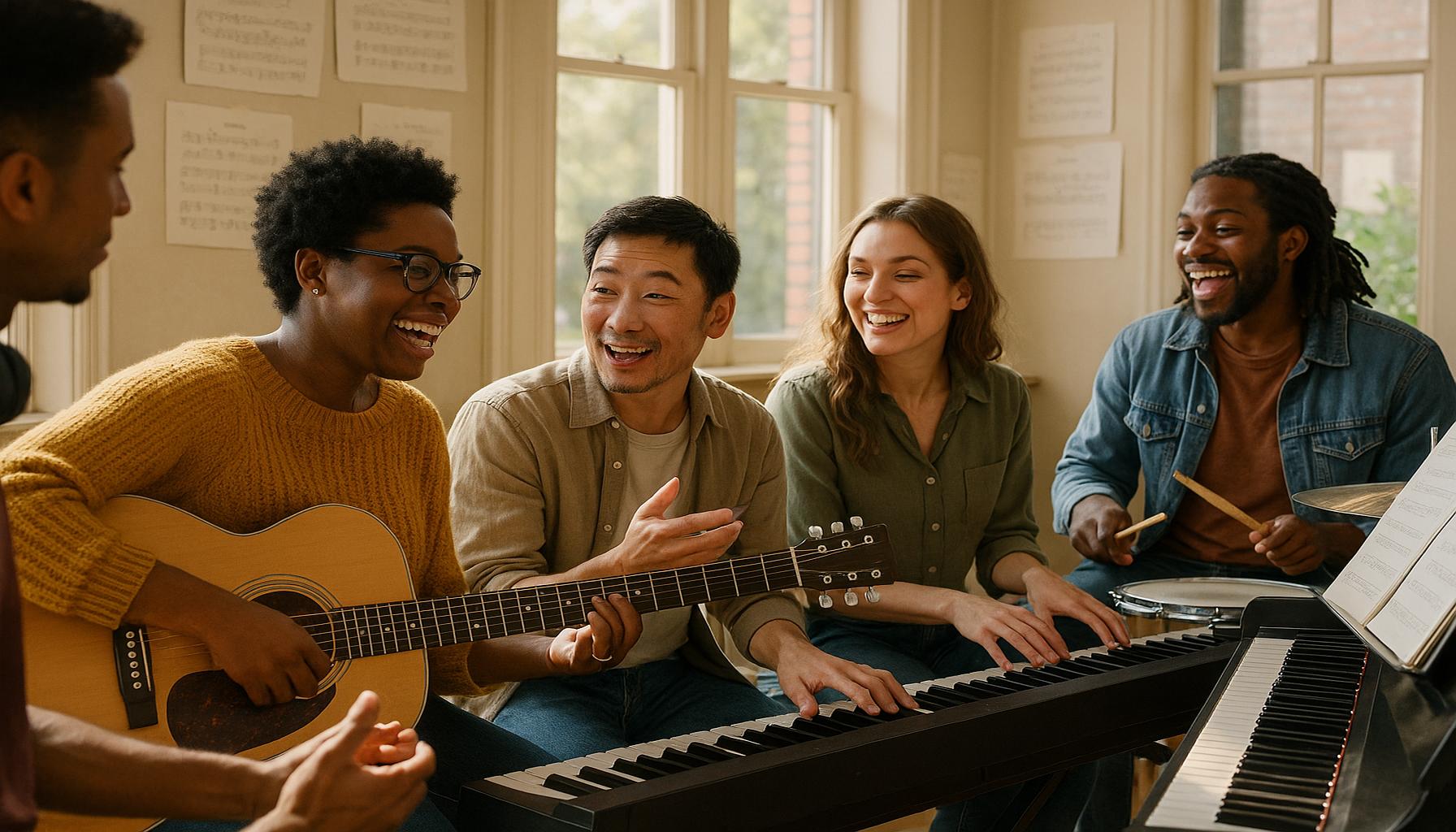
The journey of learning music is not solitary; it often involves engaging with others, whether through group lessons, ensembles, or informal jam sessions. This communal aspect fosters a sense of connection, further enhancing a student’s commitment and discipline. Learning from peers and mentors provides unique perspectives and insights into musicianship. Moreover, participating in group performances helps students understand how their individual contributions impact the collective sound, instilling a sense of responsibility and accountability towards practicing not just for themselves but for their team. This collaborative learning experience pushes students to maintain discipline in their practice routines, knowing that others depend on their growth.
The Lifelong Benefits of Musical Discipline
As learners progress in their musical journeys, the self-discipline cultivated through daily practice has a long-lasting impact beyond their music education. Studies have shown that individuals who play musical instruments tend to excel in various fields such as mathematics, science, and language arts, partly due to the cognitive benefits associated with learning music. The mental acuity developed through musical training enhances concentration, multitasking, and analytical skills—qualities essential for academic and career success. Furthermore, the confidence built through mastering an instrument can empower learners to pursue their passions fearlessly, leading them to explore new avenues in their personal and professional lives.
Ultimately, developing self-discipline through learning musical instruments creates a virtuous cycle of personal growth and achievement, leading to meaningful successes in all aspects of life.
EXPLORE MORE: Click here to discover the power of narrative in culinary arts</p
Conclusion: The Harmonious Path to Self-Discipline
In summary, the journey of developing self-discipline through learning musical instruments extends far beyond mastering melodies. As we explored, engaging with music requires an array of psychological skills, from cultivating a structured mindset to honing effective time management and resilience in the face of challenges. These critical skills are not only essential for musical excellence but are also transferable to various life domains, enriching academic performance, enhancing career prospects, and fostering personal growth.
Furthermore, the communal aspect of musical education promotes collaboration and accountability, reinforcing the idea that individual discipline fuels a greater collective purpose. Learning together not only enriches the musical experience but also strengthens the bonds among peers, reminding us that cooperation and community play significant roles in our development.
Thus, the discipline cultivated during music lessons serves as a lasting advantage, equipping individuals with tools to navigate both personal and professional landscapes. The evidence is clear: those who pursue musical training not only find joy in their craft but also unlock pathways to success in various fields. So whether one picks up a guitar, sits at the piano, or grips a violin bow, the commitment to mastering an instrument serves as a transformative journey—one that orchestrates a lifetime of benefits through the sweet harmony of self-discipline.
Ultimately, choosing to learn a musical instrument is not just about creating beautiful sound; it is about preparing oneself for a symphony of experiences that will resonate throughout life.