
Writing Between Cultures: How Travel and Cultural Experiences Can Enrich Your Creativity
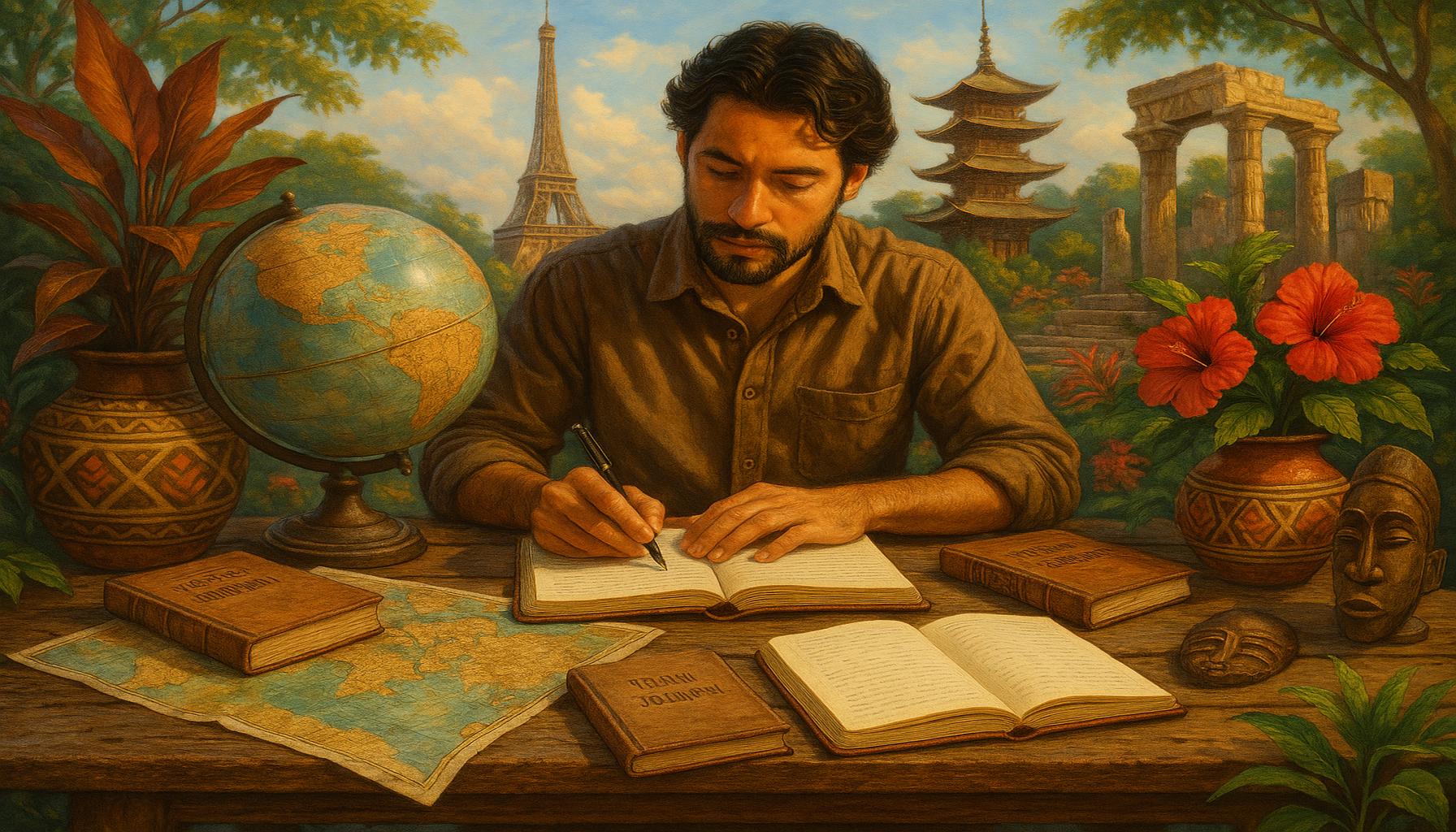
Unlocking Creativity Through Cultural Exploration
Immersing yourself in different cultures can be transformative for your creativity as a writer. The infusion of diverse perspectives and experiences into your work can invigorate your imagination and offer fresh insights. When you engage with cultures distinct from your own, it invites a wealth of new stories, unique expressions, and visual inspiration, ultimately enriching your narrative craft.
New Stories Await
Every culture boasts a treasury of narrative traditions that can serve as vital inspiration for writers seeking originality. For instance, indigenous storytelling often involves oral traditions passed down through generations, infusing tales with deep historical significance and moral teachings. A visit to a Native American reservation could expose you to storytelling methods that blend spirituality with everyday experiences, providing a fresh lens through which to view your own narratives.
Unique Expressions Enhance Language
Languages and idioms encapsulate cultural nuances that can revolutionize how emotions and thoughts are expressed. Imagine how a simple phrase can encapsulate a complex idea or feeling, challenging you to think outside your typical linguistic frameworks. For instance, learning Spanish might introduce you to phrases like “dar en el clavo,” meaning to hit the nail on the head, which could inspire you to develop metaphors that resonate on multiple levels in your writing.
Visual Inspiration Fuels Descriptive Skills
Art forms, music, and architecture from various cultures serve as powerful stimuli for your imagination. Picture the intricate designs of an African market or the vibrant murals of a South American city. Each unique visual aspect you encounter can enhance your descriptive skills and artistic thinking, enabling you to paint rich, vivid scenes for your readers. Think of how the bold colors and geometric patterns in Mexican folk art could inspire a story set in a colorful, bustling town.
The Role of Travel in Creativity
Travel offers unparalleled opportunities to immerse yourself in unfamiliar environments. The sensory experiences that accompany traveling—the smells of street food, the sounds of local music, the texture of traditional textiles—contribute to a richer understanding of the world and, importantly, of yourself. Engaging with various cultures encourages deeper empathy and fosters a sense of connectedness with humanity as a whole.

Writers who actively embrace cultural exploration often produce work that resonates on a more profound level. Engaging with people from diverse backgrounds not only broadens your worldview but also opens the door for exciting collaborations. These interactions can lead to transformative projects that blend artistic visions and storytelling approaches from multiple cultures.
Pathways to New Creative Horizons
- Cultural immersion enhances narrative depth by providing context and layers to characters and settings.
- Travel experiences cultivate empathy, helping writers connect more authentically with their audience.
- Interactions with locals introduce you to alternate modes of expression, enriching your narrative toolbox.
Embarking on a journey of cultural discovery can unlock new pathways in your creative writing, leading you to explore themes, characters, and stories that might have otherwise remained hidden. The fusion of travel and culture can serve as a source of endless inspiration, reminding you that the world is an intricate tapestry of human experience, waiting to be woven into your next narrative masterpiece.
DISCOVER MORE: Click here to delve deeper
Harnessing the Power of Immersion
Immersive travel experiences hold a unique ability to spark creativity in writers, allowing them to step outside familiar surroundings and engage with lives and narratives that differ vastly from their own. By placing yourself in new cultural landscapes, you not only broaden your understanding of the world but also challenge your creative boundaries. This exploration often leads to unexpected encounters that deepen your storytelling ability and inspire innovation in your writing.
Experiential Learning Enhances Perspective
Every trip you take is an opportunity for experiential learning, where real-life situations teach valuable lessons that no classroom can replicate. For instance, traveling through the winding streets of New Orleans exposes you to a rich tapestry of music, cuisine, and the lingering echoes of Creole culture. Each moment contributes to a reservoir of experiences that can inform the authenticity of your characters, settings, and plots. Engaging with locals can offer anecdotes and histories that enrich your narrative landscape, revealing stories that have not yet been captured in writing.
The Influence of Displacement on Creativity
Writers often find that experiencing cultural displacement can be a powerful catalyst for creativity. The feelings of unfamiliarity that arise when navigating new places can evoke a sense of vulnerability that fosters artistic growth. For example, as a writer steps into a bustling street market in Marrakech, surrounded by the aroma of spices and the vibrant fabrics of local artisans, the disorientation might spark inspiration to write about a character’s journey of self-discovery amidst chaos. Such dissonance encourages a deeper emotional investment in your narrative, as characters confront their own displacements.
Building Bridges Through Shared Experiences
Travel serves as a critical reminder that, despite our differences, many core human experiences resonate across cultures. The more we engage with these shared experiences, the richer our storytelling becomes. Writers can mine the emotional layers of events universal to all humanity—love, loss, triumph—while weaving in cultural specifics to create a more layered narrative. The heart-wrenching stories shared around a family dinner in an Italian household may echo through your own work, adding depth to character relationships or plot dynamics.
- Cultural narratives can guide your character development, offering unique traits shaped by their environment.
- Embodying new perspectives can lead to innovative story structures or themes that resonate with diverse audiences.
- Experiences of displacement cultivate storytelling authenticity, allowing you to draw parallels with your characters’ journeys.
Traveling not only opens up new worlds for writers but also fosters creativity through the synthesis of diverse cultural experiences. As you draw inspiration from the lands you explore, remember that the creative process is not just about construction; it’s also about collaboration with the rich narratives and histories encountered along the way. Whether through a café conversation in Paris or a quiet moment in a Kyoto temple garden, each encounter presents a chance to expand your creative horizon.
| Cultural Awareness | Diverse Perspectives |
|---|---|
| Expanded Worldview | Travel immerses individuals in different cultural contexts, fostering an understanding of diverse lifestyles. |
| Enhanced Empathy | Experiences abroad enable writers to craft multidimensional characters, bringing unique stories to life. |
Exploring the myriad dimensions of travel and cultural experiences can ignite a writer’s imagination, transforming simple narratives into profound reflections. Cultural awareness gained through travel is essential for writers wishing to delve deeper into human emotions and social interactions. By understanding different customs, traditions, and beliefs, authors can infuse their work with authenticity, capturing the essence of varied lifestyles and human connectivity.Moreover, diverse perspectives encourage creativity, as writers are challenged to think beyond their own experiences. This exposure doesn’t just enrich their writing but also enhances their capacity for empathy, invaluable in creating relatable characters that resonate with readers. Each destination opens up a new world of narratives and possibilities, providing fodder for evocative storytelling that bridges cultures and conveys the universal human experience.
DISCOVER MORE: Click here to unlock new creative insights
Embracing the Unfamiliar
Stepping into the unknown can be uncomfortable, yet it is often within this discomfort that the most profound creative breakthroughs happen. Writers who embrace the unfamiliar—whether that be trying a local dish that shocks the palate or navigating the nuances of a foreign language—learn to adapt and innovate. This adaptation can lead to rich, multilayered narratives where the essence of cultural diversity is weaved seamlessly into the fabric of the story.
The Role of Conflict in Storytelling
Cultural experiences often present writers with scenarios rife with conflict, which is a powerful element in storytelling. When immersed in an environment that challenges your preconceived notions, it can ignite a tension within that drives creativity. For instance, a writer exploring the political landscapes of Cuba might stumble upon stories of resilience amid hardship. The duality of oppression and hope can build dynamic characters, each wrestling with their cultural identity and societal expectations, leading to compelling narratives that resonate deeply with readers.
Language as a Cultural Gateway
Language is not just a communication tool; it also serves as a cultural lens through which writers can perceive the world. Engaging with languages that differ significantly from your own can shift your understanding of storytelling structures and themes. In many cultures, proverbs or idiomatic expressions encapsulate wisdom that can translate into profound character insights or plot twists. For example, the Japanese concept of ‘Mono no Aware’—the beauty of transient things—can inspire a writer to explore themes of impermanence in their work, enriching the depth and emotional resonance of the narrative.
Collaboration and Connection
In the age of globalization, the potential for collaboration across cultures is greater than ever. Engaging with fellow writers or artists from diverse backgrounds can offer fresh perspectives and invaluable feedback. A collaborative writing workshop in Edinburgh might reveal cultural storytelling techniques that challenge the norm, providing insights that can be adapted into your own style. These shared experiences foster a network of creativity that not only enhances individual projects but also creates a tapestry of narrative voices that celebrate diversity.
- Conflict in storytelling can emerge from cultural clashes, leading to deeper character exploration and engaging plots.
- Language offers unique insights and inspires new narrative structures that enrich your writing.
- Collaboration with international peers can enhance creativity, offering fresh perspectives and fostering innovation.
As writers engage with the unfamiliar, they uncover and reflect on their cultural biases, leading to authentic narratives that resonate with a wide audience. The stories born from these experiences not only reflect the writer’s journey but also serve as a bridge connecting diverse readers. By sharing the rich tapestries of experiences that travel provides, writers can ultimately contribute to a more inclusive literary landscape that truly celebrates the beauty of cultural diversity.
DIVE DEEPER: Click here to discover the influence of social media on culinary trends</p
Conclusion: The Transformative Power of Cultural Engagement
In the intricate dance of writing between cultures, travel and immersive experiences emerge as powerful catalysts for creativity. By stepping outside of one’s comfort zone, writers unlock a treasure trove of perspectives, insights, and narratives that can breathe life into their work. Embracing the unfamiliar not only challenges established norms but also fosters adaptability, enabling writers to weave complex, culturally rich stories that resonate with a broader audience.
As explored, conflict in storytelling arises from the rich tapestry of cultural differences, igniting character depth and enhancing plotlines. Additionally, the beauty of language serves as a significant avenue for additional layers of meaning, revealing how nuanced expressions can shape profound narrative arcs. Through the art of collaboration, writers harness the collective wisdom of diverse literary traditions, creating a dynamic exchange of ideas that nurtures innovation and fosters inclusivity.
Ultimately, the stories crafted from these cross-cultural experiences not only reflect the unique journeys of writers but also establish connections that transcend geographical boundaries. By sharing tales infused with cultural authenticity, authors can bridge divides, cultivate empathy, and celebrate the rich diversity of human experience. As writers in the United States and beyond continue to explore and document the world around them, they contribute to a literary landscape that is as vibrant and varied as the cultures that inspire it. With every word penned, the potential for creativity is limitless—inviting the reader to travel, learn, and appreciate the shared humanity that binds us all.