
Writing with Music: The Relationship Between Melodies and Literary Creativity
Captivating Connections
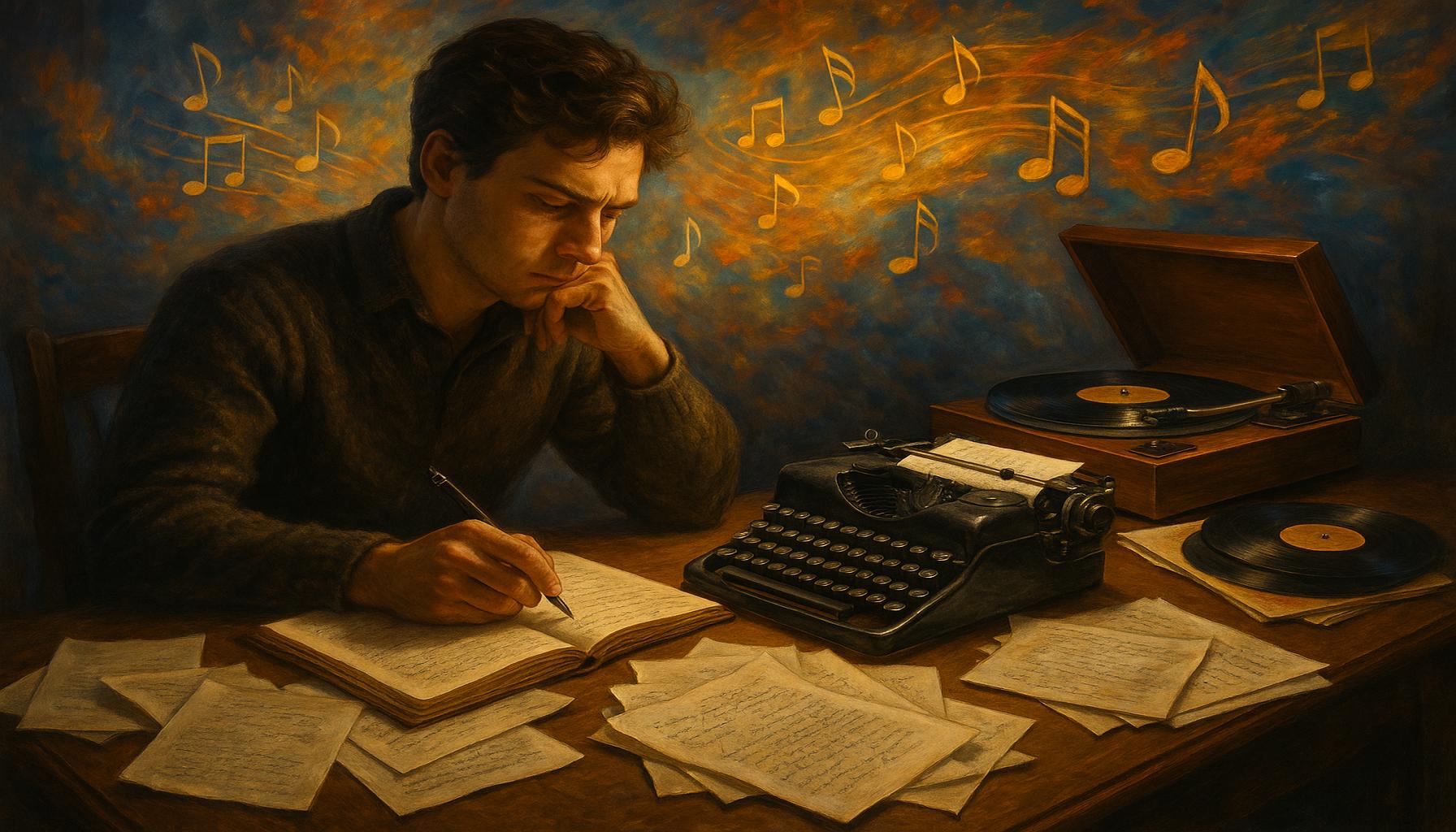
Imagine sitting at your desk, pen in hand, as the soft melodies of your favorite playlist flow through the air. For many writers, music serves as a crucial companion, influencing the creative process in profound ways. But how exactly does music impact writing?
The Influence of Rhythm and Melody
The interplay between melody and literary creativity is intricate and fascinating. Here are some elements to consider:
- Inspirational Soundtracks: Certain genres can evoke specific emotions, helping writers to connect with their characters or themes. For instance, a writer seeking to evoke a sense of nostalgia may turn to classic folk music, while someone working on a thrilling mystery might find that up-tempo pulsating electronic music sets the right tone.
- Focus Enhancers: Instrumental music can aid concentration, allowing writers to delve deeper into their thoughts without the distraction of lyrics. Genres such as classical or ambient music can create a peaceful environment that fosters creativity. Studies suggest that a steady rhythm can help organize thoughts and improve writing productivity.
- Creating Atmosphere: Soundscapes can enhance the mood of a scene, making it vivid and relatable. Whether it’s the roaring sound of a storm or the gentle rustling of leaves, these aural elements can transform descriptive passages into immersive experiences, allowing readers to feel as if they are part of the narrative.
Music as a Muse
Numerous authors have openly embraced music as part of their writing ritual. Notable figures such as:
- Haruki Murakami, who finds solace in jazz, often weaving musical references seamlessly into his narratives, reflecting the rhythm of the jazz era in his prose.
- Stephen King, who listens to rock while plotting his narratives, drawing inspiration from the raw energy and storytelling inherent in rock lyrics.
- Toni Morrison, who appreciates the rhythms of African American music, infusing her literary work with a musical cadence that richly represents her cultural heritage.
These examples reveal a common thread: music can ignite the creative spark and transform the writing experience. This relationship is not just limited to established authors but extends to aspiring writers who often curate tailored playlists to suit their writing moods. Many find that their writing flows more freely and authentically when accompanied by the right melodies.
As we explore the connection between melodies and literary creativity, we uncover a world brimming with inspiration for both writers and musicians alike. The interaction of sound and writing has the potential to unlock new imaginations and elevate storytelling to new heights. Thus, for those immersed in the world of words, embracing music as a creative ally is not just beneficial, but perhaps essential. This fusion can lead to innovative storytelling techniques and unforgettable characters that resonate deeply with readers, ultimately enhancing their literary experiences.

DISCOVER MORE: Click here to dive deeper
Melodies as Catalysts for Creativity
As we delve deeper into the relationship between melodies and literary creativity, it becomes clear that music serves not only as a backdrop to the writing process but also as a dynamic catalyst that can shape narratives. The influence of sound on the creative mind has been a topic of exploration for many researchers and writers alike. Insights from fields such as psychology and neuroscience reveal how music can trigger specific emotional responses, enhancing the writer’s ability to create compelling characters and vivid settings.
Emotional Resonance and Narrative Depth
Music possesses a unique power to evoke emotions; a single note can transport a listener through time and space. For writers, tapping into this emotional resonance can enrich their storytelling. Consider the following ways music can deepen narrative depth:
- Character Development: Writers often use music to better understand their characters’ emotions. A character grappling with internal turmoil may resonate with somber music, while a character experiencing elation could be paired with uplifting tunes. These emotional connections not only help writers empathize with their characters but also enhance authenticity in their portrayals.
- Thematic Inspiration: Music genres often embody distinct themes and messages that can inspire narrative arcs. A writer exploring themes of loss might find poignant orchestral pieces conducive to invoking necessary emotions for authentic storytelling. By matching thematic elements with corresponding melodies, writers can create a more cohesive and impactful literary work.
- Dialogue and Language: The rhythm and flow of a musical piece can influence a writer’s choice of words. The cadence of a lullaby might encourage gentle, soothing dialogue, whereas a pounding symphony could inspire sharp, punchy exchanges. By drawing on the rhythmic patterns of music, writers can craft dialogue that feels more dynamic and engaging.
This interplay between sound and writing is not merely coincidental; it is rooted in the cognitive processes that govern creativity. Studies suggest that engaging with music activates multiple areas of the brain, allowing for a more enriched creative experience. The combination of auditory stimulation and the act of writing can lead to the production of original ideas and inspired storytelling.
Personal Playlists: A Writer’s Secret Weapon
Many writers have discovered the transformative power of personal playlists tailored to their writing tasks. Crafting a playlist not only helps to set the mood but also acts as an emotional anchor, guiding writers through their creative journeys. These carefully curated compilations may vary dramatically from writer to writer, illustrating the subjective nature of musical preferences. While some may turn to soothing sounds of nature, others might find energizing rock anthems to be most effective. The key lies in experimentation.
Ultimately, music can be a writer’s secret weapon, transforming the writing experience into something that resonates on both a personal and artistic level. By embracing the rhythmic synergy between melodies and words, emerging writers can discover new dimensions of creativity that lead to evocative, engaging stories. As we continue to explore this relationship, it is clear that for many, the act of writing is inseparable from the melodies that inspire it.
| Category | Description |
|---|---|
| Inspiration | Music can evoke emotions and inspire themes that enhance literary creativity. |
| Mood Enhancement | Different melodies can shift a writer’s mood, leading to diverse writing styles and expressions. |
| Rhythm in Writing | Musical rhythm mirrors prose flow, enhancing the lyrical quality of writing. |
| Enhanced Focus | Listening to music while writing can improve concentration and prolong creative thought. |
| Improving Imagination | Melodies stimulate visualization, making storytelling more vivid and engaging. |
The intrinsic bond between melodies and literary creativity forms a rich tapestry of expression. Music does not merely accompany writing; it actively shapes the writer’s inner landscape. As noted, inspiration is a powerful force, where the right soundtrack can unlock depths of thought and narrative potential previously untapped. Additionally, music enhances mood, allowing writers to access a spectrum of feelings that naturally permeate their prose, making characters and settings come alive.Moreover, the rhythmic qualities of music can be reflected in writing itself. Whether one is penning poetry or prose, understanding the cadence often aids in developing a unique voice. Furthermore, the practice of listening to music while immersed in writing tasks can create conditions optimal for concentration. This synergy between sound and sentence structure can lead to profound improvements in the imaginative process, enabling creators to weave stories that resonate deeply with their audience.
DIVE DEEPER: Click here to discover the power of self-expression in art
Soundscapes as Storytelling Tools
The role of music in writing extends beyond mere emotional influence; it can serve as an integral component of the storytelling process itself. By integrating soundscapes into their narratives, writers can enhance their world-building, crafting immersive experiences that resonate with readers on multiple sensory levels. The concept of soundscapes—the acoustic environment created by the combination of sounds, music, and silence—can significantly impact how readers engage with a text.
Creating Atmosphere and Setting
One of the primary functions of music is its ability to set an atmosphere. Writers often draw from the ambient sounds and melodies relevant to a particular location or moment in their narrative. For example, a scene set in a bustling city might be complemented by lively jazz or energetic electronic music, conveying the vibrancy of urban life. In contrast, a scene in a secluded forest could be paired with ethereal, nature-inspired soundscapes, invoking feelings of serenity and introspection. This careful alignment of music with setting helps ground the reader’s experience, enabling them to visualize and feel each moment more vividly.
- Genre Considerations: Different genres of literature can inspire specific musical selections. A writer crafting a dystopian narrative may favor industrial ambient tunes, reflecting a gritty and oppressive world. Conversely, those delving into romance might find classical pieces conducive to exploring the nuances of passion and intimacy. Understanding genre conventions and how sound complements storytelling enhances a writer’s ability to evoke the desired emotional responses from readers.
- Symbolic Uses of Music: Music can serve as a potent symbol within a narrative. Writers often use recurring motifs or songs associated with particular characters or themes to reinforce deeper meanings. For instance, a character’s struggle for identity might be underscored by a specific song that reflects their journey, creating a layer of symbolism that resonates throughout the narrative. This technique not only reinforces character development but also deepens the reader’s connection to the material.
- Enhanced Focus and Flow: Besides serving as a backdrop for the narrative, music can help writers achieve a state of flow during the writing process. The right melodies can reduce distractions and promote concentration, allowing writers to dive deeper into their creative waters. Many successful authors report that certain pieces of music become their ‘writing anthems,’ creating an almost ritualistic atmosphere conducive to productivity.
This symbiosis of sound and narrative creates a tapestry of multimedia experience, allowing readers to engage with the text in innovative ways. Research has shown that when sound is weaved into storytelling, it not only captures attention but also facilitates better retention of information. The use of soundscapes can serve to reinforce plot points and themes, making them more memorable and impactful.
The Science of Sound and Writing
Delving into the science behind music and creativity, studies indicate that listening to music can enhance cognitive functions and boost creative thinking. A report from the Journal of Creative Behavior documented that participants who listened to music while solving complex creative tasks displayed higher levels of innovation than those who worked in silence. This cognitive boost can be attributed to the diverse neural pathways activated when engaging with music, which not only facilitate creativity but also promote divergent thinking—essential for any writer aiming to produce original narratives.
As writers continue to explore the intricate relationship between melodies and literary creativity, the impact of soundscapes and atmosphere on storytelling becomes increasingly evident. The fusion of auditory experience and written word not only enriches the creative process but also transforms reader engagement, paving the way for storytelling that resonates more profoundly than ever before.
DIVE DEEPER: Click here to discover how musical practice enhances communication skills
Conclusion: The Harmonious Blend of Sound and Story
The relationship between music and writing is a profound yet often underexplored facet of literary creativity. As this article has illustrated, melodies do much more than provide a background to the writing process; they actively contribute to the construction of narrative worlds, affecting how readers emotionally engage with a story. By harnessing the power of soundscapes, writers can shape the atmosphere and setting of their narratives, ensuring readers are drawn into their crafted realities with heightened senses.
Whether it’s a gritty dystopian tale accompanied by industrial sounds or a heartwarming romance underscored by classical motifs, choosing the right music helps evoke specific emotions and enrich character development. Additionally, the cognitive benefits of listening to music—such as fostering creativity and concentration—further support writers in achieving an optimal state of flow during their creative endeavors. This intricate synergy between auditory experience and literary creation not only enhances productivity but creates a multi-layered reading experience, prompting deeper emotional resonance and retention of themes.
As literary artists continue to explore this boundary-crossing relationship, it becomes clear that integrating music into the writing process offers exciting possibilities for innovation and engagement. Writers are encouraged to experiment with sound in their narratives, pushing the limits of how stories are told and experienced. Ultimately, the future of storytelling may lie in recognizing the essential partnership of music and literary creativity, inspiring us to see words—and their potential—through a new lens.