Exploring Unusual Ingredients: How Creativity in the Kitchen Can Transform Common Dishes
The Culinary World Awaits Innovators
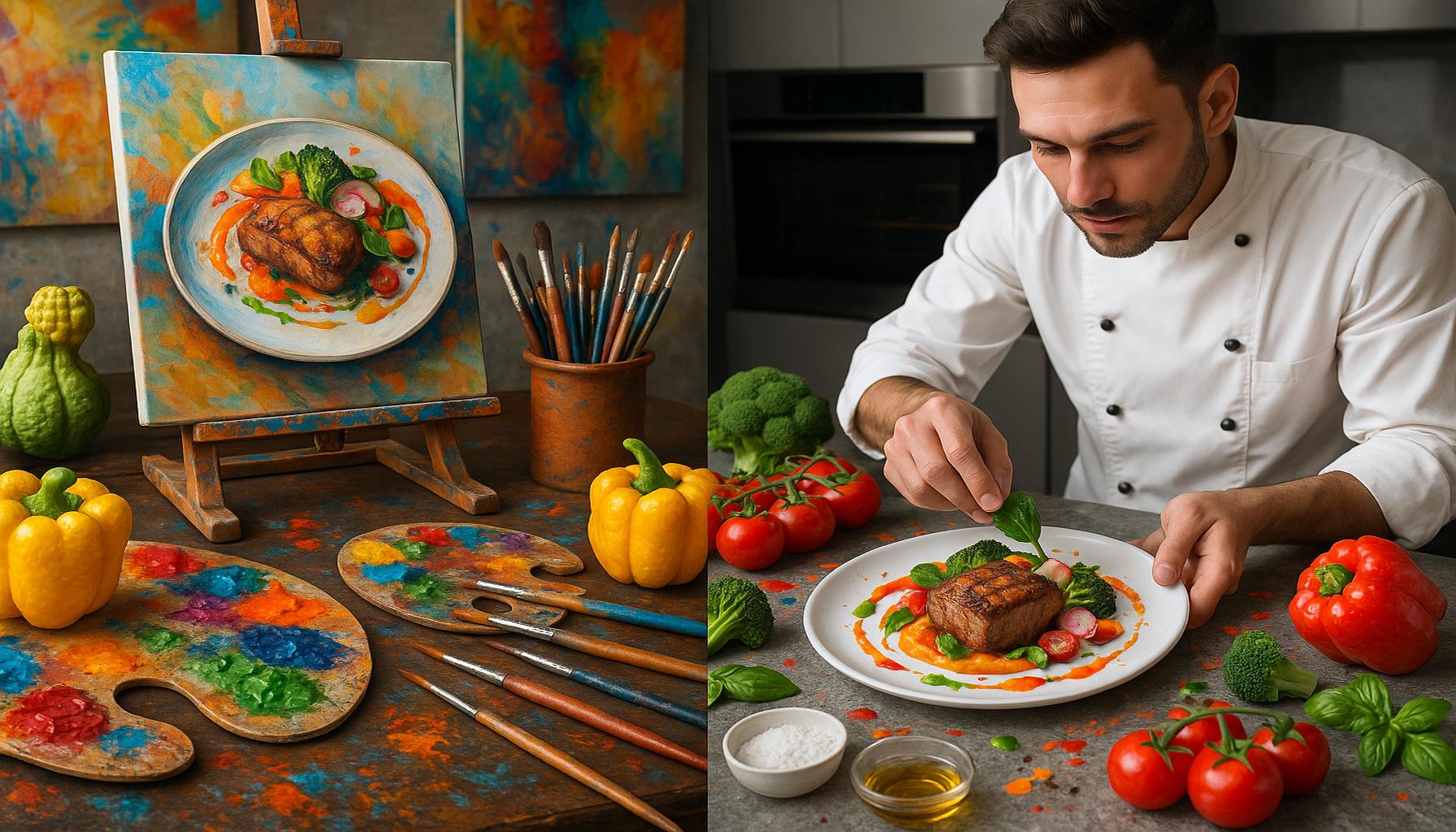
In today’s culinary landscape, the fusion of unusual ingredients serves as a catalyst for creativity, transforming everyday meals into extraordinary culinary adventures. Chefs, both professional and home-based, are venturing beyond conventional flavor profiles, embracing a range of distinctive elements that surprise and delight the palate. This experimentation not only elevates the dining experience but also opens the door for gastronomic exploration.
Consider the myriad possibilities that lie within the realm of unconventional ingredients:
- Matcha Infused Pancakes: This vibrant green tea powder, rich in antioxidants, adds a unique depth of flavor to a beloved breakfast staple. By incorporating matcha, the pancakes take on a beautiful hue, while the earthy notes contrast beautifully with maple syrup, elevating them to an entirely new culinary experience.
- Beetroot Hummus: A delightful twist on classic hummus, beetroot not only provides a spectacular pop of color but also enhances the dip’s nutritional profile. With its earthy sweetness, beetroot hummus pairs wonderfully with pita chips or fresh vegetables, turning a simple appetizer into an impressive centerpiece.
- Black Garlic: Known for its deep umami flavor and distinct sweetness, black garlic can completely transform a straightforward pasta sauce. Its caramelized notes introduce a rich complexity, inviting diners to explore flavors previously unimagined in their comfort dishes.
Creatively utilizing these ingredients inspires cooks to reimagine traditional recipes. A dish that typically relies on standard spices can be invigorated with surprising elements, crafting a dynamic and engaging dining experience. For instance, a simple roast chicken can become a culinary masterpiece when infused with a marinade of miso paste and chili flakes, offering global dimensions to the plate.
The journey into the world of unusual ingredients extends beyond mere flavor. Each ingredient comes imbued with cultural narratives that enrich the cooking process. For example, ingredients like turmeric have roots in Ayurvedic traditions, while kimchi celebrates the rich heritage of Korean cooking. By integrating these foods into American kitchens, cooks can foster a connection with diverse culinary traditions while spurring innovation in their gastronomic creations.
As the fusion cuisine movement continues to captivate chefs across the United States, now is the opportune moment to embrace unconventional elements. Join us as we embark on a flavorful journey into this exciting realm, unveiling tips, tricks, and tantalizing recipes that invite creativity into your everyday cooking. Open your pantry to the world, and let each unique ingredient inspire new dishes that reflect both innovation and tradition.
DISCOVER MORE: Click here to dive deeper
Unmasking the Magic of Unexpected Flavors
The adventure of cooking often begins with the familiar comfort of traditional recipes. However, introducing unusual ingredients into these classics can usher in an entirely new flavor spectrum and a vibrant culinary narrative. This transformation not only captivates the senses but also stimulates our curiosity and creativity. To understand how these unique ingredients can elevate mundane dishes, it is essential to explore the potential flavors, textures, and cultural connections they bring to the table.
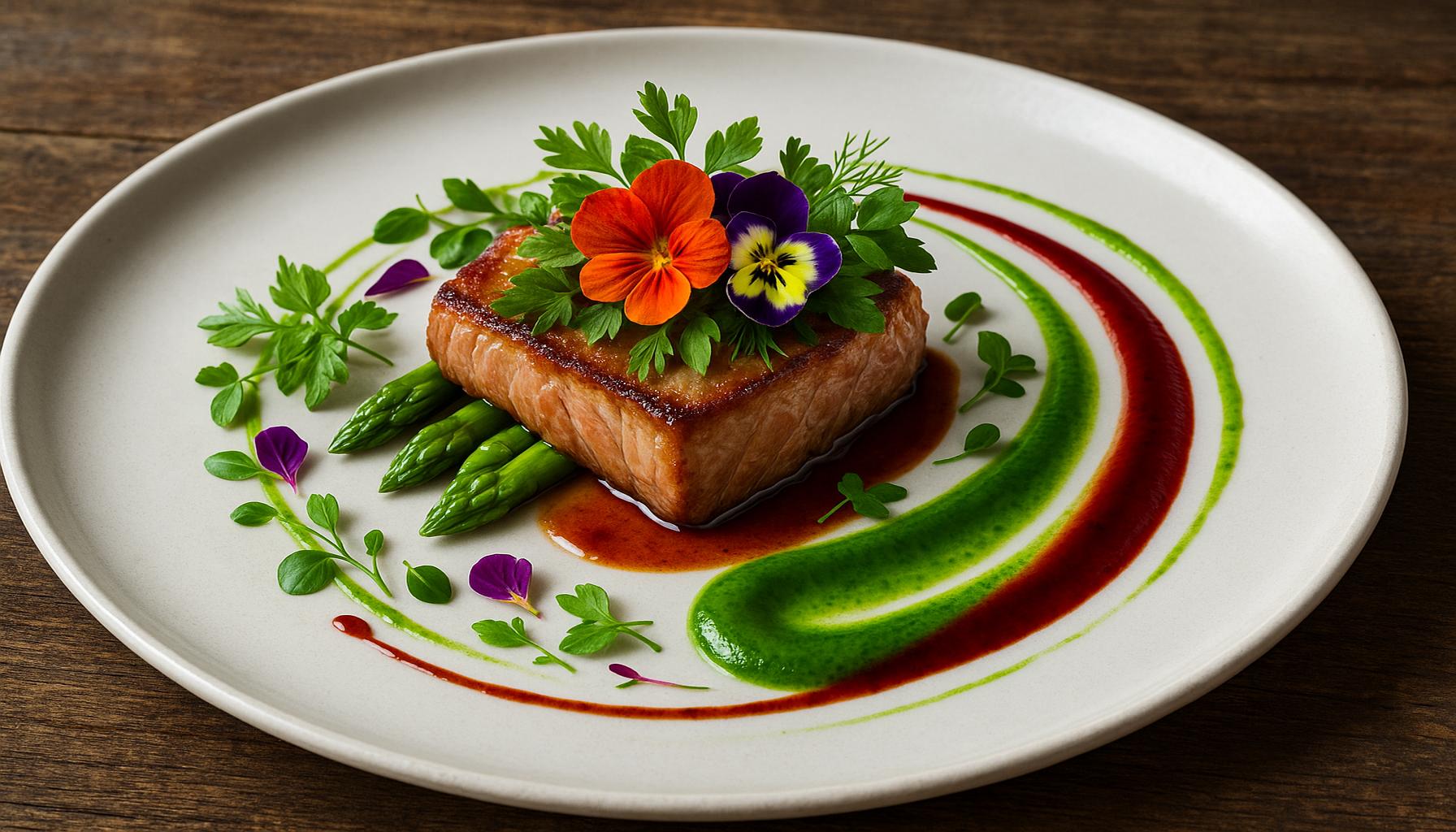
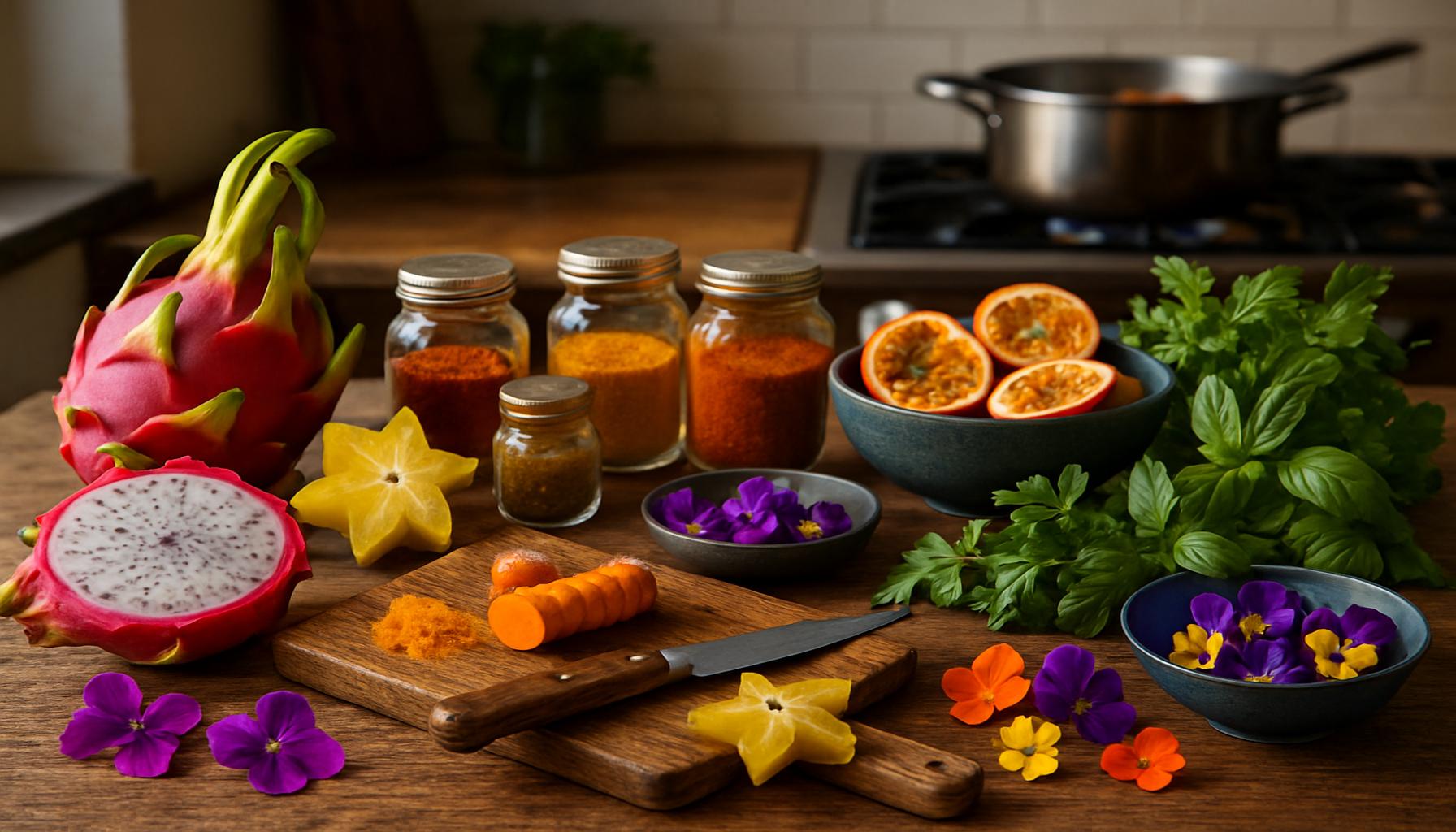
Take for instance the rise of edible flowers in culinary applications. Beyond mere decoration, flowers like nasturtiums and pansies can impart surprisingly complex flavors, ranging from peppery to sweet. When sprinkled atop salads or incorporated into desserts, these colorful blooms offer both visual appeal and an unexpected taste dimension that can shift the entire dining experience. Imagine enjoying a vanilla bean panna cotta delicately infused with lavender petals, transforming a classic dish into something ethereal.
Furthermore, experimenting with global spices can lead to remarkable transformations in familiar dishes. Spices such as za’atar, a Middle Eastern blend of herbs and sesame seeds, can enhance a traditional roasted vegetable medley, introducing elements of earthy warmth and tangy character. Similarly, a sprinkle of dukkah—an Egyptian nut and spice mix—can revamp even the simplest focaccia bread into a gourmet indulgence, appealing to both the adventurous eater and the conventional palate.
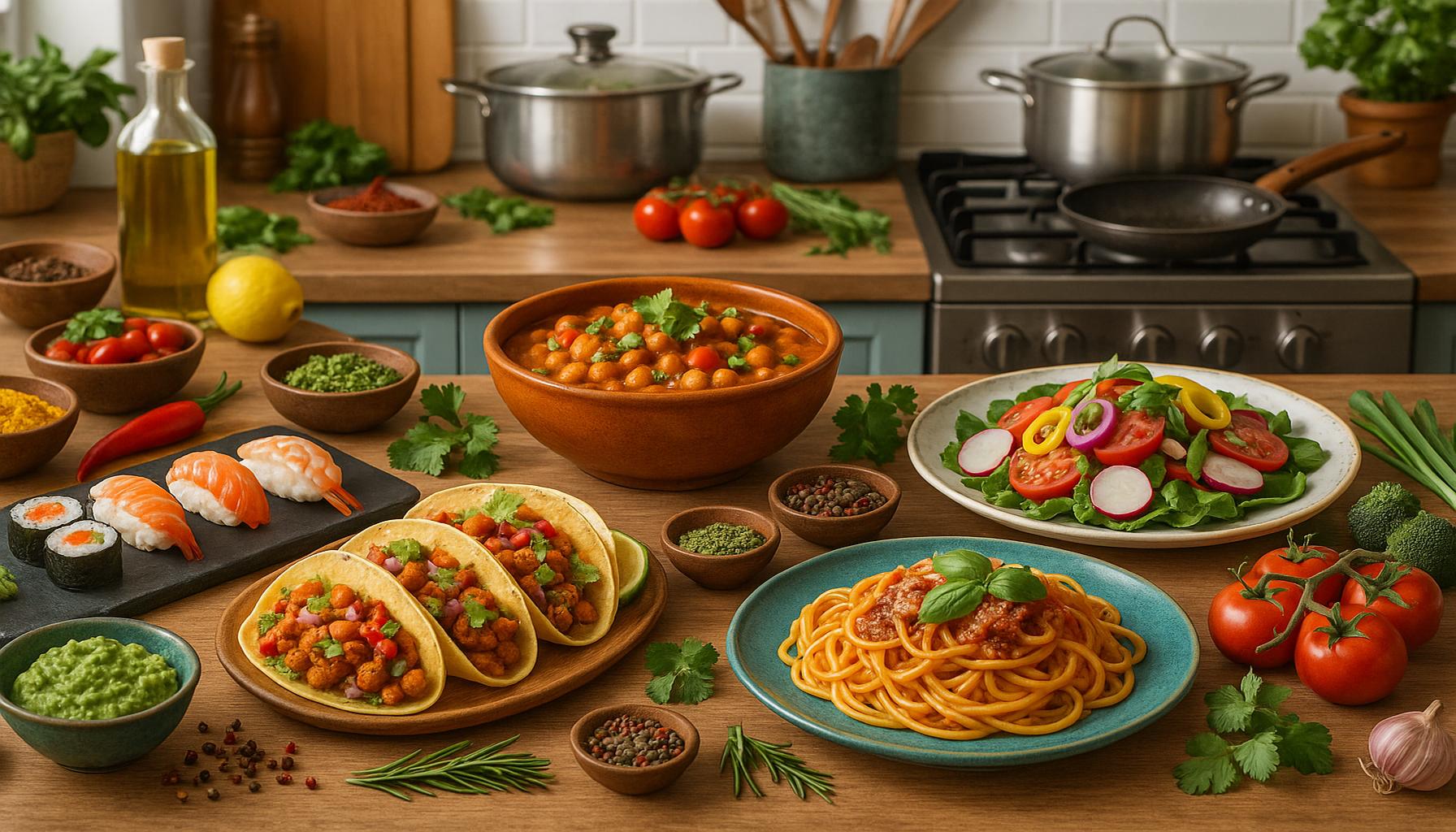
- Sweet Potato Tacos: Replacing traditional corn tortillas with grilled sweet potatoes not only provides a gluten-free alternative but also adds a natural sweetness and depth of flavor, giving these tacos an unforgettable twist.
- Coconut Cream Curries: Incorporating coconut cream into traditional tomato-based curries introduces a luscious, creamy texture and subtly sweet flavor, creating a dish that is both comforting and exotic.
- Activated Charcoal Bread: The use of activated charcoal in baking has become trendy, transforming simple sandwich bread into a striking jet-black visual treat and elevating the overall dining experience.
Each of these transformations showcases how imagination paired with unusual ingredients can lead to culinary innovation. With every dash of spice or sprinkle of flower, home cooks are encouraged to embrace these new variations, allowing for playfulness and discovery in their cooking routine. Coupled with the accessibility of international ingredients at local grocery stores or online, the possibilities for culinary exploration are virtually limitless.
In addition to flavor and presentation, diving into unfamiliar cooking ingredients also fosters an appreciation for diverse cultures and their culinary heritages. Ingredients like quinoa, originating from South America, or kimchi, deeply rooted in Korean traditions, showcase not only diverse cooking styles but also the significance of regional agricultural practices. By incorporating such items into American kitchens, cooks partake in a shared cultural experience that ultimately transcends borders.
As kitchens continue to evolve as spaces of innovation, now is the time to venture beyond the commonplace and explore the unexpected. Whether it’s reimagining traditional favorites or boldly incorporating new influences, the journey through unusual ingredients awaits anyone willing to embrace creativity in their cooking.
Unleashing the Power of Unique Ingredients
The culinary world thrives on creativity and innovation, and embracing unusual ingredients can completely transform everyday meals into extraordinary experiences. When chefs and home cooks alike explore ingredients beyond the usual staples, they not only enhance the flavor and texture of their dishes but also introduce a wide array of health benefits and adventurous eating experiences.For instance, consider black garlic, a fermentative ingredient that delivers a sweet, tangy flavor reminiscent of balsamic vinegar. It can elevate a simple risotto or sauce with its depth of taste while also packing a nutritious punch, providing antioxidants often lacking in standard ingredients. Additionally, cacao nibs, often recognized for their inclusion in desserts, can surprise you when used in savory dishes. The bitterness of cacao can complement flavors in chili or even roasted vegetables, turning conventional recipes into extraordinary culinary adventures.Moreover, incorporating seaweed into your cooking not only adds a distinct umami flavor but also provides important nutrients such as iodine and vitamins. From seaweed salads to seasoned snacks, this ingredient can transform how we think about greens in our meals.Venturing into less common spices, such as Sumac, can invigorate your culinary repertoire. With its tangy flavor profile, it can be expertly used in dressings or as a finishing spice for grilled meats, providing a burst of freshness. The exploration does not stop here; spices like asafetida are often overlooked yet can impart rich flavors to vegetarian dishes, making them far more exciting.The beauty of incorporating unusual ingredients lies in the endless possibilities they present. By pushing past our comfort zones, we can redefine our relationship with food and discover new textures, flavors, and nutrients. The journey into the world of creative cooking is one beautifully worth embracing, challenging our culinary skills and sparking a newfound passion for kitchen experimentation. As we investigate these vibrant ingredients, we open ourselves to a culinary landscape filled with wellness benefits and enhanced flavor profiles, urging every food enthusiast to dive in and explore what these treasures can do for their cooking.
DIVE DEEPER: Click here to uncover the creative spark of nature
Harnessing the Power of Texture and Nutrition
In the realm of culinary creativity, texture plays a crucial role in how we experience food. Unusual ingredients not only tantalize the taste buds but also introduce diverse textures that can enhance traditional dishes. For example, consider the burgeoning popularity of chia seeds. When hydrated, these tiny seeds develop a gelatinous coating that can elevate smoothies or puddings into delightful, sensory experiences. A classic vanilla pudding can be transformed by adding chia seeds, which give it a unique, slightly crunchy texture while increasing its nutritional profile with Omega-3 fatty acids and fiber.
Furthermore, the introduction of sea vegetables, such as dulse or kelp, can add an unexpected oceanic texture to a variety of snacks and meals. Incorporating these ingredients into potato chips or sprinkled over popcorn can create an umami-packed, savory twist that draws on the natural flavors of the sea. This not only introduces a whole new dimension but also provides essential minerals like iodine and magnesium, benefitting overall health and wellness.
Moreover, taking advantage of ingredients like nut butters in savory applications furthers the exploration of texture. A rich almond or peanut butter can bring creaminess and depth to a classic vinaigrette, fostering a salad dressing that is both indulgent and nutrient-rich. Coupled with the crunch of assorted nuts or seeds, this new dressing could elevate even the most mundane salad into a memorable meal, encouraging diners to rethink their approach to greens.
- Crushed Chickpea Spread: Transform a simple hummus by incorporating whole or crushed chickpeas, allowing for a more varied texture while retaining the familiar flavors of sesame and garlic.
- Whipped Avocado on Toast: Instead of traditional butter or cream cheese, a whipped avocado spread made with lime zest and sea salt offers creaminess and a fresh taste, while providing healthy fats to start the day right.
- Quinoa Stuffed Bell Peppers: Elevating bell peppers with quinoa, black beans, and spices not only transforms them into a hearty meal but also adds different textures that delight the palate.
The exploration of texture through unusual ingredients is not just a culinary trend but a reflection of evolving dietary preferences. Many consumers today prioritize health benefits alongside flavor; thus, ingredients like spirulina—a blue-green algae bursting with nutrients—are making their way into smoothies, energy bars, and baked goods. By incorporating these superfoods into familiar recipes, cooks can address dietary needs while introducing new nutritional benefits with every bite.
This flourishing interest in unusual ingredients also opens doors to tackling food sustainability. Insect proteins, such as cricket flour, are gaining traction as sustainable sources of protein that can easily be incorporated into baked goods or energy bars without compromising taste or texture. Incorporating such alternative proteins into mainstream dishes could not only enhance nutritional value but also promote eco-friendly eating practices.
By harnessing the power of unusual ingredients to alter texture, nutrition, and contribute to sustainability efforts, home cooks and chefs alike can catalyze a culinary revolution. With growing accessibility to these novel ingredients, an extraordinary world of cooking awaits those willing to explore beyond the conventional confines of their kitchens.
EXPLORE MORE: Click here for creative fabric painting techniques
Conclusion
As we dive deeper into the world of cooking, the use of unusual ingredients has become a powerful catalyst for culinary innovation. By stepping outside the confines of familiar flavors and textures, home cooks and professional chefs alike can transform ordinary dishes into extraordinary culinary experiences. From the vibrant additions of superfoods such as spirulina and chia seeds to the utilitarian aspects of sustainable choices like insect proteins, the kitchen is now a playground for the imaginative.
Moreover, embracing these unique components not only enhances flavor but also caters to modern dietary preferences, merging health benefits with culinary delight. Whether it’s the crunch of sea vegetables or the creaminess brought by nut butters, these ingredients introduce exciting variations that encourage us to rethink the possibilities of everyday meals. The versatility of these ingredients also presents an opportunity to prioritize eco-friendly and sustainable practices, promoting a more responsible approach to our food choices.
As culinary professionals and enthusiasts explore the vast array of unusual ingredients, they underscore a vital lesson of our time: creativity in the kitchen is boundless. By opening our minds and palates to new tastes and textures, we can not only elevate our dining experiences but also contribute to a more sustainable, health-conscious food culture. The culinary revolution is in our hands—let’s savor the adventure it brings and continue to discover the remarkable potential that lies within the realm of unusual ingredients.