
The Influence of Musical Learning on the Cognitive Development of Children
The Power of Music in Child Development
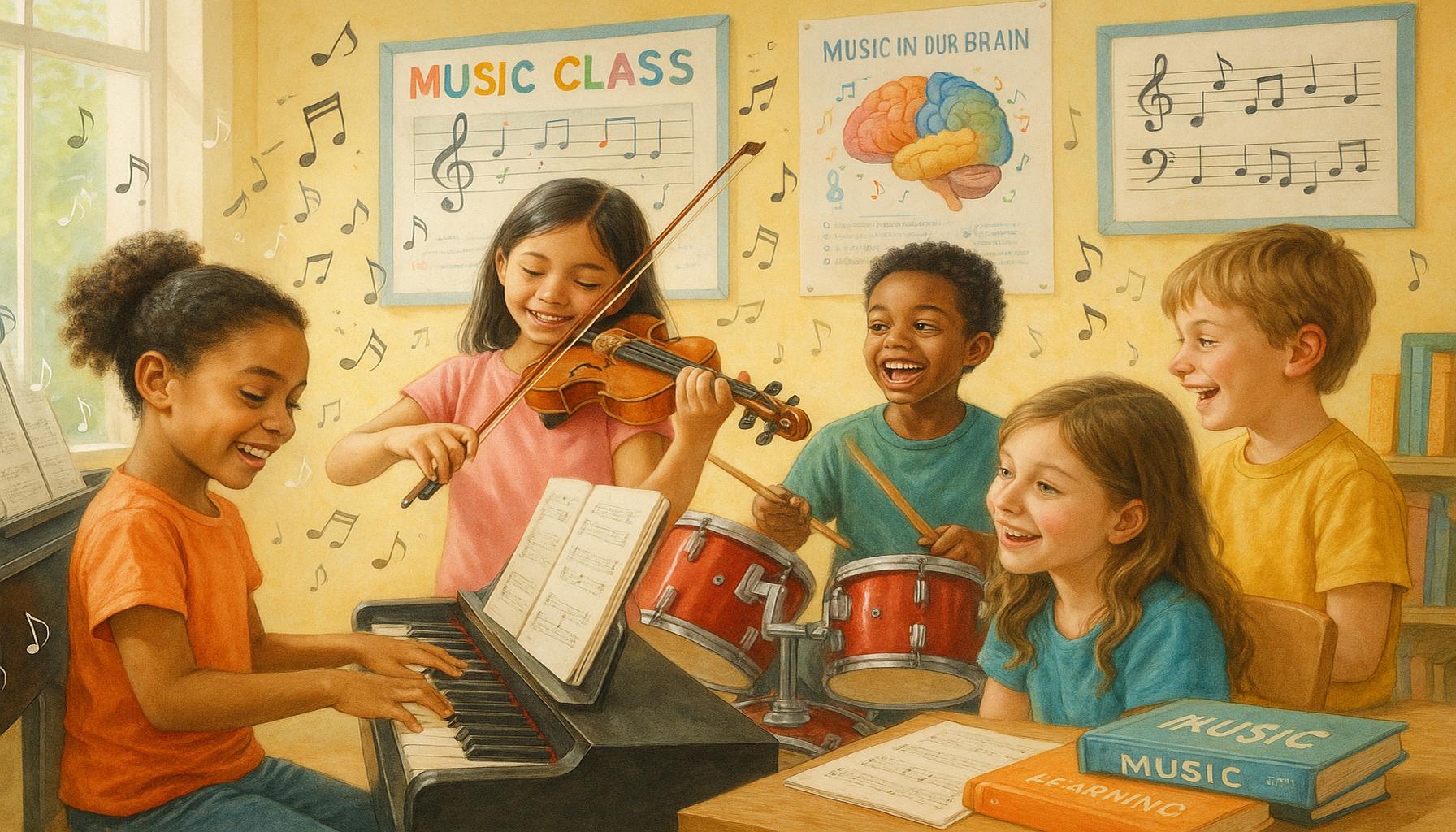
In today’s fast-paced world, the importance of cognitive development in children cannot be overstated. Parents, educators, and researchers alike are constantly seeking effective methods to enhance learning in young minds. One intriguing avenue is the realm of musical learning, which has been linked to various cognitive benefits. Engaging children in music education can lead to transformations that positively affect their academic performance, emotional health, and social skills.
Studies have shown that children who engage in musical activities experience significant improvements in several key areas:
- Language Skills: Learning music can enhance vocabulary and communication skills. For example, children who sing and engage with lyrics demonstrate a richer vocabulary and improved pronunciation, enabling them to express themselves more clearly.
- Mathematical Understanding: The patterns in music can facilitate a better grasp of complex math concepts. Research indicates that children who participate in musical training often excel in problem-solving and computational skills, making connections between rhythm and numerical patterns.
- Memory and Attention: Musical training is associated with improved memory retention and concentration. For instance, students who learn to play an instrument are often better at multitasking and remembering sequences, skills that are essential in both academic and daily life.
Furthermore, engaging with music fosters emotional and social skills. Children involved in music often demonstrate:
- Increased Empathy: Working in groups helps them understand different perspectives. Collaborative music-making, such as playing in a band or singing in a choir, teaches them to listen actively and appreciate the contributions of others.
- Creativity Boost: Music encourages creative thinking and problem-solving. For example, improvisation and composition tasks prompt children to think outside the box, fostering innovative approaches in various other domains of life.
- Discipline and Patience: Learning an instrument teaches perseverance and dedication. The process of mastering a musical piece requires practice, resilience, and the ability to overcome challenges, qualities that are invaluable for personal and academic success.
As researchers delve deeper into the cognitive effects of music on children, the implications for early education and child development are becoming increasingly clear. Programs like El Sistema in Venezuela demonstrate the transformative power of music in communities, serving as a beacon for potential initiatives across the United States. This exploration not only highlights the benefits of musical training but also paves the way for integrating music into learning curriculums in schools nationwide. By recognizing the multifaceted benefits that music offers, it becomes apparent that fostering a musical environment can be a pivotal strategy in shaping well-rounded, capable individuals for the future.
DISCOVER MORE: Click here to dive into scrapbooking techniques
Unlocking Cognitive Potential through Music
The intersection of music and cognitive development in children is an area of growing interest among educators and child development experts. Music is not just art; it is a complex system that engages numerous areas of the brain, stimulating various cognitive functions. This synthesis of cognitive, emotional, and social skills acquired through music education can set a strong foundation for children’s overall development.
Research conducted by renowned institutions, such as the University of California, Irvine, has revealed that children who engage in musical training exhibit improved cognitive abilities compared to their peers who do not. These cognitive advancements manifest in several critical domains, including:
- Auditory Skills: Music education enhances a child’s ability to distinguish between different sounds and pitches, an ability that translates to better language skills. Children exposed to music are shown to have higher auditory processing abilities, which are essential not only for music but also for speaking and understanding complex language structures.
- Executive Functioning: Skills such as planning, working memory, and cognitive flexibility, collectively known as executive functions, are notably improved through musical training. Children who participate in ensemble performances must adapt to varying dynamics and rhythms, honing their ability to think quickly and adjust their responses—key elements in academic success.
- Spatial-Temporal Skills: Studies suggest that music training leads to enhanced spatial-temporal skills, which correlate with greater mathematical ability. These skills are crucial for solving puzzles and understanding geometry, benefiting children in STEM-related fields.
Beyond cognitive enhancements, engaging in music nurtures creativity and critical thinking. For instance, when children participate in improvisational exercises, they not only learn to create music spontaneously but also develop an ability to approach problems with creativity. This dual enhancement of both artistic and analytical talents positions them to excel in various academic subjects as well as in their personal pursuits.
The impact of musical learning on social interactions is equally profound. Children who participate in group music activities learn vital interpersonal skills, including cooperation and effective communication. Whether in a classroom setting or a community band, musical collaboration teaches children how to work together toward a common goal, reinforcing vital social bonds. Research from the New York University indicates that children involved in music classes report higher levels of social engagement, empathy, and understanding of group dynamics, all of which foster emotional intelligence.
Given the tangible benefits of music education, there is a growing call for schools across the United States to reconsider their curricula. Esteemed programs like Little Kids Rock and Music Together aim to integrate music into the academic framework, ensuring that children from all backgrounds have access to these invaluable experiences. With empirical evidence supporting the notion that musical learning profoundly influences cognitive development, it’s essential for educators and policymakers to embrace and prioritize music education as a key component of holistic child development.
| Category | Description |
|---|---|
| Enhanced Memory | Musical learning engages various memory functions and enhances both short-term and long-term memory capacity. |
| Cognitive Skills Development | Learning music has been shown to improve problem-solving abilities through the practice of pattern recognition and critical thinking. |
| Language Acquisition | Musical training correlates with improved language skills and vocabulary development, as it heightens auditory discrimination. |
| Emotional Intelligence | Music fosters an understanding of emotions, enhancing a child’s empathy and social skills, which are critical for interpersonal relationships. |
Research continues to show that children engaged in musical studies demonstrate higher levels of academic performance across various subjects, including math and language arts. This is likely due to the efficiencies that musical skills create in the brain’s pathways. By nurturing a child’s ability to learn music, we not only enrich their emotional life but also prepare them for future challenges that will require robust cognitive flexibility and innovative thinking.Incorporating musical education allows children to develop a strong sense of discipline and persistence; learning an instrument involves overcoming challenges and mastering complex tasks. This lifelong skill can translate into better focus and determination in their academic pursuits. As evidence mounts regarding the benefits of musical learning, it becomes increasingly clear that integrating music into children’s daily lives can serve as a cornerstone for holistic cognitive development. Discovering such vital connections encourages an exploration of musical learning’s vast impact and its potential for fostering well-rounded, capable individuals.
DISCOVER: Click here to learn more about the healing power of creativity
The Long-Term Effects of Musical Training
As children grow and mature, the influence of musical learning extends beyond immediate cognitive benefits, nurturing skills that are crucial throughout their lives. This ongoing development encompasses an array of intellectual, emotional, and professional advantages that can significantly shape their future opportunities.
One of the most remarkable long-term effects of musical education is the correlation with improved academic achievement. Data from the National Endowment for the Arts indicates that students who actively engage in music education perform better in standardized tests compared to their musically-inactive counterparts. This trend is particularly evident in subjects such as mathematics and reading, where students who participate in music programs show greater proficiency, a testament to the way music enhances discipline and learning strategies.
Moreover, the emotional and psychological implications of musical learning cannot be overlooked. Research published in The Journal of Educational Psychology suggests that children involved in music training are often more confident and show higher levels of persistence when faced with challenges. The process of learning an instrument or participating in musical ensembles teaches resilience; children learn to embrace failure as a stepping stone toward success, laying a foundation of grit that serves them well beyond their school years.
This foundation is particularly important in cultivating leadership qualities. As children navigate team dynamics in musical collaborations, they naturally assume various roles—be it leading a group performance or supporting a peer’s development. Such experiences are invaluable for developing leadership skills, giving them an advantage in team-oriented settings later in life, whether in professional or social contexts.
- Boosting Memory and Retention: Engaging in musical activities has also been linked to enhanced memory retention. Studies indicate that the hippocampus, the area of the brain responsible for memory, is significantly stimulated during music training. This improvement in memory retention can contribute to better academic performance as children progress through their education.
- Cultural Awareness: Through the exploration of diverse musical genres, children gain a broader cultural perspective, enriching their understanding and appreciation of different backgrounds. Such exposure aids in fostering inclusivity and empathy, equipping children with the ability to navigate an increasingly globalized world.
The impact of technology on music education is also noteworthy. With advancements in digital platforms, children now have greater access to interactive music-learning tools that enhance engagement. Programs like GarageBand and various online music education apps provide children with innovative avenues to explore their creativity. These digital forms of musical learning not only facilitate cognitive growth but also align with modern educational standards, fostering a tech-savvy generation equipped for the digital age.
Furthermore, the intrinsic motivation that arises from musical learning is a key driver of lifelong learning. Children who cultivate a passion for music often carry that enthusiasm into other areas of study and personal endeavors. This infectious drive can lead to a more engaged, curious, and resourceful approach to learning that remains with them long into adulthood.
In light of these compelling findings, it becomes increasingly apparent that musical learning plays a crucial role in shaping well-rounded individuals. As educators and policymakers push to enhance educational curricula, it is vital to recognize and incorporate the extensive benefits that music education can offer, thus ensuring that children do not miss out on these valuable opportunities for cognitive and personal development.
DIVE DEEPER: Click here to unlock creative inspiration
Conclusion
In summary, the profound impact of musical learning on the cognitive development of children is multifaceted, influencing not only academic performance but also emotional resilience, leadership skills, and cultural awareness. As children engage with music, they cultivate a wealth of abilities that extend far beyond the realm of notes and rhythms. This engagement enhances their memory retention, instills a sense of discipline, and nurtures a passion for lifelong learning—elements crucial for academic and personal success.
The evidence supporting the connection between music education and cognitive growth is compelling. Through structured music programs, children are not merely learning to play an instrument; they are learning skills that prepare them for a complex world. Whether it’s fostering collaboration through ensemble playing or encouraging creative expression through digital platforms, musical education adapts to modern learning environments while maintaining its essential benefits.
As we consider the ever-evolving educational landscape, it becomes imperative for educators, policymakers, and parents to advocate for robust music education programs. By prioritizing music in schools and communities, we are investing in the cognitive and emotional foundation of future generations. The harmonizing effects of music have the potential to mold capable, empathetic individuals who approach challenges with creativity and confidence. Thus, recognizing the power of music education is not just advantageous—it is essential for nurturing well-rounded, capable children ready to thrive in their endeavors.