The Importance of Musical Skills in the Development of Empathy and Social Sensitivity
Exploring the Impact of Music on Emotional Intelligence
Music is an integral part of human culture, evolving over centuries yet always remaining an essential medium for expression and connection. Beyond its role as a mere entertainment source, music stands as a pivotal force for understanding emotions and enhancing social interactions. Engaging with musical skills can nurture qualities such as empathy, patience, and social sensitivity, fostering a deeper understanding between individuals. This profound interaction prompts an engaging dialogue regarding how music shapes our emotional and social landscapes.
Research consistently highlights several key aspects of how music influences our emotional landscapes:
- Emotional Expression: Music serves as a powerful conduit for expressing emotions that words often cannot encapsulate. For example, a melancholic melody may resonate deeply with feelings of sadness or loss, evoking personal memories that help individuals process complex emotions.
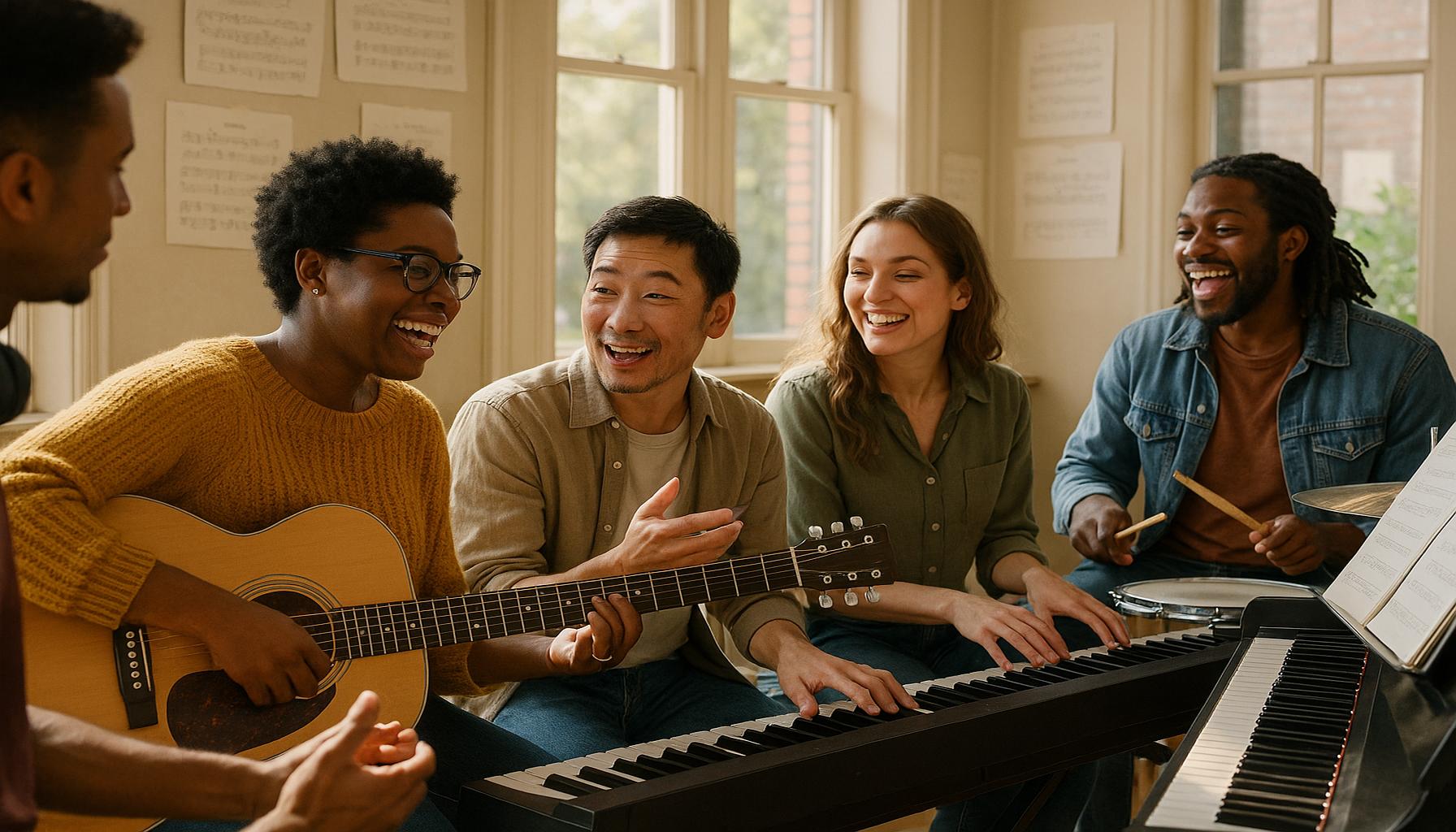
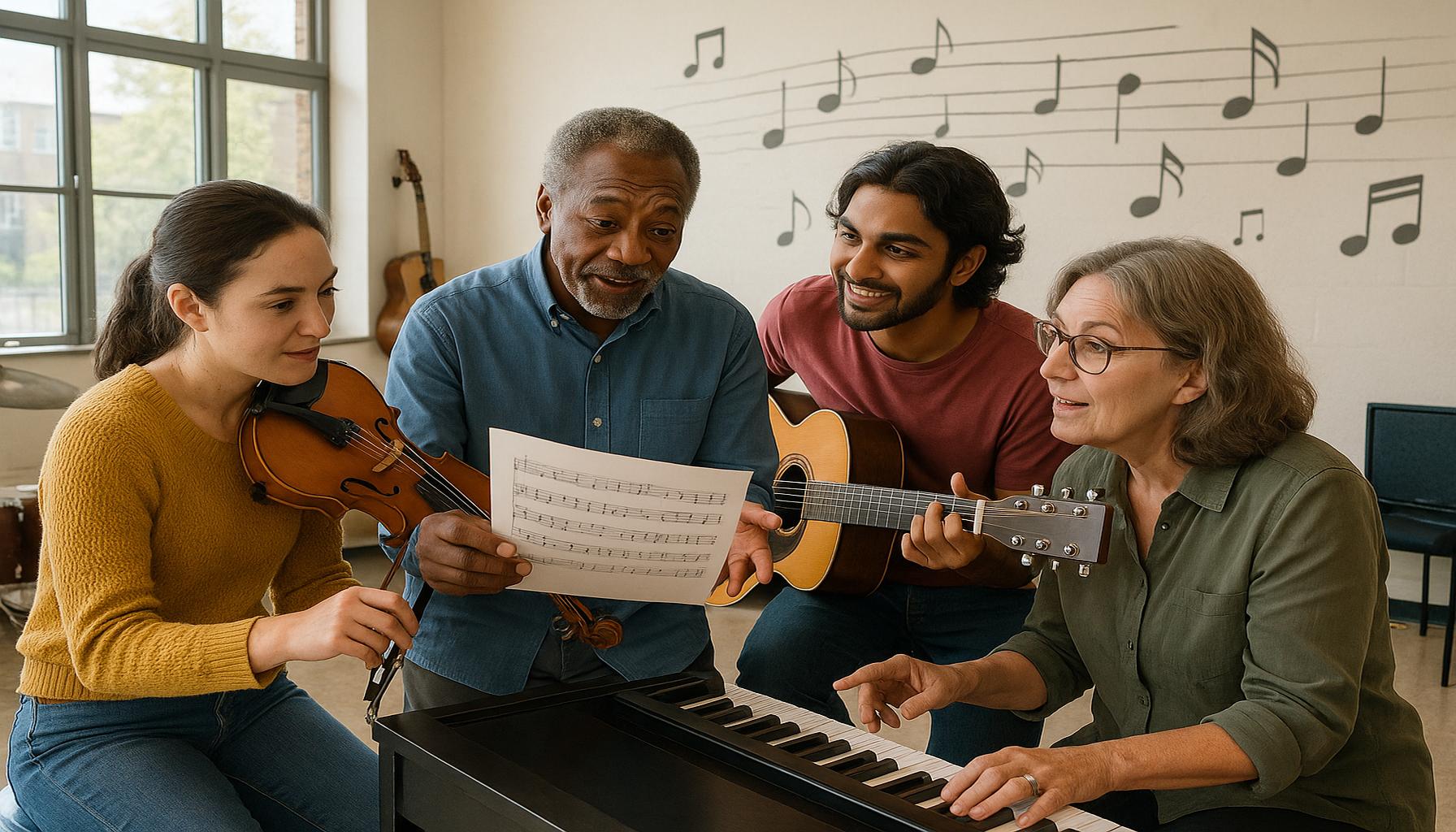
- Collaboration: Participating in musical ensembles, such as orchestras or choirs, necessitates teamwork and promotes the recognition of others’ perspectives. This collaborative nature of music encourages individuals to listen more intently, not only to the music but also to their fellow musicians, enhancing their ability to empathize.
- Cultural Awareness: Exposure to various musical genres—from jazz to hip-hop to folk music—cultivates appreciation for diverse backgrounds and experiences. Understanding the cultural contexts of different music styles can broaden perspectives, fostering inclusivity in a diverse society.
For instance, recent studies indicate that children actively involved in music education display significantly higher levels of empathy than their peers who do not engage in such activities. One notable study found that students participating in a school music program were more likely to demonstrate cooperative behaviors and understand the emotions of others. This is particularly poignant given that empathy is a cornerstone for building meaningful relationships and thriving within one’s community.
As we dive deeper into this fascinating relationship, the implications of musical training reveal themselves as far-reaching, extending beyond personal enjoyment to profoundly influence social dynamics. The need for compassion and understanding is particularly critical in a contemporary world marked by division and misunderstandings. Music, in its many forms, possesses the potential to bridge gaps and foster dialogue across differences, encouraging connections that transcend mere words.
In conclusion, the journey into the world of music not only enriches one’s emotional repertoire but also enhances the ability to navigate the complexities of human interactions. By investing in musical education and experiences, individuals can unlock a treasure trove of emotional intelligence, ultimately leading to more compassionate and cohesive communities.
DISCOVER MORE: Click here to delve into visual arts
The Role of Music in Cultivating Empathy and Social Sensitivity
The journey of developing musical skills interweaves with the intricate fabric of human interaction, significantly impacting young minds and their emotional intelligence. As the world becomes increasingly complex, fostering empathy and social sensitivity is vital, making musical education more crucial than ever. This intrinsic connection between music and interpersonal understanding is not just theoretical—it’s supported by a growing body of empirical evidence.
One cornerstone of this relationship lies in the way music enhances cognitive and emotional faculties. When individuals engage in musical activities, they are not merely honing technical skills; they are also training their brains to recognize and respond to emotional nuances. For instance, musicians often exhibit a refined ability to discern subtle emotional shifts in both music and communication. These heightened sensitivities can lead to improved emotional responses when interacting with peers, fostering an empathetic understanding that is crucial in social contexts.
The following factors underline the transformative effects of musical skills on empathy and social sensitivity:
- Active Listening: In music, active listening is paramount. Musicians must pay close attention to variations in tempo, dynamics, and pitch, which develops a keen awareness of the details in their surroundings. This practice transfers to everyday conversations, making individuals more attuned to emotional cues in others.
- Emotional Regulation: Engaging with music encourages individuals to explore and navigate their own emotions, thereby equipping them with the tools to manage feelings like frustration or disappointment. This self-awareness plays a crucial role in understanding others’ emotional states.
- Imitation and Interpretation: Music often requires imitation, where one artist mirrors another’s style or emotions. This process helps to cultivate an understanding of different perspectives and emotional expressions, enhancing social sensitivity among peers.
Furthermore, various studies highlight the positive impact of music education on empathy levels in young people. For instance, a study conducted at the University of Toronto revealed that children participating in music programs developed notably higher empathy scores than those engaged in non-musical activities. They showcased improved abilities in collaborative problem-solving, revealing a stronger emotional resonance with their peers.
In the context of American society, benefitting from these skills is paramount. The ability to empathize can help mitigate conflicts, enhance community relationships, and foster a more inclusive environment. In schools, music programs are increasingly recognized as important elements in promoting not only artistic talents but also essential life skills. This aligns with the broader educational understanding that emotional intelligence, which encompasses empathy, can significantly impact a student’s success both academically and socially.
Ultimately, the examination of musical skills reveals a deeper purpose beyond aesthetics. As individuals learn to create and appreciate music, they simultaneously sculpt their emotional landscapes, fortifying connections that are fundamental to the human experience. This interplay between music and social awareness not only benefits individuals but also enriches communities by promoting a culture of understanding and compassion.
| Musical Skills | Impact on Empathy |
|---|---|
| Active Listening | Promotes understanding and awareness of others’ emotions. |
| Collaborative Music Practice | Fosters teamwork, communication, and shared experiences. |
| Expression through Music | Encourages understanding of diverse perspectives and emotions. |
| Cultural Awareness | Enhances appreciation of different backgrounds and social contexts. |
Musical skills have far-reaching implications beyond the realm of melody and rhythm. Engaging in activities like active listening cultivates a crucial layer of empathy, empowering individuals to decode and respond to the emotional cues of others. Likewise, participating in collaborative music practice instills essential communication skills needed for effective teamwork and nurtures an inclusive environment where individuals learn to rely on each other’s strengths.Moreover, music serves as a profound medium for expression, allowing individuals to articulate emotions that may otherwise remain unvoiced. This unique form of communication not only helps in expressing one’s feelings but also facilitates a deeper understanding of the emotional spectrum experienced by others. Through the lens of cultural awareness, music opens avenues for exploring different backgrounds, enhancing social sensitivity, and fostering cross-cultural connections. These multifaceted benefits underscore the vital role that musical skills play in the development of empathy and social sensitivity, prompting further exploration and engagement in musical practices.
DISCOVER MORE: Click here to dive into scrapbooking techniques
The Impact of Collaborative Music Experiences on Social Bonds
In addition to individual musical practice, collaborative music experiences play a significant role in fostering empathy and social sensitivity among individuals. Whether through ensemble performances, choir participation, or community music initiatives, these shared experiences encourage a sense of connection that is invaluable. Engaging in music as a group cultivates not only musical abilities but also essential interpersonal skills that deepen emotional understanding.
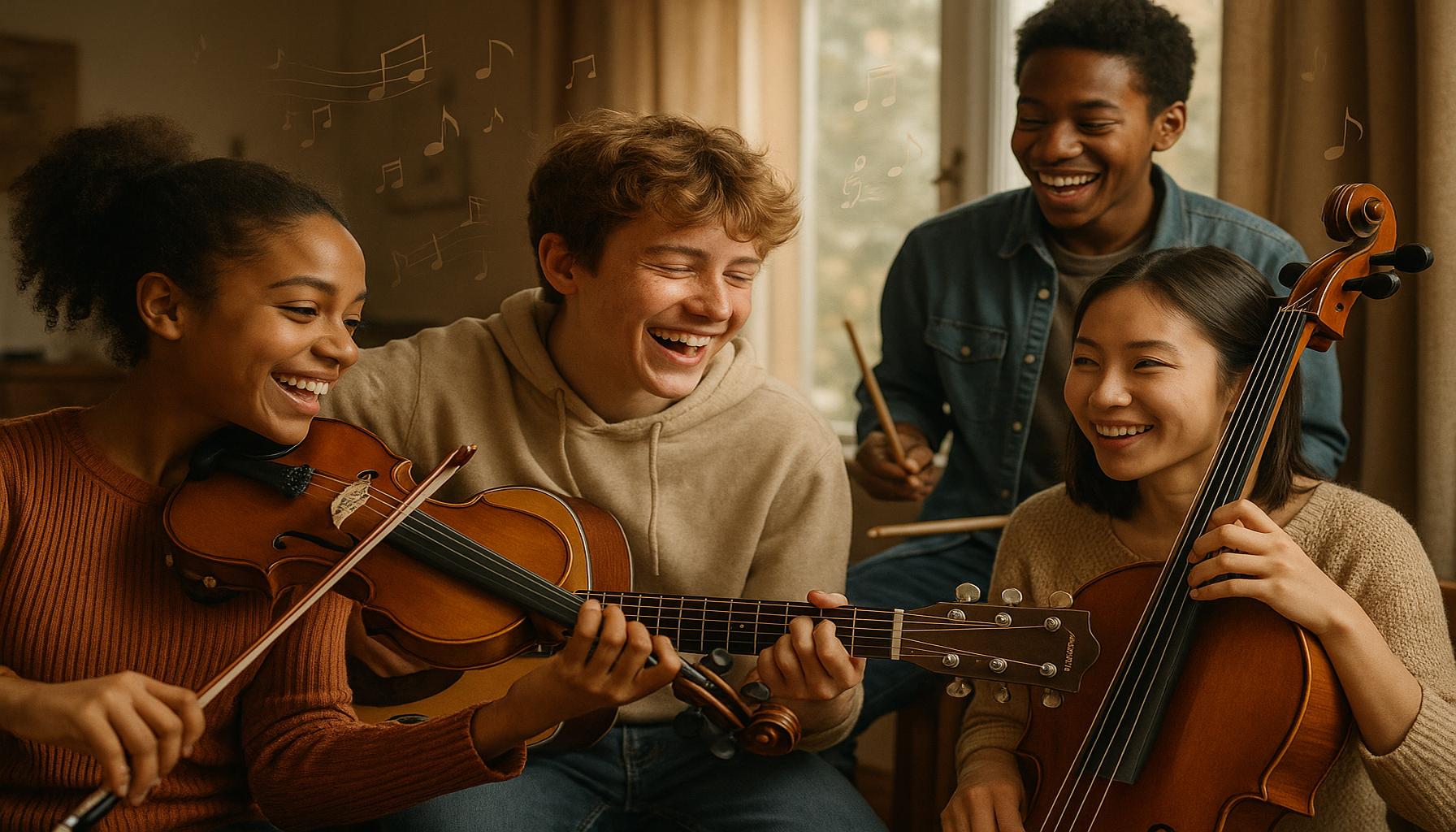
When individuals participate in group music-making, they quickly learn the importance of harmony—not just in sound, but in social dynamics. Each musician must listen to their peers and adjust their contributions to ensure a cohesive performance. This essential practice of cooperation and adjustment translates seamlessly to social situations where effective communication and understanding are vital. The experience teaches members to value the perspectives, strengths, and emotions of others, nurturing empathetic relationships.
Research conducted by the University of California demonstrated that children involved in ensemble playing showed higher levels of social cohesion and mutual support. Observations indicate that these collaborative settings promote critical behaviors such as asking for and offering help, which are key components of emotional sensitivity. This collaborative environment encourages young musicians to step outside their own perspectives, leading them to appreciate diverse viewpoints and emotional textures within their social circles.
- Conflict Resolution: Working as a team in music often entails resolving differences—be it in musical interpretation or timing. These experiences force individuals to confront conflicts in a constructive manner, allowing them to carry these problem-solving skills into their interpersonal relationships.
- Shared Achievement: The joy of producing music as a collective creates bonds that promote emotional well-being among participants. Such shared achievements reinforce a community spirit, making individuals feel more connected and empathetic towards each other.
- Cultural Understanding: Diverse musical ensembles expose individuals to various styles and histories, fostering cultural sensitivity. Engaging with different musical traditions teaches empathy by showcasing diverse human experiences and emotions, which can bridge cultural divides.
The link between musical skills and social sensitivity extends to digital arenas as well, particularly in the context of online music platforms. Many young people today engage with music through apps or social media, where collaborative creation is encouraged. These platforms allow users to share and interpret each other’s music, facilitating a new form of interaction that continues to develop empathy across digital spaces. For instance, musicians collaborating online become more adept at providing constructive feedback and understanding differing artistic visions—skills directly related to emotional intelligence.
Furthermore, studies have suggested that early exposure to group music activities enhances children’s abilities to work in teams and engage positively with their peers. This not only impacts their current relationships but paves the way toward future social interactions and professional environments where teamwork and empathy are prized qualities. In today’s interconnected world, the ability to empathize and operate sensitively within diverse groups can be a game-changer, aiding individuals in succeeding both personal and professional arenas.
As society navigates its myriad challenges, fostering musical skills and collaboration stands as a powerful tool in building understanding and compassion within communities. The shared language of music holds the potential to bridge many divides, making empathy and social sensitivity foundational skills in the modern world.
DIVE DEEPER: Click here to discover the beauty of cultural storytelling
Conclusion: The Transformative Power of Music
As we’ve explored throughout this article, the connection between musical skills and the development of empathy and social sensitivity is both profound and undeniable. Music serves as a unique conduit for emotional expression and interpersonal connection, fostering a sense of community that is vital in today’s fast-paced, often fragmented world. The collaborative nature of music-making—whether in a small group, a classroom setting, or in online platforms—cultivates essential skills such as active listening, conflict resolution, and cultural understanding. These are not merely artistic skills; they are life skills that enhance individuals’ ability to relate to and interact with others in a meaningful way.
Furthermore, engaging with diverse musical traditions expands our emotional landscapes, allowing individuals to experience and appreciate a range of human emotions and perspectives. This cultural exposure is particularly important in a multicultural society like the United States, where understanding and empathy can bridge divides and create more inclusive communities.
In light of these insights, it is clear that investing in musical education and community music initiatives is not just about nurturing future artists but about cultivating emotionally intelligent and socially sensitive individuals. As we look to the future, embracing the importance of musical skills can pave the way for a society that values understanding, compassion, and collaboration—elements crucial for addressing the complexities of modern life. By harnessing the power of music, we can contribute positively to the emotional well-being and social cohesion of our communities, ensuring a brighter and more empathetic future for all.