The Importance of Self-Expression in Art: How to Create Connections Through Creativity
Understanding the Power of Self-Expression in Art
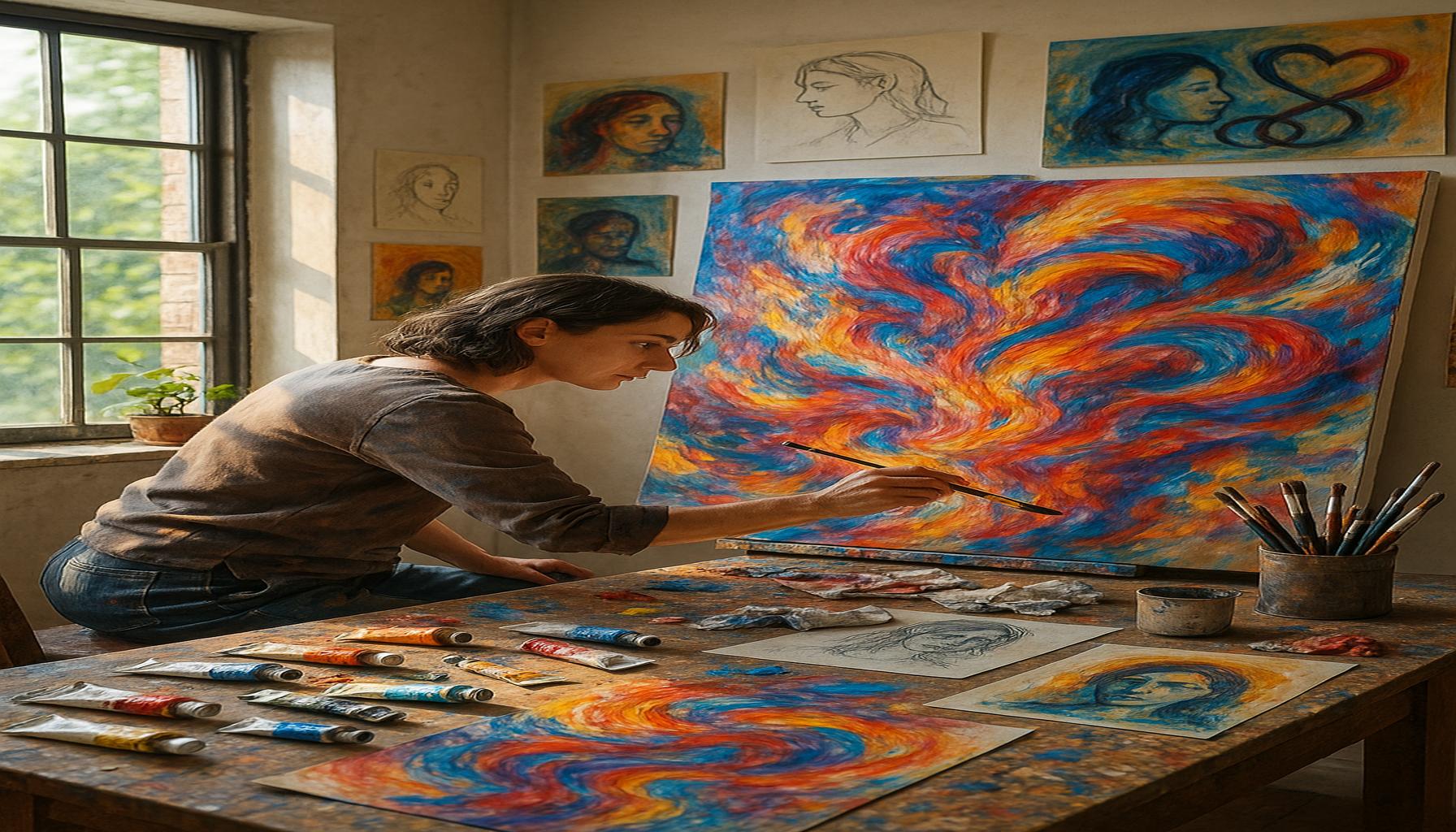
Art serves as a profound medium through which individuals can communicate their innermost thoughts and feelings. The process of creating art is not just about aesthetics; it is a vital outlet for self-expression that fosters connections between artists and their audiences. This article delves into the transformative nature of artistic expression and its capacity to unite diverse communities.
Key Reasons Self-Expression in Art Matters
- Emotional Release: Art provides a safe space for individuals to process and express emotions that may be difficult to verbalize. Many artists have turned to their craft as a therapeutic outlet during challenging times. For instance, during the COVID-19 pandemic, numerous individuals engaged in creative practices—whether through painting, drawing, or writing—to cope with feelings of isolation and uncertainty. This form of emotional release can lead to profound self-discovery and healing.
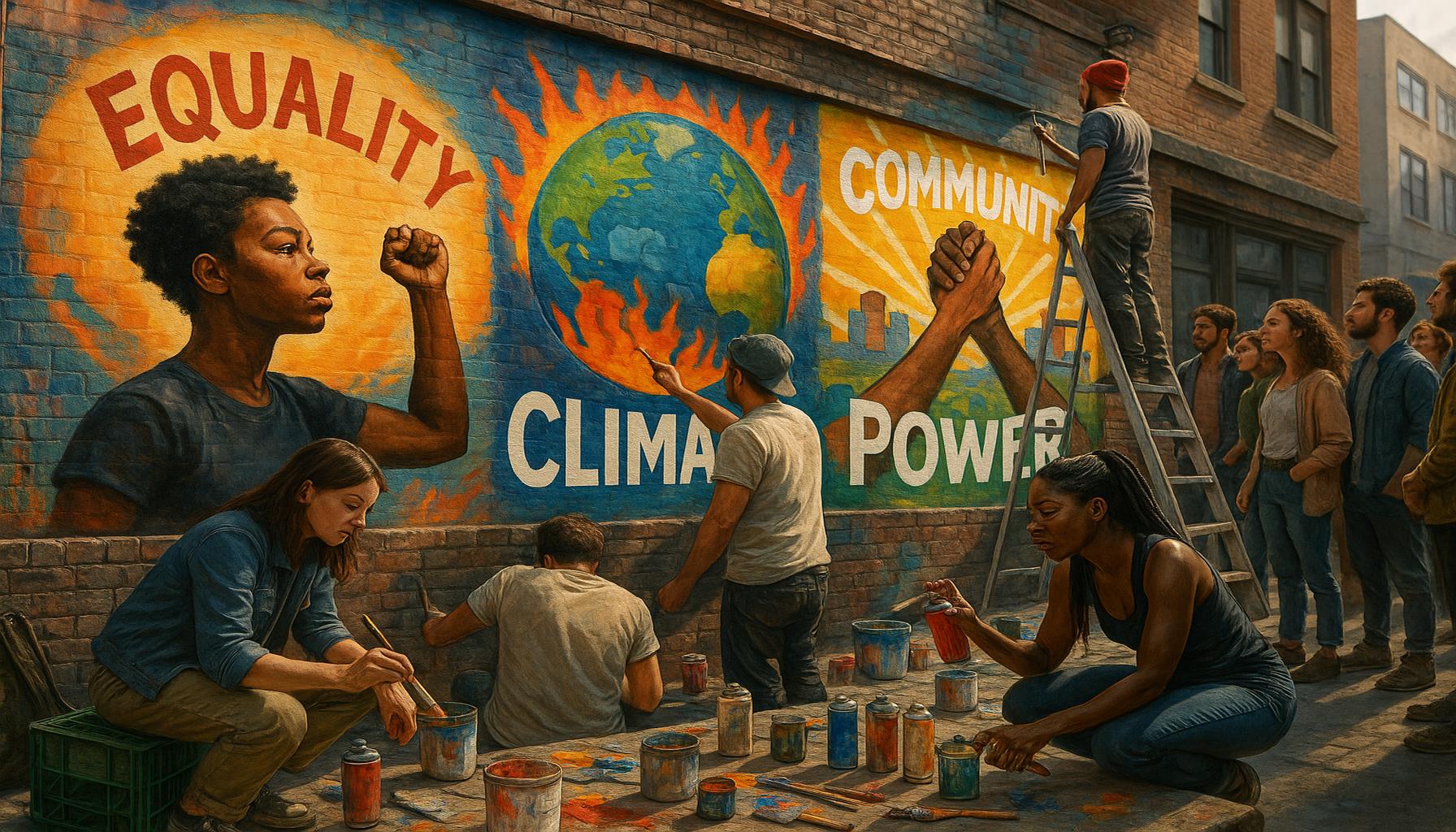
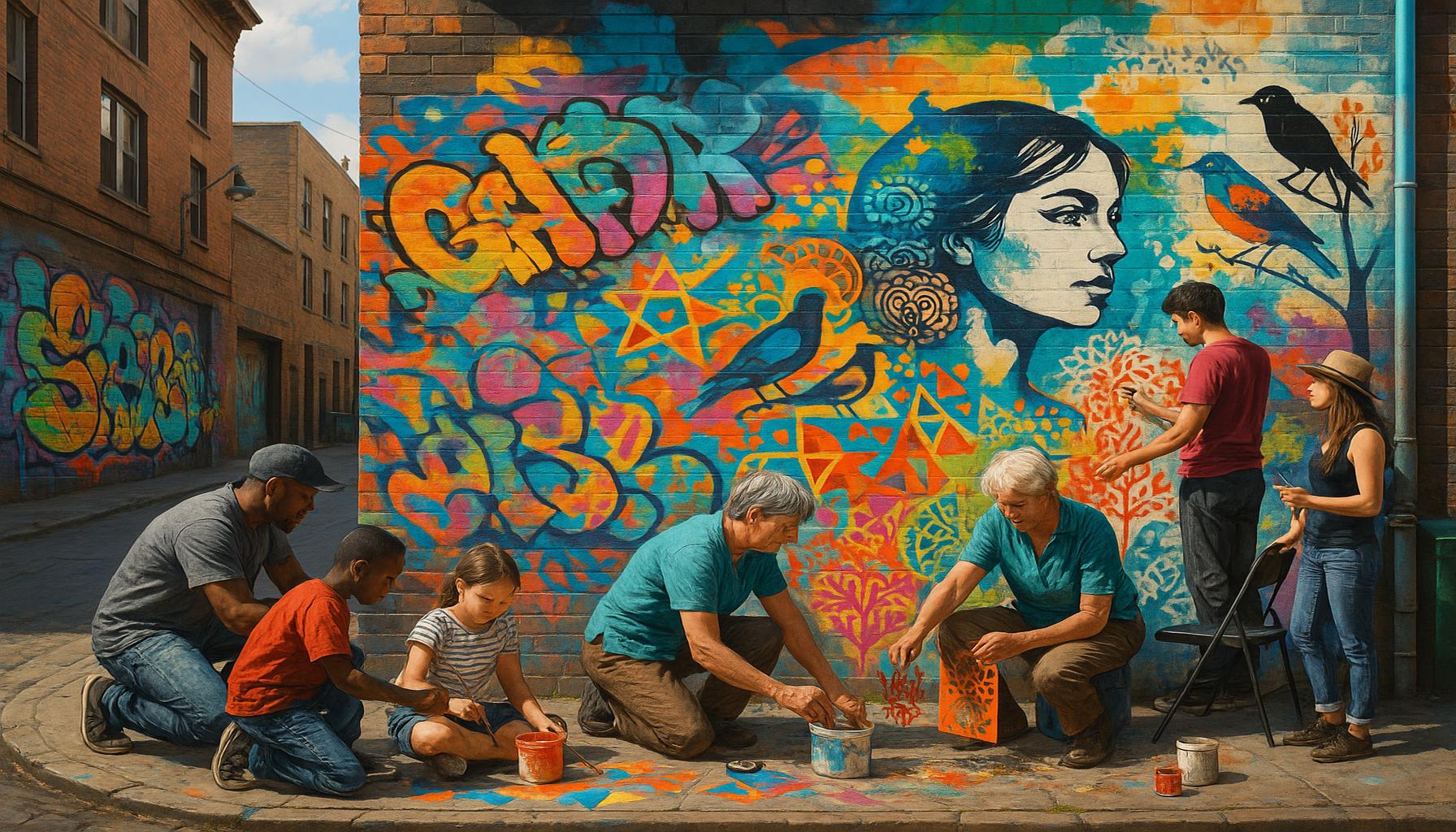
- Social Connections: Creative works can resonate with others, building bridges through shared experiences. For example, community mural projects often bring together artisans, volunteers, and local residents to express collective narratives that reflect their history and culture. Such initiatives not only beautify neighborhoods but also create a sense of belonging and unite individuals around common themes. The powerful scenes depicted in these murals often spark conversations and deepen relationships among community members.
- Empowerment: Engaging in artistic endeavors empowers individuals to voice their opinions and advocate for change. Historical movements, such as the civil rights movement, utilized art as a tool for activism. Artists like Jacob Lawrence visually chronicled the African American experience through his paintings, which shed light on social injustices and inspired a call for equality. In contemporary discussions, artists and musicians continue to address pressing issues, using their platforms to instigate dialogue and inspire action.
From painting and sculpting to dancing and writing, each form of art offers unique opportunities for creativity and connection. These activities not only enhance personal well-being but also cultivate a sense of community. For example, local art festivals often bring together artists from various disciplines, allowing audiences to explore diverse expressions and perspectives. These events serve as a celebration of individuality while simultaneously highlighting common threads among us.
As we explore the intricate relationship between art and self-expression, we unearth the potential it holds for fostering meaningful connections in today’s society. Art can transcend barriers of language and culture, uniting us through the universal language of creativity. Ultimately, engaging with art—whether as a creator or an observer—encourages us to embrace our authentic selves and recognize the shared humanity that binds us together, promoting empathy and understanding in an increasingly polarized world.
DIVE DEEPER: Click here to discover more about how travel ignites creativity
Unpacking the Role of Self-Expression in Art
Self-expression through art is more than just a personal endeavor; it is a powerful mechanism for connection and understanding among individuals and communities. When artists share their personal narratives, they invite others into their emotional worlds, creating opportunities for dialogue and connection. This rich tapestry of human experience can transcend boundaries, as art speaks to universal emotions that resonate across diverse cultures and backgrounds.
Fostering Individuality and Authenticity
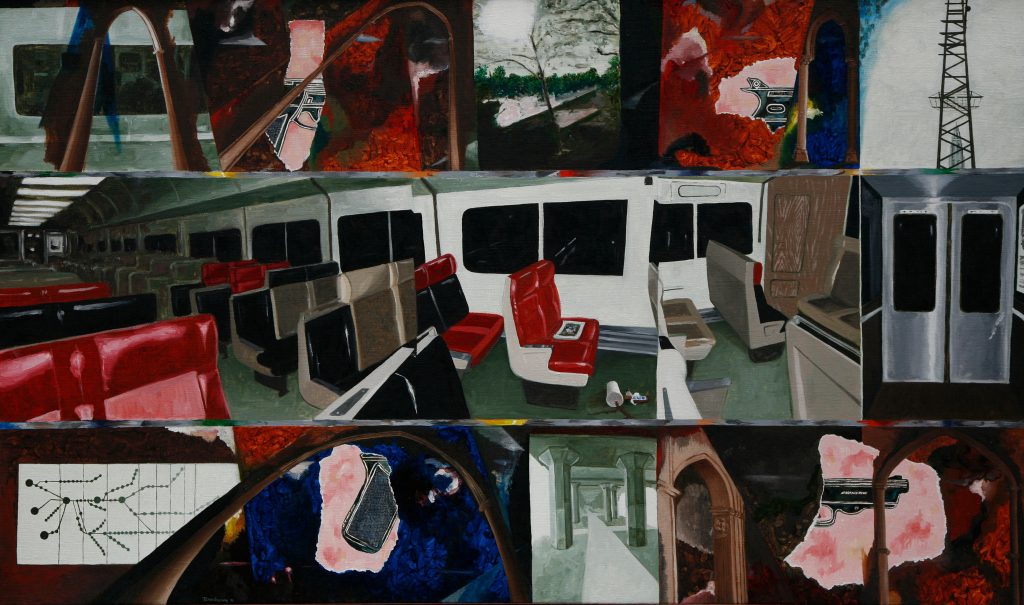
Artistic expression allows individuals to showcase their unique perspectives and identities. Whether through vibrant colors on canvas, poignant prose, or dynamic dance movements, artists can communicate what words alone often fail to convey. This authenticity not only enables artists to understand themselves better but also allows others to find meaning and relevance in their work. For instance, the rise of social media platforms like Instagram has opened up new avenues for artists to present their creations, leading to a renaissance of modern self-expression. These platforms encourage artists to break from conventional norms, demonstrating that art can flourish in numerous forms and styles, catering to a wide audience.
Breaking Barriers with Collective Experiences
Art has a unique ability to encapsulate the essence of collective experiences, which can be particularly vital in times of societal unrest or change. Creative movements often emerge as responses to current events, giving voice to the struggles and triumphs experienced by communities. For example, the Black Lives Matter movement has been significantly propelled by artists using various mediums to express pain, anger, and hope. Street art, poetry, and music have become powerful tools for activism. Programs like “Art for a Change” harness the transformative power of creativity to foster social discourse, illustrating how art can serve as a catalyst for discussions on race, justice, and belonging.
The Healing Power of Artistic Expression
Incorporating art into daily life can also promote mental health and well-being. Creative outlets such as drawing, painting, or crafting have been shown to provide therapeutic benefits, allowing individuals to process their feelings in a constructive manner. A study conducted by the American Journal of Public Health indicated that art therapy can significantly decrease symptoms of anxiety and depression. Individuals engaged in artistic practices often report a greater sense of purpose and belonging, reinforcing the idea that creating can be an empowering act. This intersection of mental well-being and artistic expression is crucial in an era where mental health awareness is more prominent than ever.
Ultimately, the importance of self-expression in art cannot be overstated. It derives strength from the connections forged through shared experiences, fostering empathy and understanding within communities. As we navigate a complex world, the unifying power of art remains essential in helping us embrace both our individual identities and our shared humanity.
The Role of Self-Expression in Fostering Connection
Self-expression in art serves as a powerful medium to create genuine connections among individuals. Whether through painting, music, writing, or dance, the act of expressing one’s inner thoughts and feelings opens a dialogue that transcends spoken words. When artists share their personal experiences, they invite viewers or listeners to engage with their narratives, leading to a deeper understanding of diverse perspectives.
Therapeutic Benefits
Engaging in self-expression can also provide therapeutic benefits. Arts can be an outlet for emotions, helping individuals cope with stress, anxiety, or trauma. This connection through creativity fosters empathy and understanding, both for the artist and the audience, ultimately creating stronger bonds within communities. Studies have shown that people who actively participate in creative activities experience improved mental health and emotional well-being.
Building Community Through Collaborative Arts
Collaboration in the arts can further deepen these connections. Interactive projects, community murals, or group performances encourage individuals to come together, share their unique voices, and form meaningful relationships. This collaborative spirit enhances the impact of each piece, showing that art can bridge gaps between diverse demographics, enabling a platform where everyone feels represented.
Inspirational Storytelling
Artistic self-expression often communicates powerful stories that resonate with audiences, allowing for connection and dialogue. Consider spoken word poetry as a prime example: it not only conveys personal narratives but often inspires listeners to reflect on their own lives and experiences. Artistic storytelling cultivates a sense of belonging and shared humanity, reminding participants that they are not alone in their journeys.
Explore Further
As you immerse yourself in the world of creative self-expression, consider how these connections are formed and nurtured. Try engaging in an art form that speaks to you or explore community workshops available in your area. Whether as an artist or an audience member, understanding the significance of these connections can elevate your appreciation of art and its transformative power.
DISCOVER MORE: Click here to dive into the art of origami
Art as a Bridge to Connection
While self-expression in art uniquely showcases the individual experiences of its creators, it also serves as a vital conduit for connection among audiences. The ability of art to evoke understanding and empathy transcends language barriers, socioeconomic divides, and geographical differences. This interconnectedness lies at the heart of why art has such a profound impact on society.
The Role of Art in Building Community
Art is a powerful vehicle for forming and strengthening communities. Public art projects, such as community murals or collaboration in art festivals, bring together individuals from diverse backgrounds, allowing them to collectively share their stories through a common medium. Initiatives like the Philadelphia Mural Arts Program have showcased how large-scale pieces of art can not only beautify spaces but also serve as beacons of community identity and pride.
Moreover, participatory art events, where community members are encouraged to contribute to a piece of art, foster inclusivity by sharing ownership of the work. These practices cultivate not only a sense of belonging but also heighten awareness of the distinct narratives within a community. As individuals contribute, they often discover similarities with others, paving the way for dialogue and relationship-building.
Art as a Mirror for Society
Art also functions as a mirror that reflects societal issues, fostering a deeper understanding of the complexities we face. Works addressing topics such as criminal justice reform, environmentalism, or mental health challenges encapsulate the often harsh realities of life, prompting viewers to confront these issues. Artists like Banksy and Ai Weiwei use their creations to challenge the status quo and inspire political engagement.
Such thought-provoking art can ignite conversations about significant societal challenges, leading audiences to reconsider their beliefs and opinions. This phenomenon can be observed in pieces that confront systemic inequalities and human rights abuses, often resulting in meaningful discussions that can transcend galleries and permeate everyday discourse.
The Global Village: Art’s Role in Cross-Cultural Understanding
In an increasingly globalized world, art serves as a foundational tool for cross-cultural understanding. Initiatives that exchange art between cultures, such as the Smithsonian’s Folklife Festival, exemplify how art fosters appreciation for diverse traditions, lifestyles, and values. Such cultural exchange programs allow artists to collaborate, influencing one another and broadening their horizons, which, in turn, enriches their work.
In addition, online platforms and social media have further democratized access to art, allowing individuals to share their creative expressions with a global audience. This digital landscape not only elevates the visibility of underrepresented artists but creates a dialogue on how culture shapes self-expression. Artists from different backgrounds are now able to collaborate and communicate instantaneously, resulting in a melting pot of ideas and styles that highlight the richness of human experience.
Through these multifaceted avenues, art illustrates its irreplaceable role in establishing connections. It is an essential element within the intricate web of human relationships, where the act of creation and expression can unite us all amidst our differences. By valuing and promoting self-expression in art, we foster a more empathetic and connected world, one creative stroke at a time.
DISCOVER MORE: Click here to learn the art of felt crafting
Conclusion: The Enduring Power of Self-Expression in Art
In understanding the vital role of self-expression in art, it becomes clear that creativity is an unmatched force for connection. Creative endeavors not only offer a space for individuals to explore and communicate their unique perspectives but also facilitate an enriching dialogue across diverse communities. From community mural projects to powerful statements on social justice, art acts as a catalyst for collective consciousness, inviting audiences to engage with profound themes and shared experiences.
By leveraging self-expression, artists possess the remarkable ability to weave together disparate narratives, forming a rich tapestry that resonates with both personal and universal truths. Through initiatives such as cultural exchange programs and collaborative art festivals, communities can cultivate a sense of belonging and shared identity. In today’s globalized and digitized world, online platforms further amplify these connections, providing visibility and opportunities for underrepresented voices, ultimately enriching the dialogue about culture and humanity.
Each brushstroke, note, or spoken word has the potential to transcend boundaries, inviting connection and understanding in a landscape often marked by division. By nurturing the importance of self-expression in art, we not only validate the diverse narratives within our society but also create pathways for empathy and solidarity. As we continue to engage with art, may we commit to embracing its transformative power, fostering connections that resonate across time and space—one creative endeavor at a time.