Art as Refuge: The Importance of Creative Expression in Times of Personal Crisis
Exploring the Healing Power of Artistic Expression
In moments of personal crisis, many individuals seek sanctuary in unexpected places. Art emerges as a powerful refuge, offering a means to process emotions and reconstruct narratives. This article explores how creative expression serves as a crucial outlet during turbulent times.
Research reveals the profound impact of art on mental health. A growing body of evidence suggests that engaging in creative practices can lead to increased emotional resilience and overall well-being. The correlation between artistic expression and mental health is not just anecdotal; it is supported by numerous studies across diverse populations.
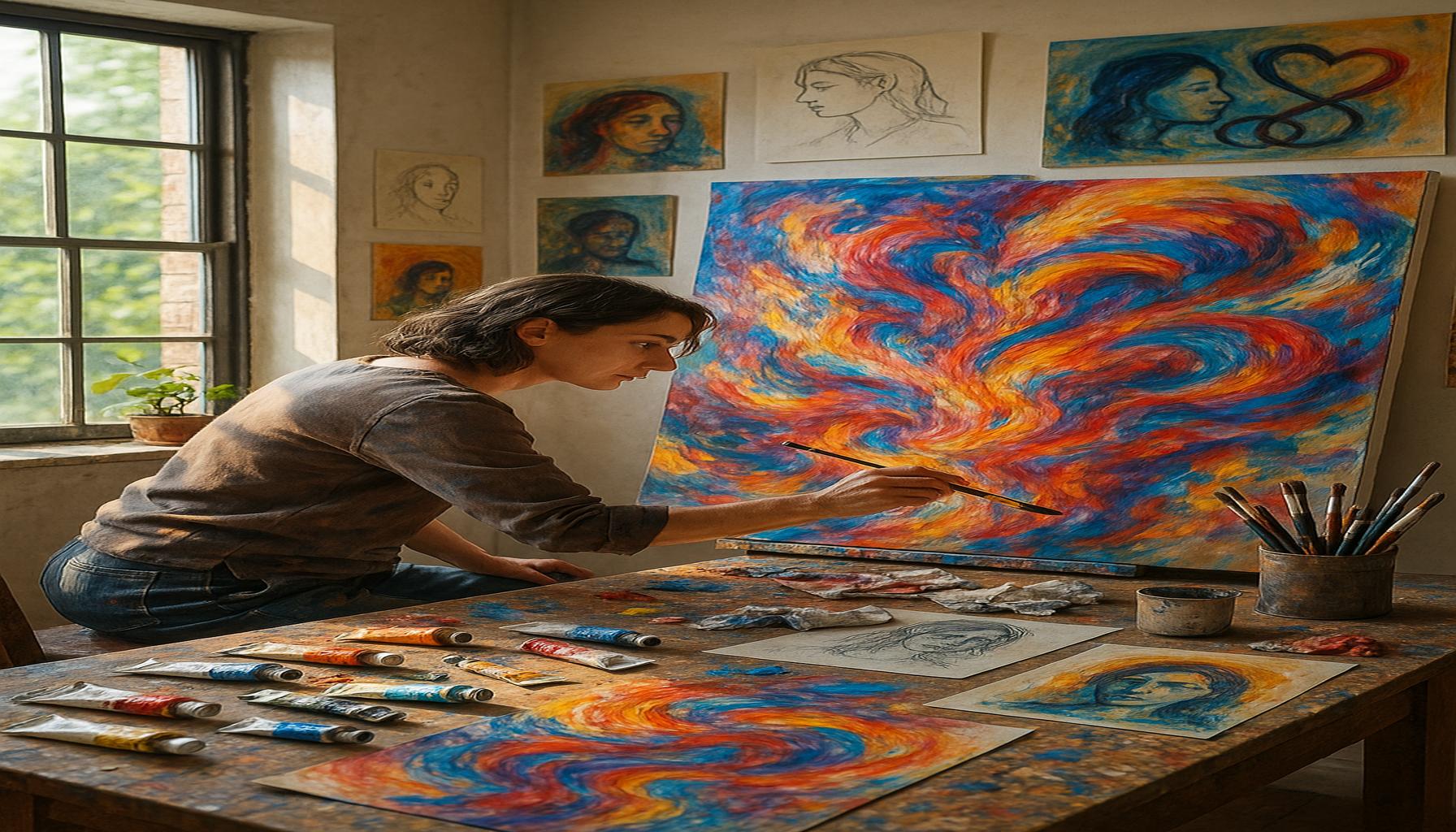
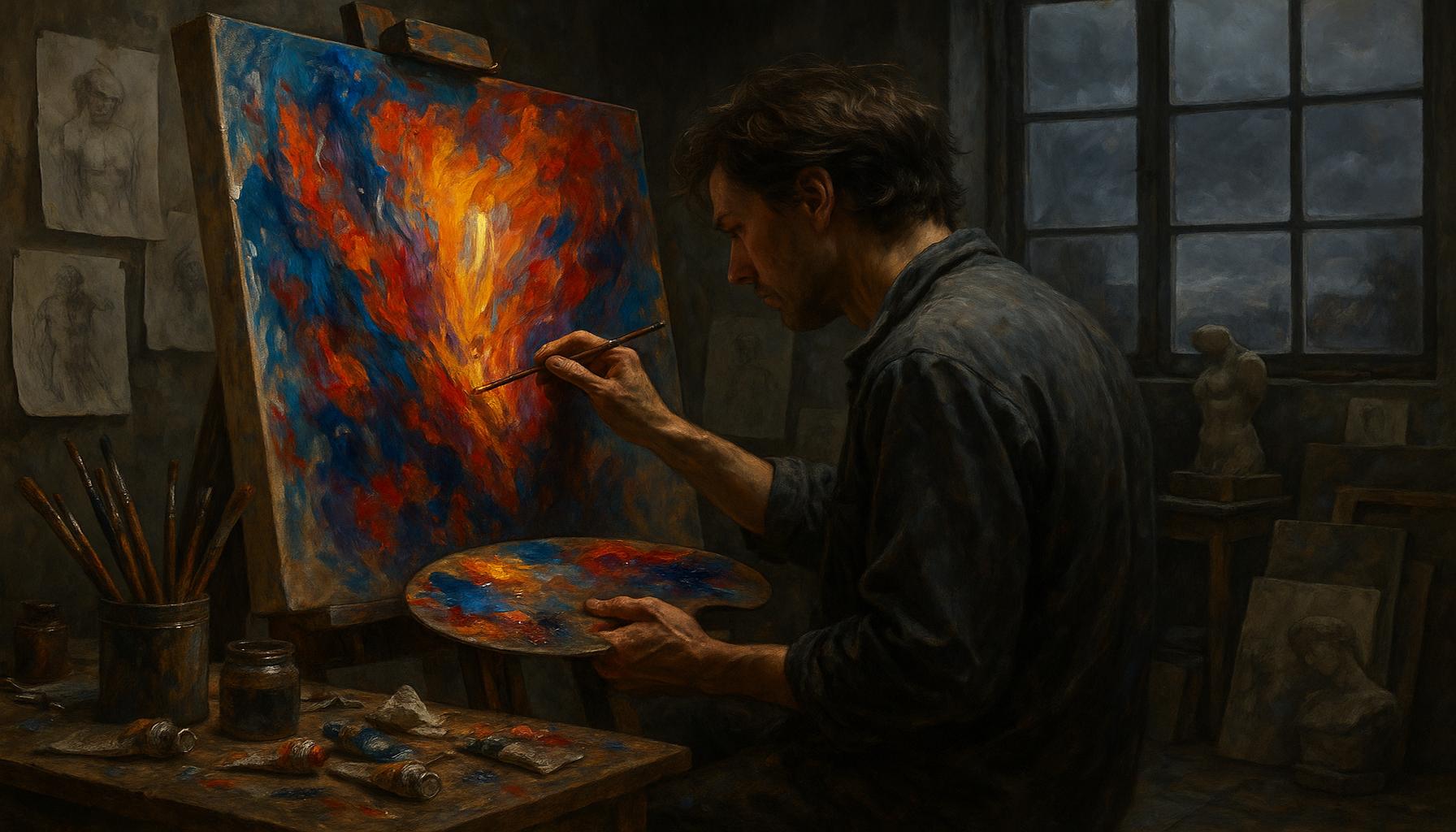
- Emotional release: Many find that art provides a safe space to express feelings that are often difficult to articulate. For instance, painting, writing poetry, or playing music allows individuals to channel their emotions into a tangible form. This transformation of inner turmoil into creative output can serve as a cathartic experience, facilitating healing. A poignant example is the use of art therapy in treating individuals with PTSD, where creating visual artworks helps clients express memories and emotions that may otherwise remain suppressed.
- Coping mechanism: Creative activities can act as a distraction from distress, allowing individuals to shift their focus. During challenging times, engaging in activities such as sculpting or photography can provide a momentary escape. Studies have shown that individuals participating in art workshops report lower levels of anxiety and improved mood. During the COVID-19 pandemic, many people turned to home-based creative projects as a way to cope with isolation and uncertainty.
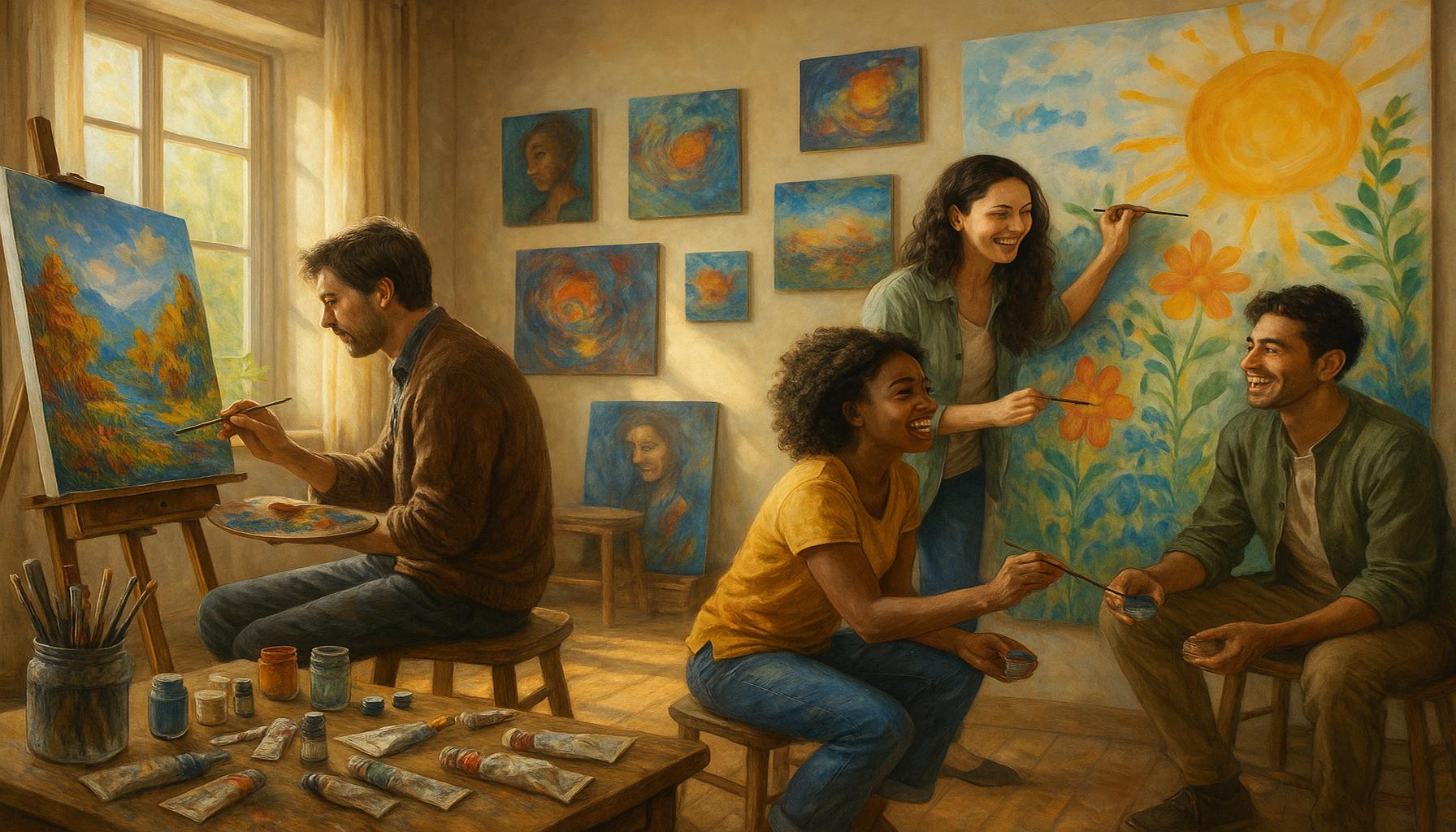
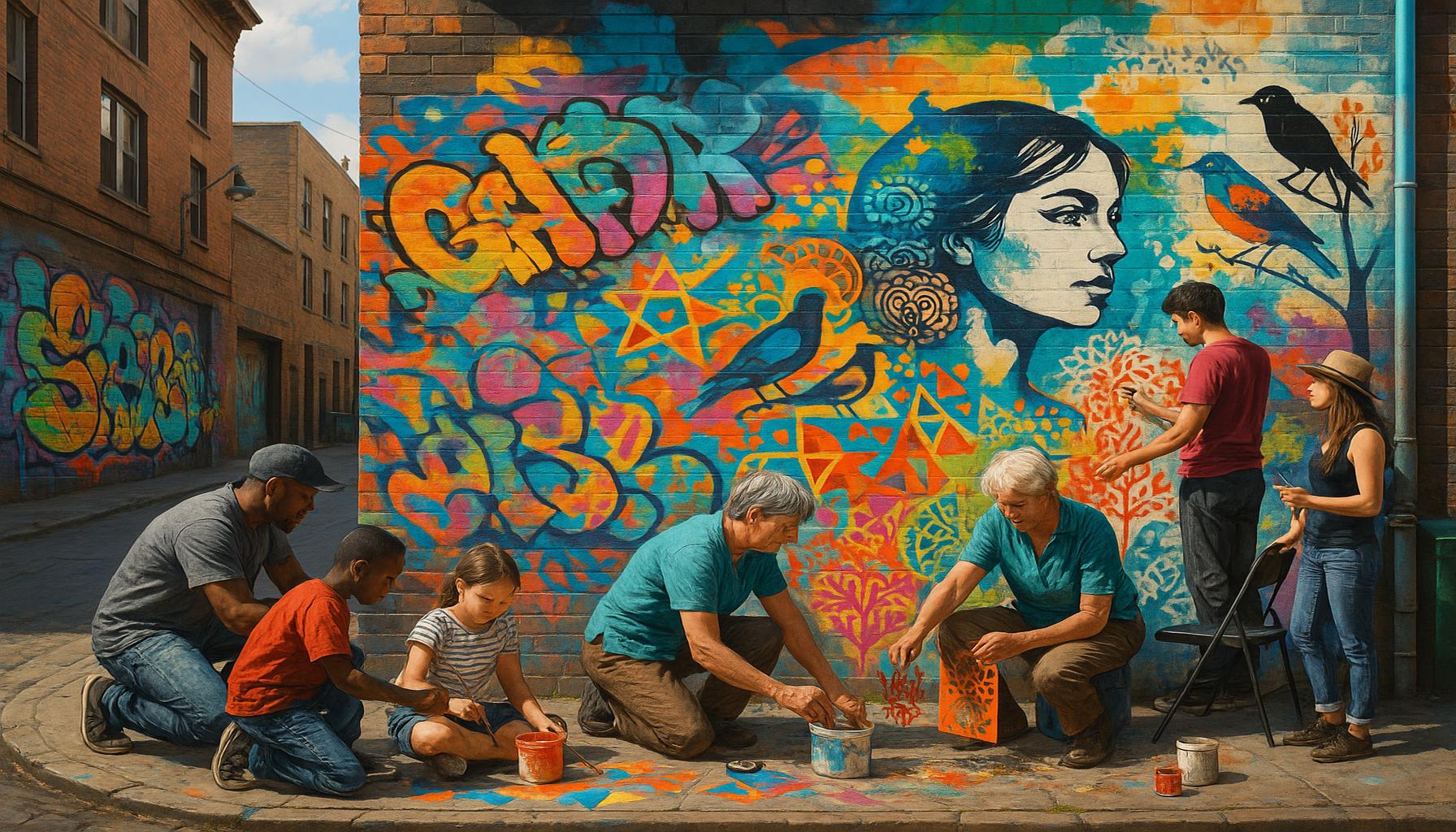
- Community connection: Participating in group art activities fosters a sense of belonging and support. Programs such as community mural projects or group art classes can build connections among participants, helping to reduce feelings of loneliness. For instance, initiatives like “Art Houses” in urban areas offer spaces for individuals to collaborate on art projects, share personal stories, and create a supportive network.
Consider noteworthy examples from history and contemporary society. Artists like Vincent van Gogh and Frida Kahlo utilized their craft to navigate personal struggles, creating masterpieces that reflect their emotional depths. Van Gogh’s vibrant yet turbulent works often mirrored his battles with mental illness, while Kahlo’s paintings poignantly captured her physical pain and emotional suffering, offering viewers insight into her life. Today’s creators continue this tradition, using platforms such as social media to share their journeys and inspire others. From Instagram artists discussing mental health openly to YouTube channels dedicated to art therapy, the digital age has expanded the reach of artistic healing.
Ultimately, discovering the interplay between art and personal crises not only highlights the significance of creative expression but also encourages further exploration. As we delve deeper into the therapeutic power of art in the face of adversity, we invite you to reflect on your own creative pursuits. How might engaging with the arts offer you a path to solace during life’s challenges?
DISCOVER MORE: Click here to learn exciting fabric painting techniques
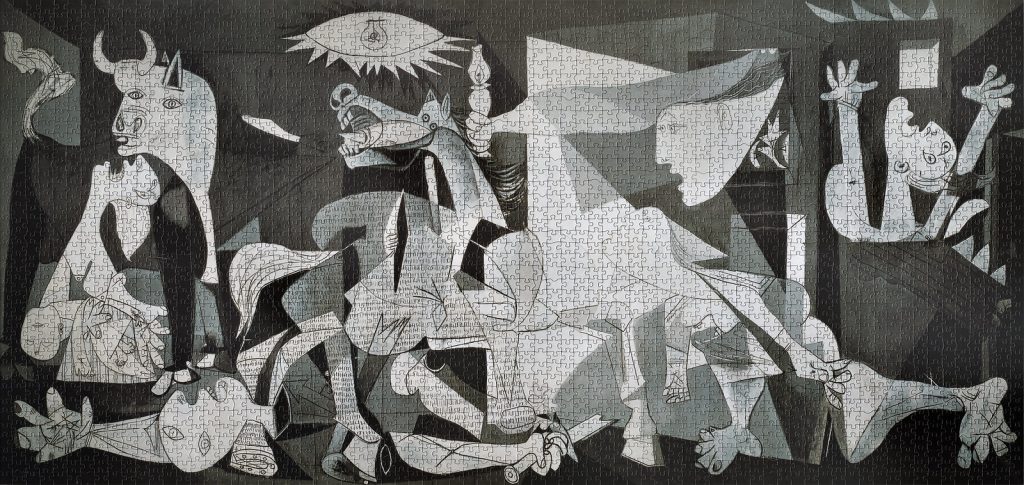
The Multifaceted Benefits of Creative Expression
Creative expression transcends mere aesthetics; it serves as a vital coping mechanism during moments of personal crisis. When faced with emotional turmoil, engaging in art allows individuals to articulate their experiences and navigate complex feelings. This section delves deeper into the benefits of art as a refuge in difficult times, underscoring its significance in fostering resilience and healing.
- Therapeutic engagement: Many mental health professionals advocate for the incorporation of artistic practices in their therapeutic approaches. Artistic activities can stimulate the brain’s reward system, releasing dopamine which promotes feelings of pleasure and satisfaction. Drawing, for example, has been shown to enhance cognitive function and decrease stress levels. A study conducted by researchers at the University of Utah found that participants who engaged in painting reported a significant reduction in anxiety, highlighting the role of art in psychological healing.
- Self-discovery and identity: Creating art often leads to profound insights and self-reflection. During crises, individuals may struggle with feelings of loss and disconnection from their sense of self. Through artistic expression, one can explore personal narratives and reclaim autonomy over their life story. Journaling, for instance, not only documents experiences but also reveals underlying emotions, assisting individuals in reconciling their past and envisioning their future.
- Empowerment: The act of creating something tangible can instill a sense of agency, especially for those feeling overwhelmed by their circumstances. Engaging in artistic practices fosters skills like problem-solving, critical thinking, and creativity, all of which contribute to an increased sense of self-efficacy. Individuals who engage in art find empowerment through creation, converting their challenges into vehicles of expression and understanding.
The transformative power of art has resonated through various movements and cultures, offering insights into the human experience. In the United States, the emergence of social movements has often leveraged the arts as a tool for expression and connection. For instance, the Black Arts Movement in the 1960s utilized poetry, visual art, and performance to address civil rights issues, allowing artists to convey their struggles and hopes. Today, artists continue to harness creativity to advocate for change, reminding us of art’s role not only as a personal refuge but also as a medium for societal commentary.
Art as a refuge extends beyond the individual; it creates a communal space for shared experiences and healing. Community-based art initiatives, such as therapeutic art groups for trauma survivors, show how collaboration can enhance individual healing. By connecting with others through art, participants discover that they are not alone in their struggles— a crucial element in overcoming personal crises.
Embracing art as a means of expression encourages individuals to explore personal narratives and forge connections. With each brush stroke or written word, they embark on a journey toward healing and renewal. In a world that often feels chaotic and isolating, art becomes a beacon of hope— a way to transcend suffering and reclaim joy.
The Therapeutic Impact of Creative Expression
Art possesses an innate power to connect individuals with their emotions, offering a safe haven during challenging times. Creative expression through various forms of art—be it painting, music, writing, or dance—serves as a cathartic outlet. During crises, when verbal communication can falter, art provides an alternative means to explore and communicate complex feelings. This phenomenon is particularly important for those grappling with trauma or loss, as it can help break down barriers and foster healing.Moreover, engaging in creative activities promotes mindfulness, allowing individuals to center themselves and alleviate anxiety. The act of creating shifts focus away from distressing thoughts and encourages a state of flow, which is both restorative and uplifting. Research highlights that even simple artistic activities can lead to measurable improvements in mood and emotional well-being. As individuals immerse themselves in the creative process, they often uncover new perspectives, enabling them to transcend their immediate challenges.
Community and Connection Through Art
Art not only serves to heal the individual but also enhances community ties. Group creative projects or workshops encourage collaboration and shared experiences, which can significantly bolster social support systems. During times of crisis, feeling connected to others is crucial; art nurtures that connection by enabling people to share personal narratives in a collective space. Art exhibitions, open-mic nights, and community murals can foster dialogue and understanding, transforming personal pain into a communal form of resilience.Indeed, initiatives that promote public art or creative expression in community settings have demonstrated success in alleviating feelings of isolation among individuals experiencing trauma. By encouraging participation and collaboration, art becomes a unifying force, reinforcing the idea that no one has to navigate their struggles alone. When individuals come together through art, they often discover solidarity and strength in shared experiences, illustrating the profound impact that creative expression can have in times of personal crisis.
| Mental Health Benefits | Art as Connection |
|---|---|
| Engaging in art improves emotional well-being by providing a medium for self-reflection. | Collaborative art projects build sustainable community bonds during crisis, fostering trust and support. |
| Art activities can significantly lower levels of anxiety and depression. | Shared artistic experiences lead to a sense of belonging, alleviating feelings of isolation. |
DISCOVER MORE: Click here to dive into scrapbooking techniques
Art as a Connector in Times of Crisis
Art serves not only as a personal refuge but also as a connective tissue that binds individuals in shared experiences. This communal aspect of creativity can transform solitude into solidarity, making it especially vital during times of personal crisis. When individuals turn to art, they inadvertently create opportunities for empathy and understanding, providing both the artist and the audience with a sense of belonging.
- Group creative processes: Collaborative art initiatives, such as community murals or theater projects, promote healing by uniting diverse voices under a common theme. In places like New York City, programs like “Art House Productions” enable local artists to come together, allowing the community to produce collective artworks that reflect their experiences. Such projects open avenues for dialogue around trauma and resilience, fostering a sense of connection among participants.
- Art as social commentary: Many artists use their work to respond to societal or personal issues, highlighting the universal aspects of their struggles. For example, the AIDS epidemic in the late 20th century spurred a wave of artistic expression that not only documented personal grief but also united communities through shared loss and hope. Modern movements, such as the Women’s March in 2017, saw visual arts contributing to the conversation about women’s rights, creating a culture of activism that encouraged individuals to express themselves creatively during times of uncertainty.
- Arts in education: Educational institutions are increasingly recognizing the role of art in nurturing emotional intelligence and resilience among students. Programs that integrate art therapy into curriculums have proven beneficial in helping children manage stress and trauma. Schools in various states, from California to Kansas, have adopted art-based practices that enable students to express themselves through visual arts, music, or drama, thereby equipping them with healthy coping mechanisms that last beyond the classroom.
Moreover, research has shown that artistic activities can significantly impact physical health. A study published by the American Journal of Public Health revealed that individuals who engaged in creative activities had lower levels of inflammation compared to those who did not. This suggests that engaging in art not only alleviates psychological distress but also could have tangible health benefits, making it a crucial component for overall well-being during turbulent times.
Online platforms have also emerged as vital spaces for artistic expression and community building. Social media campaigns like #ArtForChange provide artists with a platform to share their narratives while encouraging others to portray their stories. The digital age has revolutionized the arts, allowing individuals in remote or isolated environments to connect, collaborate, and share their creative expressions, reaffirming their place in a larger narrative of resilience and hope.
As individuals and communities navigate the complexities of personal crises, the role of art as a refuge becomes increasingly evident. It serves as a powerful tool for connection, healing, and self-expression, enabling individuals to transcend their challenges while fostering a sense of collective purpose and empowerment. In embracing the creative process, people find not only personal relief but also a reminder of their interconnectedness in the human experience.
DIVE DEEPER: Click here to uncover new scrapbooking techniques
Conclusion: The Healing Power of Creative Expression
In conclusion, the significance of art as a refuge during personal crises cannot be overstated. Throughout history, art has provided a means for individuals to process emotions, articulate experiences, and find solace in times of turmoil. Whether through the creation of community art projects, the exploration of individual narratives, or the integration of art in education, creativity serves as a lifeline for many. This creative outlet not only fosters personal healing but also cultivates a collective sense of community, enriching our connections with one another.
Moreover, the dual impact of art on both mental and physical health underscores its integral role in our lives. As studies highlight, engaging in artistic activities can lead to reduced inflammation and stress levels, making art a powerful tool for enhancing overall well-being. As we find ourselves in an increasingly complex world, the need for creative expression is more pronounced than ever. Online platforms have amplified this need, allowing artists and non-artists alike to share their stories, fostering resilience and hope.
Ultimately, embracing art in times of personal crisis not only empowers individuals but also fortifies community bonds, reminding us of our shared humanity. As we navigate the inevitable hurdles of life, let us continue to turn to art as a sanctuary—a space where healing, connection, and creativity flourish. Exploring the realms of artistic expression can yield profound insights into our struggles, illuminating pathways forward and igniting new narratives of hope and resilience.