Art as a Tool for Activism: Creative Expression in Times of Social Change
The Power of Artistic Expression
Throughout history, art has served as a catalyst for social change. From paintings to performances, creative forms of expression have the unique ability to convey powerful messages, ignite emotions, and inspire action. In times of societal upheaval, artists often find themselves at the forefront of movements, utilizing their craft to challenge the status quo and advocate for progress.
Why Art Matters in Activism
Art plays an invaluable role in activism for several reasons:
- Visual Impact: Art creates memorable images that resonate with viewers, often leaving a lasting impression. For example, the iconic “Hope” poster by Shepard Fairey during the 2008 presidential campaign is not just a piece of art; it has become a symbol of hope and change in American politics.
- Emotional Connection: Creative expression can evoke strong emotions, fostering empathy among diverse audiences. Art can humanize complex issues, as seen in works like “The Lunch Counter” installation, which recreates the Woolworth’s sit-in, allowing audiences to step into the shoes of those who fought for civil rights.
- Cultural Reflection: Artists often reflect the complexities of their communities, bringing attention to issues that matter most. The work of artists like Ai Weiwei, who addresses human rights violations in China, illustrates how art can transcend borders to highlight shared struggles.
Recent Examples in the United States
In recent years, several movements have underscored art’s vital role in activism:
- Black Lives Matter: Murals and street art have emerged across the country, challenging systemic racism. The mural “Black Lives Matter” painted on the streets of Washington, D.C. not only beautifies the area but also serves as a rallying point for demonstrators advocating racial equality.
- Climate Change: Artists utilize installations and performances to stress the urgency of environmental conservation. The “Ice Watch” installation that featured massive blocks of melting ice in cities like New York highlights the impact of climate change in a visually striking manner, prompting public discourse.
- Women’s Rights: The use of performance art and visual campaigns amplifies the fight for gender equality. Organizations like “The Guerrilla Girls” use humor and provocative posters to draw attention to the gender disparities in the art world, challenging both artists and institutions to address inequality.
As social change continues to unfold, the fusion of art and activism promises not only to reflect our realities but also to shape our futures. Artists have the unique ability to harness their talents in ways that can advocate for justice, equity, and diversity within their communities. Through exploring and supporting these movements, society can better understand and address the pressing issues at hand.
DISCOVER MORE: Click here to uncover creative techniques
Art’s Multifaceted Role in Advocacy
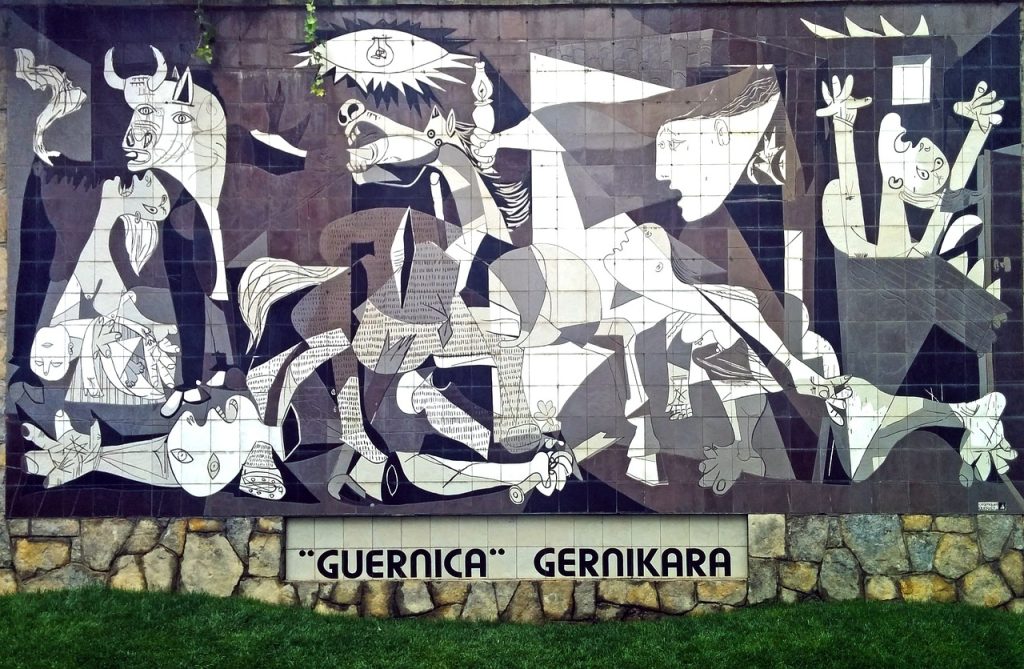
Art operates at the intersection of creativity and activism, facilitating dialogues about pressing social issues. Through various mediums, artists explore themes of justice, equality, and human rights, effectively blurring the lines between aesthetic experience and political engagement. In this context, it becomes paramount to recognize how art not only reflects societal challenges but also actively participates in shaping responses to these challenges.
Art as a Means of Education
One of the most impactful aspects of art in activism is its ability to educate diverse audiences. Many contemporary artists leverage their work to inform viewers about situations they might not otherwise encounter. This educational dimension is evident in:
- Documentary Photography: Photographs that capture the realities of marginalized communities serve as visual narratives, pushing viewers to confront uncomfortable truths. In particular, the work of photojournalists during the Syrian refugee crisis has shed light on the plight of displaced individuals, urging humanitarian action.
- Theatrical Productions: Plays addressing controversial topics, such as “Sweat,” take audiences into the lives of workers affected by globalization. This dramatization invites empathy and challenges individuals to rethink their perceptions of economic and social systems.
- Public Installations: Installations such as “The Fallen” memorialize victims of gun violence, transforming public spaces into sites of reflection and dialogue. By making these issues visible, artists foster a collective memory that can motivate civic engagement.
Amplifying Marginalized Voices
The art world has increasingly embraced the importance of amplifying underrepresented voices. This shift is crucial in a diverse society where many stories go untold. Initiatives like International Women’s Day bring together artists from various backgrounds to celebrate female creativity and address gender inequality. Similarly, the work of Indigenous artists highlights environmental issues and cultural heritage, ensuring that their narratives gain global visibility.
Moreover, the rise of digital platforms has expanded the reach of activist art, allowing grassroots movements to disseminate their messages far beyond local communities. Social media networks, for example, have enabled artists to share their work instantly, fostering solidarity and collaboration among activists across the globe. This new virtual landscape encourages a creative exchange that enriches the narratives surrounding social justice. As artists continue to employ innovative methods to capture the public’s imagination, their contributions serve as important reminders of the power of collective action in the quest for change.
As we delve deeper into how art and activism intersect, it becomes clear that the combination of creativity and social advocacy can lead to profound transformations. By harnessing the power of artistic expression, we can continue to challenge injustices and inspire movements that resonate with individuals and communities alike.
| Category | Key Features |
|---|---|
| Visual Art | Utilizes mediums such as painting, sculpture, and street art to convey social messages, sparking dialogue. |
| Performative Art | Engages audiences through dance, theater, and spoken word, creating immersive experiences that challenge societal norms. |
| Digital Art | Harnesses technology to spread activist messages globally, making art more accessible through social media platforms. |
| Community Involvement | Fosters unity and encourages participation, allowing individuals to express their concerns and aspirations artistically. |
As society grapples with rapid change, the role of art becomes increasingly essential. Art as a tool for activism not only evokes emotions but also serves as a mirror reflecting the struggles and achievements of communities. Historical movements, from civil rights to environmental protection, showcase how artists have harnessed their craft to advocate for change, raising awareness and generating crucial conversations around social issues. Art’s ability to transcend barriers—be it language, culture, or geography—empowers it as a universal vehicle for activism. The creations of activist artists often provoke thought and encourage critical discourse, inviting audiences to question the status quo and envision a more equitable future. The intersection of creativity and social change is also highlighted in grassroots movements, where art is used in public spaces, fostering engagement that traditional forms of activism might not reach. In this digital age, the influence of art extends further as activists utilize social media to disseminate their messages rapidly, reaching diverse audiences who may resonate with their causes. Overall, the potential of art in activism continues to evolve, constantly reminding us that in times of social change, creative expression is a powerful form of protest and a vital element in the quest for justice and equality.
DISCOVER MORE: Click here to learn about creative fabric painting techniques
The Impact of Community Engagement Through Art
Artistic initiatives rooted in community engagement exemplify how creative expression can foster activism on a local scale. These endeavors not only empower individuals to share their stories but also cultivate a sense of ownership over their narratives, reinforcing the communal bonds that are essential in addressing social injustices.
Community Art Projects
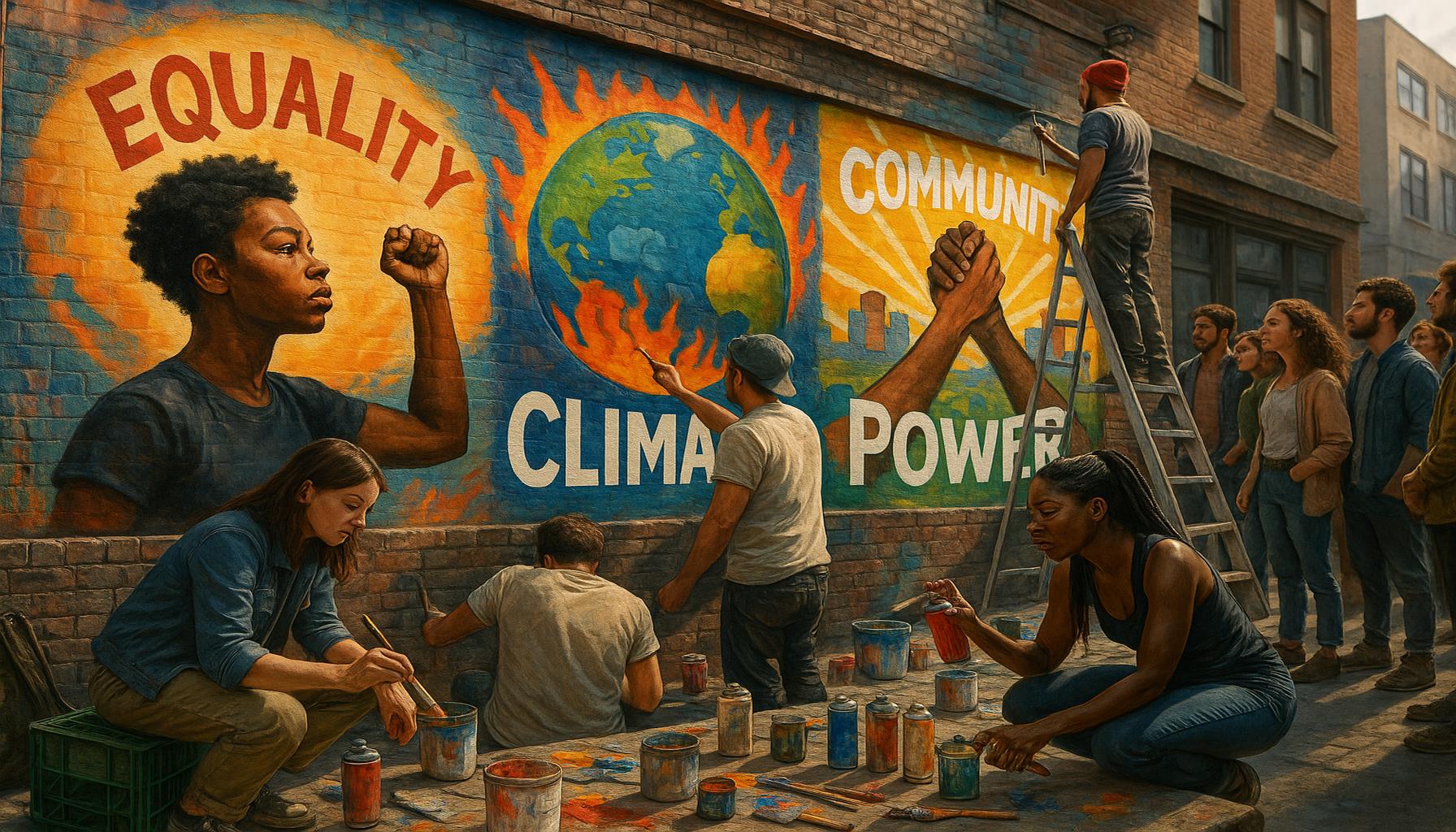
Community art projects play a pivotal role in advocating for social change by creating spaces for dialogue and collaboration. One notable example is the Chicago mural project, which engaged local artists and community members to transform vacant walls into canvases that reflect the cultural heritage and experiences of the neighborhood. These murals often address issues such as violence, poverty, and systemic racism, inviting onlookers to reflect on these challenges.
Performance Art as Protest
Performance art has also emerged as a key medium for activism. Events like “The Vessel”, orchestrated by the artist collective Strike Anywhere, exemplify this trend. These theatrical protests aim to provoke discussions around political repression and social inequality. By merging performance with message-driven protest, artists can create compelling encounters that resonate deeply with audiences. The enactment of real-life scenarios in public spaces challenges spectators to engage with concepts of justice and morality actively.
Art Festivals and Local Activism
Art festivals that focus on social issues serve to unite artists and activists while promoting awareness of critical matters. Festivals like the American Coalition for the Arts immerse attendees in workshops, sessions, and exhibits that spotlight pressing issues such as environmental degradation and racial injustice. These events provide an essential platform for artists to showcase their work and connect with audiences who may be unfamiliar with the issues being presented.
By encouraging conversations and interaction around these themes, art festivals often elevate local narratives to a regional or national audience, posing significant impacts on public perception and policy considerations. They serve not merely as a celebration of artistic expression but as a clarion call for participants to engage in activism.
The Role of Technology in Artistic Activism
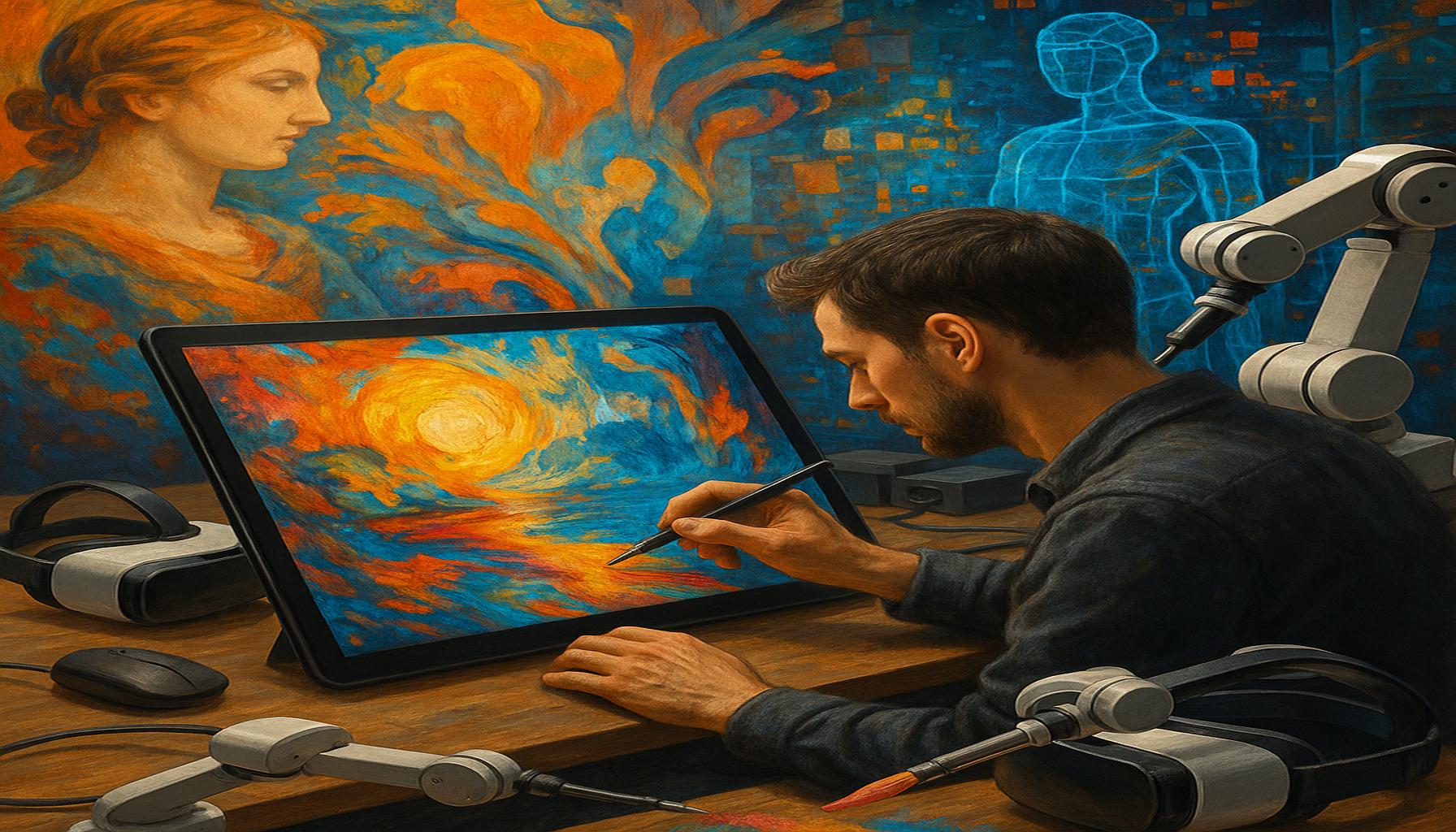
The evolution of technology plays a significant role in the ongoing dialogue between art and activism. With the rising influence of virtual reality (VR) installations, artists are pushing the boundaries of how stories are told and experienced. Projects such as “The Invisible Man” offer immersive experiences that highlight challenges faced by marginalized groups, encouraging empathy in ways traditional mediums may not. This innovative approach can reach global audiences, enhancing advocacy efforts by fostering a deeper emotional connection to complex issues.
Furthermore, platforms like Kickstarter and Patreon empower artists to fund activist projects directly, often leading to the production of works that center on community struggles and resilience. As technological advancements continue to reshape the artistic landscape, the potential for activism rooted in creative expression becomes even more pronounced, offering fresh avenues for addressing societal concerns.
These dynamic intersections of art, community engagement, and activism exemplify the transformative power of creativity as a catalyst for change. The journeys undertaken by artists and activists reveal that art, when deployed thoughtfully, can forge connections that inspire action and create communities committed to social equity and justice.
DISCOVER MORE: Click here to delve into the impact of social media on culinary trends</p
Conclusion
In a world where social issues often seem insurmountable, art as a tool for activism emerges as a beacon of hope and connection. The multifaceted relationship between art and social change extends beyond mere aesthetic appreciation; it is a vibrant and dynamic force that transcends boundaries and invites dialogue. From community-driven mural projects to thought-provoking performance art, the diverse expressions of creativity reflect the struggles and triumphs of the human experience, inspiring individuals to engage and advocate for their rights.
As we navigate the complexities of modern society, the role of technology in amplifying artistic activism cannot be overstated. Innovations such as virtual reality and crowdfunding platforms open new avenues for artists to share their messages, reaching wider audiences and fostering empathy in unprecedented ways. This shift underscores the necessity for continued exploration and support of artistic initiatives that prioritize social justice.
Ultimately, the power of art lies in its ability to evoke emotion, challenge perceptions, and motivate action. It serves as both a mirror and a map, reflecting societal issues while guiding us toward a more equitable future. Whether it is through grassroots movements, large-scale festivals, or digital expressions, the integration of art into activism creates a tapestry of voices that compel us to listen, reflect, and respond. As we continue to champion creative expression during times of turmoil, let us remember that art is not merely a tool for activism; it is the soul of the movement, invigorating our collective pursuit of change.