The Intersection of Technology and Art: How New Media Are Transforming Artistic Expression
The Intersection of Technology and Artistic Expression
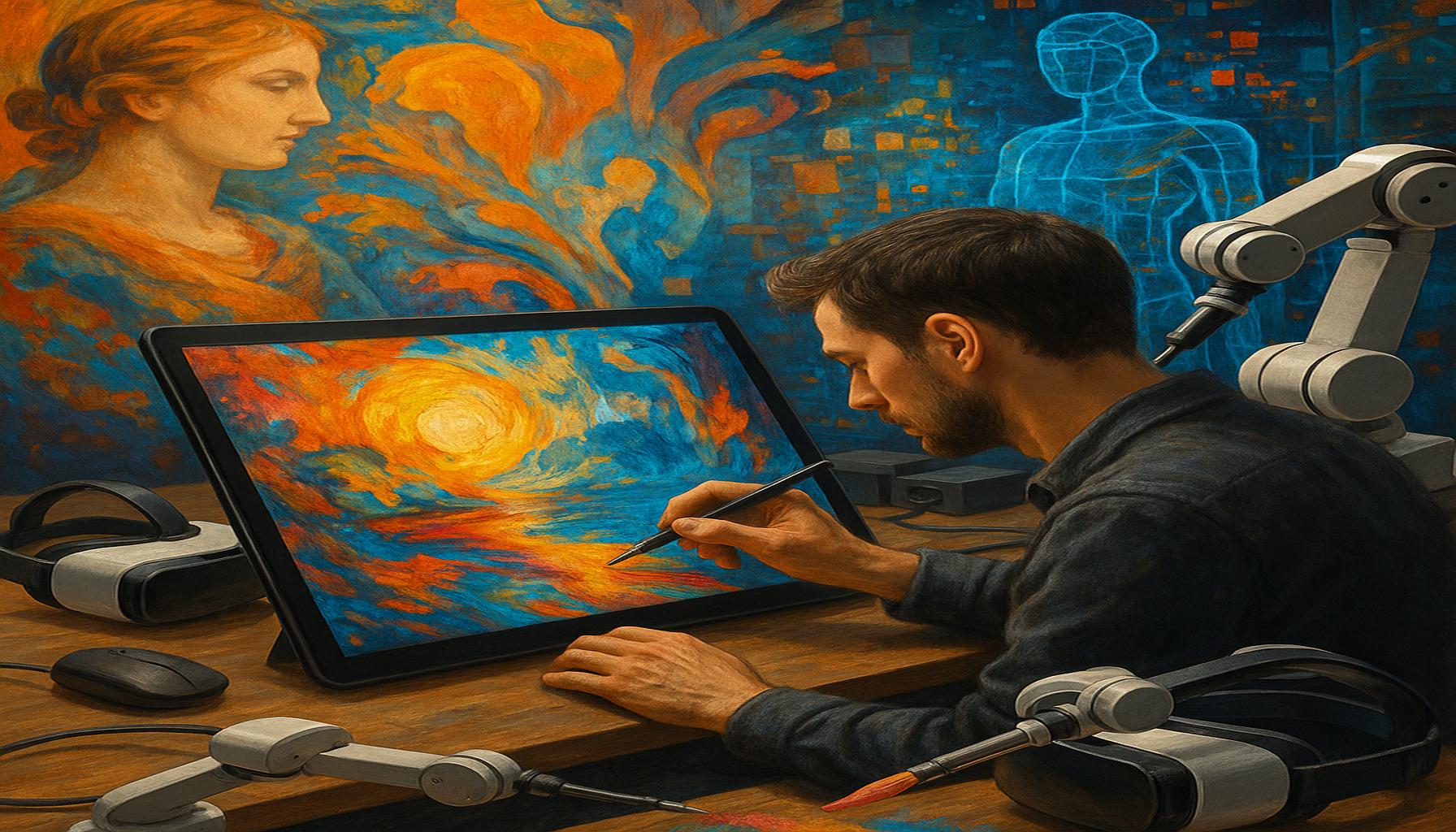
The fusion of technology and art is reshaping the landscape of artistic expression in unprecedented ways. In recent years, artists have increasingly embraced new media and innovative techniques, driving a cultural evolution that expands the definition of what art can be. This transformation not only enriches the creative landscape but also encourages fresh ways for audiences to engage with art, blurring the lines between creator and spectator.
One notable example of this fusion is found in digital installations. Artists like Refik Anadol utilize projections and interactive elements to create immersive experiences that engage all the senses. Anadol’s works, such as “Infinity Room,” employ digital technology to transport viewers into expansive, dreamlike spaces that challenge conventional perceptions of art. These installations invite audience participation, where movement and interaction can alter the artwork itself, emphasizing the idea that art is a dynamic dialogue rather than a static observation.
Virtual reality (VR) further exemplifies this intersection, allowing viewers to step into three-dimensional artistic realms. Projects like “Tilt Brush” enable artists to paint in a virtual space, creating an entirely new medium that transcends traditional canvas. Not only does this technology push the boundaries of creativity, but it also democratizes access to art. While VR headsets can be costly, initiatives such as Google Arts & Culture offer virtual tours of museums around the world, making art more accessible to users regardless of their geographic location.
Moreover, social media has revolutionized the way artists connect with audiences. Platforms like Instagram and TikTok allow artists to share their work instantaneously, cultivating a global following without the need for physical galleries. For instance, artists like @theartofcharly—who uses Instagram to showcase vibrant illustrations—demonstrate how digital platforms can serve as both gallery and market, transforming how art is monetized and viewed. This accessibility fosters a vibrant community where both artists and audiences can engage, discuss, and collaborate in real time.
As we observe these transformations, it is clear they redefine traditional notions of art, prompting important questions about authorship and the experience of art itself. The artist’s role evolves from a solitary creator to a facilitator of shared experiences, urging a deeper connection with the audience. Furthermore, the integration of technology not only creates new mediums but also fosters collaboration across various disciplines, encouraging artists to explore intersections with science, technology, and sociology.
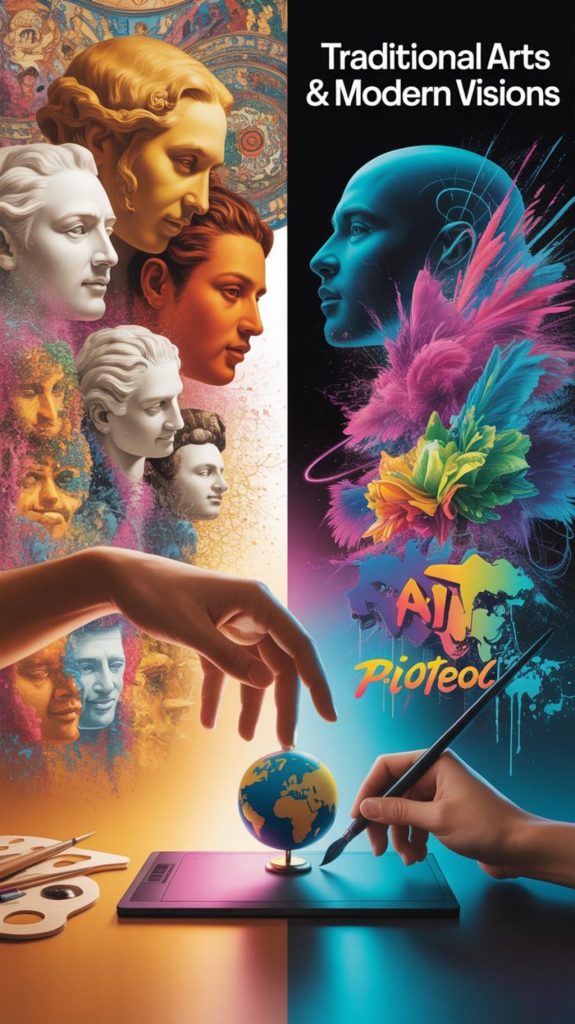
Shaping a New Era
As we delve deeper into this intersection, key themes emerge, such as interactivity, accessibility, and innovation. The cultural ramifications are significant, encouraging artists to merge their creative practices with technological advancements. The evolution of art into a multidimensional experience fosters a greater understanding of diverse perspectives and backgrounds, enabling creators to explore broad themes like identity, social justice, and environmental consciousness through new lenses.
In this exploration, we not only uncover the myriad ways these transformations are redefining artistic expression in the modern world, but we also reflect on how they might shape the future of creativity itself. For those captivated by the dynamic relationship between technology and art, the possibilities seem endless, promising a continual evolution that will undoubtedly surprise and inspire generations to come.
DISCOVER MORE: Click here to uncover the secrets of nature and creativity
Transforming Artistic Practices Through Technology
The emergence of new media is fundamentally altering how artists conceive, create, and present their work. In this digital age, artists are no longer confined by traditional mediums such as painting or sculpture; instead, they are embracing a comprehensive spectrum of tools that technology offers. The result is a vibrant and diverse array of artistic forms that challenge the status quo and provoke dialogue.
One of the most striking changes is the rise of digital art. Artists are using software and digital tools to create visually stunning pieces that can be easily shared and reproduced. This has opened doors for artists like Beeple, who gained fame for his innovative and iconic digital collages, culminating in the historic sale of an NFT (Non-Fungible Token) artwork for $69 million at a Christie’s auction. Such milestones not only highlight the potential for financial success but also demonstrate how technology is creating entirely new avenues for artistic legitimacy and recognition.
Additionally, the incorporation of augmented reality (AR) is reshaping our interaction with art. AR allows artists to overlay digital images in real-world environments, enriching the viewer’s experience. For example, the recent project by Snapchat, where they partnered with artists to create AR installations across urban landscapes, exemplifies how technology can enhance public engagement with art. Through these interactive experiences, art becomes a part of our everyday environment, prompting users to explore their surroundings in new and exciting ways.
New technology also cultivates collaboration across various fields. Artists are teaming up with engineers, programmers, and scientists to push the boundaries of creativity. This interdisciplinary approach fosters innovation, leading to projects such as interactive installations or art-science collaborations that address pressing societal issues. Notable examples include data visualization artworks that transform complex datasets into visually compelling narratives, showcasing the potential of combining artistic creativity with scientific inquiry.
As we explore these diverse art forms, several key characteristics emerge that distinguish contemporary artistic expression in the digital era:
- Interactivity: Many modern artworks rely on viewer interaction, blurring the lines between creator and participant.
- Accessibility: Digital platforms enable artists to reach wider audiences, breaking down geographical barriers.
- Innovation: Technological advancements continually inspire new artistic practices, leading to the development of unique visual languages.
The evolution of these trends not only reshapes how art is created but also impacts how we engage with it. New technologies challenge us to rethink our roles as viewers, transforming passive observation into active participation. As artists embrace these changes, the evolving nature of artistic expression beckons us to reconsider our understanding of creativity in the modern world, prompting deeper conversations about what art can do and mean in a technologically-driven society.
The Technological Revolution in Artistic Practices
The way artists create and share their work is undergoing a seismic shift. As new media technologies emerge, they revolutionize not only the artistic process but also the audience’s experience. One prominent example is the incorporation of digital platforms such as social media, which allows artists to reach diverse global audiences instantly. Unlike traditional galleries, these platforms enable real-time feedback and interaction, fostering a unique community where art can thrive beyond conventional boundaries.
The Role of Virtual Reality and Augmented Reality
Moreover, virtual reality (VR) and augmented reality (AR)</strong) technologies are redefining how audiences engage with art. These mediums provide immersive experiences that can transport viewers into different worlds, where they can interact with the artwork in ways previously unimaginable. For example, artists have begun creating virtual installations that invite viewers to explore their work from every angle, creating a participatory experience that blurs the line between artist and audience. This interactivity invites personal interpretation, deepening the emotional connection with the art.
Coding as a New Medium
Another fascinating aspect of the intersection of technology and art is the rise of generative art. Artists are now using coding as a medium to create artwork that can evolve and change over time. Through algorithms, they generate visuals that respond to real-world data or viewer interactions. This method not only opens new avenues for creativity but also challenges traditional notions of authorship and originality, as the artwork is inherently unpredictable.
Impact on Artistic Accessibility and Diversity
As technology reduces barriers to entry, it democratizes artistic expression, allowing a wider array of voices to emerge. This diversity enriches the artistic landscape, as stories from various cultures and backgrounds find platforms to resonate with broader audiences. Furthermore, artists with disabilities can leverage technology to overcome physical limitations, showcasing their work and perspectives in innovative ways.In conclusion, the intersection of technology and art continues to evolve, fueling a transformative wave in how art is made, experienced, and shared. As these mediums further permeate the art world, they invite audiences to engage with creativity in unprecedented ways, promising an exciting future for both artists and art lovers alike.
| Category | Advantages |
|---|---|
| Digital Platforms | Wider audience reach and instant feedback |
| Immersive Technologies | Enhanced interactivity and engagement with art |
| Generative Art | Challenging traditional notions of creativity |
| Democratization of Art | Increased diversity and accessibility of voices |
DISCOVER MORE: Click here to delve into the world of visual arts
Exploring New Dimensions of Artistic Engagement
The influence of technology on artistic expression extends beyond the mere creation of art; it fundamentally transforms how audiences experience and interact with it. Virtual reality (VR) has emerged as a groundbreaking medium that offers immersive experiences, allowing viewers to step inside the artwork itself. This cutting-edge approach grants individuals the ability to engage with art in a manner that was once unimaginable. For instance, VR installations like “The Night Cafe,” an adaptation of Vincent van Gogh’s iconic painting, invite participants to explore a 3D recreation of the artist’s world, melding reality and fantasy into an unparalleled artistic experience.
Moreover, online platforms and social media have become conduits for artists to disseminate their work to global audiences while encouraging vibrant dialogues around it. The hashtag movement on platforms like Instagram has given rise to community-driven trends, pushing artists to respond to contemporary issues collaboratively. A poignant example is the “Black Lives Matter” art movement, where creators leveraged digital spaces to amplify their voices and showcase activism through art. This phenomenon underscores how technology not only facilitates artistic expression but also fosters a sense of collective purpose among artists and their audiences.
In addition to social media, the rise of streaming technology is reshaping traditional art venues such as galleries and museums, allowing them to expand their reach beyond physical boundaries. Museums are increasingly hosting virtual exhibitions where audiences can explore collections from the comfort of their homes. For example, The Louvre in Paris has launched virtual tours that guide users through its vast collections, bringing historical narratives and artistic masterpieces into the digital realm and making them accessible to millions worldwide.
The integration of generative art further exemplifies the intersection of technology and creativity. Artists harness algorithms and neural networks to produce unique pieces that evolve over time, embodying the dynamic nature of contemporary art. For instance, the art collective Hito Steyerl creates videos and installations that interrogate the role of technology in shaping our perceptions and experiences. Generative artworks often blur the lines between the creator’s intent and the algorithm’s output, challenging traditional notions of authorship and originality.
As technology continues to evolve, the potential for environmental art via digital mediums is also gaining traction. Artists are embracing sustainability by utilizing digital tools to address urgent climate issues visually. Projects like “The Ocean Cleanup” utilize data-driven imagery to raise awareness about ocean pollution while invoking a call to action for sustainability. The fusion of ecological advocacy and artistic expression through technology illustrates how contemporary art can engage with societal challenges in impactful ways.
Furthermore, as the field of artificial intelligence (AI) matures, we are witnessing a significant impact on the creative process itself. AI algorithms are now being trained to generate art, raise questions about the future of creativity. Artists like Refik Anadol use AI to create stunning visualizations of complex data sets, revealing hidden patterns and aesthetics that were previously unperceived. This intersection of machine learning and creativity not only expands artistic possibilities but also challenges our conception of what constitutes the artist’s role in the creative process.
Through technology, art is transitioning into a multidimensional landscape where boundaries are increasingly blurred. As artists, audiences, and technologists come together, they are creating new languages of artistic expression that reflect the complexity of our modern world. The transformation of art in this digital era opens a myriad of possibilities for engaging with creativity in ways previously beyond our imagination. The journey into this new art world has just begun, and it promises to be as intriguing as it is innovative.
DIVE DEEPER: Click here to discover more delicious twists on childhood favorites
Conclusion: The Future of Artistic Expression in the Digital Age
The intersection of technology and art is not merely a trend; it is a profound shift that reshapes the entire landscape of artistic expression. As we have explored, innovations such as virtual reality, social media, and artificial intelligence are redefining how artworks are created, experienced, and shared. Artists are no longer limited by traditional mediums; they now possess a vast toolkit that allows them to engage with their audience in stunningly immersive and interactive ways. This democratization of art, facilitated by digital platforms, empowers creators from diverse backgrounds to showcase their work and articulate their messages globally, addressing issues from activism to sustainability.
Looking ahead, the ongoing evolution of new media suggests that our understanding of art will continue to expand. The adoption of generative art and data-driven projects signifies not only a shift in creative processes but also a challenge to the notions of authorship and originality. What does it mean to be an artist in a world where machines can create alongside humans? This is a question ripe for exploration, inviting both artists and audiences to engage in deeper dialogues about the implications of such advancements.
As we stand at this exciting crossroads, the future of artistic expression appears limitless. The convergence of technology and art fosters an environment ripe for exploration, collaboration, and reflection. It urges us to reconsider our approaches to creativity and to embrace the unpredictable outcomes that arise from this synergy. The canvas of the digital era is vast, and it is up to us to discover its numerous possibilities and the stories waiting to be told within it.