Modern Embroidery Techniques: Personalizing Textiles with Style and Creativity
Exploring the World of Modern Embroidery
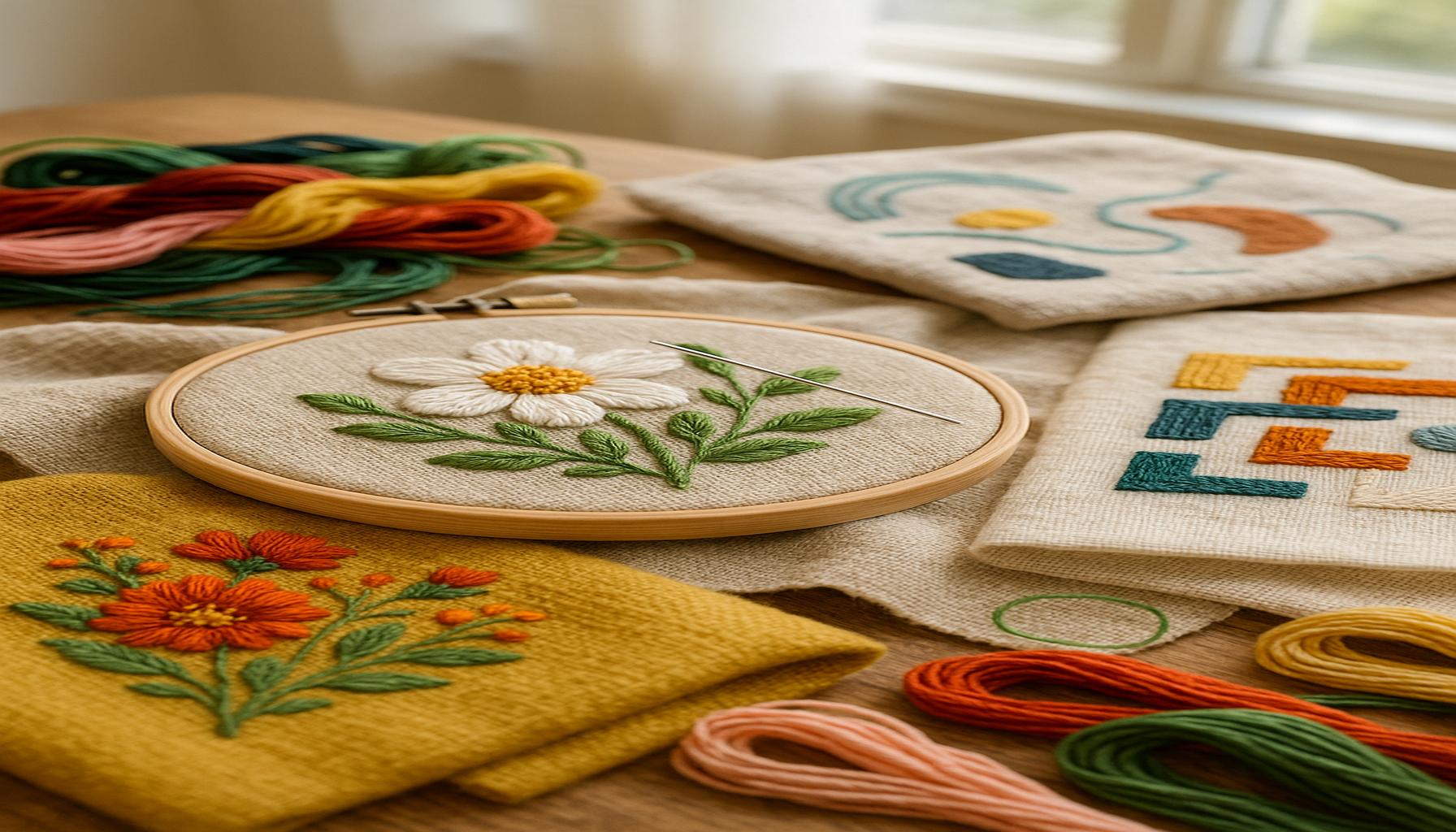
In recent years, embroidery has undergone a significant transformation, evolving into a contemporary art form that allows individuals to express their creativity. With the rise of technology and innovative techniques, personalizing textiles has never been more accessible or stylish. Modern embroidery is no longer confined to traditional hand-stitches; it embraces a myriad of styles that cater to the tastes of a diverse audience.
Why Choose Modern Embroidery?
- Customization: Tailoring your fabrics to reflect your unique personality is a key appeal of modern embroidery. Whether it’s creating a monogram for a pillowcase or adding intricate designs to a denim jacket, each piece can tell a personal story. For instance, many people are now customizing jackets with phrases or symbols that resonate with them, turning everyday clothing into vibrant statements of self-expression.
- Diverse Techniques: Modern embroidery incorporates a range of methods, including digital embroidery, which utilizes computer software to create complex designs with precision. Additionally, techniques like free-motion stitching allow artists to draw with thread, leading to imaginative patterns that can range from abstract art to delicate florals. Mixed media combinations, incorporating textures and materials like beads or fabric scraps, add dimension to traditional embroidery, making it multifaceted.
- Eco-Friendly Options: As sustainability becomes increasingly important, many modern embroiderers are opting for eco-friendly materials. Organic cotton threads and fabrics made from recycled materials not only reduce waste but also promote a conscious lifestyle in the textile art community. Brands like Patagonia have even integrated embroidery into their product lines while maintaining a focus on environmental stewardship.
These modern embroidery techniques are not just a trend; they represent a revival of craft that appeals to a wide audience. Whether you are looking to personalize clothing, home decor, or gifts, the possibilities are truly endless. From creating bespoke wall hangings to stitching intricate designs on tote bags, the extent of creativity is limited only by imagination.
What You’ll Discover
- Tools and Materials: An overview of essential equipment needed for your embroidery projects, including various needles, threads, and fabric types, will be invaluable for both beginners and experienced artists. Understanding the difference between embroidery floss, specialty threads, and stabilizers can significantly influence the outcome of your creations.
- Step-by-Step Guides: Easy-to-follow instructions for popular embroidery styles, such as hand embroidery, machine embroidery, and even DIY kits, make it possible for anyone to learn. Beginners can start with simple projects like embroidered patches, while experienced users can take on complex designs that challenge their skill set.
- Trend Analysis: Insights into the latest patterns and design inspirations, from minimalist designs to bold, colorful images inspired by pop culture, will keep your creativity flowing. Trends in modern embroidery often reflect the shifts in fashion and art, making it an ever-evolving landscape.
This article will guide you through the exciting world of modern embroidery techniques and inspire you to add a personal touch to your textiles with style and creativity. Whether you are looking to dive into this vibrant art form as a hobby or pursue it professionally, the journey is bound to be rewarding and enriching.
DIVE DEEPER: Click here to discover the inspiration nature brings to creative writing
The Essentials of Modern Embroidery: Tools, Techniques, and Inspirations
To embark on your journey into the world of modern embroidery, having the right tools and understanding various techniques is paramount. A vast array of equipment is available, catering to both novice and skilled embroiderers alike. From traditional hand tools to advanced machinery, the options can seem overwhelming. However, knowing what to use will help simplify your crafting experience.
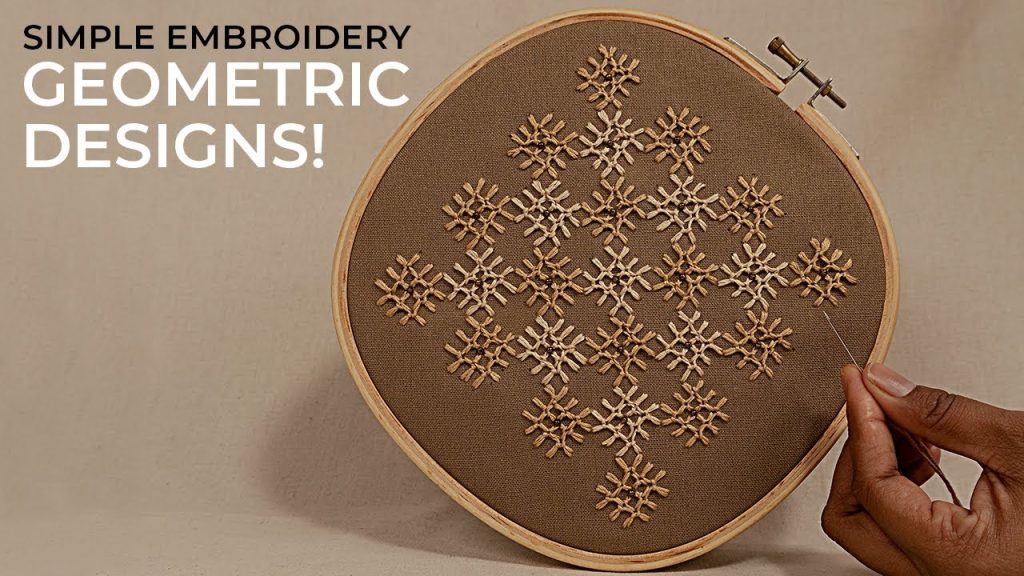
Essential Tools for Every Embroiderer
- Needles: Embroidery needles come in various sizes and types, each designed for specific threads and fabrics. Universal needles are great for most projects, while specialty needles like ballpoint are perfect for knits. Investing in a good selection of needles can enhance your stitching precision and reduce fabric damage.
- Threads: The heart of embroidery lies in the threads. Options range from vibrant embroidery floss to luxurious silk threads. Understanding the differences in materials—like the sheen of rayon vs. the durability of polyester—can affect the final appearance of your designs. Additionally, specialized threads such as metallic and glow-in-the-dark can add a unique flair to your work.
- Fabrics: The choice of fabric is just as crucial as the threads you use. Cotton, linen, and even canvas are popular choices, each offering various textures and weights. Consider your project type when selecting fabric; heavier fabrics work well for bags, while lighter ones are ideal for delicate embellishments.
- Stabilizers: To achieve the best results, using stabilizers is essential. They help prevent the fabric from puckering and provide support for your embroidery. Iron-on, tear-away, and water-soluble stabilizers are just a few options that suit different projects.
Equipped with these tools, you can experiment with a myriad of embroidery techniques that elevate your creations. Techniques like hand embroidery, which involves stitching by hand using a variety of decorative stitches, allows for great creativity. Elements such as satin stitch, chain stitch, and cross-stitch are fundamental techniques that can help in creating intricate design elements.
For those inclined toward technology, machine embroidery presents a fascinating avenue. This technique uses embroidery machines to create detailed and consistent designs at a much faster pace. In recent years, software options have expanded, allowing creators to design their patterns digitally, which can be directly transferred to machines. The intersection of art and technology is redefining embroidery, making it an appealing choice for many.
Finding Inspiration for Your Projects
As you explore the possibilities of modern embroidery, finding inspiration is vital. Social media platforms like Instagram and Pinterest are treasure troves for innovative designs and unique stitching ideas. By following popular embroidery hashtags and accounts, you can discover trend-setting styles that resonate with your creative vision.
Local embroidery groups and online forums can also serve as excellent sources of inspiration. Engaging with other embroiderers, sharing ideas, and collaborating can lead to extraordinary projects that challenge your creativity and refine your skills. Whether you seek bold, colorful patterns that make a statement or minimalist designs that emphasize subtle elegance, the modern embroidery landscape is rich with opportunities to craft textiles that reflect your unique story.
In the world of textile design, modern embroidery techniques are rapidly transforming the way we think about personalizing fabrics. These innovative methods leverage technology and creativity, allowing enthusiasts to inject a unique flair into their projects. From intricate machine embroidery to hand-stitching techniques, the possibilities are as limitless as your imagination. One of the most exciting trends in this sphere is the integration of digital tools. By utilizing software, creators can design elaborate patterns on their computers before sewing them onto their chosen fabrics. This leads not only to precision but also to a vibrant range of designs that can reflect personal style and taste.
Additionally, modern techniques like 3D embroidery are gaining traction for their ability to add depth and texture to creations, making them stand out in a crowd. This technique allows for the creation of raised designs, giving a tactile quality that traditional methods often lack. As sustainability becomes increasingly important, many embroidery artists are also embracing eco-friendly materials and processes, further personalizing their creations with an ethical approach. The combination of these modern techniques enriches the textile experience, encouraging both DIY enthusiasts and professional designers to explore and redefine the boundaries of fabric personalization.
| Technique | Advantages |
|---|---|
| Digital Embroidery | Offers precision and intricacy in design. |
| 3D Embroidery | Adds texture and a unique look to fabric. |
| Eco-friendly Techniques | Promotes sustainability without compromising creativity. |
As the landscape of embroidery continually evolves, artists and hobbyists are urged to engage with these modern techniques. Unlocking the potential for creativity has never been more accessible, allowing everyone to bring their vision to life. The blend of technology and traditional skills creates a dynamic realm of personalization and style that speaks to modern sensibilities.
DISCOVER MORE: Click here for DIY woodworking techniques
Innovative Embroidery Techniques for Unique Textile Personalization
As modern embroidery continues to evolve, innovative techniques breathe new life into this age-old craft, enabling artists to personalize textiles with unparalleled style and creativity. Whether through unique stitches, layering approaches, or contemporary design applications, the world of embroidery is full of surprises that cater to every aesthetic appetite.
Diverse Stitch Techniques That Elevate Your Craft
The beauty of embroidery lies in the myriad stitch techniques that can transform a simple piece of fabric into a masterpiece. Beyond the traditional methods, contemporary advancements have introduced exciting stitches that add depth and texture.
- Surface Embroidery: This method emphasizes intricate stitching on the fabric’s surface, allowing artists to create detailed designs without penetrating the entire material. Variations such as French knots and bullion stitches can introduce beautiful texture, while also allowing for endless creativity in color and pattern combinations.
- Split Stitch: Perfect for outlining or filling shapes, split stitch creates a smooth, refined appearance. It offers versatility; whether creating fine lettering or bold images, this stitch helps achieve a professional look.
- Appliqué: This popular technique involves sewing fabric pieces onto a base fabric. Appliqué allows for a playful mix of patterns, colors, and textures, making it an excellent choice for personalizing quilts, clothing, and accessories.
By incorporating various stitch techniques, your embroidery will not just follow traditional patterns but can turn into a vibrant expression of your style.
Layering and Mixed-Media Approaches
In the realm of modern embroidery, layers have become a game-changer, enabling artists to explore depth and dimension. Layering involves stitching over previously embroidered sections or adding fabrics and other materials such as lace, felt, or leather. This approach invites a tactile experience that beckons observers to engage with the piece more intimately.
Mixed-media embroidery blends materials and forms—incorporating beads, sequins, and even printed fabric. By combining techniques, you can create unique designs that reflect a personal narrative and distinct flair. For instance, an embroidered canvas handbag adorned with stitched floral patterns, embellished with jewels or charms, merges practicality with artistry.
Contemporary Design Applications
Today’s embroidery artists are not limited to traditional items; they are expanding their artistry into offbeat mediums. For example, many are now turning their creative attention to home décor, where personalized embroidered artworks or embellished cushions can add character to any living space. Additionally, branded merchandise has seen an explosion in embroidered logos, catering to the need for personalized products in today’s consumer-driven market.
Educational institutions and corporate environments are also embracing modern embroidery, where customized pieces embody the institutions’ identities and foster unity among students and employees. This shift towards inclusive and personalized textiles reflects a broader cultural trend valuing individuality and story in what we wear and display.
Embroidery as an Artistic Medium
Moreover, embroidery is increasingly being recognized as a viable form of modern art. Installations, canvases, and performances featuring embroidery are capturing the attention of art enthusiasts and collectors. This rise has allowed contemporary artists to use traditional techniques in innovative and unexpected ways, promoting a dialogue between past and present.
As we explore these techniques and applications, the potential for expanding your embroidery repertoire is limitless. Regardless of whether you’re a hobbyist or a seasoned professional, embracing modern embroidery techniques will not only enhance your craftsmanship but will also profoundly influence your ability to convey personal stories through textiles.
DIVE DEEPER: Click here to discover more
Conclusion: Embracing the Future of Embroidery
In the vibrant world of embroidery, the evolution of modern techniques has redefined how we personalize textiles, allowing our creativity to flourish like never before. From intricate stitch techniques that offer depth and detail to layering and mixed-media approaches that invite tactile experiences, the possibilities are endless. Artists today are not only preserving traditional practices but are also pushing boundaries, establishing embroidery as a legitimate form of modern art that elicits powerful personal narratives.
The expansion of embroidery into various platforms — whether it be home décor, fashion, or branded merchandise — highlights the adaptability and relevance of this craft in contemporary society. As we integrate these innovative methods into our projects, we do more than embellish fabric; we craft stories that resonate with our unique identities. Thus, whether you are just starting or are a seasoned embroiderer, embracing these modern techniques offers limitless opportunities for self-expression.
As we continue to explore the intersection of artistry and technology, it is essential to engage with these practices, understanding that each stitch we make carries a personal touch. In doing so, we not only honor the tradition of embroidery but also contribute to its revolution, inviting others to discover the profound impact of textiles imbued with style and creativity.