Paper Modeling: Techniques for Creating Three-Dimensional Structures and Artistic Projects
Unlock Your Creativity with Paper Modeling
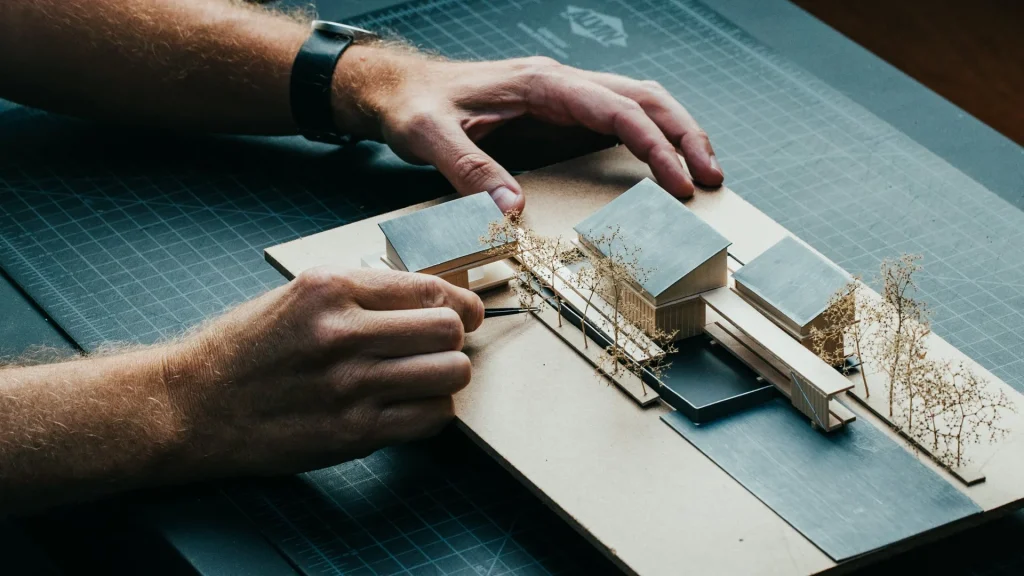
From intricate architectural replicas to whimsical artistic creations, paper modeling is a versatile craft that inspires countless enthusiasts. This technique transforms simple sheets of paper into stunning three-dimensional structures, offering an affordable and accessible way to explore your artistic talents. Such creativity not only feeds the soul but also rewards the mind, making it a fulfilling pursuit for artists of all ages.
As you dive into the world of paper modeling, you’ll find it encompasses a broad spectrum of styles and forms, allowing you to express your imagination in various ways. Here are some notable aspects that make this craft so captivating:
- Diverse Applications: Create anything from scale models of famous landmarks, like the Eiffel Tower or the Statue of Liberty, to imaginative fantasy worlds featuring castles, creatures, and more. The versatility of paper modeling means that the only limit is your imagination; you can even delve into creating original designs based on popular movies or video games.
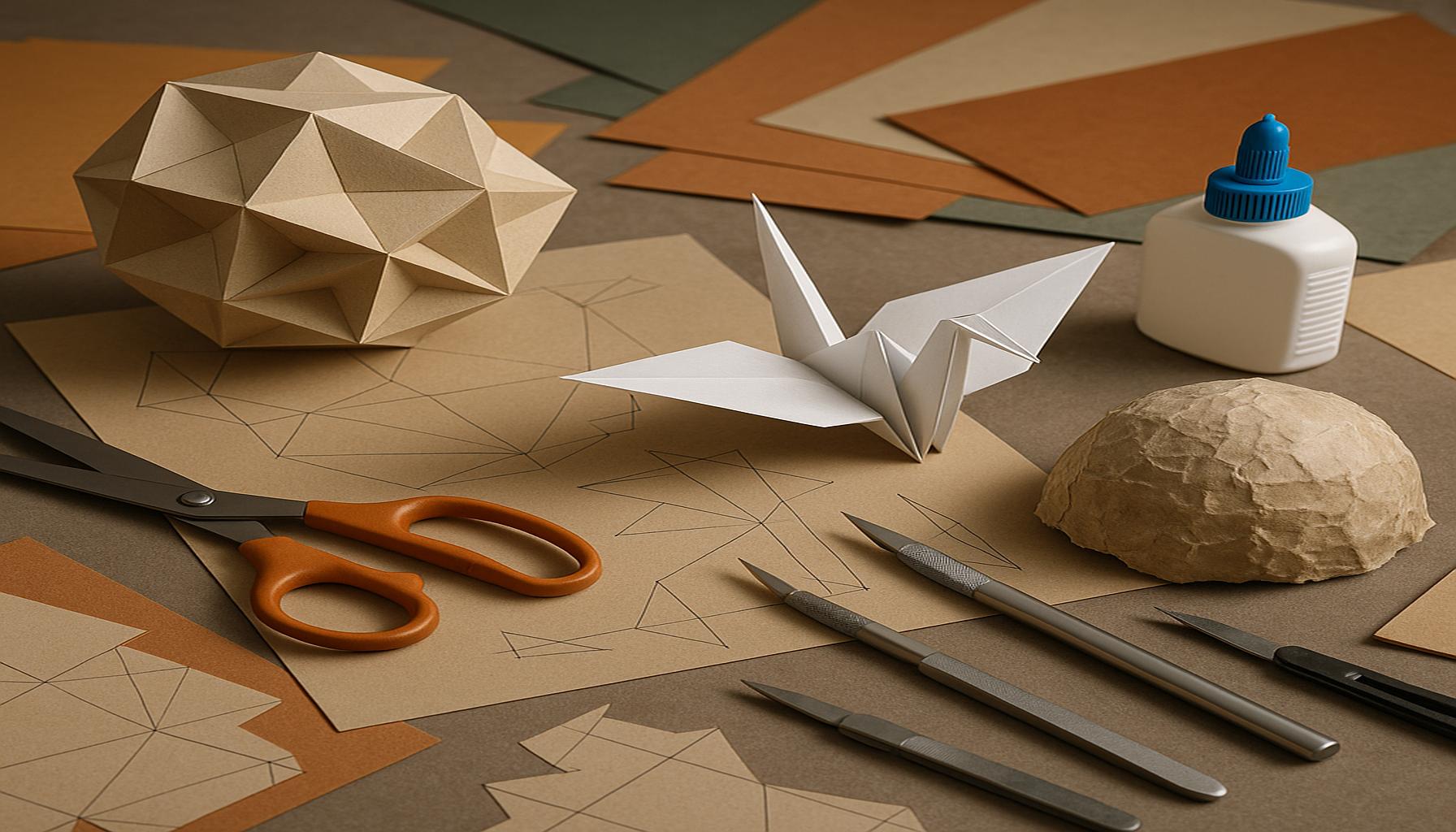
- Tool Versatility: Utilize basic tools such as scissors, glue, and a craft knife for straightforward projects. For more advanced models, digital cutting machines like the Cricut or Silhouette can elevate your craft by allowing precise cuts and intricate designs that would be hard to achieve by hand.
- Material Variety: Experiment with different types of paper, including cardstock for sturdiness, origami paper for delicate folds, and even recycled materials like old magazines to bring texture and uniqueness to your creations.
Not only does paper modeling promote creativity, but it also enhances fine motor skills and encourages patience and attention to detail. As you delve deeper into paper modeling, you’ll discover various techniques that can significantly elevate your projects:
- Scoring and Folding: Master precise folds and scoring techniques to create clean lines and angles for professional-looking models. This is especially important in architectural models where precision can make or break the final product.
- Texturing: Employ various papers, materials, and embellishments to add depth and dimension to your projects. You might use textured cardstock, lace paper, or even paint to create visual interest and enhance the overall aesthetic of your model.
- Assembling Techniques: Learn methods for cohesively bringing your pieces together for sturdy structures. Techniques like overlapping, tabbing, and using a hot glue gun can help ensure that every part of your creation stands up to time and handling.
By exploring paper modeling, you’re inviting a world of creativity and innovation into your life. You can join online communities, workshops, or social media groups dedicated to this craft. These platforms are treasure troves of inspiration and resources, where you can learn from seasoned makers and share your own creations.
Whether you aim to create a stunning display piece, a functional object, or simply a fun craft project, paper modeling is a fulfilling endeavor that resonates with your personal style and artistic vision. Unleash your potential today, and watch as your paper transforms into stunning works of art!
DIVE DEEPER: Click here to discover more about modern twists on nostalgic flavors
Exploring Fundamental Techniques in Paper Modeling
To embark on your journey of paper modeling, it is essential to grasp foundational techniques that form the backbone of creating impressive three-dimensional structures. Understanding these methods not only enhances your skill set but also empowers you to undertake increasingly complex projects with confidence and creativity.
One of the core techniques in paper modeling is scoring. Scoring involves making shallow cuts on the paper to facilitate clean and accurate folds. This technique is crucial, particularly when dealing with thick materials like cardstock. By scoring along precise lines, you minimize the risk of tearing or damaging the paper, allowing for sharper angles and cleaner edges in your final model. Many enthusiasts use a bone folder or a blunt edge to create scores, resulting in a professional finish.
Folding is another critical component of paper modeling. Folds can be simple or complex, and mastering various folding techniques, such as valley folds, mountain folds, and reverse folds, opens a new realm of possibilities in your creations. Each fold constructs the model layer by layer, so it’s important to practice these techniques to enhance the structure’s stability and aesthetic appeal.
Next on the list is texturing, which transforms ordinary paper into extraordinary works of art. Experimenting with different types of paper—such as textured cardstock, specialty papers with unique patterns, or even layering multiple materials—can add depth and visual interest to your models. Additionally, techniques like painting or using stamps can create stunning effects, making your model stand out.
When it comes to assembling your crafted pieces, having a good understanding of the various joining methods is essential. Here are some popular techniques to consider:
- Tabbing: This method involves creating small tabs on the edges of paper pieces that can be glued or interlocked evenly. It provides sturdy connections, ensuring your model holds together firmly.
- Overlapping: By overlapping sections of paper, you can create stronger bonds. This is particularly useful for complex models where multiple components interact.
- Glue Techniques: Utilizing different gluing methods, such as tacky glue for quick sets or hot glue for immediate durability, can influence the outcome of your assembly process considerably.
As you incorporate these techniques into your practice, remember that patience and precision are vital. Each project offers an opportunity to learn and refine your craft, pushing the boundary of your creativity. Surrounding yourself with a community of fellow enthusiasts can provide support and inspiration as you explore the endless possibilities within paper modeling.
In summary, mastering the fundamental techniques of scoring, folding, texturing, and assembling is integral to elevating your paper modeling projects. With practice and a willingness to experiment, you can transform simple sheets of paper into captivating three-dimensional structures that breathe life into your artistic vision.
| Advantages | Description |
|---|---|
| Enhances Creativity | Paper modeling encourages artistic exploration through hands-on activities, allowing individuals to express unique ideas innovatively. |
| Improves Spatial Awareness | Working with paper models aids in developing 3D visualization skills, crucial for architects and designers in various fields. |
Paper modeling invites enthusiasts of all skill levels to delve into a world where imagination meets craftsmanship. It is not merely about folding and cutting; each project serves as a tangible exploration of geometry and design. As practitioners engage with materials, they experience the joy of seeing their concepts materialize into physical constructs.Additionally, the versatility of paper as a medium fosters collaboration among diverse groups, from educators integrating art into their curriculum to hobbyists sharing their designs online. The rich community surrounding paper modeling often leads to exciting ideas that pave the way for new techniques and projects, making this art form a vibrant field worth investigating further. With countless resources available, such as tutorials and workshops, the techniques for creating intricate structures are readily accessible, offering a pathway to enhancing both personal skills and artistic expression. It’s an exciting journey into the realm of three-dimensional creativity!
DIVE DEEPER: Click here to discover nostalgic recipes with a modern twist
Advanced Techniques for Elevating Paper Modeling Projects
As you refine your skills in paper modeling, exploring advanced techniques can significantly elevate your artistic projects and enhance the level of detail in your three-dimensional structures. These techniques not only allow for greater complexity but also encourage you to push the boundaries of your creativity.
One notable advanced technique is modular design. This method involves creating individual units or modules that can be assembled into larger structures. Modular design introduces an array of possibilities, as you can experiment with different configurations and styles. Popular among architectural paper models, this approach allows you to construct intricate buildings or installations while simplifying the assembly process. For instance, the renowned Origami architect, Shigeru Ban, utilizes modular techniques to create stunning structures that are not only visually appealing but also environmentally conscious.
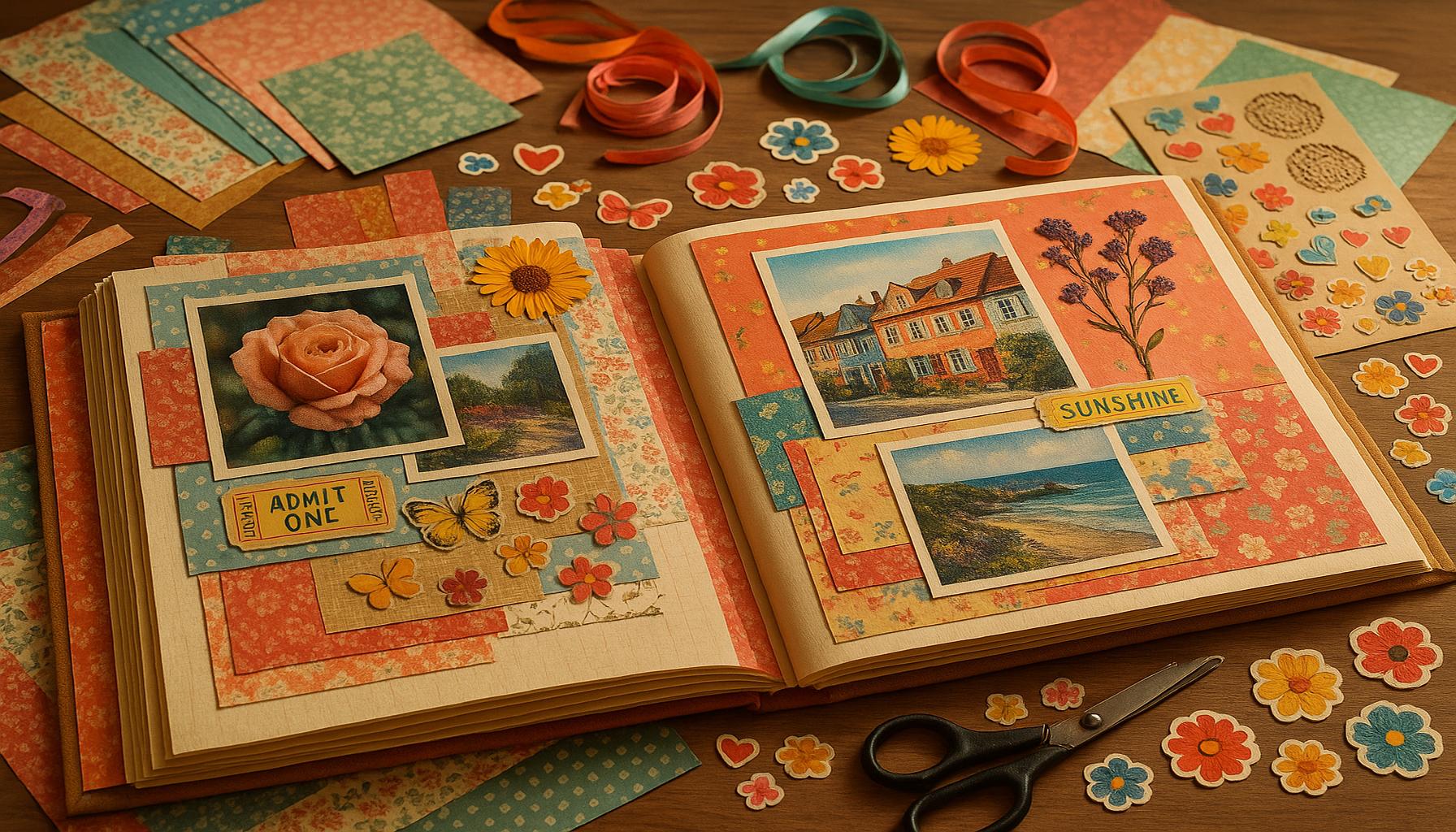
Layering is another sophisticated technique that can enhance both the depth and visual appeal of your models. By combining layers of paper with varying colors, patterns, or textures, you create a multi-dimensional effect that captivates the viewer. Layering is particularly effective in projects such as dioramas or shadow boxes, where the interplay of light and perspective can further highlight the intricacies of your design. Additionally, consider using tools like an exacto knife or scissors to add intricate cut-outs within layers, resulting in expressive designs that entice the eye.
Furthermore, 3D printing and laser cutting technologies have found their way into the realm of paper modeling. These techniques allow designers to cut paper with precision and detail unattainable with manual methods, expanding creative possibilities tremendously. For instance, 3D printers can produce unique forms or intricate textures, while laser cutters can create finely detailed elements that would otherwise require extensive handwork. Utilizing these technologies can save time and open up a world of possibilities for creating non-traditional models, from artistic sculptures to functional designs.
Another innovative method is kinetic paper modeling, which incorporates movement through paper mechanisms. This includes designing models that can fold, spin, or rotate, resulting in dynamic art that captures the viewer’s attention. Techniques such as automata or pop-up designs fall under this category, encouraging interactive engagement. The beauty of kinetic designs lies in their ability to breathe life into paper, inviting observers to experience the model in motion, adding an extraordinary layer to your project.
Remember, the choice of adhesives plays a pivotal role when executing these advanced techniques. The right glue can keep your structural integrity strong while allowing for ease of manipulation. Different types of adhesives may suit various materials, so it’s important to conduct experiments to find your preferred choice. Consider using white glue for flexibility, or double-sided tape for quick adherence without mess. Some projects may even benefit from specialty adhesives, like spray adhesive or glue pens, that offer unique finishing touches.
Exploring these advanced techniques in paper modeling allows you to create striking, dynamic works that stand out in the realm of artistic projects. As you delve into modular designs, layering techniques, modern technologies, or kinetic elements, you will find that the limits of your creativity become boundless. Keep pushing your skills, experimenting with materials, and gathering inspiration from both contemporary and classic sources to continuously innovate your artistic journey.
DON’T MISS: Click here to dive into the world of dreams
Conclusion: Embracing the Art of Paper Modeling
In summary, paper modeling encompasses an exciting blend of creativity, technical skill, and innovation, paving the way for artists and designers to craft stunning three-dimensional structures and artistic projects. By mastering fundamental and advanced techniques—such as modular design, layering, and the integration of modern technologies like 3D printing and laser cutting—you can unlock a realm of limitless possibilities in your artistic endeavors. Whether you’re creating detailed architectural models, intricate dioramas, or engaging kinetic pieces, the intricacies of paper hold the potential to transform a flat medium into captivating works of art.
As you continue to hone your skills and experiment with various methods, remember to embrace the process of exploration and innovation. Each project is an opportunity not just to refine your technical abilities but also to express your unique artistic voice. Take inspiration from established artists and your surroundings, and don’t hesitate to push beyond conventional boundaries. Whether you’re creating for personal enjoyment, educational purposes, or professional aspirations, the art of paper modeling invites you to engage with the world of creativity in a vibrant and dynamic way.
Ultimately, the journey in paper modeling encourages both novice and experienced artists alike to discover and share their stories through the transformative power of paper, revealing the captivating beauty that lies within this unique and versatile medium. So gather your tools, unleash your imagination, and let the art of paper take flight!