Creating Handmade Jewelry: Techniques for Working with Clay and Metal
The Allure of Handmade Jewelry
Handmade jewelry holds a unique charm that mass-produced pieces simply cannot replicate. The personal touch, attention to detail, and the artist’s individual style create pieces that resonate deeply with wearers. Every handmade item tells a story – a narrative woven through the creative process that captivates both the creator and the beholder.
From the tactile sensation of working with a variety of materials to the satisfaction of crafting one-of-a-kind items, the journey into creating handmade jewelry offers a fulfilling experience for both beginners and seasoned artisans. The sense of accomplishment that comes from envisioning a design and bringing it to life is an addictive process, fostering a community of craftspeople who support and inspire each other.
Exploring Materials: Clay and Metal
This article delves into essential techniques for mastering two popular materials: clay and metal. These versatile mediums not only allow for creativity but also open avenues for experimentation. The tactile quality of clay, for instance, invites artists to mold and shape it into delicate forms, be it a simple bead or an intricate pendant, while metal can be forged, soldered, or engraved, providing a canvas for more structural and long-lasting designs.
- Versatility: Both clay and metal allow artists to create a wide range of styles, from delicate earrings to chunky bracelets. A jewelry maker might utilize polymer clay to produce whimsical, colorful bangles, or choose metals like sterling silver or brass for a more classic aesthetic. The possibilities are vast, accommodating various personal styles and occasions.
- Technique Variety: Techniques such as molding, stamping, and soldering can be utilized to achieve unique designs. For instance, using a simple mold can yield uniform shape while hand-stamping adds a personalized touch to metal pieces. Each method offers different textures and finishes, giving artists a way to express their vision uniquely.
- Customization: Handmade pieces can be tailored to individual tastes, resulting in personal treasures or thoughtful gifts. Have a friend who adores a specific gemstone? Crafting a necklace that features that stone can make for a heartfelt gift. Customization allows artists to connect with their clients, creating pieces that encapsulate memories or milestones and making them even more meaningful.
Embarking on Your Creative Adventure
As you embark on this creative adventure, you will discover valuable insights into the tools required, methods for mastering your craft, and tips for bringing your unique vision to life. Investing in essential tools like pliers, wire, and a good workspace will ensure that you have what you need to experiment and create freely. Group workshops or online tutorials can also enhance your learning experience, introducing you to tried-and-true techniques and inspiring new avenues to explore.
Ultimately, handmade jewelry is more than just an accessory; it is a form of artistic expression waiting to be revealed. With each piece, you will not only enhance your skills but also cultivate a deeper appreciation for the artistry behind the creations. Get ready to embrace the world of handmade jewelry and express your style through artistry, letting your creativity flow!
DISCOVER MORE: Click here to unlock the art of origami
Mastering the Techniques of Clay and Metal
Understanding the essential techniques involved in crafting handmade jewelry is crucial for both novices and experienced creators alike. Whether you’re drawn to the softness of clay or the resilience of metal, mastering the fundamentals of these materials is key to unlocking your creative potential. Let’s explore some foundational techniques that can elevate your handmade jewelry crafting.
Working with Clay
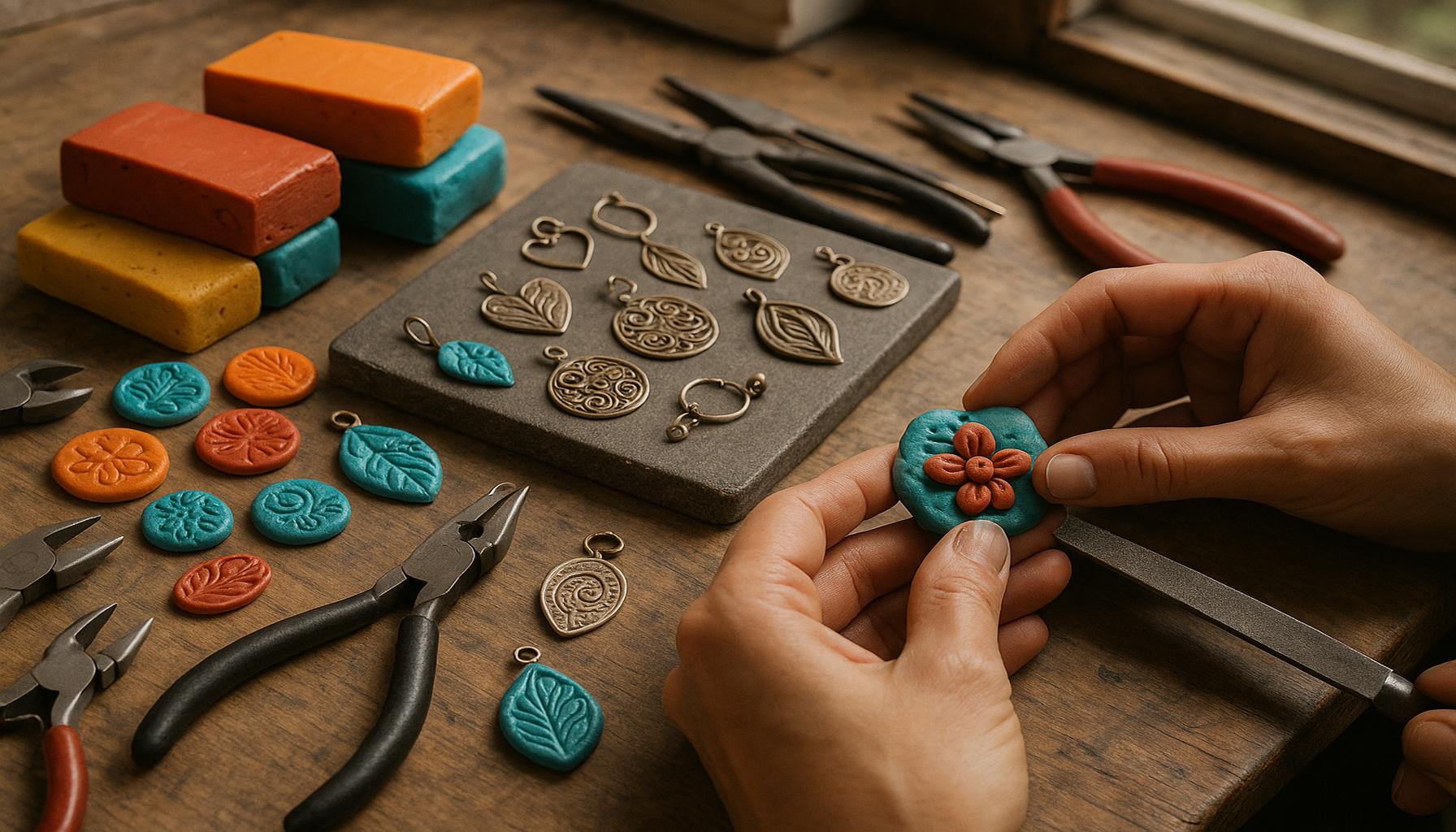
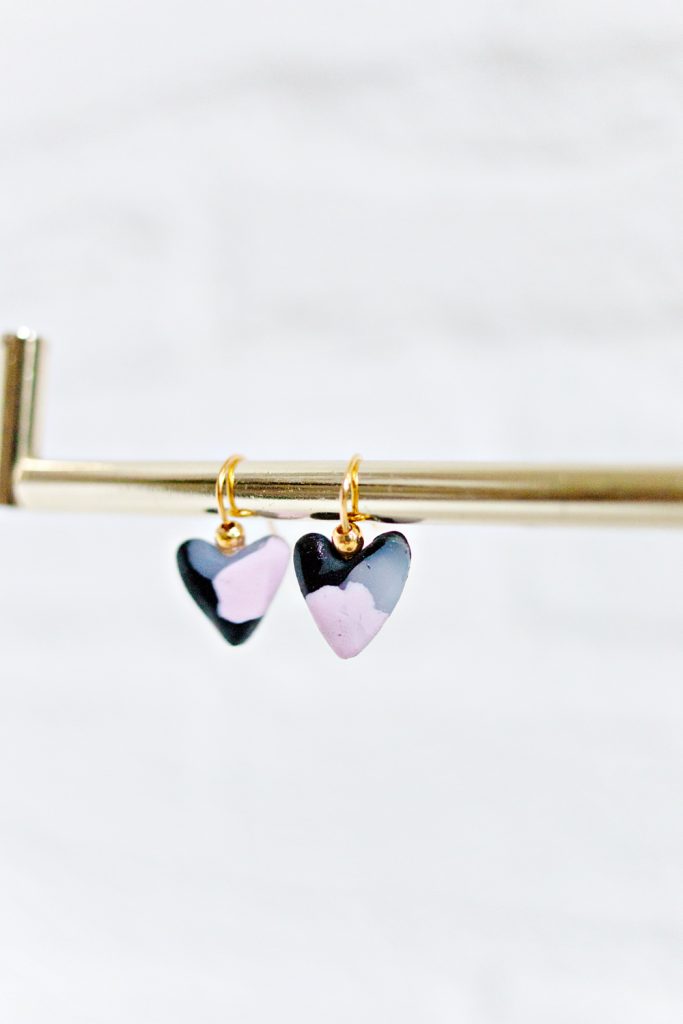
Polymer clay, one of the most popular materials for jewelry making, is particularly favored for its versatility and ease of use. With an ability to be molded and shaped without the need for special tools, polymer clay invites artists to experiment freely.
- Molding: This technique involves shaping the clay by hand or using molds to create uniform beads, pendants, or charms. With the right mold, you can achieve intricate designs that can be baked to harden, resulting in durable pieces that can withstand daily wear.
- Texturing: Adding texture to your clay pieces can bring depth and interest. Tools such as rubber stamps, textured rolling pins, or even household items can create fascinating patterns, turning simple shapes into stunning focal points.
- Painting and Finishing: Once you’ve shaped and baked your clay creations, finishing touches such as painting or varnishing can enhance their appeal. Using alcohol inks or acrylic paints allows you to achieve vibrant colors and glazes, making your designs truly stand out.
Exploring Metal Techniques
On the other side of the spectrum, working with metal can be a rewarding challenge that allows for exceptional durability and elegance in your jewelry designs. Here are some basic metalworking techniques that are indispensable for any jewelry maker:
- Cutting and Shaping: Metal sheets can be cut into various shapes using metal shears or saws. Once cut, you can shape them through hammering, bending, or using pliers, which adds dimension and a personal touch to your pieces.
- Soldering: For those venturing into more complex designs, soldering is a technique that allows various metal pieces to be joined together seamlessly. Whether you’re attaching findings or creating intricate designs, mastering soldering can significantly increase your design capabilities.
- Finishing Techniques: Metal jewelry often requires polishing, patina application, or texturing to finish. Techniques such as dapping or filing can smooth edges, while techniques like etching can add personalized designs directly onto metal surfaces.
By honing these fundamental techniques with both clay and metal, you will find yourself equipped with the skills necessary to create unique, statement pieces that reflect your individual style. As you practice and experiment with these materials, you’ll discover that the artistry involved in creating handmade jewelry transcends the simple act of crafting and begins to evolve into a true passion. Daring to innovate and combine different methods opens new realms of possibilities, inviting you to explore your artistic vision more fully.
Exploring Techniques in Handmade Jewelry: Clay and Metal
When delving into the world of creating handmade jewelry, two materials frequently take center stage: clay and metal. Each material offers a distinct set of advantages that can elevate the craft into a unique art form. Let’s explore some of these benefits through various techniques employed in the creation of exquisite jewelry that embodies creativity, skill, and individuality.
| Advantages of Clay | Advantages of Metal |
|---|---|
| Versatile and malleable, allowing for endless creativity. | Durability and timeless appeal create lasting pieces. |
| Can be easily colored and textured for unique designs. | Conducts heat well, making soldering and fusion techniques effective. |
The techniques utilized in working with clay typically involve molding, sculpting, and firing, which offer artists the chance to manifest their ideas into tangible pieces. Techniques such as hand-building allow for one-of-a-kind forms that cannot be replicated. On the other hand, metalworking techniques, including stamping, engraving, and soldering, demand precision and expertise, resulting in stunning, intricately designed jewelry that can withstand the test of time.
Combining clay and metal in jewelry making can lead to striking contrasts, integrating the softness of clay with the strength of metal. This fusion not only enhances aesthetic appeal but also opens new avenues for exploration in jewelry design.
DIVE DEEPER: Click here to discover how music transforms culinary experiences</p
Innovative Techniques and Tips for Clay and Metal Jewelry Making
As you delve deeper into the world of creating handmade jewelry, embracing innovative techniques can push your artistic limits and help you develop a distinctive style. Whether combining clay with metal or introducing other materials, the journey of exploration can yield remarkable results. In this section, we will uncover advanced methods and insightful tips that can elevate your jewelry-making experience.
Advanced Clay Techniques
Once you’re comfortable with basic polymer clay techniques, venturing into more advanced methods can bring a new level of sophistication to your pieces. Here are some techniques to consider:
- Caning: This technique involves creating a “cane” of polymer clay that showcases intricate patterns. By slicing the cane into thin discs, you can create uniform pieces that feature stunning designs. This method, often inspired by the work of glass artists, allows you to introduce depth and color continuity throughout your creation.
- Embedding Objects: Incorporating found objects such as leaves, flowers, or even metal filigree can add character and individuality to your pieces. By embedding these items into your clay designs before baking, you can achieve unique textures and visual contrasts that catch the eye.
- Using Liquid Polymer Clay: This versatile medium enables you to add a glaze-like finish to your pieces or create intricate details that traditional clay alone cannot achieve. Liquid polymer clay can also be used for joining pieces or creating thin inlays for added decoration.
Advancements in Metal Jewelry Crafting
For metal jewelry makers, the integration of modern technology and traditional methods has resulted in exciting new possibilities. Here are some advancements to explore:
- Metal Stamping: Using steel stamps, you can imprint designs, names, or unique messages directly onto metal surfaces. This personalization trend has gained popularity, giving artists the chance to create bespoke pieces that can resonate deeply with customers or loved ones.
- Laser Cutting: While it may seem high-tech, laser cutting is becoming accessible to hobbyists through community workshops or online services. This precision tool allows for intricate designs to be cut from metal sheets, resulting in detailed shapes that would be difficult to achieve by hand.
- Wire Wrapping: This technique involves twisting and manipulating wire to create elegant settings for stones or beads. The versatility of wire allows you to experiment with shapes and patterns, resulting in dynamic and three-dimensional pieces.
In addition to these innovative techniques, considering the overall composition of your jewelry is essential. Think about how different materials can complement one another; for instance, combining clay and metal can lead to striking contrasts and harmonies in texture. Incorporating elements such as semi-precious stones or glass beads can further enrich your designs, creating a layered narrative that tells a story through your work.
As you explore these advanced techniques for working with clay and metal, remember that practice is key. Embrace the learning curve and challenge yourself to step outside your comfort zone. The world of handmade jewelry is vast and continuously evolving, offering endless opportunities for creativity. Each piece crafted can serve as a testament to your journey, revealing not only your techniques but also your artistic voice and personal expression.
DISCOVER MORE: Click here to dive deeper
Conclusion: The Art of Handmade Jewelry Creation
Creating handmade jewelry is not merely about crafting beautiful pieces; it is a dynamic exploration of materials, techniques, and personal expression. As you refine your skills with clay and metal, you unlock the potential to create unique designs that resonate with both your artistic vision and the tastes of your audience. The detailed techniques discussed, from caning and embedding objects in clay to the intricacies of metal stamping and laser cutting, open doors to innovation and creativity.
Moreover, the interplay between clay and metal invites a spectrum of textures and colors, allowing jewelry makers to push the boundaries of traditional design. By integrating pieces like semi-precious stones or exploring modern methods, artisans can cultivate a diverse aesthetic that captivates attention. As you embark on this creative journey, remember that patience and persistence are your greatest allies, leading you through the potential frustrations and triumphs of the artistic process.
In essence, every piece of handmade jewelry tells a story—a tale of craftsmanship, inspiration, and the artist’s voice. As you continue to learn and experiment, your creations will not only serve as wearable art but also as a reflection of your journey, inviting others into the world of your imagination. So gather your materials, embrace the techniques, and let your creativity flourish as you craft distinctive jewelry that speaks to every heart. The art of handmade jewelry making is yours to explore—go forth and make it your own.