DIY: Woodworking Techniques to Create Custom Furniture at Home
Unlock Your Creativity with Woodworking
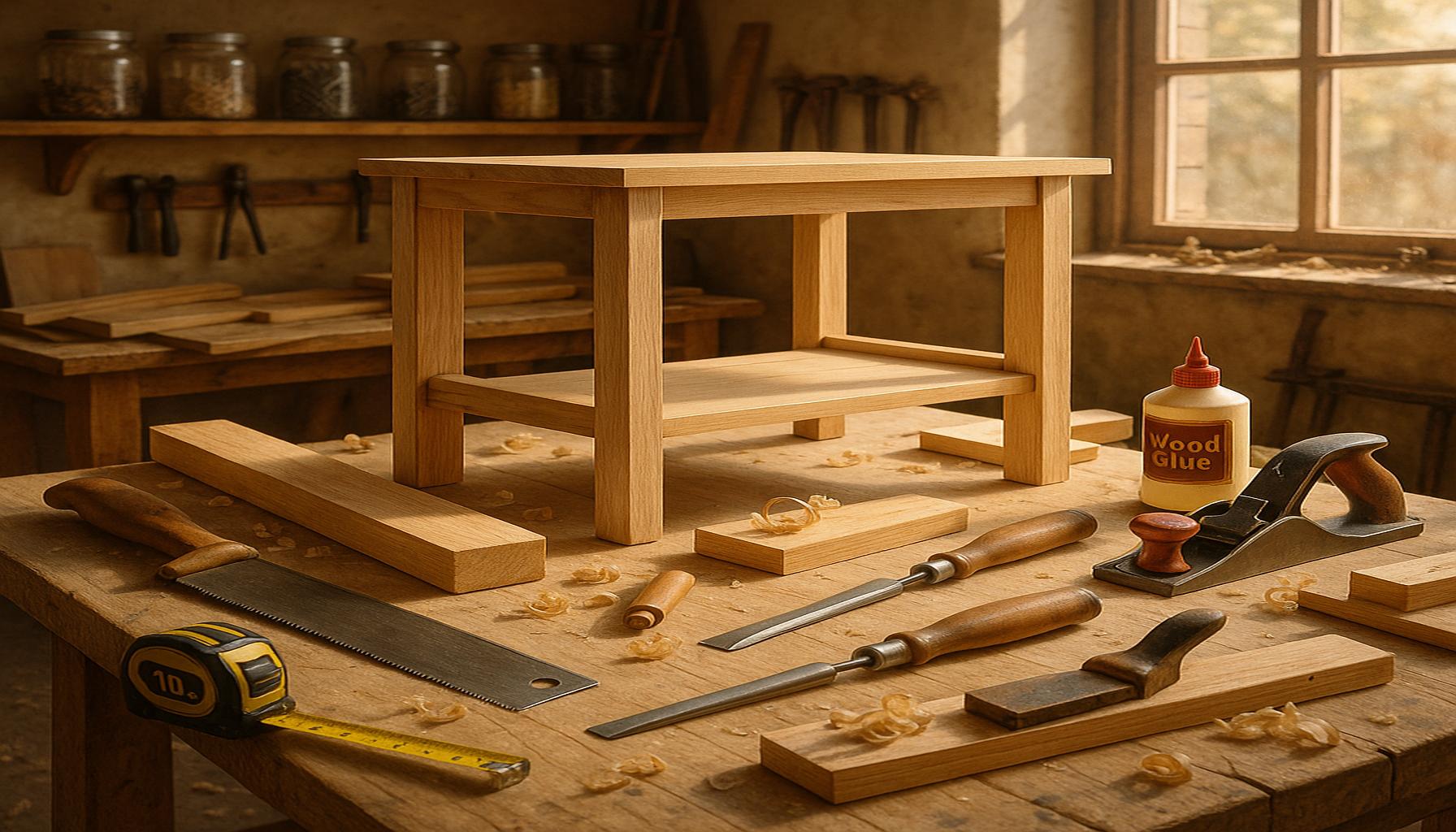
Imagine transforming your living space with custom furniture that you’ve created with your own two hands. Woodworking not only allows for personalization but also opens the door to endless possibilities in design and function. Picture a handcrafted dining table made from reclaimed oak, or a set of elegant floating shelves that highlight your favorite books and decor. With woodworking, you have the power to infuse your unique style and needs into each piece.
Whether you’re a seasoned craftsman or a budding hobbyist, there are numerous techniques to explore that can elevate your projects and enhance your skills. For instance, understanding the intricacies of joinery basics is crucial in creating sturdy and aesthetically pleasing furniture. You’ll learn about various joints that hold your furniture together, such as the classic dovetail joint, which is often praised for its strength and beauty, or the mortise and tenon joint, a traditional method that has stood the test of time.
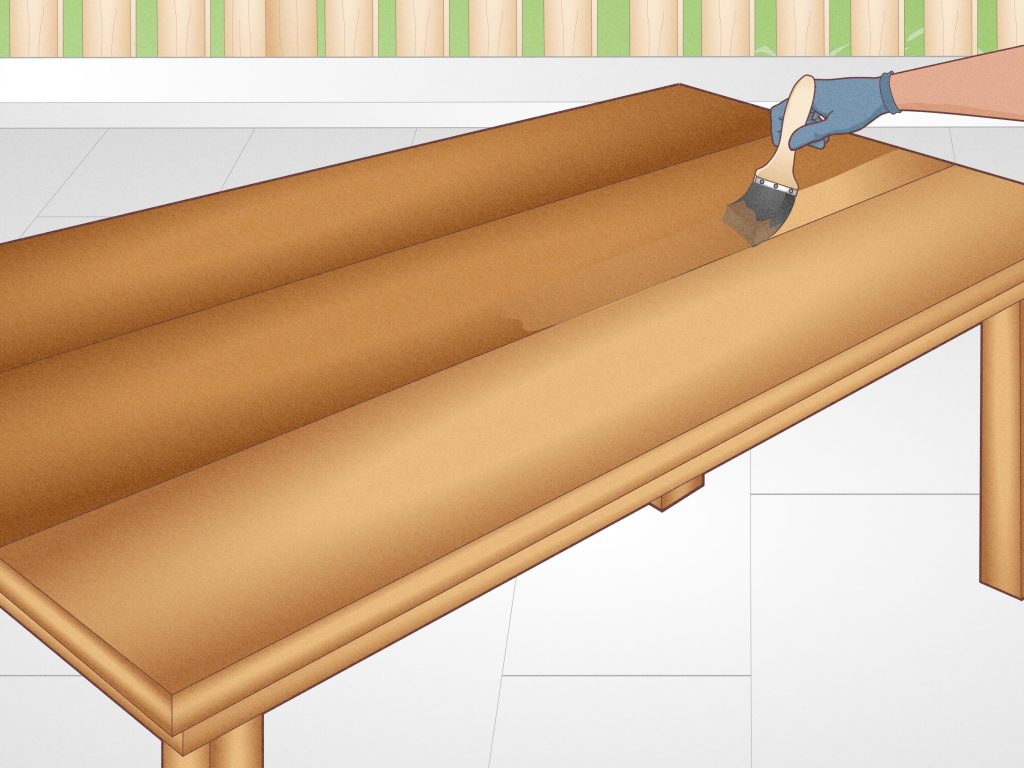
Moreover, the art of finishing techniques allows you to apply stains, paints, or clear coats that give your creations a polished and professional touch. Imagine applying a rich walnut stain to highlight the wood grains or using a bold color to make a statement piece. Each finish can dramatically change the character of your project, emphasizing its individuality or blending seamlessly with your home decor.
Additionally, mastering your tool mastery is vital; becoming familiar with essential tools such as saws, chisels, and sanders can significantly enhance your efficiency. Understanding the difference between a miter saw and a table saw, for example, can help you make informed decisions about which tool to use for specific cuts.
Moreover, every piece you create offers a unique story, often reflecting your personal journey. Custom furniture not only caters to the aesthetic of your home but also serves your specific needs. In the U.S., there’s a growing trend towards sustainable woodworking, which emphasizes the use of reclaimed wood. This practice not only helps mitigate waste but also promotes a sustainable mindset, allowing you to create beautiful pieces while minimizing your environmental impact. Consider crafting furniture from barn wood or shipping pallets—each piece tells a story of its past and contributes positively to the environment.
Ready to dive into the world of DIY woodworking? This article will guide you through valuable techniques and tips to create stunning pieces that express your individuality and style. From selecting the right materials to mastering the tools of the trade, the journey of woodworking awaits you, promising not only creativity but also a deep sense of accomplishment.
DIVE DEEPER: Click here to discover more
Essential Woodworking Techniques for Your Custom Creations
To embark on your DIY woodworking journey, it’s vital to familiarize yourself with several key techniques that will not only streamline your process but also ensure the durability and aesthetic appeal of your projects. Below, we’ve outlined some essential techniques that every woodworker—whether novice or experienced—should master to create custom furniture at home.
Joinery Basics: The Backbone of Your Projects
When crafting furniture, the joints you use to connect pieces of wood are fundamental to the overall structure and longevity of your work. Some popular joinery techniques include:
- Dovetail joint: Known for its interlocking design, this joint is often seen in drawer construction and adds a level of elegance while providing strength.
- Mortise and tenon joint: A classic joint that connects two pieces of wood at a right angle, commonly used in table frames and chair legs due to its robustness.
- <strong Butt joint: The simplest form of joinery, where two pieces of wood are butted against each other, often strengthened with glue or screws for added stability.
- Lap joint: This technique involves overlapping two pieces of wood, allowing them to share the load and providing a strong, flat surface.
Understanding these techniques will enable you to choose the right joint for each piece of furniture you design, enhancing both its functionality and visual appeal. For instance, a dovetail joint might be perfect for a bespoke drawer, while a mortise and tenon joint can add strength to the legs of a custom coffee table.
Finishing Techniques: Bringing Your Vision to Life
After assembling your piece, finishing techniques play a critical role in achieving the look you desire. Varied finishing techniques can dramatically alter the appearance of wood, allowing you to customize your projects to fit your home’s aesthetic. Here are a few popular options:
- Staining: This method emphasizes the natural wood grain and can lighten or darken the color of the wood. Various stains can be found in hardware stores, featuring shades from light pine to deep mahogany.
- Painting: Paint allows for bold expressions, offering an opportunity to match any decor style. Chalk paint is popular for its matte finish and ease of application.
- Clear coats: Using a clear finish like polyurethane protects the wood and highlights its natural beauty. A satin or semi-gloss finish can provide a layered look without obscuring the grain.
Each of these techniques can profoundly alter the essence of your furniture, making it either a subtle addition to your home or a standout centerpiece. Learning how to apply these finishing methods will elevate your woodworking skills and prepare you for more ambitious creations.
As you delve deeper into woodworking, remember that the techniques you choose will serve as the foundation for your unique furniture designs. By mastering joinery, finishing, and a good grasp of essential tools, you are well on your way to crafting stunning custom pieces that reflect your personal style and meet your functional needs.
| Advantages | Details |
|---|---|
| Cost Efficiency | Creating your own furniture can lead to significant savings compared to purchasing ready-made pieces. |
| Customization | You can tailor your designs to fit your specific aesthetics and space requirements, ensuring that every piece is unique. |
| Skill Development | Engaging in DIY woodworking enhances your skills and fosters a sense of accomplishment. |
| Creativity | Woodworking allows expressive creativity through selecting materials, colors, and designs. |
| Sustainability | Using reclaimed wood or sustainable sources reduces environmental impact and promotes an eco-friendly lifestyle. |
As you can see, exploring DIY woodworking techniques not only provides economic benefits but also nurtures creativity and skill. The ability to design custom furniture that resonates with your personal style can transform your living space into a reflective sanctuary of your taste. Further research on tools and techniques can amplify your woodworking journey, making it both enjoyable and rewarding. Take the plunge into this creative world and discover the endless possibilities that await in your own woodworking adventures!
DIVE DEEPER: Click here to uncover the art of origami techniques
Advanced Woodworking Skills to Elevate Your Furniture Projects
Once you have grasped the basic techniques of joinery and finishing, exploring advanced woodworking skills will transform your furniture projects from ordinary to extraordinary. These skills encompass various aspects of woodworking that enhance the quality, functionality, and aesthetic appeal of your creations. Below are some advanced techniques that can significantly benefit your custom furniture endeavors.
Router Techniques: Shaping and Profiling Your Pieces
Utilizing a router can add sophisticated details to your furniture, allowing you to shape edges, create grooves, and carve intricate designs. Some essential router techniques to explore include:
- Edge profiling: This technique enhances the aesthetics of your furniture edges, creating smooth transitions and decorative curves. Router bits come in various profiles, such as round-over or chamfer, enabling you to achieve professional-looking finishes.
- Mortise cutting: A router can efficiently create precise mortises for strong joints. By selecting the appropriate bit and setting the depth correctly, you ensure strong joinery that bolsters the overall integrity of your furniture.
- Inlays and shapes: Use a router to create cavities for inlays or customize shapes in your projects. This technique allows for the incorporation of contrasting woods or decorative metals, adding a personal touch to your designs.
Investing in a router and learning to utilize these techniques will allow you to bring added craftsmanship and creativity into your furniture designs, setting your work apart from mass-produced items.
Use of CNC Machines: Precision in Woodworking
For those looking to automate some processes while maintaining precision, a CNC (Computer Numerical Control) machine offers remarkable capabilities in custom woodworking. CNC machines enable you to execute complex designs with meticulous accuracy. Here’s how they can elevate your projects:
- Complex patterns: A CNC machine can deliver intricate cutouts, engravings, and even 3D shapes that may be challenging or time-consuming to achieve manually. This technology allows for unique artistic expressions in any furniture piece.
- Replicability: Once you design a piece using CNC technology, you can easily duplicate it without losing quality, allowing for multiple identical furniture pieces to be produced with minimal effort.
- Time savings: As your design becomes more intricate, a CNC machine can significantly reduce the time required for cutting and shaping, letting you focus on other essential aspects of your project.
Embracing CNC technology not only enriches your repertoire but can also open pathways for small-scale furniture businesses or custom commissions from friends and family.
Understanding Wood Species: Tailoring Your Creation
Choosing the right type of wood is crucial for the success of your projects. Each wood species has unique properties affecting look, strength, and durability. Here are a few popular choices and their advantages:
- Oak: Renowned for its strength and durability, oak is an excellent option for both structural and aesthetic applications. Its grain pattern gives a classic touch to any project.
- Maple: A versatile hardwood available in various styles, maple is lightweight yet strong, making it a popular choice for furniture requiring fine details.
- Walnut: Valued for its rich color and intricate grain, walnut is often favored in high-end furniture. Its workability and aesthetic appeal make it ideal for visible surfaces.
Understanding the characteristics of different wood species can vastly influence the function and longevity of your custom furniture, allowing you to select materials that best suit your specific designs and intended use.
By integrating these advanced woodworking techniques into your skill set, you can elevate your custom furniture-making projects, ensuring they are not only functional but also visually stunning. As you continue to learn, your ability to innovate and realize your creative vision will expand, leading to one-of-a-kind pieces that reflect your personal style.
DIVE DEEPER: Click here to discover the art of origami techniques
Conclusion: Craft Your Unique Space with Custom Furniture
In the world of custom furniture creation, the journey begins with foundational woodworking skills and expands into advanced techniques that set your projects apart. From router techniques that allow for detailed shaping to utilizing modern CNC machines for precision cutting, the tools and methods at your disposal are vast and varied. Understanding different wood species ensures that you select the perfect materials for aesthetic appeal and durability, enhancing the longevity of your creations.
As you delve deeper into the realm of DIY woodworking, remember that each piece reflects your personal style and creativity. Whether embarking on a weekend project or considering a small furniture-making business, the skills you develop not only pave the way for unique designs but also contribute to a sustainable and fulfilling crafting journey. In an era where mass production dominates the market, handcrafted furniture stands out not only for its quality but also for the stories and emotions infused in each piece.
So gather your tools, select your wood, and allow your imagination to run wild. The satisfaction of crafting custom furniture that beautifully fits your home is unmatched, as is the pride that comes with creating something truly unique. Embrace the art of woodworking and transform your living space into a reflection of your distinct style.