Origami Techniques: Transforming Paper into Three-Dimensional Art
Unfolding the Layers of Origami
Origami is not just a craft; it is a revered art form that elevates a simple sheet of paper into stunning three-dimensional creations. This age-old practice, originating from Japan, has captivated enthusiasts worldwide, including those in the United States. What began as a ceremonial act involving thin sheets of washi paper has transformed over centuries into a global phenomenon, where paper is meticulously folded into arrays of complex shapes. The intricate folds and precise creases transform a flat canvas into dynamic sculptures that can inspire and astonish.
The Essence of Origami Techniques
Engaging with origami involves more than mere folding; it’s about mastering an array of techniques, each adding depth and complexity to your creations. Here are some essential techniques:
- Valley Folds: These are the foundation of many designs, creating a simple crease with the paper valley, useful in beginners’ models like the classic crane.
- Mountain Folds: In contrast to valley folds, mountain folds create peaks and are pivotal in shaping intricate designs such as flowers or geometric forms.
- Reverse Folds: This technique allows for intricate shaping and refinement, enabling the artist to give the structure a life-like form, as seen in more complex animals.
- Squash Folds: These are perfect for creating volume and dimension, adding a three-dimensional aspect to designs like the blooming petals of a lotus flower.
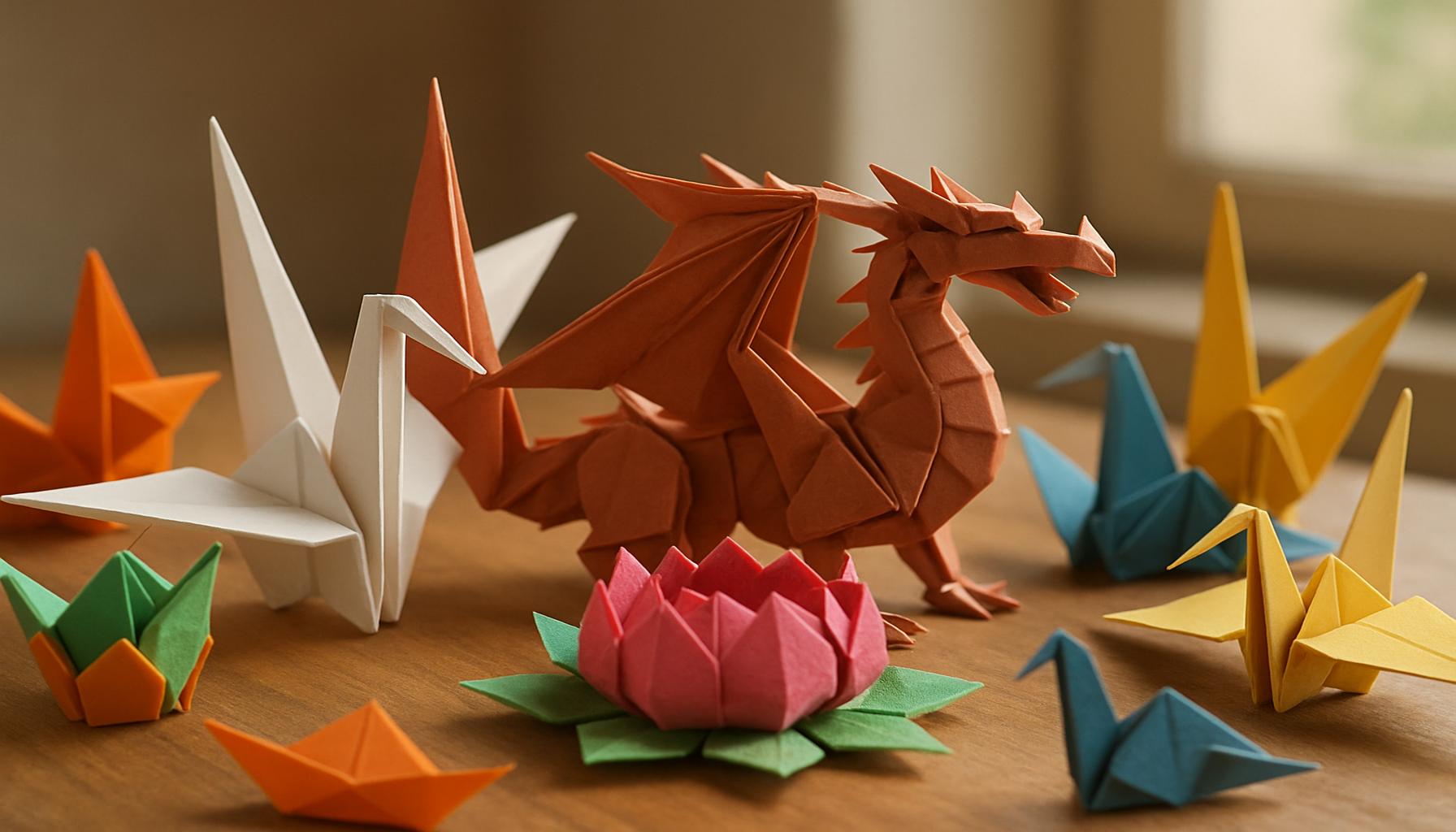
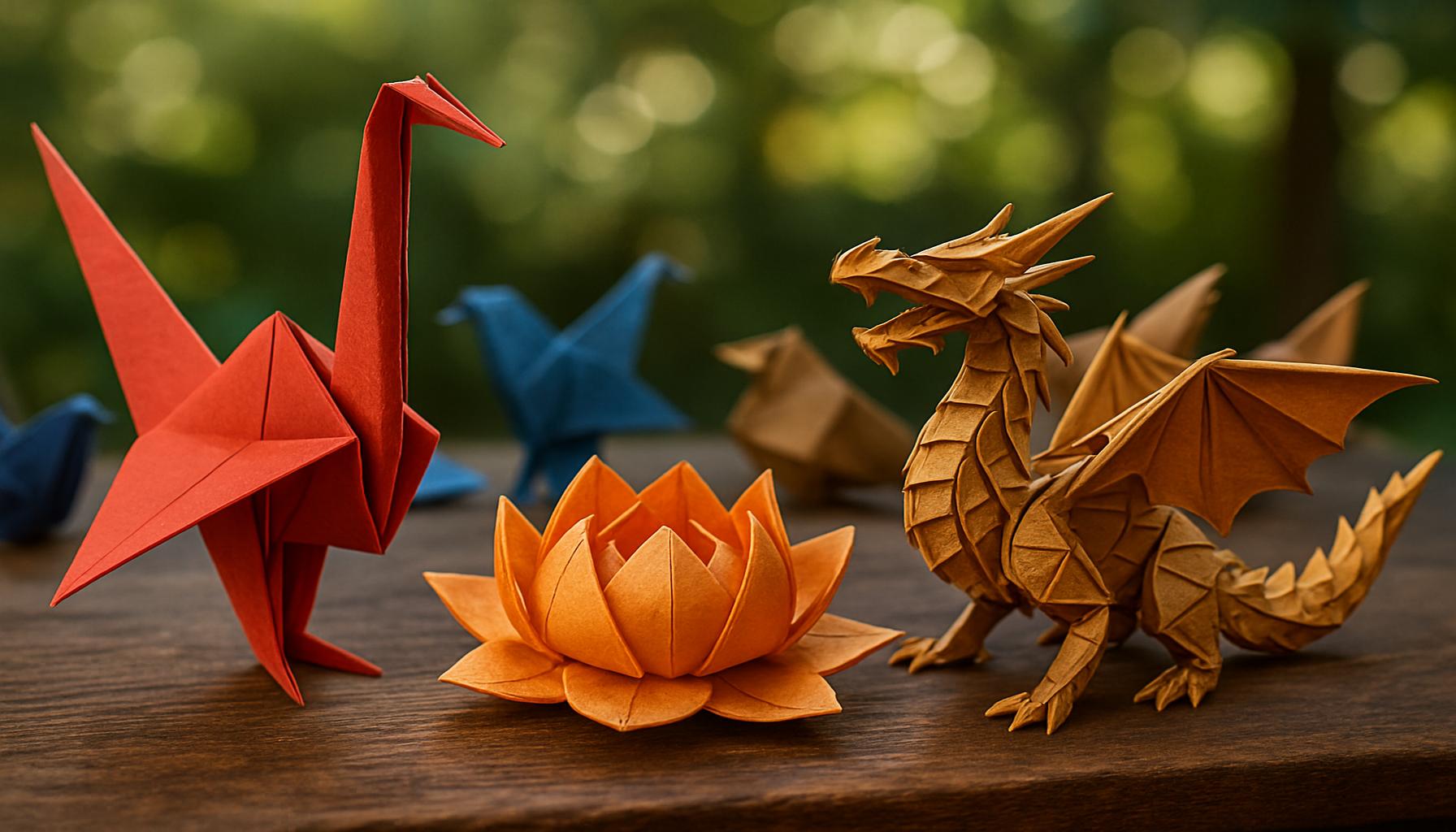
As you dive deeper into the world of origami, the possibilities are limitless. From simple designs, like cranes and boats, to complex models of dragons and flowers, origami offers something for every skill level. Each fold can unlock new pathways of creativity, allowing the artist to express emotion, story, or theme. This remarkable technique fosters creativity, patience, and precision, paving the way for both artistic pursuit and meditative practice.
Why Explore Origami?
In today’s fast-paced world, exploring origami techniques can bring joy and relaxation. As many enthusiasts have discovered, the process of folding paper can serve as a therapeutic exercise, promoting mindfulness and focus. Engaging in origami can also enhance cognitive skills such as problem-solving and spatial awareness, making it an excellent educational tool in classrooms across America. Studies have shown that children who practice origami develop better fine motor skills and improved hand-eye coordination.
Moreover, community workshops and online tutorials abound, inviting individuals to share their creations and foster connections. The rise of social media has led to vibrant online communities where people exchange ideas, tutorials, and even participate in challenges to push their skills. So, let’s unfold the multitude of styles and strategies that can transform ordinary paper into extraordinary works of art! The journey of discovery is just as rewarding as the final creation itself, urging every explorer to investigate further into this captivating world of folds and creases.
DISCOVER MORE: Click here to uncover the inspiration nature brings to your writing
Essential Techniques for Creating Origami Masterpieces
To fully appreciate the art of origami, one must delve into the various folding techniques that lay the groundwork for transforming a flat sheet of paper into complex, three-dimensional sculptures. Each technique serves a unique purpose and can dramatically alter your final creation. Understanding these key methods will not only enhance your skills but will also expand the breadth of designs you can accomplish. Below, we explore some of the fundamental origami techniques that every aspiring artist should master:
- Valley Folds: The backbone of most origami designs, valley folds create indentations that can shape the paper into various foundational forms. This straightforward technique is often one of the first skills taught to beginners, forming the essential structure for popular models such as the iconic origami crane.
- Mountain Folds: Contrasting valley folds, mountain folds create raised peaks. This technique is crucial for developing complex shapes, enabling the designer to create three-dimensional perspectives essential in intricate floral patterns or imaginative geometric structures.
- Reverse Folds: A more advanced technique, reverse folds allow the artist to reshape previously folded sections of the model, giving life-like characteristics to figures, particularly in animal forms. This flexibility makes reverse folds invaluable for creating dynamic poses and enhancing realism.
- Squash Folds: Perfect for introducing volume into a design, squash folds add a three-dimensional quality by allowing the creator to expand and pull sections of the paper apart. This technique is particularly effective for achieving naturalistic details, like the petals of a flower or the wings of an intricate butterfly.
As you venture deeper into origami, these techniques will serve as stepping stones for more complex designs, allowing you to explore new heights of creativity. From simplistic models to elaborate constructs, mastering these methods is key to opening the door to endless possibilities in origami. The beauty of this art form lies not only in the finished product but also in the journey of each fold—inviting patience, focus, and artistic expression.
Building a Foundation: Beyond Basic Techniques
While understanding the essential origami techniques is critical, expanding your knowledge to include variations and combinations of these methods can elevate your artistry. For instance, many experienced origami artists combine valley and mountain folds to create intricate layers within their designs, generating depth and nuance. Additionally, techniques like the Petal Fold or Open Sink Fold offer unique approaches for creating detailed features. These variations allow for a richer palette of designs, enabling the artist to partake in innovative expressions.
Moreover, the shifting landscape of technology has opened new horizons for aspiring origami enthusiasts. Online platforms and resources provide extensive tutorials that cater to varying skill levels, from beginner to advanced. This accessibility ensures that the age-old practice continues to thrive, inviting new generations to explore and contribute to the evolving narrative of origami. As the community grows, so does the wealth of knowledge shared, creating an environment ripe for collaboration and inspiration.
Ultimately, embarking on your origami journey is about more than just mastering techniques; it’s about embracing the creativity and patience inherent in this unique art form. As you fold, cut, and reshape, each piece crafted serves as a reflection of your own artistic expression—a testament to the transformative power of paper.
Exploring the Intricacies of Origami Techniques
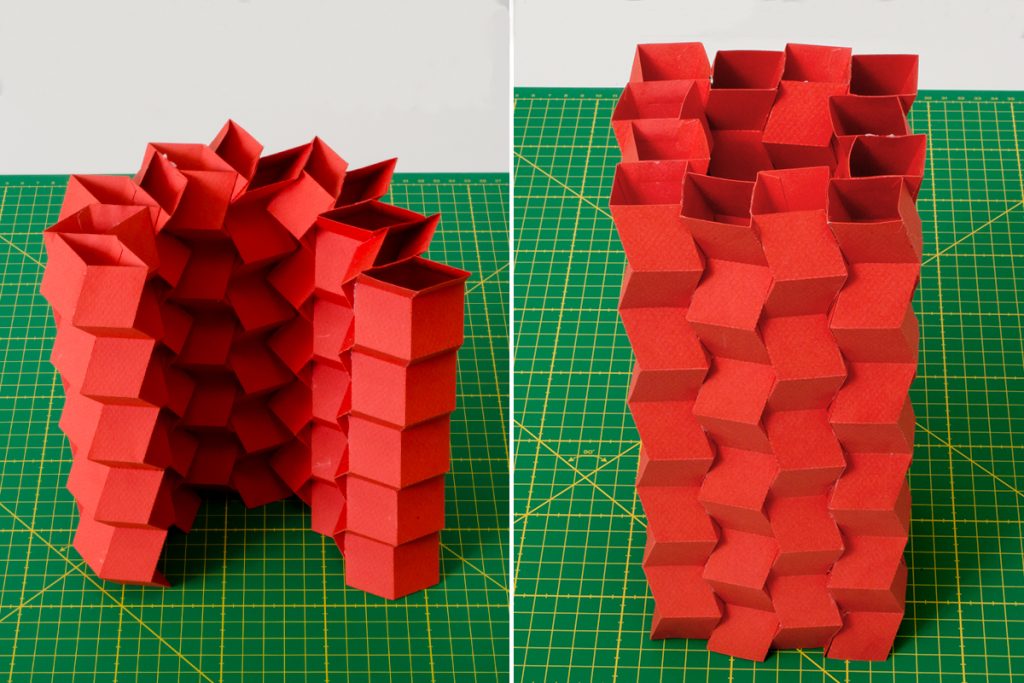
Origami, the art of folding paper into intricate designs, goes beyond simple shapes and designs. Among the vast variety of origami techniques, methods such as wet folding and modular origami stand out, as they allow artists to create sophisticated three-dimensional artworks that have depth and dimensionality. Wet folding, a technique developed by renowned origami master Yoshizawa, involves using damp paper to create curves and soft shapes that mimic natural forms. This technique opens a new realm of possibilities, allowing creators to produce pieces that possess organic qualities seen in nature, ranging from realistic flowers to gentle animal figures.On the other hand, modular origami involves assembling multiple pieces of folded paper to build a larger structure, often leading to stunning geometric designs. This approach allows both novices and seasoned artists to collaborate, creating grand installations that can captivate viewers with their scale and complexity. Incorporating these techniques not only enhances the visual appeal of origami but also engages a meditative process that can foster creativity and mindfulness. The tactile experience of manipulating paper, coupled with the satisfaction of seeing a flat piece transform into a three-dimensional artwork, makes origami a universally enjoyed craft. For those intrigued by this fascinating art form, understanding the different techniques can inspire unique creations and a deeper appreciation for the subtleties of paper art. Each fold made with intention unfolds a story, encouraging artists to explore their own artistic expressions.
| Category | Advantages |
|---|---|
| Wet Folding | Produces fluid and realistic forms, ideal for creating lifelike representations. |
| Modular Origami | Encourages collaborative efforts and results in large-scale geometric artworks. |
As origami continues to evolve, artists are encouraged to explore these techniques further, pushing the boundaries of what can be achieved with a simple sheet of paper. Each fold not only contributes to the aesthetic but also to the narrative of the piece, inviting viewers to dive deeper into the world of three-dimensional paper art.
DISCOVER MORE: Click here to dive deeper into culinary storytelling
Advancing Your Skills: Complex Techniques and Their Applications
Once you have a solid grasp of basic origami techniques, it’s time to explore more advanced methods that not only challenge your skills but also enhance your creativity. Many accomplished origami artists incorporate innovative techniques into their work, allowing them to produce striking, intricate designs that invite admiration and inspire others.
- Box Pleating: This versatile technique enables the creation of stunning textures and patterns by folding the paper in a series of evenly spaced pleats. It serves as the basis for intricate designs such as fans, flowers, and even clothing-like sculptures. Notably, box pleating can transform a simple square of paper into a complex façade, frequently utilized in modern origami designs to achieve extraordinary depth and complexity.
- Folded Units: This method involves creating multiple identical segments or units that can be assembled together to form larger structures. Commonly used in modular origami, this technique allows you to construct intricate shapes, such as polyhedra, that are both beautiful and structurally sound. It’s not only a rewarding way to explore geometric configurations, but it also paves the way for collaborative origami projects, inviting fellow enthusiasts to share the joy of creation.
- Wet Folding: As its name suggests, this technique involves moistening the paper before folding. This method allows for a softer, more organic shaping that can imbue your work with curves and naturalistic features. Wet folding is especially effective for creating animals and figures that exhibit a sense of movement and fluidity, giving life to static paper sculptures.
- Moisture in Paper Selection: The choice of paper can dramatically influence the outcome of your origami masterpieces. Specifically, origami paper can be coated with various substances to make it easier to manipulate while wet folding. Experimenting with weights and types of paper—from traditional washi to modern synthetic alternatives—can unlock new opportunities for texture, durability, and complexity in your designs.
The incorporation of these advanced techniques enables artists to push the boundaries of what is possible with origami, leading to the creation of stunning artwork that captivates both the eye and the imagination. Additionally, aspiring origami artists in the United States have the advantage of accessing numerous resources—including clubs, workshops, and online tutorials—that facilitate skill development and foster community.
The Role of Technology in Origami Innovation
In today’s digital age, technology has revolutionized the way artists approach origami. Software programs are now available that allow practitioners to design and visualize their folds before physically manipulating paper. This layered approach not only streamlines the design process but also encourages exploration and experimentation. Furthermore, augmented reality (AR) applications provide interactive experiences, offering step-by-step guidance to creators, regardless of their skill level.
As you immerse yourself in this dynamic art form, the opportunities for innovation become limitless. From classic designs passed down through generations to contemporary structures that blend artistry with technology, origami showcases the remarkable potential of paper as a medium for three-dimensional art. By mastering both basic and advanced techniques, each origami artist can leave a unique imprint on this timeless craft, contributing to a vibrant community that continuously redefines the art of folding.
DIVE DEEPER: Click here to discover more about reinventing childhood favorites
Conclusion: The Art of Origami Awaits Your Exploration
In conclusion, the world of origami techniques offers a captivating journey into the art of transforming simple sheets of paper into stunning three-dimensional creations. As we’ve explored, mastering basic folds is just the beginning; advanced techniques like box pleating, folded units, and wet folding provide endless possibilities for artistry and innovation. Artists today are no longer confined to traditional practices but are encouraged to embrace technology, leveraging software and augmented reality tools to enhance their creative processes.
This evolving landscape of origami not only cultivates individual skill but also fosters a sense of community among enthusiasts. Various resources, such as clubs, global workshops, and online forums, are readily available for those in the United States, promoting collaboration and shared learning experiences. Additionally, the diverse range of materials, from classic washi to modern synthetics, opens up new avenues for artistic expression, further pushing the boundaries of what can be achieved with paper.
As you delve deeper into this fascinating craft, consider how your unique perspective and techniques can contribute to the rich tapestry of origami art. Whether you seek to create delicate animal figures or intricate geometric shapes, each fold you master is a step toward leaving your mark in this timeless tradition. With both creativity and innovation at your fingertips, your adventure in origami awaits—go forth and transform your vision into a three-dimensional reality.