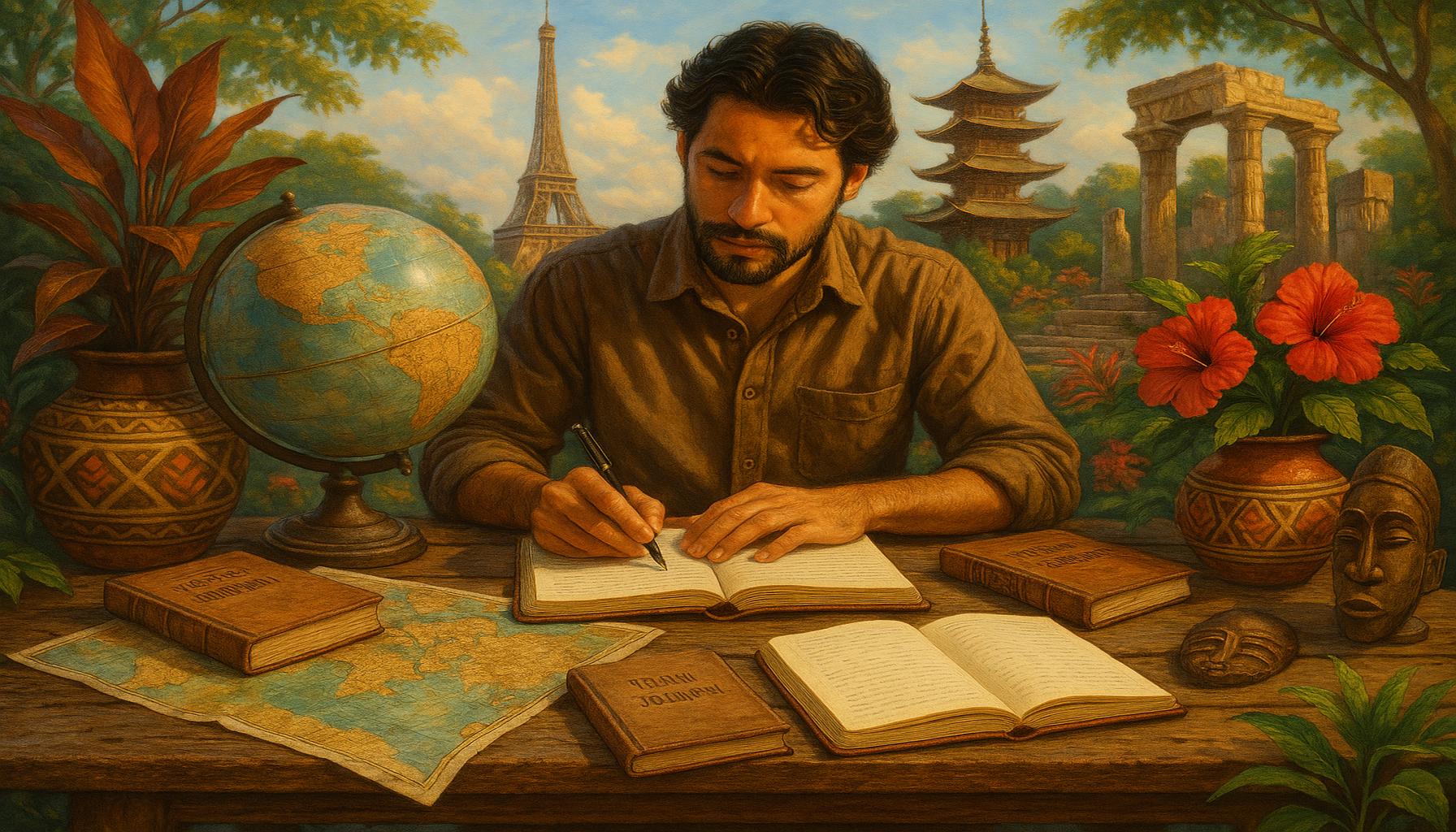
The Role of Travel: Finding Writing Inspiration in New Cultures and Landscapes

Unleashing Creativity Through Exploration
Travel has long been recognized as a powerful catalyst for inspiration, enabling individuals to escape their day-to-day routines and immerse themselves in a world filled with possibilities. The act of venturing into unknown territories allows writers to open their minds and hearts to diverse experiences, ultimately enriching their narratives and enhancing their creative output. By experiencing different cultures and breathtaking landscapes, writers unlock new dimensions of creativity that can lead to innovative storytelling.
Inspiration Awaits
As writers embark on their journeys, they find inspiration in various forms. Travel enriches writing through:
- Diverse Experiences: Engaging with different lifestyles, traditions, and cuisines can deeply influence a writer’s voice. For instance, dining on street food in Bangkok or participating in an indigenous festival in Peru can open up new sensory dimensions that transform characters and settings in a story.
- Unique Landscapes: The beauty of sprawling mountains, vast deserts, or vibrant urban jungles creates an evocative backdrop that influences the mood and style of writing. A picturesque sunrise over the Grand Canyon might spark poetry, while the foggy streets of San Francisco could inspire a haunting mystery.
- Vibrant Narratives: Engaging with locals often leads to the discovery of rich stories that reflect the complexity of a culture. Conversations with artisans in Florence about their craft or listening to tales from fishermen in a rustic Maine village provide a profound understanding that can be woven into a writer’s narrative fabric.
Each destination unveils fresh stories and themes, inviting writers to explore ideas they may never have considered. For example, bustling New York City can inspire tales of ambition and the incandescent dreams of its inhabitants, while the serene beaches in Hawaii may provoke reflections on serenity and self-discovery, creating a powerful dichotomy that resonates with readers.
Breaking the Routine
Travel not only fuels creativity but also serves as a refreshing break from the mundane. By stepping outside familiar routines, writers are empowered to:
- Recharge Their Minds: A change of scenery often provides fresh perspectives and helps alleviate writer’s block. Time spent in a tranquil cabin in the woods could lead to a surge in creative ideas as the writer reconnects with nature.
- Enhance Observation Skills: Different environments can sharpen a writer’s ability to notice subtleties often overlooked in daily life. The nuances of a sunset in the Southwest, for example, might lead a writer to describe colors and feelings with newfound eloquence.
- Connect with Nature: Immersion in vibrant landscapes fosters peace and clarity. A stroll through a lush national park can not only rejuvenate one’s spirit but also inspire deeper explorations of themes such as resilience and growth.
Ultimately, the role of travel is about weaving new threads into the fabric of our creativity. These experiences not only enrich our narratives but also offer a deeper understanding of the world we inhabit. Each journey taken adds layers to a writer’s identity and story, showcasing how exploration can unlock endless potential for creative expression.

EXPLORE MORE: Click here to unlock your creative potential
Embracing New Perspectives
Travel creates opportunities for writers to embrace fresh perspectives that can shape their work in profound ways. By stepping into the lives of people in different locales, writers can gain insights into unique motivations, challenges, and triumphs. These experiences inspire authenticity in storytelling, as they reveal the intricacies of human nature and the beauty of diversity. Writers have the rare opportunity to gaze upon the world through someone else’s eyes, which can enhance their narratives and elevate their craft.
Cultural Immersion: A Gateway to Authenticity
One of the most rewarding aspects of travel is immersing oneself in different cultures. Such experiences can lead to a deeper understanding of how varied backgrounds influence individual stories. Writers who engage with new cultures can:
- Capture Authentic Voices: Interacting with locals provides insight into their unique expressions and worldviews. A conversation with a street vendor in Marrakech or a family in a Tuscan villa can give writers access to dialects, idioms, and perspectives that enrich their character development and dialogue.
- Explore New Themes: Exposure to different belief systems, customs, and histories can unveil themes that resonate universally. A writer exploring the intricate threads of an ancient civilization in Mexico might discover themes of sacrifice, love, and resilience that can be interwoven with their contemporary narratives.
- Foster Empathy: Stepping into diverse cultural contexts facilitates empathy by showcasing the shared human experiences that transcend borders. Understanding the struggles of farmers in rural Kenya or the joys of a family reunion in South Korea can help writers create well-rounded characters that reflect the wider human experience.
This kind of deep cultural exploration encourages writers to evolve their storytelling techniques, pushing them to incorporate cross-cultural nuances that captivate readers. For instance, a writer inspired by Mumbai’s bustling markets might weave a tapestry of vibrant life into their prose, engaging readers with vivid imagery and sensory details.
Nature’s Influence on Creative Thought
Landscapes, too, evoke powerful emotions and thoughts that can be pivotal in the writing process. Nature acts as a muse, where writers often find solace and inspiration. From the serene beaches of the Outer Banks to the majestic Rockies, the natural world provides a rich canvas for creativity. Writers can:
- Stimulate Imagination: Unique landscapes often stimulate the imagination. For example, a drive along the Pacific Coast Highway could inspire ideas of longing and adventure, while the tranquil forests of Oregon may evoke themes of inner peace and reflection.
- Encourage Mindfulness: In nature, the pressures of daily life often fade away, allowing writers to reconnect with their thoughts and feelings. This mindfulness can lead to an outpouring of creativity as they explore their emotional landscapes.
- Generate New Settings: The stark contrast of a snowy New England winter versus a sunny Florida beach sets the stage for myriad stories. Writers can draw on natural elements to enhance settings, crafting plots that resonate with readers who feel the environment’s weight.
As travelers become attuned to their surroundings, they absorb the essence of their experiences, enabling them to translate fleeting moments into lasting narratives. This transformational process demonstrates how travel invites writers to embrace both cultural and natural inspirations, ultimately expanding their creative horizons.
| Advantage | Description |
|---|---|
| Cultural Exposure | Travel allows writers to immerse themselves in diverse cultures, which can enhance storytelling with authentic details. |
| Visual Inspiration | Vivid landscapes and cityscapes can spark creativity, leading to innovative narrative ideas and fresh perspectives. |
| Personal Growth | Experiencing different lifestyles broadens the writer’s worldview, helping them connect with readers on a deeper level. |
| Networking Opportunities | Travel provides access to literary communities and events, facilitating connections with other writers and mentors. |
The exploration of new cultures not only feeds creativity but also fosters personal reflection. Writers often find numerous themes and stories woven within the cultures they encounter—elements that resonate with universal human experiences. The myriad interactions with locals inspire writers to delve deeper into the complexities of human emotions and relationships.In addition to being a source of inspiration, travel also functions as a catalyst for innovation in writing styles. Immersing oneself in different linguistic nuances enables writers to experiment and adopt various literary techniques that might be foreign to their usual repertoire. Whether it’s through poetic expressions or narrative structures, these experiences can redefine how stories are told and received.Moreover, travel is integral to overcoming writer’s block. By stepping away from the familiar and challenging oneself with the unfamiliar, writers can stimulate their creative juices. Each travel journey carries the potential to unveil new plots or characters, making the landscape of writing continually richer and more complex. Engaging with diverse environments indeed reveals the transformative power of travel in the craft of writing.
DIVE DEEPER: Click here to uncover more inspiration
Transformative Experiences: The Journey Beyond Words
The act of traveling transcends mere sightseeing; it is a transformative journey that enriches a writer’s narrative palette. In exploring new destinations, writers often encounter real-life experiences that oscillate between the mundane and the extraordinary. These moments serve as fertile ground for creative thought and expression, showcasing how experience shapes narrative.
The Power of Storytelling Through Encounters
Every traveler arrives at a destination with the potential to weave stories that reflect the essence of their encounters. These interactions can result in a plethora of insights that breathe life into writing. For instance, writers sharing a meal with a local family in Vietnam may uncover not just culinary traditions but also hear the heartwarming stories that bridge generations. Such authentic experiences allow writers to:
- Broaden Character Development: Each culture is rife with archetypes that can inform unique characters. A writer who observes the stoic resilience of indigenous Alaskans might create compelling characters that reflect courage in adversity.
- Incorporate Real-life Anecdotes: The richness of anecdotal experiences provides writers with material that can add depth to their narratives. A spontaneous moment, like a chance encounter with an artist in Florence, can inspire a subplot or inform the protagonist’s journey.
- Extract Universal Truths: While every culture has its nuances, they also share broader human themes of love, sorrow, and triumph. Writers who embrace these universal narratives can craft stories that resonate with diverse audiences, allowing readers to find their own reflections within the tales.
As the traveler navigates through the tapestry of human experiences, they learn that the art of storytelling lies in ordinary moments transformed into extraordinary tales. It’s the laughter at a busy café in Paris or the silence of the Sahara Desert that inspires profound themes of connection and introspection.
Visual Inspiration: Landscapes as Creative Catalysts
Beyond cultural interactions, the landscapes that encompass our world are potent sources of creative inspiration. Writers often report picturing their next novel while standing on a cliff in Big Sur, where the Pacific waves crash below. These dramatic backdrops can fuel a writer’s imagination by:
- Creating Atmosphere: The way light filters through ancient trees in the Pacific Northwest can evoke a sense of mystery. Writers can harness these details to create immersive settings that bring stories to life.
- Influencing Tone: The vast expanses of the American Southwest—with its arid deserts and vibrant sunsets—can impact the tone of the narrative. Writers can play with how these visuals color emotional arcs, amplifying tension or serenity in their prose.
- Inspiring Symbolism: Nature often serves as a powerful symbol in storytelling. A night under the Northern Lights may symbolize hope or possibility, providing writers with a profound narrative device that signifies transitions or personal growth.
Writers who engage with the world around them not only build richly textured narratives but also learn to communicate more effectively through descriptive language. This process allows them to capture the intricate dance between landscape and narrative, integrating visual elements that resonate with readers often yearning for escape.
As writers continue to explore various cultures and landscapes, they uncover new dimensions of creativity and relevance, allowing their storytelling to flourish and transform in ways they had never imagined. The global tapestry of experiences serves as their guide, leading them through a breathtaking journey of artistic exploration.
DISCOVER MORE: Click here to dive deeper
Conclusion: The Unfolding Narrative of Travel
In the grand tapestry of storytelling, travel serves as a pivotal thread that enriches a writer’s creative journey. As explored throughout this article, travel enhances writing by offering profound experiences that shape narratives in unique and unexpected ways. From the diverse cultures encountered to the breathtaking landscapes witnessed, each moment provides a wealth of inspiration that can deepen character development and enhance thematic resonance.
By embracing these journeys, writers not only uncover the complexity of human experiences but also learn to portray them through vivid and immersive descriptions. Travel allows for the crucial interplay between experience and narrative, enabling writers to capture authentic moments—which can be the heartbeat of an engaging story. With each destination, they glean insights that amplify emotional arcs and create relatable characters, inviting readers to embark on explorations of their own.
In the ever-evolving landscape of literature, understanding the role of travel in fostering creativity is essential for writers seeking to leave an indelible mark on their audience. As they traverse both physical and metaphorical terrains, their words are illuminated by the kaleidoscope of cultures and landscapes that shape their perspectives. Ultimately, the journey of travel is not just about discovering the world; it is about discovering oneself—the true essence of the stories waiting to be told.