
Cultural Storytelling: Drawing Inspiration from Folklore and Traditions
The Essence of Cultural Narratives
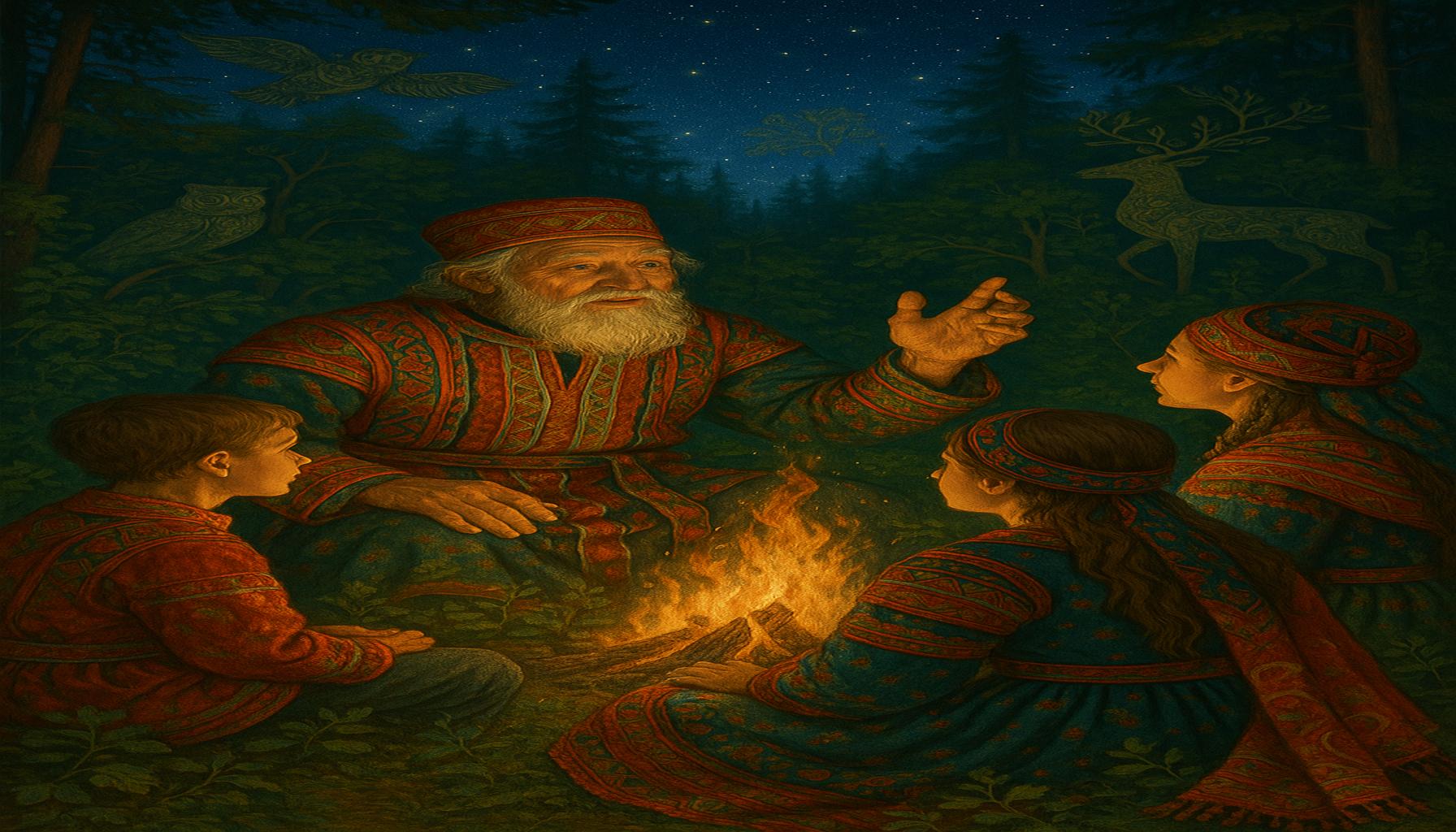
Cultural storytelling is more than just a collection of tales; it is a powerful bridge that connects individuals across generations and communities. From the time human beings began to gather, sharing stories has allowed them to communicate experiences, values, and lessons. Through these narratives, we breathe life into the rich tapestry of human experiences and unveil the essence of our identities.
At the heart of cultural storytelling lie various forms of narratives that encapsulate the beliefs and norms of communities. These narratives often reflect key aspects of human existence, and include:
- Legends and Myths: These are powerful tales that often explain natural phenomena or deliver moral lessons. For example, the Greek myth of Prometheus illustrates the consequences of defiance against the gods, while Native American legends such as “The Tale of the Two Wolves” emphasize the internal struggle between good and evil.
- Folktales: These are stories passed down orally from one generation to another, showcasing the values and morality of particular communities. A prime example is the tale of Br’er Rabbit, which originates from African American folklore, highlighting themes of cunningness and resilience in the face of adversity.
- Local Traditions: Each region possesses its unique customs that shape its identity. From celebrating the Harvest Moon Festival in Pennsylvania to the vibrant storytelling at Powwows among Native American tribes, local traditions provide insights into the cultural fabric of a community.
In the United States, often described as a melting pot of cultures, storytelling serves as a medium to blend diverse influences. For instance, tales from the Native American tribes celebrate the connection between humanity and nature, urging respect for the earth and its inhabitants. The iconic Appalachian folktales, often filled with humor and life lessons, capture the struggles and joys of rural life, offering guidance through their narrative arcs.
Exploring these traditional stories reveals that they offer more than mere entertainment; they impart important lessons that guide our daily lives. By engaging with cultural storytelling, we not only gain insight into history but also appreciate the rich artistic expressions and wisdom that different communities contribute to our collective human experience.
Moreover, by examining the nuances of these narratives, we can spark conversations about cultural identity, moral values, and shared experiences. In an age of rapid globalization, embracing and understanding the art of storytelling becomes vital in fostering empathy and connection amongst diverse populations. So the next time you hear a tale, remember that within it lies a world of wisdom waiting to be uncovered.
DISCOVER MORE: Click here to unlock new inspiration
Unraveling the Threads of Folklore
Folklore serves as a significant pillar within the realm of cultural storytelling, functioning as a vibrant tapestry that weaves together the beliefs, customs, and practices of various communities. Folklore includes mythical creatures, traditional practices, and community histories, all of which together foster a profound sense of belonging and identity. Its narratives often embody the societal values and collective consciousness of the cultures from which they originate, allowing each tale to provide insights into the worldviews of their tellers.
Exploring the elements of folklore reveals a treasure trove of lessons and values embedded within stories that serve educational purposes for both children and adults alike. Here are some key components of folklore that capture the imagination:
- Mythical Creatures: Many cultures have accumulated an array of fantastic beings—such as fairies, dragons, and spirits—that act as embodiments of societal norms or fears. For instance, the legends surrounding Bigfoot in the Pacific Northwest have been a source of intrigue, often reflecting themes of nature, marginalization, and the unknown.
- Traditional Songs and Dances: Music and movement often go hand in hand with storytelling, as they illustrate cultural narratives through rhythm and expression. The traditional dance ceremonies of the Hopi Indians not only serve as entertainment but also narrate key events in their history, reinforcing community ties and cultural pride.
- Proverbs and Sayings: These concise expressions of wisdom often carry profound meanings that resonate with the experiences of many. For example, the Southern saying “Don’t count your chickens before they hatch” warns against assuming the outcome of situations before they unfold, highlighting the importance of patience and caution.
Such elements of folklore not only entertain but also educate, serving as vehicles for transmitting cultural values and social norms through generations. In a rapidly evolving world, preserving these narratives becomes pivotal in maintaining cultural integrity while adapting to contemporary challenges.
Within the United States, regional folklore depicts the uniqueness of diverse communities that coexist and flourish. Consider the rich tradition of storytelling in the African American community, characterized by its roots in oral history. The tales of Anansi the Spider, originating from West African folklore and adapted into African American culture, deliver powerful messages about resourcefulness, intelligence, and resilience. Similarly, the ghost stories often circulated in the Appalachian Mountains reflect the region’s historical struggles, while emphasizing the supernatural and the unexplainable aspects of life.
The intricate connections between folklore, cultural identity, and storytelling underscore the importance of engaging with these narratives. By exploring the vibrant spectrum of folklore from diverse cultures, individuals not only cultivate a greater appreciation for their heritage but also forge connections with others, encouraging dialogue and understanding in an increasingly divided world.
Cultural Storytelling: The Power of Folklore and Traditions
| Category | Advantages |
|---|---|
| Cultural Preservation | Promotes heritage by passing down stories that encapsulate the essence of communities. |
| Educational Value | Enhances understanding of different cultures, offering insight into the values and morals that define societies. |
Cultural storytelling serves as a vital bridge between generations, ensuring that the rich tapestries of folklore are not lost. The powerful narratives originating from ancient traditions hold not only entertainment value but also significant lessons – often encapsulating the struggles, beliefs, and aspirations of communities. For example, the tales of trickster figures in African folklore provide insights into overcoming adversity through wit, while Native American legends often teach the importance of living in harmony with nature.Such stories are essential for fostering empathy among individuals from diverse backgrounds. By engaging with these narratives, audiences can gain a deeper appreciation for the complexities of differing worldviews, which can lead to a more connected and understanding society. As we delve deeper into the treasures of folklore, we unveil not just stories, but the intricate fabric of our global heritage. Exploring these narratives can ignite a passion for history and culture, which encourages individuals to participate in a dynamic exchange of ideas. By doing so, we not only preserve the integrity of our past but also inspire a future enriched by the wisdom of our ancestors.
DISCOVER MORE: Click here to unlock the secrets of nature’s inspiration
The Role of Storytellers in Preserving Culture
In every culture, the job of a storyteller is akin to that of a guardian, preserving and passing down folklore and traditions that define the community’s identity. Storytellers are not merely narrators; they are the custodians of history, weaving intricate tales that encapsulate the spirit of their people. Their craft, representing a blend of art and education, captures the essence and soul of a culture, ensuring its survival across generations.
The role of these narrators often hinges on their ability to adapt age-old stories for contemporary audiences. This dynamic relationship enables the folklore to remain vital and relevant, even as societies evolve. For instance, Native American storytellers often incorporate modern elements into ancient legends to address current social issues such as environmentalism or identity crises. By doing so, they breathe new life into these traditional tales, enabling younger generations to appreciate and engage with their cultural heritage in a meaningful way.
Storytelling festivals held across the United States serve as platforms for bringing together diverse voices and traditions. Events like the National Storytelling Festival in Jonesborough, Tennessee, celebrate the art of storytelling and encourage exchanges between regional and cultural storytellers. Here, tales from Indigenous communities stand side by side with Southern folk tales or urban legends, fostering a sense of unity while championing cultural diversity. These gatherings create a vibrant atmosphere where the past meets the present, reinforcing the notion that stories can transcend time and ignite powerful connections among people.
Modern Media: A Canvas for Traditional Stories
The rise of digital platforms has significantly transformed the landscape of cultural storytelling, offering storytellers innovative avenues to reach wider audiences. Animated films, podcasts, and social media channels have become popular mediums for recounting folklore. For example, the Netflix series “Over the Moon” merges traditional Chinese folklore with contemporary animation, making stories accessible to global audiences. These modern interpretations often spark discussions about representation and cultural accuracy, showing that as folklore enters new formats, it is crucial to remain loyal to the roots from which these stories sprang.
Additionally, educational institutions are recognizing the value of integrating folk narratives into their curricula. Schools across the nation are implementing programs where students learn about their own cultural stories and those of their classmates. This initiative not only enhances literary skills but also deepens cultural empathy and understanding among diverse student populations. By engaging with one another’s stories, students cultivate friendships and foster a sense of community, showcasing storytelling as a powerful tool for social cohesion.
The Healing Power of Folk Tales
Beyond mere entertainment and cultural education, folklore also bears therapeutic properties. Traditionally, stories have been used in various cultures as healing mechanisms—emotionally and spiritually. For many Indigenous peoples, oral traditions serve as tools for transmitting wisdom about overcoming life’s adversities. Tales that recount hardships followed by triumphs can provide solace and encouragement to those facing similar challenges. The storytelling tradition of the African American community often offers themes of resilience and hope, allowing individuals to reconnect with their roots while acknowledging past struggles. This dual function of storytelling as both a narrative form and a method of healing highlights its significance in fostering mental well-being.
In essence, engaging with the rich tapestry of cultural storytelling rooted in folklore not only entertains but also educates and heals. The myriad ways in which these stories resonate across history and contemporary life create spaces for dialogue, understanding, and transformation.
DIVE DEEPER: Click here to discover how to turn everyday moments into writing inspiration</
Conclusion: The Everlasting Impact of Cultural Storytelling
Cultural storytelling, deeply rooted in folklore and traditions, serves as a vital bridge connecting past and present while fostering community and understanding within diverse societies. As we’ve explored, the role of storytellers as custodians of history is paramount in ensuring that these narratives continue to be relevant in today’s evolving cultural landscape. By adapting tales and weaving contemporary themes into ancient stories, they engage younger audiences and instill a sense of pride in their heritage.
The integration of traditional narratives into modern media—whether through films, podcasts, or educational programs—enriches our collective experience and encourages healthy discussions around cultural representation. Events such as storytelling festivals celebrate this diversity and allow communities to engage with one another’s histories, ultimately cultivating respect and empathy through shared experiences.
Moreover, the healing properties of folk tales underscore their importance beyond entertainment; they are essential tools for emotional and spiritual resilience. The lessons derived from these narratives help individuals forge connections, confront challenges, and find solace, making storytelling an enduring form of healing and empowerment.
In conclusion, as we embrace the power of cultural storytelling, let us remain vigilant guardians of these invaluable narratives. By preserving and evolving folklore, we not only honor our ancestors but also enrich the lives of future generations. Therefore, engaging with these stories is not merely an act of remembrance; it is a commitment to fostering a deeper understanding of our shared human experience.