
The Magic of Dreams: Using Dream Journals to Inspire Fiction and Poetry
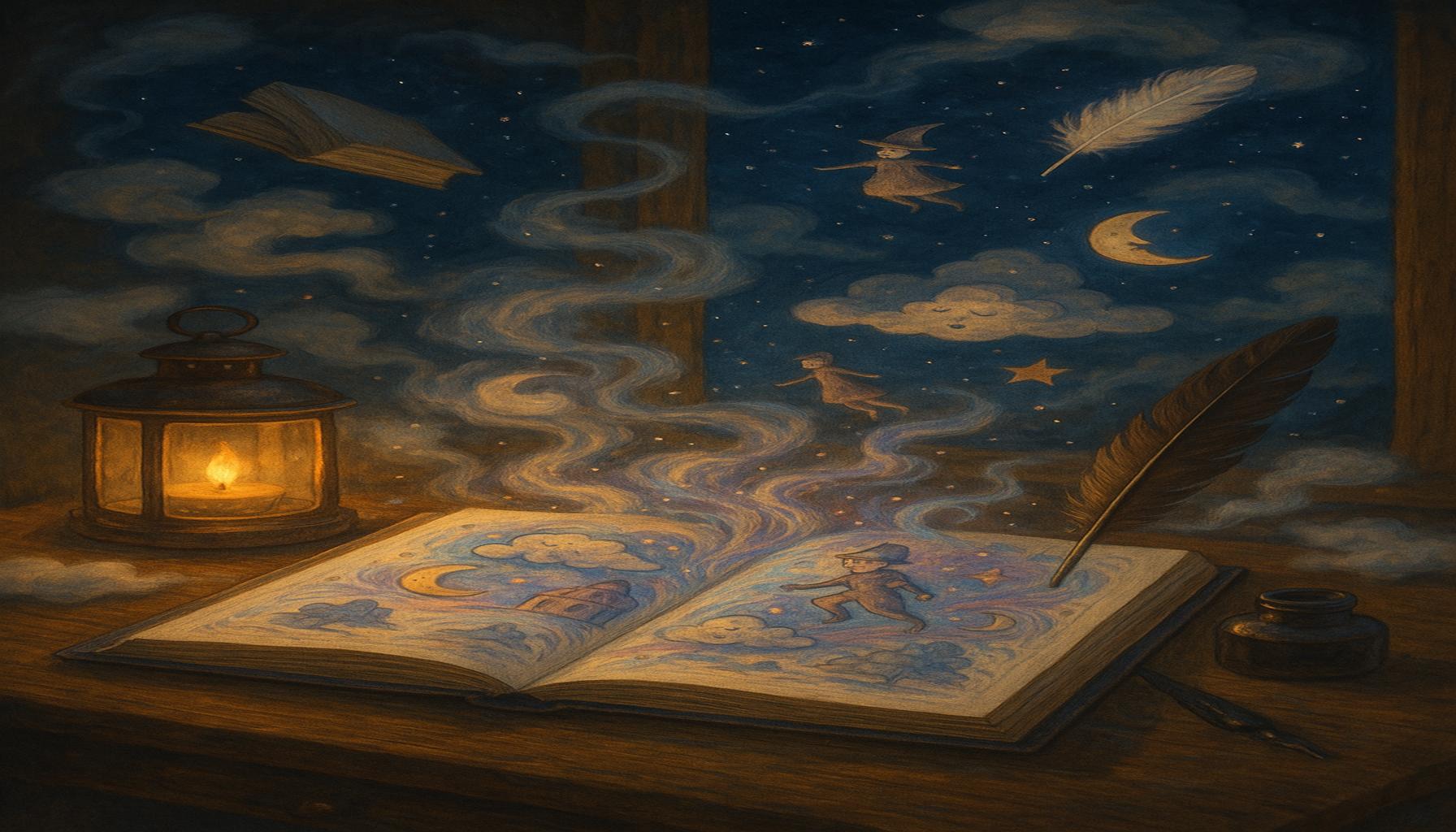
Understanding the Mysteries of Dream Exploration
Over centuries, dreams have intrigued philosophers, psychologists, and storytellers alike, acting as a gateway into the depths of our subconscious. Each night, when our minds drift into slumber, we embark on fantastical journeys that often test the limits of reality, combining fragments of our daily lives with the extraordinary. Within these nocturnal narratives reside emotions, desires, and fears that we may not be fully conscious of while awake.
Dream journals offer a powerful avenue for individuals to engage with their sleeping mind’s output. Recording dreams immediately upon waking captures the fleeting images and feelings that can vanish like smoke if not documented. This practice not only enhances self-awareness but serves multiple creative purposes:
- Uncover hidden themes and patterns that reflect personal growth or emotional struggles.
- Explore the vivid imagery and emotional depth present in dreams, which can be both bewildering and enlightening.
- Ignite inspiration for new stories, poems, or even works of art, channeling that creativity into tangible forms.
In the United States, many writers have turned to their dreams as a wellspring of creativity. For instance, the famous author Stephen King has often spoken about his dreams informing his work, including the chilling atmosphere of many narrative arcs in his novels. The transformative process of documenting dreams allows storytellers to:
- Utilize dream fragments as inspirational prompts for creative writing, leading to fresh ideas that might not emerge through conventional brainstorming.
- Create a canvas for exploring personal experiences and feelings, enabling a deeper understanding of oneself that can be woven into character development and plot lines.
- Connect literature with the mystical aspects of the human psyche, diving into themes like subconscious fears, aspirations, and the significance of symbols.
Whether you are an established author or an emerging voice in the literary scene, embracing the magic of dreams provides an opportunity to unlock new layers of storytelling. Through the act of recording and reflecting upon dreams, writers can cultivate their imaginations and find paths to rich, multifaceted narratives that continuously evolve. Engage with this practice, and you may just discover a wealth of creativity that was waiting to be unveiled within the midnight hour.
DISCOVER MORE: Click here to dive deeper
Transforming Dreams into Creative Fuel
Throughout history, the act of dreaming has been a source of mystery and inspiration, driving some of the most profound works in art and literature. As writers tap into the magic of dreams, they unlock a treasure trove of imagery and emotion that can serve as a catalyst for creative expression. By utilizing dream journals, individuals can transform their subconscious musings into tangible works of fiction and poetry that resonate deeply with themselves and their audiences.
Dreams often serve as a mirror reflecting our innermost thoughts and feelings—elements that can contribute profoundly to narrative structure. The dream journaling process encourages writers to analyze recurring symbols or themes that emerge through their sleep experiences. For instance, a dream about flying may signify a pursuit of freedom or escape from reality, while recurring motifs like water or storms might symbolize emotional turmoil or conflict. This exploration not only unveils personal insights but also lays the groundwork for developing compelling characters and rich plotlines.
Here are a few ways that dream journaling can enhance your creative writing journey:
- Enhanced Emotional Depth: By exploring the raw emotions present in dreams, writers can infuse their narratives with authenticity, making their characters and situations more relatable.
- Unconventional Ideas: Dream sequences often follow a nonlinear logic, leading to unexpected twists and turns. Writers can harness this creativity to craft unique story arcs that challenge conventional narratives.
- Symbolic Language: Dreams are replete with symbols and metaphors that can enrich a writer’s vocabulary and understanding of deeper meanings, helping to elevate their poetry and prose.
Notable authors like Edgar Allan Poe and J.K. Rowling have openly attributed elements of their storytelling to their dreams. For example, Poe’s gothic tales often draw from vivid dream imagery that blurs the lines between reality and psyche. Rowling famously conceived the character of Harry Potter during a train journey, but subsequent dreams refined the magical details that have captivated millions. Such examples illustrate that the dream world can serve as a dynamic landscape for cultivating original ideas.
As writers delve into the practice of documenting and analyzing their dreams, they not only gain access to a deeper understanding of their creative impulses but also cultivate a distinctive voice that sets them apart in the literary landscape. The act of writing about dreams challenges the imagination to soar, allowing for an exploration of far-reaching themes and emotions that may otherwise remain obscured by the confines of conscious thought.
To embark on this transformative journey, maintaining a dedicated dream journal is crucial. Setting aside time each morning to jot down dreams can help capture fleeting thoughts and feelings while also providing a means for reflection and exploration. By doing so, writers will discover an unexpected source of inspiration, paving the way for original stories and compelling poetry that resonate with the universal human experience.
| Advantages of Dream Journals | How They Enhance Creative Writing |
|---|---|
| Enhanced Imagination | Dream journals allow writers to tap into the subconscious, revealing unique plots and characters beyond conscious thought. |
| Emotional Exploration | By recording dreams, writers can confront and articulate complex emotions, enriching their poetry and fiction with depth and authenticity. |
| Inspiration from Symbols | Dreams are often symbolic. Writers can decode these symbols to create compelling narratives or to inspire metaphorical themes in their work. |
| Routine Practice | Keeping a dream journal is an excellent way for writers to build a consistent writing habit, promoting daily creativity and reflection. |
Embracing dream journaling empowers poets and fiction writers with a toolkit full of inspiration, emotional insights, and unique thematic elements. By regularly engaging with their dreams, writers may unlock stories waiting to be told, transforming fleeting nighttime visions into tangible works of art. This practice not only enhances creativity but also establishes a profound connection with the self, facilitating a deeper understanding of one’s emotional landscape and the human experience.
DISCOVER MORE: Click here to unlock creative inspiration
Unlocking Hidden Narratives Through Dream Analysis
In the realm of fiction and poetry, the journey from dream to written word often involves a deeper analytical approach—one that transcends mere recollection of dream events. By adopting a discerning eye toward the elements within dreams, writers can engage with the narrative structures inherent in their subconscious. This process allows them to extract a plethora of story ideas, emotional arcs, and character motivations in ways that often elude waking thought.
A compelling way to delve into dream analysis is through thematic mapping. Writers can categorize dreams based on prevalent themes—such as fear, joy, longing, or transformation—and identify how these themes mirror conflicts or desires in their waking life. For instance, a dream where one is lost in an unfamiliar city may reflect feelings of uncertainty or change within the writer’s real-world experiences. By connecting these thematic threads, authors can weave narratives that resonate with their readers on both emotional and psychological levels.
This phenomenon is supported by psychological theories, such as Carl Jung’s exploration of the collective unconscious. Jung proposed that dreams can serve as a gateway to universal archetypes that exist within all human experience. Using dream journals as a tool for such introspection can help writers tap into these archetypes, giving rise to stories enriched with timeless motifs that echo the cyclical nature of human experience and emotions.
Moreover, embracing the surreal aspects of dream life can foster creativity in unexpected ways. Dreams often defy the laws of logic, leading to bizarre juxtapositions—such as talking animals or impossible scenarios. Writers can harness these uniquely imaginative constructs to push the boundaries of their narrative, influencing genres like magical realism or speculative fiction. For instance, the whimsical nature of dreams may inspire an author to create a story where natural laws are suspended, thereby inviting readers into a world of endless possibilities.
In addition to fostering creativity and unlocking hidden narratives, dream journaling can also enhance a writer’s ability to employ poetic language. The fragmented and abstract nature of dreams often leads to striking visual imagery and powerful metaphors. By recording dreams, writers can curate a lexicon of symbolic language that elevates their poetry and prose. As dreams often revisit the same symbols and gestures, they can provide a rich source of inspiration, allowing writers to create deeply layered work that resonates on multiple levels.
Engaging with dreams as a foundation for writing is not without its challenges. Writers may encounter difficult emotions or unresolved issues surfaced by dream analysis. However, this process can ultimately lead to therapeutic clarity that enriches their writing. By addressing personal conflicts through creative exploration, writers can transform pain into art, deepening the emotional resonance of their narratives.
The practice of dream journaling encourages consistent reflection that can yield fruitful discoveries about one’s creative process. By committing to this endeavor, writers can unlock their potential and give life to compelling stories and evocative poetry that honor their unique experiences. As they engage with the enigmatic patterns of their dreaming mind, they not only enrich their craft but also contribute to the vibrant tapestry of literary expression shared across generations.
DISCOVER MORE: Click here to dive into nostalgic flavors
Conclusion: The Enchantment of Dreams in Creative Writing
The world of dreams offers a mesmerizing landscape rich with potential for writers of fiction and poetry. By utilizing dream journals as a tool for exploration, authors can tap into the wellspring of creativity nestled within their subconscious. The practice of journaling dreams cultivates a profound connection between the dreaming mind and the narrative process, ultimately unveiling emotional truths and universal human experiences that resonate deeply with readers.
Through the analysis of dreams, writers gain insights into their own psyche, allowing them to formulate characters, plots, and themes that are not only compelling but also rich with authenticity. Whether they draw from the surreal imagery or the emotional arcs presented within their dreams, the possibilities for literary innovation are limitless. The journey from dream to written word transcends mere storytelling; it is a powerful mechanism through which writers can channel personal struggles, triumphs, and existential questions into art.
Moreover, the act of engaging with dreams encourages writers to embrace vulnerability and introspection, leading to a therapeutic process that enriches their craft. As authors transform the abstract and often chaotic nature of dreams into coherent narratives, they contribute to a legacy of literature that celebrates the complexities of the human experience. As such, understanding the magic of dreams through dream journaling not only enhances creative expression but also serves as a reminder of the profound connections we share through storytelling.
In an age where creative authenticity is sought after, looking inward and embracing the enchanting realm of dreams may very well be the key to inspiring the next remarkable work of fiction or poetry.