The Power of Narrative in Culinary Arts: Telling Stories Through Innovative Recipes
Unveiling the Culinary Narrative
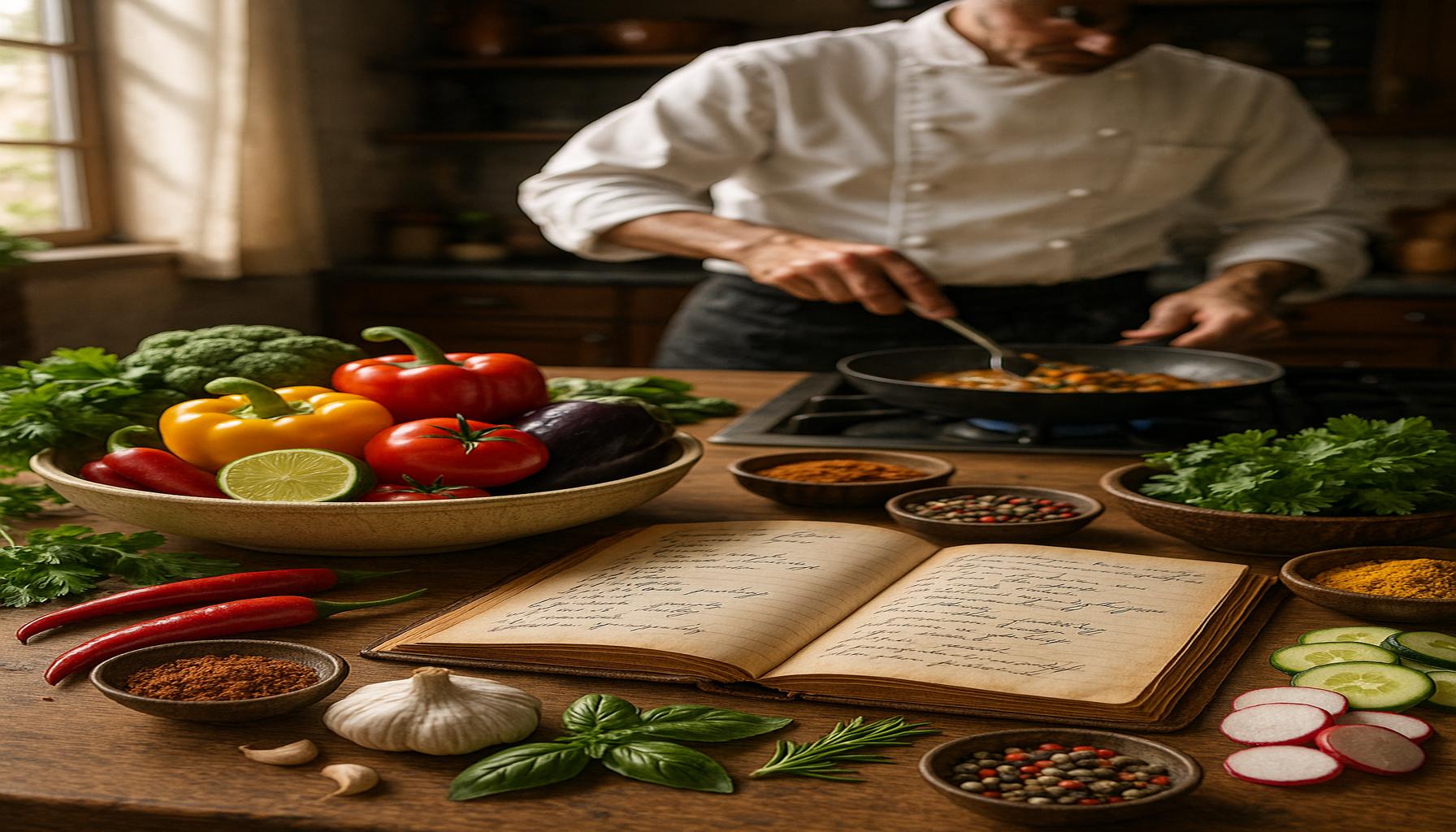
Culinary arts extend far beyond mere food preparation; they are a tapestry of culture and history woven together through narratives. Each recipe carries the essence of its origin, inviting chefs and foodies alike to embark on a delicious journey of discovery. By embracing innovative storytelling, culinary enthusiasts can transform every dish into a captivating experience that resonates on a deeper level.
The Significance of Stories in Cooking
Why is storytelling essential in the kitchen? Here are some key reasons:
- Connection: Recipes tell tales of family traditions and cultural heritage. Through dishes passed down through generations, families often come together, sharing stories and memories that enhance the food’s significance. For example, the ritual of making tamales during the holiday season in many Mexican families embodies not just culinary skill but a shared experience of bonding and tradition.
- Inspiration: Unique stories stimulate creativity, igniting new culinary ideas. Chefs who know the backgrounds of their ingredients can inspire dishes that respect and reinvent traditional recipes. Think of how chef José Andrés channels the stories of his homeland, Spain, to innovate tapas that speak to both authenticity and modernity.
- Engagement: Sharing narratives about food fosters deeper connections among diners. When a server recounts the origin of a dish, patrons often find themselves experiencing it not just as a meal but a glimpse into a culture or history. A beautiful tale of a family farm, for instance, can deepen appreciation for a simple farm-to-table salad.
Consider the stories behind classics like Southern gumbo, born from a blend of African, French, and Spanish influences. Similarly, the rise of fusion cuisine showcases how chefs narrate their culinary adventures by mixing global flavors. Each plate can resonate with emotional depth, enhancing the dining experience, as patrons feel they are part of a broader, shared tapestry of flavors and experiences.
Historical Context and Modern Innovation
The fusion of history and innovation in culinary storytelling reflects evolving social dynamics. As America embraces diverse cultures, kitchens become laboratories of inclusion and experimentation. Innovative recipes invite us to explore food as a medium, offering insight into both personal and collective histories, creating spaces where cultural exchanges are celebrated. From Korean BBQ tacos to lobster rolls with Japanese mayo, these unique combinations highlight the beauty of cross-cultural collaboration.
Moreover, the importance of sustainability in today’s culinary landscape also enriches storytelling. Chefs increasingly source ingredients locally, forging connections with farmers and their land. This practice not only supports local economies but also showcases the stories of those who cultivate the ingredients, adding layers of meaning to the dining experience.

Join the journey of culinary storytelling where every bite shares a narrative, urging us to reflect on who we are and where we’ve come from. Each dish is not merely a recipe but an invitation to explore and appreciate the history, culture, and innovation that comprise the rich world of culinary arts.
DISCOVER MORE: Click here to unleash your creativity
The Art of Culinary Storytelling
In the world of culinary arts, the act of cooking is not simply about assembling ingredients; it is a powerful form of expression that reflects personal narratives, community values, and cultural history. The power of narrative in culinary settings allows chefs to communicate their experiences and perspectives, turning each plate into a vivid story that captivates the senses and sparks curiosity. At its core, food is a vessel for storytelling, bridging connections between people and their heritage.
Crafting the Culinary Narrative
Creating a compelling narrative around innovative recipes starts with careful selection and preparation of ingredients. Each component of a dish can represent a chapter in the story, revealing secrets of the land, tradition, and even the chef’s personal journey. Here are key elements that elevate culinary storytelling:
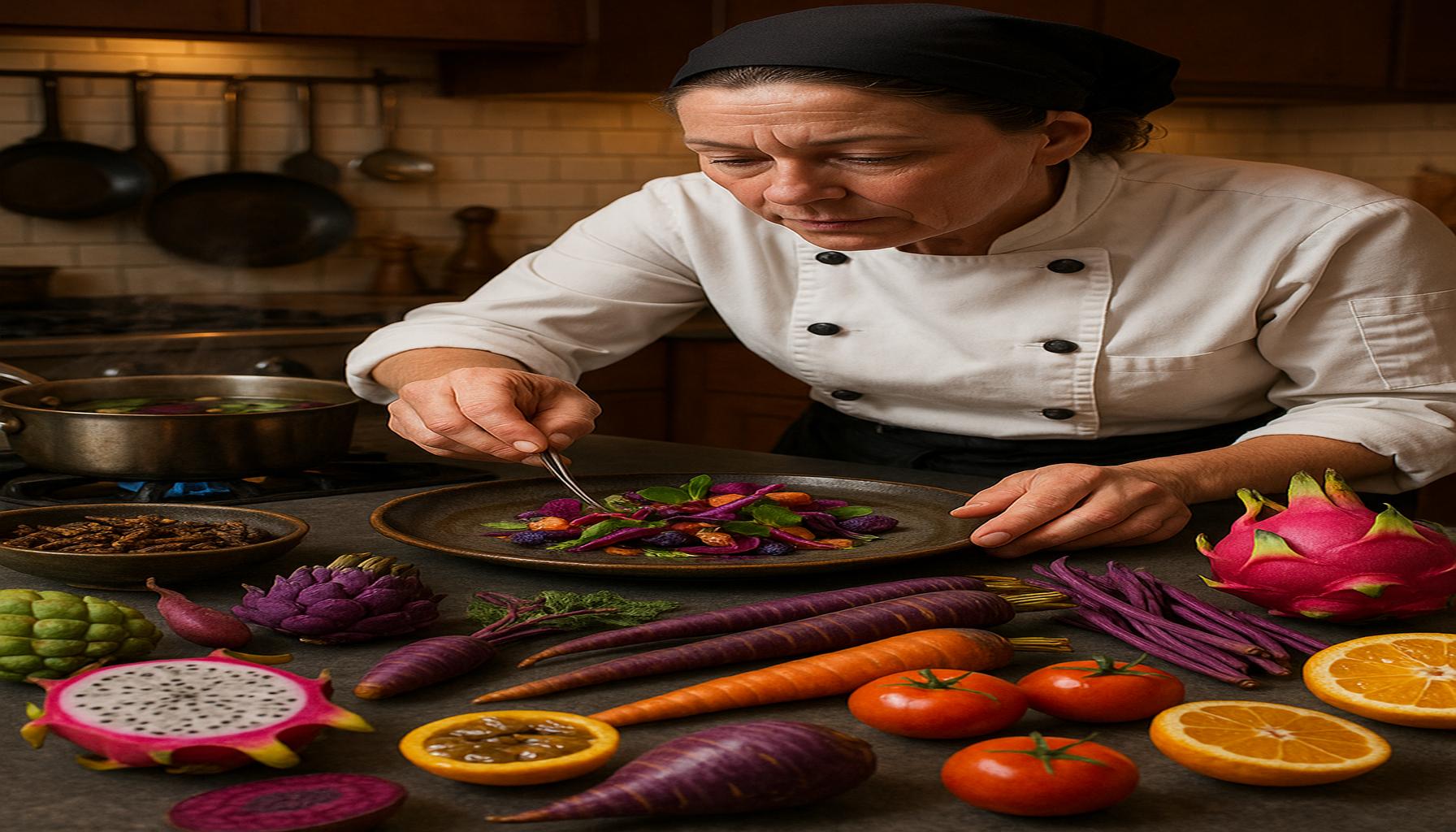
- Ingredient Selection: The choice of ingredients is critical in crafting culinary narratives. Chefs often opt for locally sourced, seasonal produce to reflect their surroundings and support community growers. This not only enhances the flavor profile of the dish but also genuinely connects diners to the local landscape and its agricultural stories.
- Technique and Presentation: The way a dish is prepared and plated can further convey its story. Techniques passed down through generations, such as slow braising or traditional baking methods, echo the chef’s background. An exquisite presentation invites visual engagement, compelling guests to appreciate the artistry behind the meal before their taste buds even take effect.
- Historical Influence: Many culinary narratives take inspiration from historical events or cultural shifts. By linking dishes to significant moments in history—such as the impact of immigration on flavors and cooking styles—chefs can create a dialogue about cultural evolution. For example, dishes like New Orleans’ jambalaya showcase a blend of African, European, and Caribbean flavors that tell the story of the region’s rich heritage.
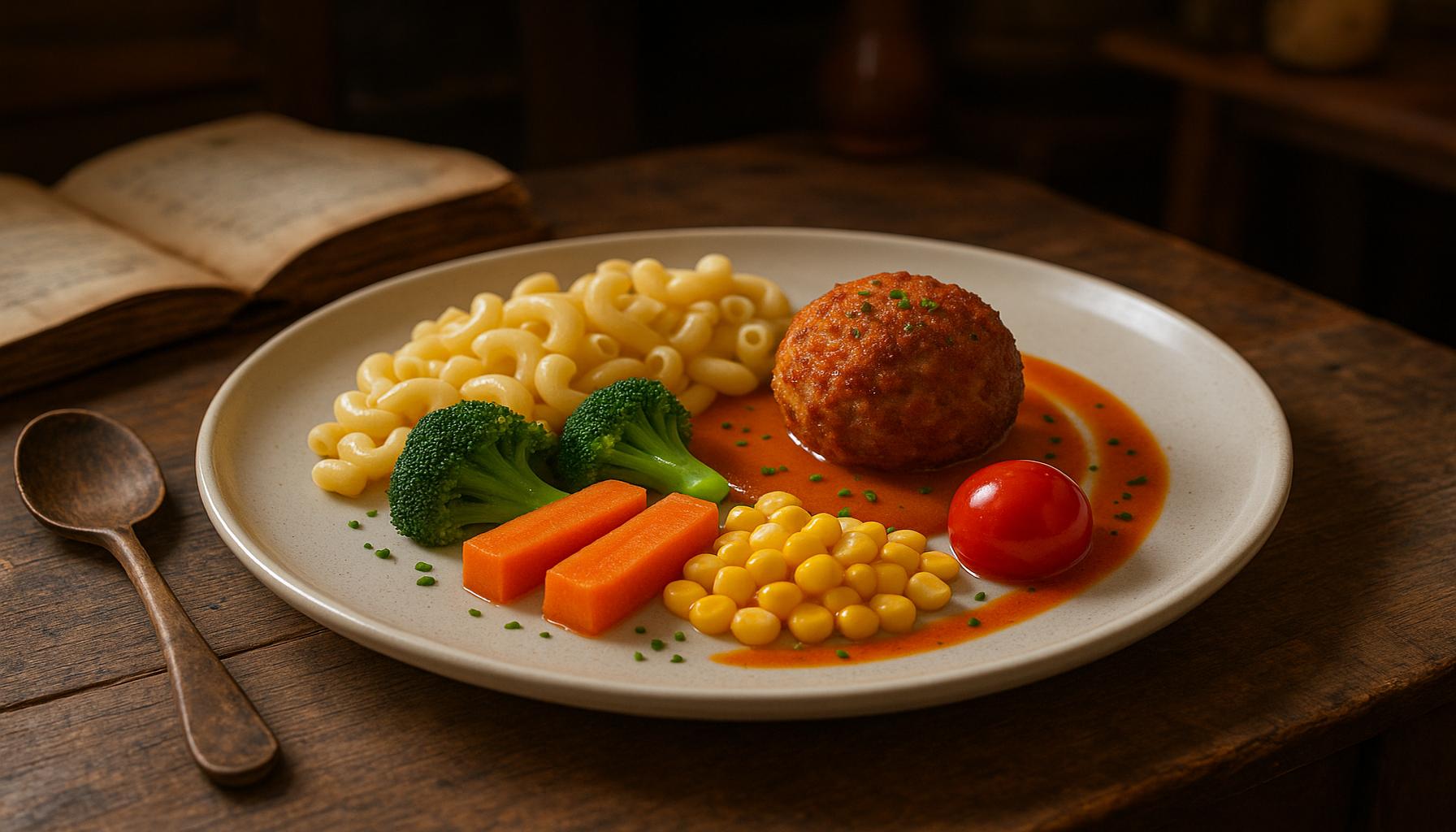
- Personal Touch: Chefs often infuse their recipes with personal experiences, making each dish a reflection of their journey. This can include sharing tales of childhood memories tied to certain foods or adaptations made to recreate a beloved family recipe. Such personal insights bring authenticity to the dining experience and invite diners to learn more about the individual behind the meal.
The narrative power of food also encourages diners to actively engage with the stories on their plates. For example, when patrons learn about the heritage and inspiration behind a dish, they can appreciate the flavors with a newfound depth. Whether it is the infusion of spices that evoke memories of travels abroad or a recipe with roots in familial gatherings, each story enhances the emotional resonance of dining.
Navigating Cultural Landscapes
As migration and globalization continue to shape the culinary landscape, chefs are discovering innovative ways to blend classic techniques with fresh ideas. The rapidly evolving food scene often reflects cultural exchanges, where traditional dishes undergo transformation, allowing for new narratives to emerge. A classic Vietnamese pho might find itself reimagined with local craft beer, creating a unique twist that pays homage to both culinary worlds.
In this era of innovation, chefs can act as storytellers, drawing diners into a vast narrative landscape where food is not merely sustenance but an exploration of history, identity, and creativity. By harnessing the power of narrative in their culinary creations, they inspire a greater appreciation for the gastronomic arts, fostering a community of food lovers eager to explore the stories woven into every recipe.
The Impact of Storytelling on Culinary Experiences
The integration of narratives into culinary arts not only enriches the dining experience but also fosters a deeper connection between chefs and their audiences. Each dish crafted through innovative recipes tells a unique story, whether it’s inspired by a family tradition, a local ingredient, or a moment in history. This storytelling aspect transforms a meal into a memorable experience rather than just sustenance.Culinary professionals are increasingly embracing the art of storytelling to highlight the significance of each ingredient. For example, a chef might narrate the journey of a farm-fresh heirloom tomato, detailing not just its flavors, but its origins and the cultivation methods involved. Such narratives have the power to evoke emotions, prompting diners to appreciate the dish on a more profound level. When people connect with the story behind their food, they are more likely to savor each bite, turning a simple meal into an adventure.Moreover, storytelling in the culinary arts goes hand-in-hand with innovative recipes. Chefs, by experimenting with techniques and flavors, can create unique dishes that embody significant narratives. This innovation keeps the dining scene vibrant and engaging. For instance, fusion cuisine tells the story of cultural convergence, inviting diners to experience flavors from different parts of the world on a single plate.The use of local ingredients also strengthens this narrative approach. Chefs who source their ingredients locally often communicate their commitment to sustainability and community, while sharing the stories of local farmers and artisans. This practice not only elevates the dishes but also encourages diners to support local economies.Ultimately, the power of narrative in culinary arts is an avenue for chefs to differentiate themselves in a crowded market. By weaving personal tales into their recipes, they can create a unique brand identity that resonates with diners. This storytelling approach not only enhances culinary creativity but also guides patrons to be more conscious eaters, exploring the intricate links between food, culture, and personal history.
DIVE DEEPER: Click here to unlock more insights
Exploring Narrative Techniques in Culinary Arts
The intersection of narrative and culinary arts not only democratizes food storytelling but also allows chefs to utilize various innovative techniques to enhance the diner’s experience. By intertwining sensory elements and emotional evocation, culinary narratives can be profoundly immersive. Below are some techniques through which chefs create engaging stories on their plates:
Multi-Sensory Experiences
Engaging multiple senses enhances the culinary narrative, enriching the experience for diners. For example, incorporating aromatic herbs or spices during the cooking process creates fragrant atmospheres that resonate with memories or cultural symbolism. Consider the aroma of garlic sautéing with fresh herbs, which might transport a diner back to family dinners or childhood kitchens, enhancing their appreciation for the dish. The power of scent, sight, and taste interplaying together forms a collective narrative that extends beyond the mere consumption of food.
The Use of Plates as a Canvas
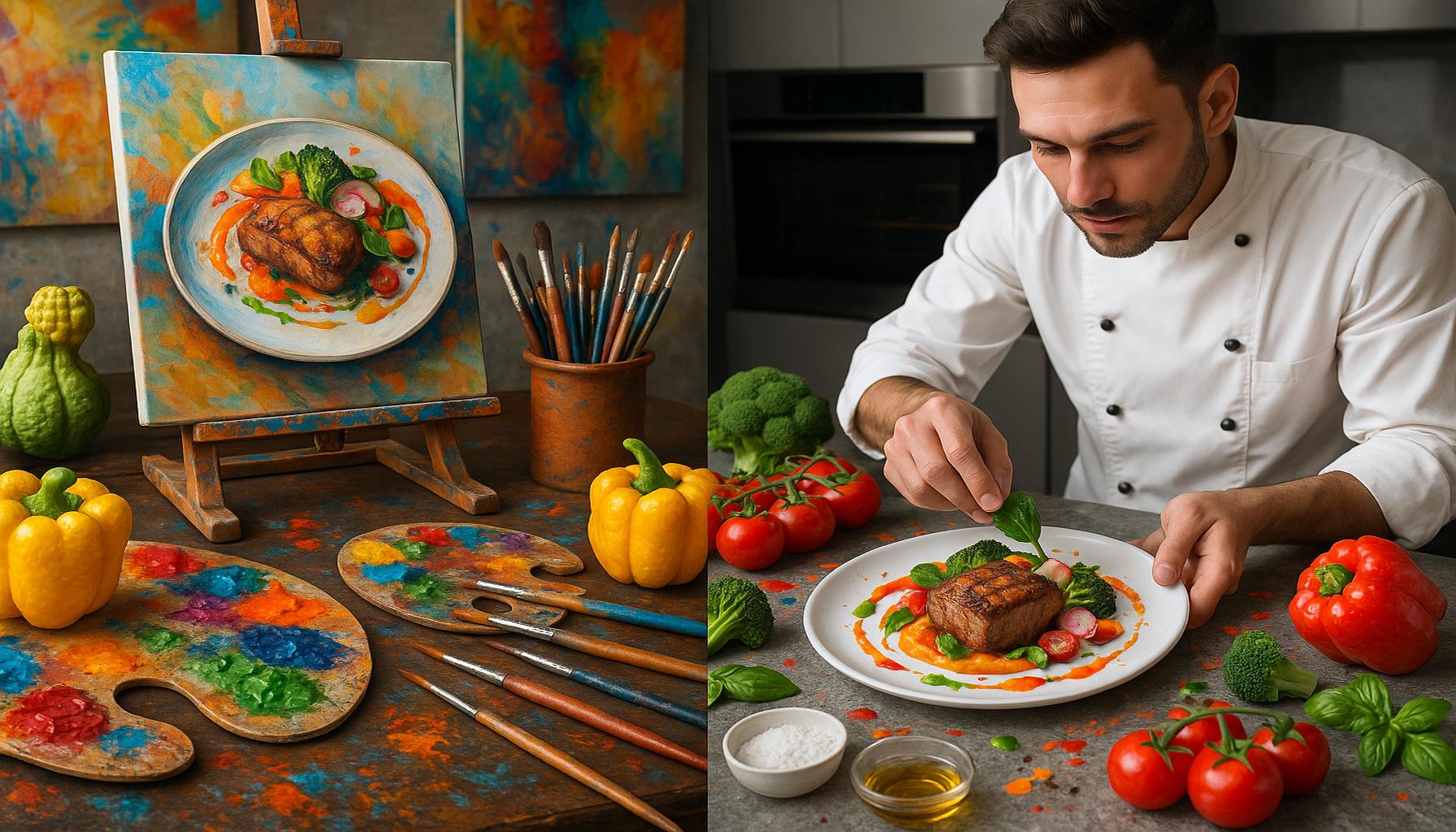
Visual storytelling plays an essential role in culinary arts. Chefs today are not just cooks; they are artists who utilize plates as canvases to deliver visual narratives. A dish like a deconstructed cheesecake, where each element is presented separately yet harmoniously on a plate, showcases creativity while inviting conversation about its components. Through vibrant colors, contrasting textures, and thoughtful arrangement, chefs can express emotions and cultural allegories that resonate with guests, thus enhancing the overall narrative impact of the meal.
Building Layers of Flavor and Story
Just as compelling narratives often have intricate plot twists and layers, so too do proper culinary stories. Chefs can create a multilayered experience by combining diverse flavors within a dish. For instance, a layered lasagna can tell a story through its distinct elements—each layer representing the influences of Italian immigrants who adapted their cooking styles in America. The combination of rich cheeses, seasoned meats, and homemade sauces captures history, culture, and personal anecdotes that contribute to a greater narrative experience.
Interactive Elements of Dining
In recent years, interactive dining has emerged as a trend where guests participate in the cooking process or are encouraged to share their personal stories related to the meal. This dynamic approach enhances the culinary narrative, fostering connections between guests, chefs, and the food itself. For example, communal dining experiences, such as tapas bars in urban areas, allow for customers to share dishes and stories, creating a tapestry of experiences and backgrounds that enhance the meal’s narrative. Such interactions make dining an evocative storytelling event that transcends individual plates and embraces shared experiences.
Technology as a Narrative Tool
Technology also plays a crucial role in shaping culinary narratives in the modern dining scene. From social media platforms showcasing dishes to interactive apps that share the story behind each ingredient, the digital age allows chefs to reach wider audiences while enriching the storytelling experience. Augmented reality tends to engage diners further by bringing static menus to life, presenting food’s origin stories alongside gorgeous visuals. Restaurants can employ these innovative tools to provide guests with not just a meal, but a multi-dimensional culinary journey, letting them delve into the narrative behind their food.
As chefs continue exploring innovative recipes, the stories woven into culinary arts have the power to enlighten diners about broader themes of culture, identity, and creativity. This vibrant interplay between narrative and cuisine continues to encourage deeper connections and foster appreciation for food as an expressive art form.
DIVE DEEPER: Click here to uncover delicious memories
Conclusion: The Essence of Culinary Storytelling
In the contemporary culinary landscape, the power of narrative elevates dining beyond mere sustenance, transforming it into an intricate tapestry of culture, history, and personal anecdotes. Chefs are increasingly embracing this approach, using innovative recipes not only to delight the palate but also to tell compelling stories that resonate with their guests. By weaving together flavors, textures, and visual elements, they create a multi-layered experience that enriches the dining journey.
Moreover, the integration of multi-sensory experiences, visual artistry, interactive dining, and technology amplifies the connection between chefs and diners, inviting a deeper engagement with what is served on the plate. Each dish becomes a narrative universe, offering not just culinary satisfaction but also cultural enlightenment and emotional resonance. This evolving paradigm encourages chefs to become storytellers, using their culinary skills to share insights about identity, heritage, and creativity.
As we move forward into a future where gastronomic storytelling is embraced, it is essential for guests to participate in these narratives, sharing their own experiences and connections with the dishes presented. This not only fosters community but also deepens the appreciation for food as a vital art form. The interplay of narrative and culinary arts will undoubtedly continue to flourish, inspiring both chefs and diners to explore the vast potential hidden within every ingredient and recipe.