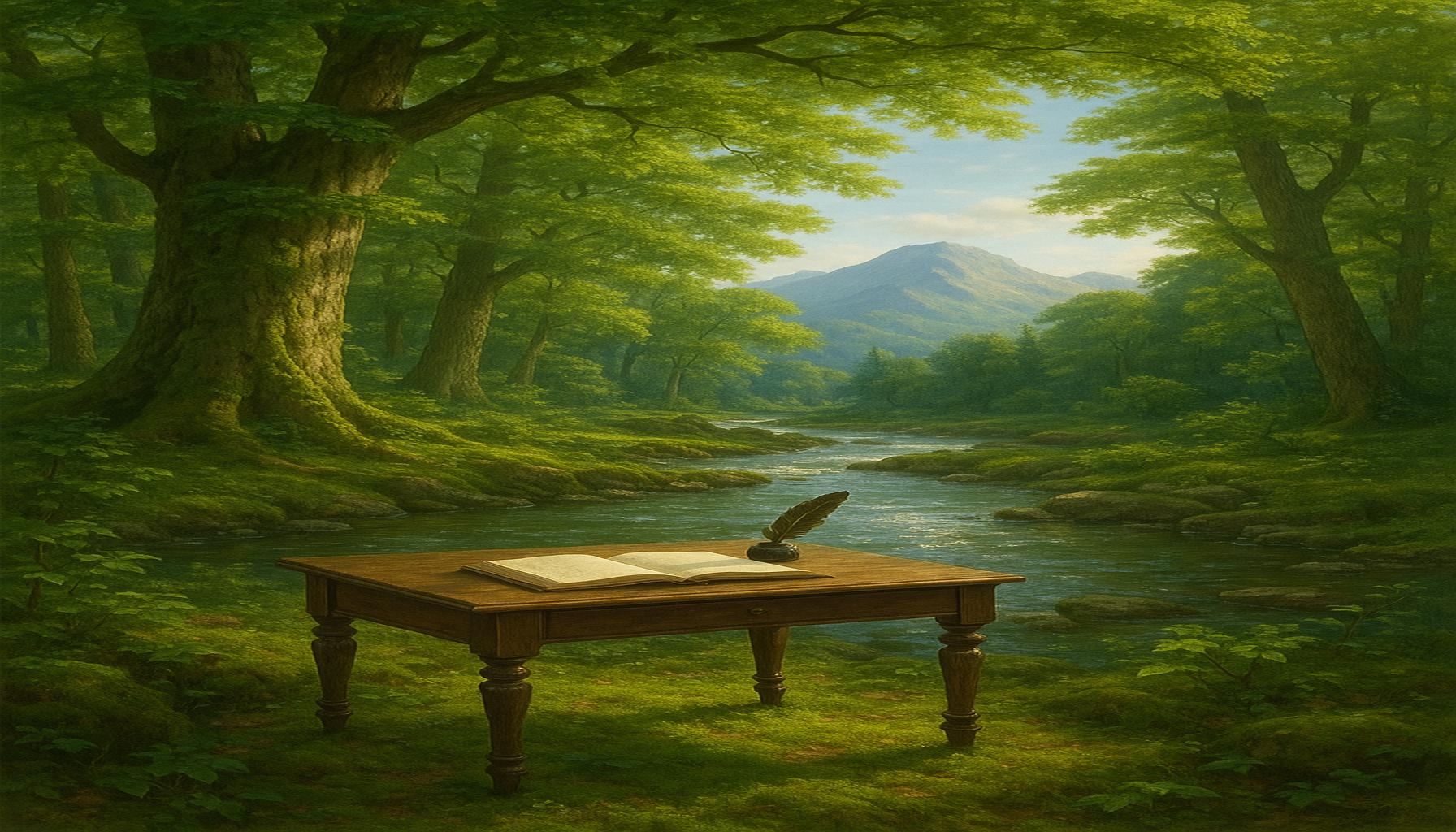
The Power of Nature: How Outdoor Experiences Fuel Creative Writing

The Transformative Power of Nature for Writers
Engaging with the natural world can serve as a powerful catalyst for writers, unlocking wellsprings of creativity that can turn the writing process into an exhilarating exploration. Nature is not just a backdrop; it is an intrinsic part of the narrative that writers can tap into, creating rich and evocative prose inspired by their surroundings.
Consider the multitude of ways that outdoor experiences can invigorate creative writing:
- Immersive Sensory Engagement: Imagine stepping into a sun-dappled forest, where the fresh air fills your lungs, and the gentle rustling of leaves dances in your ears. The earthy scent of damp soil and blooming flowers stimulates your mind, conjuring vivid memories and feelings that can be woven into your writing. Such sensory experiences enrich descriptive passages, allowing readers to feel as if they are right there with you.
- Inspiration from Landscapes: The majesty of a sweeping mountain view or the tranquility of a serene beach can ignite the imagination. A writer might find themselves comparing the jagged peaks of the Appalachians to a character’s struggles or using the undulating waves of the Pacific to symbolize change and transition. By drawing from scenic landscapes and wildlife encounters, authors can craft striking imagery and metaphors that resonate deeper with their audience.
- Quiet Reflection: Solitude in nature provides the perfect backdrop for introspection. As the busy hum of daily life fades away, clear thoughts and unique insights often emerge. Many writers find that spending quiet moments by a lake or atop a hill allows them to process ideas more thoroughly. Journaling in these spaces can lead to breakthroughs in character development or plot construction.
Research supports these observations; a study published in the Psychological Science journal highlighted that individuals who engaged in nature walks saw an increase in divergent thinking—a crucial element of creativity. This form of thinking, characterized by the ability to generate numerous ideas, makes the great outdoors a nurturing ground for innovative thought.
In a contemporary society often overshadowed by urban sprawl and digital distractions, reconnecting with nature becomes imperative for writers seeking to revive their creative spark. Whether hiking through the lush forests of the Pacific Northwest, strolling in urban parks like Central Park in New York City, or lounging on the sandy shores of Florida’s Gulf Coast, these experiences can rejuvenate and inspire new narratives.
What treasures lie in the embrace of nature? The great outdoors invites writers to dive deeply into their creative journey, offering endless possibilities for fresh and compelling storytelling. As you explore, allow yourself to be fully present in the moment—every rustle of leaves, every color of the sunset, and every call of wildlife is an opportunity to elevate your writing to new heights.

Nature as a Well of Inspiration
Nature provides a rich tapestry of inspiration for writers, enabling them to draw upon the beauty, complexity, and rhythms of the natural world to elevate their storytelling. The interplay between the environment and creative expression can be seen in various forms, and understanding these connections can help ignite a writer’s imagination.
One of the most profound ways outdoor experiences fuel creative writing is through the power of observation. Writers who venture outside often find themselves immersed in sights, sounds, and sensations that ignite their creativity. The vibrant hues of a sunset, the delicate fluttering of a butterfly, or the distant howl of the wind create an atmosphere conducive to new ideas. These observations are not merely distractions; they serve as catalysts for a writer’s mind to wander and explore uncharted territories of thought.
Many successful authors have recognized the vital relationship between nature and creativity. For instance, renowned writers like Henry David Thoreau and Emily Dickinson drew heavily from their observations of the natural world, embedding vivid imagery and environmental themes in their works. The act of stepping away from the confines of a writing desk and engaging with nature can lead to the kind of insight that is often elusive in routine settings.
- Enhanced Mood: Time spent outdoors has been linked to improved mood and mental clarity. Sunshine and fresh air can catalyze the release of serotonin, a hormone associated with feelings of well-being, ultimately allowing writers to approach their work with a positive outlook.
- Incubation of Ideas: Writers often find that being in nature provides the mental space needed for ideas to incubate. The soothing sounds of a babbling brook or birdsong can promote a meditative state, enhancing focus and fostering creative thinking.
- Connection to Themes: Many narratives draw upon themes of transformation, resilience, and the cycles of life, all of which can be powerfully illustrated through nature. Writers can use these motifs to deepen their characters or plotlines, making their stories resonate with readers on a more profound level.
Furthermore, scientific findings reinforce the notion that outdoor experiences enhance creative thinking. A study conducted by researchers at the University of Utah demonstrated that participants engaged in a four-day hike reported a 50% increase in their creative problem-solving abilities. This suggests that extended time in nature—free from distractions—can facilitate not just relaxation, but also heightened creative capacity.
Incorporating nature into the writing process doesn’t necessitate grand adventures; even short excursions to local parks or gardens can yield surprising benefits. As writers stand amidst trees, meadows, or rivers, they can channel the energy of their surroundings into their narratives, weaving a stronger connection between their work and the beauty of the world around them.
By recognizing and embracing the dynamic relationship between nature and creativity, writers can harness the landscape around them and cultivate an environment that not only inspires but transforms their craft.
The Transformative Influence of Nature on Creativity
Exploring the great outdoors doesn’t merely offer a respite from daily life; it significantly enhances creative thinking. The sensory experiences derived from nature—such as the sound of rustling leaves, the fragrance of wildflowers, or the vibrant hues of a sunset—stimulate neural pathways that foster imagination and innovation. Evidence suggests that spending time outdoors can lead to increased focus and mental clarity. Research indicates that individuals engaging with natural environments often report heightened awareness and inspiration. The phenomenon known as “nature deficit disorder” highlights how urban living, limited access to green spaces, and digital distractions can stifle creativity. For writers, this can manifest as writer’s block, which can be alleviated through exposure to natural vistas. Engaging with nature encourages mindfulness, enhancing the ability to observe details that fuel storytelling. Writers like John Muir and Henry David Thoreau drew inspiration from their outdoor adventures, crafting narratives that resonate deeply. Integrating personal experiences into their writings can evoke authenticity that resonates with readers, leading to deeper connections.To harness this potential, aspiring writers are encouraged to step outside, explore their surroundings, and jot down thoughts and observations. This practice can lead to a treasure trove of inspiration and unique perspectives that enrich their work.
Practical Steps to Embrace Nature for Creative Growth
Writers seeking to leverage outdoor experiences can employ various strategies. Setting aside dedicated time for nature walks intertwined with their writing schedule can foster a habit of exploration and reflection. Joining outdoor workshops or writing retreats can also provide a supportive environment where creativity flourishes amidst scenic backdrops. Incorporating outdoor-themed prompts can stimulate the imagination and provide a foundation for new projects. Embracing elements of nature in storytelling not only enriches the narrative but can also enhance the voice and emotional depth of the writing. As writers reflect on their relationship with nature, they may uncover an endless well of inspiration, reiterating the notion that the outdoors serve as not just a backdrop for stories, but as a critical component in the creative writing process. The power of nature is profound, reminding writers of the intertwining relationships between life, experience, and creativity.
The Therapeutic Effects of Nature on the Creative Mind
Beyond inspiration, nature offers therapeutic benefits that can rejuvenate a writer’s mental landscape. The psychological impact of spending time outdoors is profound, particularly when it comes to nurturing creativity. Natural environments have been shown to reduce symptoms of anxiety and depression, which can otherwise stifle the creative process. Engaging with nature encourages mindfulness, a form of mental presence that allows writers to immerse themselves fully in their work. The freedom from the incessant pressures of daily life enables writers to focus their energies on crafting new narratives, rather than succumbing to negative thoughts.
Moreover, the concept of biophilia, which refers to the innate human affinity for nature, plays a crucial role in enhancing creativity. According to environmental psychologists, when individuals connect with nature, they experience lower levels of stress and increased feelings of happiness. This emotional rejuvenation can open the floodgates to creative ideas. A hike in the woods, a swim in a lake, or even a leisurely stroll through an urban park can produce psychological benefits, resulting in clearer thinking and, ultimately, better writing.
- Nature and Cognitive Function: Research has found that exposure to green spaces can improve cognitive function. A study published in the journal Environmental Science & Technology indicated that individuals who engaged with nature exhibited better attention, memory, and problem-solving skills, all of which are vital for the writing process.
- The Role of Movement: Movement, such as hiking or cycling, not only invigorates the body but also stimulates the mind. Activities that involve physical exertion, particularly in natural settings, can enhance cognitive flexibility—the ability to generate multiple solutions to problems—which is essential for writers navigating complex narratives.
- Soundscapes of Nature: The sounds present in natural environments, from rustling leaves to birdsong, have been linked to improved calmness and cognitive performance. The absence of the constant hum of urban noise allows the mind to find clarity and fosters a quiet that is conducive to thinking creatively.
The concept of forest bathing, or Shinrin-yoku, recognized in Japan, reflects a traditional practice where one immerses in the natural environment to rejuvenate the spirit. This practice has gained momentum in the Western world as well, with writers participating in retreats that combine writing in quiet outdoor settings. These experiences not only enhance writers’ creativity but also promote a holistic approach to well-being.
In recent years, various organizations across the United States have recognized the value of outdoor experiences for writers. Workshops set against the backdrop of national parks or nature reserves have become increasingly popular, offering writers an opportunity to harness their creativity while benefiting from the restorative powers of the environment. Engaging with like-minded individuals in nature can create a supportive community that furthers personal and creative growth.
With the diversity of landscapes available in the U.S., from the majestic forests of the Pacific Northwest to the serene deserts of the Southwest, writers have endless potential for inspiration. These natural settings can serve not only as backdrops for writing but as integral components of the narratives themselves, allowing writers to invoke a sense of place that can captivate readers and breathe life into their stories.
Embracing Nature for Creative Flourishment
In conclusion, the profound connections between nature and the art of creative writing cannot be overstated. The therapeutic effects of natural environments not only soothe the mind but also stimulate the imagination, offering writers a unique avenue to explore their thoughts and ideas. By immersing themselves in the serene beauty of landscapes—from the tranquil beaches of California to the rugged mountains of Colorado—writers can tap into the inspiration and clarity that nature provides.
It is evident that outdoor experiences play a critical role in enhancing cognitive functions and fostering creativity. The practices surrounding biophilia and activities like forest bathing are becoming integral to many writers’ routines, supporting mental well-being and unlocking creative potential. As research highlights the cognitive benefits of engaging with green spaces, embracing these outdoor experiences can be a game-changing practice for those seeking to ignite their creativity.
Furthermore, as the writing community continues to grow, organized retreats and workshops in natural settings offer fertile ground for collaboration and inspiration. Writers can discover fresh perspectives and nurture their craft in environments that resonate deeply with their narratives. Ultimately, the call to venture outside and let nature guide one’s creativity is more than just a suggestion; it is a powerful reminder of the boundless possibilities that exist when we truly engage with the world around us.
As we continue to explore the interplay between nature and creativity, one thing remains clear: the power of nature is a vital force in the realm of writing, and those who embrace it may find their most authentic voices waiting just beyond their front doors.