How Mindful Living Can Inspire the Creation of Functional and Cozy Spaces
The Rise of Mindful Living
In recent years, the concept of mindful living has gained momentum as people seek not only to simplify their lives but to enrich their experiences. The practice revolves around conscious awareness — acknowledging each moment and understanding the impact of one’s surroundings on mental health and overall well-being. This movement reflects a broader societal shift towards prioritizing health, wellness, and sustainability, as individuals increasingly recognize the importance of their environments in shaping their lives.
Intentional Design
One of the cornerstones of mindful living is intentional design. This approach encourages individuals to select decor and furnishings that align with their personal values and aspirations. For example, someone passionate about sustainability may choose furniture made from reclaimed wood or seek out artisanal decor that supports local artisans. Cultivating a space filled with personal significance not only nurtures individuality but also fosters a deeper connection to one’s environment.
Decluttering for Clarity
Decluttering is another vital aspect of mindful living. Research has demonstrated that overabundance of items in a space can lead to feelings of anxiety and overwhelm. By consciously removing unnecessary possessions, individuals can create a calm and organized environment. Practices inspired by the KonMari method or minimalism can aid in this process. For instance, individuals might find joy in donating clothes that no longer serve them, acknowledging their past utility while embracing a streamlined lifestyle that enhances clarity and peace of mind.
Incorporating Natural Elements
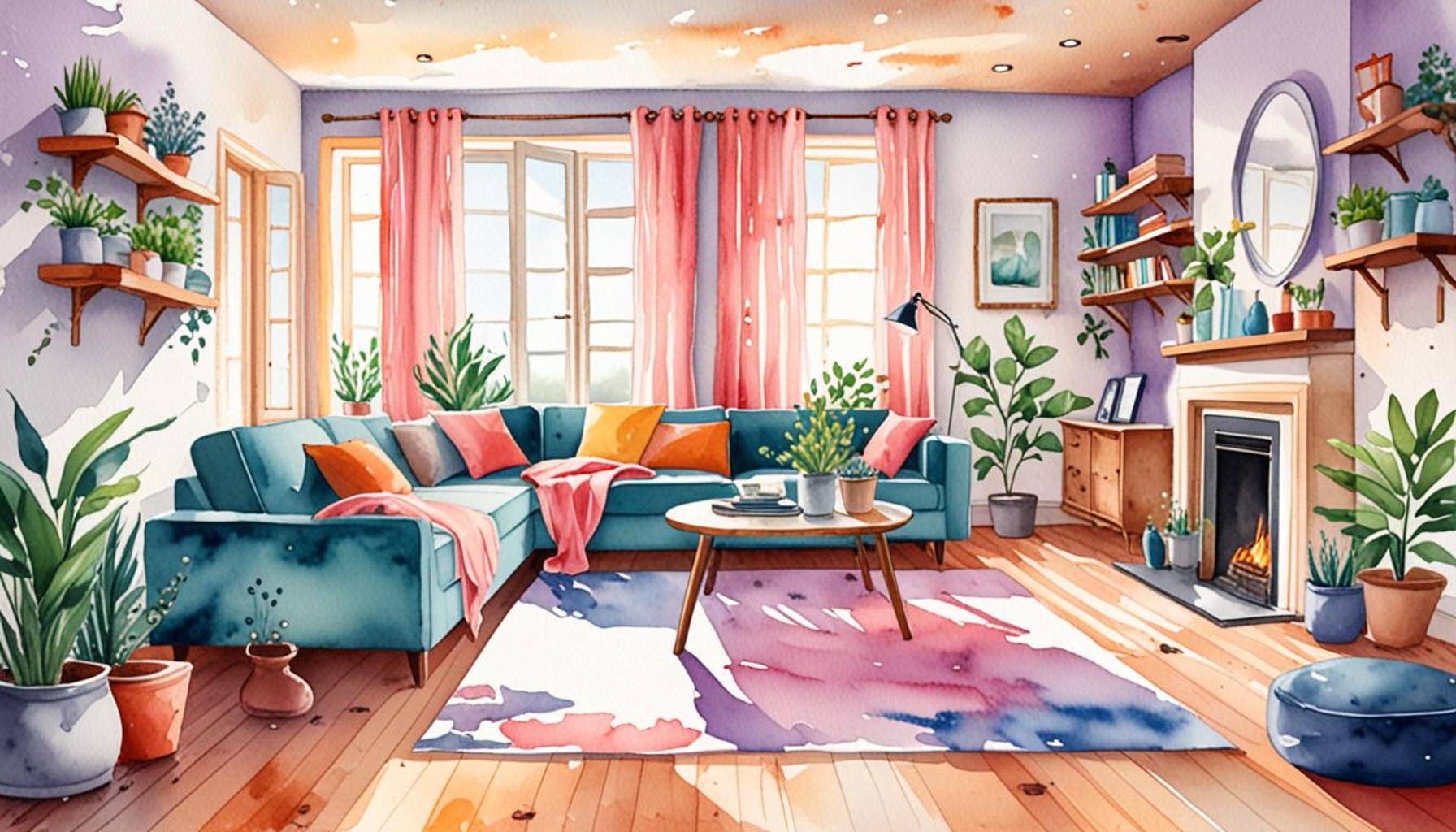
Adding natural elements to living spaces has proven to have profound effects on mental health and productivity. Incorporating houseplants not only purifies the air but also introduces a sense of tranquility and vitality. For instance, placing succulents on a windowsill or incorporating a small indoor garden can bring life into an otherwise sterile environment. Furthermore, maximizing daylight exposure through large windows or strategically positioned mirrors promotes a sunny disposition and enhances energy levels. Designing spaces to amplify natural light can transform the ambiance, making it inviting and warm.
The Transformative Impact
When combined, these elements can create a sanctuary that promotes both peace and productivity. A mindful atmosphere, as studies indicate, can lead to improved focus and reduced stress levels, making it an increasingly attractive option for urban dwellers grappling with the chaos of daily life. For instance, creating a serene work-from-home setup infused with personal touches can significantly elevate one’s work experience. Whether in a compact New York City apartment or a sprawling Los Angeles home, the principles of mindful living are universally applicable, reminding us that comfort and functionality can coexist harmoniously.
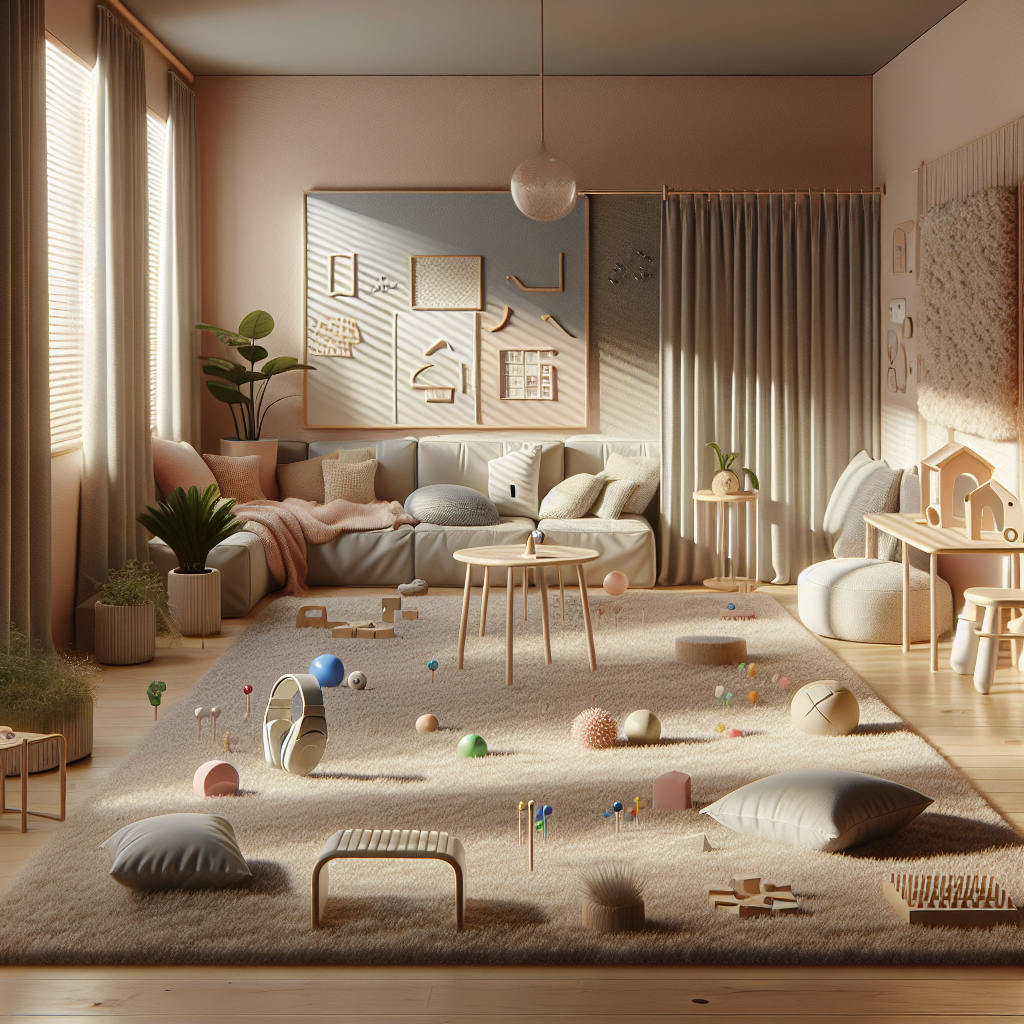
As we delve deeper into the practicalities of mindful living, we will discover innovative design choices that not only enhance the quality of life but also inspire a culture of appreciation for our surroundings. In a world that constantly demands our attention, creating mindful spaces offers a retreat where we can recharge and reconnect with what truly matters.
DISCOVER MORE: Click here to simplify your daily routine
A Harmony of Functionality and Comfort
As the mindful living movement gains traction, it beckons individuals to rethink their spaces, merging aesthetics with functionality to cultivate a sanctuary that resonates with their core values. Embracing this trend can inspire the creation of environments that not only serve everyday needs but also evoke a sense of warmth and belonging. Functional and cozy spaces are a direct reflection of the user’s lifestyle and emotional well-being, championing the idea that every object and area has a purpose that transcends mere utility.
Emphasizing Purposeful Furniture
In a mindful living context, furniture selection extends beyond mere trendiness—each piece must serve a dual purpose of utility and comfort. For instance, a plush sofa with built-in storage can declutter a living room while also providing a cozy spot for family gatherings or quiet evenings. In many urban homes, where space is at a premium, furniture that incorporates multiple functions becomes indispensable. Consider investing in:
- Convertible coffee tables: These can transform to accommodate work, dining, or even game nights.
- Ottomans with hidden storage: They offer a cozy footrest while also storing blankets or board games.
- Bookshelves with integrated seating: A reading nook that invites relaxation while showcasing your favorite reads.
By making intentional choices about the furniture that fills their spaces, individuals can create an atmosphere that balances comfort with efficiency, reflecting a mindful lifestyle. The integration of furniture that meets both functional and emotional needs fosters a nurturing environment, allowing for more meaningful interactions within the home.
Creating Distinct Zones
Another vital principle of mindful living is the creation of distinct zones within a single space. By delineating areas for various activities—such as relaxation, work, and socializing—individuals can instill a sense of harmony and purpose in their surroundings. This zoning can be achieved through a variety of design strategies:
- Area rugs: These can visually separate spaces while adding texture and warmth.
- Lighting variations: Different lighting options can help signify transitions between zones, such as task lighting in a workspace and soft ambient light in a relaxation area.
- Furniture arrangements: Arranging furniture to create intimate seating arrangements can facilitate conversation, while open layouts can promote movement and flow.
By thoughtfully organizing their spaces, individuals not only enhance the functionality of their homes but also create environments that can better accommodate their ever-changing lifestyles. Mindful zoning allows for improved focus during work hours, relaxation in the evenings, and fosters meaningful interactions during social gatherings.
The Role of Color and Texture
Lastly, an often-overlooked aspect of mindful living is the impact of color and texture on a space’s ambiance. The right hues can influence mood, while various textures can evoke feelings of warmth and familiarity. For instance, using calming shades of blue or green can create a tranquil atmosphere, making it ideal for bedrooms or home offices. Meanwhile, incorporating textures such as soft linens, woven baskets, or wooden accents can add depth and comfort to a space, fostering a sense of coziness. The thoughtful combination of colors and textures not only beautifies a home but also contributes to an overall atmosphere of serenity and mindfulness.
As we navigate the journey of mindful living, these design principles serve as a guide to transforming ordinary spaces into functional and cozy havens that truly resonate with their inhabitants. By embracing these concepts, individuals can cultivate environments that not only nurture their well-being but also enhance their daily experiences.
| Advantage | Detailed Insights |
|---|---|
| Enhanced Well-Being | Mindful living encourages surroundings that promote mental clarity and emotional balance, making spaces feel more harmonious. |
| Sustainable Choices | Embracing mindful principles leads to selections of eco-friendly materials and decor, enhancing the sustainability of your home and reducing its environmental impact. |
Mindful living inspires a shift in how we approach our spaces, focusing on the functional yet cozy aspects that create a sense of peace and comfort. For instance, the idea of “Enhanced Well-Being” emphasizes the importance of mindfulness in design, which prioritizes elements that nurture mental health and promote relaxation. By choosing calming colors, soft textures, and natural light, individuals can transform ordinary rooms into serene retreats.Furthermore, “Sustainable Choices” highlights the growing trend towards eco-conscious living, where the selection of furnishings and materials considers their impact on the environment. This transition not only fosters a cozier atmosphere but also cultivates a sense of responsibility towards nature.As interest in mindful living continues to grow, the integration of these principles into functional spaces can yield enriching and restorative environments that resonate with our deeper values. Exploring further into how these concepts can genuinely enhance our lived experiences invites a deeper commitment to crafting spaces that truly reflect who we are and what we cherish.
DIVE DEEPER: Click here to discover the transformative power of mindful living
Incorporating Natural Elements
As mindful living encourages a deeper connection with one’s surroundings, it paves the path for integrating natural elements into home design. Nature has an innate ability to instill peace and serenity, making it essential for creating functional and cozy spaces. Incorporating plants, natural light, and organic materials not only enhances aesthetics but also contributes to physical and mental well-being. Research indicates that exposure to greenery can enhance mood, reduce stress, and promote overall health. Here are some effective ways to invite nature indoors:
- Indoor plants: From low-maintenance succulents to vibrant snake plants, introducing greenery aids air quality and creates a soothing environment. Cacti, being trendy and stylish, can also add an element of flair to any room without requiring much care.
- Natural light: Maximizing the use of windows and skylights can significantly elevate the ambiance of a home. Natural light improves overall health and well-being, enhancing energy and focus. Consider using sheer curtains to allow light while maintaining privacy.
- Organic materials: Introducing materials such as bamboo, cork, and reclaimed wood contributes to a cozy atmosphere. They not only convey warmth but also emphasize sustainability, another key aspect of mindful living.
By embracing natural elements, individuals can create tranquil homes that echo a sense of harmony and vitality, reflecting a commitment to mindful living.
Minimalism and Decluttering
A core tenet of mindful living is minimalism, which advocates for simplicity and intentionality in the spaces we inhabit. An overabundance of items can create visual chaos, leading to increased stress and less functional spaces. Adopting a minimalist approach does not mean sacrificing comfort; rather, it involves curating spaces that focus on quality over quantity. Here are ways to implement minimalism in home design:
- Declutter regularly: Schedule regular intervals for decluttering. Discard or donate items that no longer serve a purpose or bring joy. This process not only frees up space but also offers a refreshing sense of clarity.
- Thoughtful purchases: Prioritize investing in high-quality, multifunctional items instead of impulsive buys. This approach ensures your space remains both practical and inviting.
- Simplified decor: Embrace a few select art pieces or decorative accents that reflect your personality rather than crowding walls with numerous items. This strategy allows for meaningful pieces to shine and contribute to a cohesive design.
Practicing minimalism allows smoother daily routines and fosters a calming environment. This intentional approach can empower individuals to create a functional home that remains cozy and inviting rather than overwhelming.
Mindful Organization Techniques
In the pursuit of functional living spaces, organization plays a pivotal role. Mindful organization techniques can transform the most chaotic corners into serene retreats, facilitating an easier flow of daily activities. The crux of effective organization lies in creating systems that are easy to maintain, promoting the seamless functionality of a home. Consider these techniques:
- Labeling systems: Implement labels for storage bins and areas, making it easy to find and return items to their places, ultimately reducing clutter and confusion.
- Vertical storage: Utilize vertical space with shelving units or wall hooks to maximize functionality, freeing up valuable floor space and promoting a more open feel.
- Time-saving zones: Establish areas for tasks within the home—think a designated spot for mail sorting or a dedicated nook for hobby supplies. This simplification fosters efficient living.
Applying these mindful organization techniques transforms not only the physical space but also the mindset of its occupants, leading to enriched experiences in everyday life. By cultivating purposeful and inviting spaces, the benefits of mindful living extend beyond aesthetics to touch every aspect of life.
DIVE DEEPER: Click here for effective decluttering strategies
Creative Reflections on Mindful Living
In conclusion, the journey towards creating functional and cozy spaces through mindful living is a transformative process that encompasses an awareness of our environment, intentional choices, and a profound respect for simplicity. By infusing natural elements into our homes—whether it’s through lush indoor plants or the warm embrace of organic materials—we not only enhance the aesthetic appeal but also cultivate a sanctuary that nourishes the mind and soul. The practice of minimalism further allows individuals to streamline their lives, prioritizing quality over quantity while fostering a calming atmosphere free from clutter.
Additionally, implementing mindful organization techniques elevates the functionality of any space, creating seamless transitions that make daily routines more manageable. As we engage with our surroundings through a conscious lens, we empower ourselves to embrace the beauty of simplicity and order, ultimately achieving a harmonious balance in our homes.
As you reflect on your living spaces, consider how these principles can be explored further. Experiment with different organizational systems, embark on a decluttering adventure, or invite greenery into your surroundings. Each small step contributes to a larger vision of a living space that is not only functional and cozy but also reflective of your journey towards mindful living. Through this exploration, you’ll find that the impact on your well-being extends beyond your home, inspiring a lifestyle enriched with clarity, purpose, and joy.