The Importance of Reducing Clutter in Mental Health and Well-Being

Understanding the Impact of Clutter on Mental Health
In our increasingly hectic lives, it’s easy to let clutter creep in, turning our homes and workspaces into chaotic mazes of disarray. A significant body of research indicates that maintaining an organized environment is not just a matter of aesthetics; it can profoundly affect our mental health and emotional well-being. The implications of clutter are far-reaching, as it intersects with various aspects of our lives, influencing both our mood and behavior.
Increased Anxiety: Numerous studies show that living in cluttered environments can heighten feelings of anxiety and overwhelm. When surrounding ourselves with piles of belongings, we may subconsciously internalize this disarray, which can lead to a sense of loss of control. For example, a 2010 study published in the journal *Current Psychology* found that individuals living in cluttered homes reported higher levels of perceived stress. This stress can exacerbate anxiety disorders, making it crucial to create spaces that promote peace of mind.
Decreased Productivity: The impact of clutter extends beyond just emotional health; it also severely hampers productivity. Cluttered workplaces, for instance, can diminish focus and distract from tasks at hand. A report from the Princeton University Neuroscience Institute highlighted that multiple stimuli in a cluttered environment can compete for our attention, leading to decreased cognitive capabilities. The average American adult spends more than eight hours a day in front of screens—whether at work or home—which can be further complicated by the distractions of a chaotic environment.
Emotional Overwhelm: Another critical aspect is decision fatigue, where the abundance of choices or overwhelming scenarios makes it increasingly difficult to make even simple decisions. This phenomenon can be particularly evident in areas like the kitchen, where a disorganized counter can deter meal preparation or inspire unhealthy eating habits. The process of decluttering, therefore, fosters a clearer mental state, allowing individuals to evaluate their options with less stress.
The journey towards a clutter-free life is not merely a chore but a pathway to enhancing our mental wellness. From urban apartments in bustling cities like New York to quaint homes in the suburbs, our living spaces can often become a reflection of our inner worlds. Taking proactive steps to declutter can support a healthier mindset, helping individuals focus on more important aspects of their lives, from relationships to personal goals.
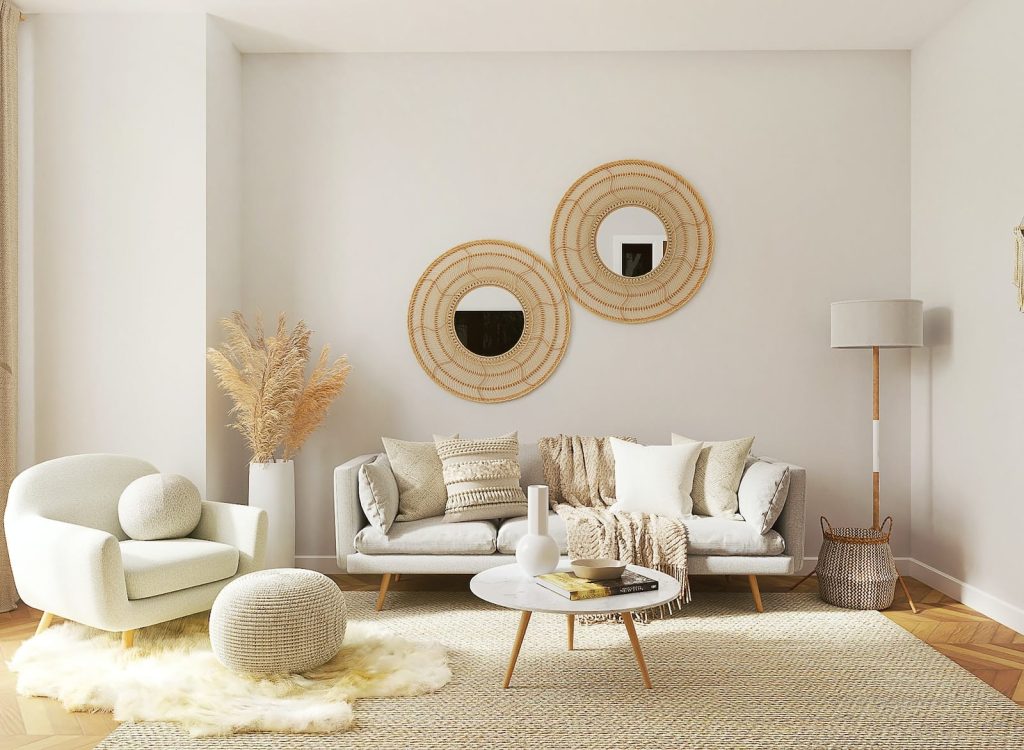
In our next segments, we will delve into practical strategies for decluttering and examine how creating a serene environment can positively influence psychological health. Join us as we explore actionable steps that can lead to a more organized and fulfilling life.
DIVE DEEPER: Click here to enhance your productivity
Strategies for Tackling Clutter and Its Psychological Impact
The link between clutter and mental health is powerful and can significantly influence how we navigate our daily lives. From the overwhelming pile of paperwork on a desk to the accumulation of belongings in a closet, clutter can serve as a constant source of distraction, contributing to a mental fog that hampers our ability to think clearly. To mitigate these negative effects, implementing effective decluttering strategies is essential.
1. Clear Out the Nook: Focusing on a specific area in your home can make the task of decluttering feel less daunting. Whether it’s a corner of the living room or your entire garage, start small. Breaking tasks into manageable chunks helps to prevent the feeling of being overwhelmed. According to a study published in *Journal of Environmental Psychology*, individuals who declutter areas of their home report significant improvements in mood and productivity within only a few days of organizing.
2. The Four-Box Method: A practical approach to tackling clutter is using the four-box method. Label four boxes as follows: “Keep,” “Donate,” “Trash,” and “Relocate.” This method allows you to categorize your belongings, making it easier to decide what to do with each item. As you sort through possessions, ask yourself whether each item adds value to your life or contributes to the clutter. Over time, this simple method can help create a habit of regularly reassessing what you truly need.
3. Set Decluttering Goals: Establishing specific goals can provide motivation and a sense of accomplishment. Setting a timeline for decluttering can also add structure to the process. For instance, you might commit to decluttering one room a week or dedicating just 15 minutes a day to the task. Research from *The American Journal of Lifestyle Medicine* indicates that regular, small efforts can lead to lasting organizational changes, cultivating a peaceful environment that nurtures mental clarity.
4. Mindfulness in the Process: Engaging in mindfulness while decluttering can heighten your awareness of not just the physical items, but also the emotional attachments associated with them. Take time to reflect on why you might be holding onto certain items. This introspection often unearths deeper psychological ties that can be addressed, leading to not only a clearer space but also a clearer mind.
5. Routine Maintenance: Once you’ve created a more organized living space, developing an ongoing maintenance routine is vital. Regular check-ins can prevent clutter from accumulating again. Consider establishing a weekly tidy-up day or employing a method where you ensure that for every new item brought into your home, something must go out. This principle of “one in, one out” helps maintain the balance you’ve worked hard to achieve.
Embracing these strategies does not simply create a tidy home; it nurtures mental fortitude and enhances your overall sense of well-being. According to a report by the National Institute of Mental Health, achieving a decluttered space can lead to decreased anxiety levels and improved cognitive performance. With solid strategies in hand, anyone can reclaim their mental space and pave the way towards a healthier, more serene lifestyle.
| Advantages | Impact on Mental Health |
|---|---|
| Enhanced Focus | A decluttered environment promotes better concentration and reduced distractions, leading to improved productivity. |
| Reduced Stress | Less clutter can significantly lower anxiety levels, creating a more peaceful living or working space, enhancing well-being. |
Eliminating clutter is not just about physical spaces, but it also reflects our mental state. When individuals embrace the process of reducing clutter, they often find themselves experiencing a surge of empowerment. This sense of control can translate into better decision-making and emotional well-being. Furthermore, studies link cleaner spaces with improved moods and heightened motivation levels, inviting individuals to pursue their goals without the burden of disorder weighing them down.Additionally, the act of organizing can serve as a therapeutic exercise. This practice not only fosters a sense of accomplishment but also trains the mind to seek clarity and order in larger life aspects. As individuals experience these psychological benefits, the importance of decluttering as a means of nurturing mental health and overall well-being becomes increasingly evident.
DISCOVER MORE: Click here for insightful practices
The Long-Term Benefits of a Clutter-Free Life
Reducing clutter can have far-reaching effects on mental health and overall well-being, extending beyond the immediate benefits of a tidy space. The psychological transformation that occurs with decluttering can lead to a more intentional, focused, and fulfilling lifestyle.
1. Enhanced Focus and Concentration: When surrounded by clutter, our brains can struggle to maintain focus. Research indicates that a clean and organized environment allows for greater concentration, facilitating more efficient cognitive functioning. A study conducted by researchers at the University of California, Los Angeles, found that individuals in organized spaces performed significantly better on cognitive tasks than those in cluttered surroundings. As a result, reducing clutter not only clears physical space but also maximizes mental capacity.
2. Stress Reduction: Clutter acts as a visual distraction, contributing to elevated stress levels. According to a survey by the National Association of Professional Organizers, 55% of people reported that clutter negatively impacts their mood and increases their stress. In contrast, maintaining an organized environment fosters a sense of control and clarity. The act of decluttering can serve as a form of self-care, providing an opportunity to reclaim personal space and promote relaxation.
3. Improved Sleep Quality: There is a notable connection between a cluttered bedroom and sleep disturbances. Research from the Sleep Foundation indicates that individuals sleeping in disorganized environments report more difficulty falling asleep and staying asleep. A decluttered sleeping area fosters a calming atmosphere conducive to rest, allowing for improved sleep hygiene. This change not only enhances overall mood but also positively affects physical health, making better mental and physical health achievable.
4. Strengthening Relationships: Clutter can also place strain on relationships. When household members feel overwhelmed by disorganization, feelings of frustration can arise, leading to conflicts. Engaging in decluttering as a family or with roommates can foster teamwork, communication, and a stronger sense of community among those living together. According to a study by the American Psychological Association, shared tasks, including organizing spaces, can enhance relationships and lead to better emotional well-being.
5. Boosted Creativity: An organized space can act as a catalyst for creativity. When your environment is clutter-free, it allows for better access to creative ideas and potential. Many artists and writers have noted that a tidy workspace leads to increased inspiration and productivity. As cited in a report from the International Journal of Design, clutter can inhibit creative processes, while organized spaces can release the mind to think more freely and innovatively.
Understanding the profound psychological benefits of reducing clutter highlights its importance in promoting mental health and well-being. By embracing a clutter-free lifestyle, individuals can foster not only a more serene environment but also unlock their full potential in various aspects of life. Each step taken towards decluttering represents a step towards clarity, control, and a more blissful existence.
DISCOVER MORE: Click here to learn how decluttering can improve your well-being
Final Thoughts: Embracing a Clutter-Free Life
In conclusion, the journey toward a clutter-free existence is not merely about aesthetics or organization; it is a transformative process that significantly enhances mental health and well-being. Through the elimination of clutter, individuals are empowered to cultivate a sense of calm, focus, and increased productivity in their daily lives.
The myriad benefits, such as improved focus and concentration, stress reduction, and better sleep quality, are firmly backed by research and real-life experiences. Our mental landscape is inextricably linked to our physical environment, and by creating a space that reflects clarity and intention, we can genuinely uplift our moods and strengthen our relationships. Embracing decluttering as a tool for self-care sets the stage for deeper connections and enhanced creativity, unlocking reservoirs of potential that may have been stifled under the weight of disorganization.
Moreover, the cultural shift towards minimalism and mindfulness in recent years points to a growing recognition of the importance of reducing clutter for a balanced life. In our fast-paced society, where distractions abound, it becomes increasingly essential to create havens of tranquility that nurture our mental wellness. As you consider embarking on this decluttering journey, remember that each small step contributes to a larger picture of personal empowerment, emotional resilience, and holistic health. Your steps toward a less cluttered life can lead to greater joy and fulfillment—an investment well worth making.