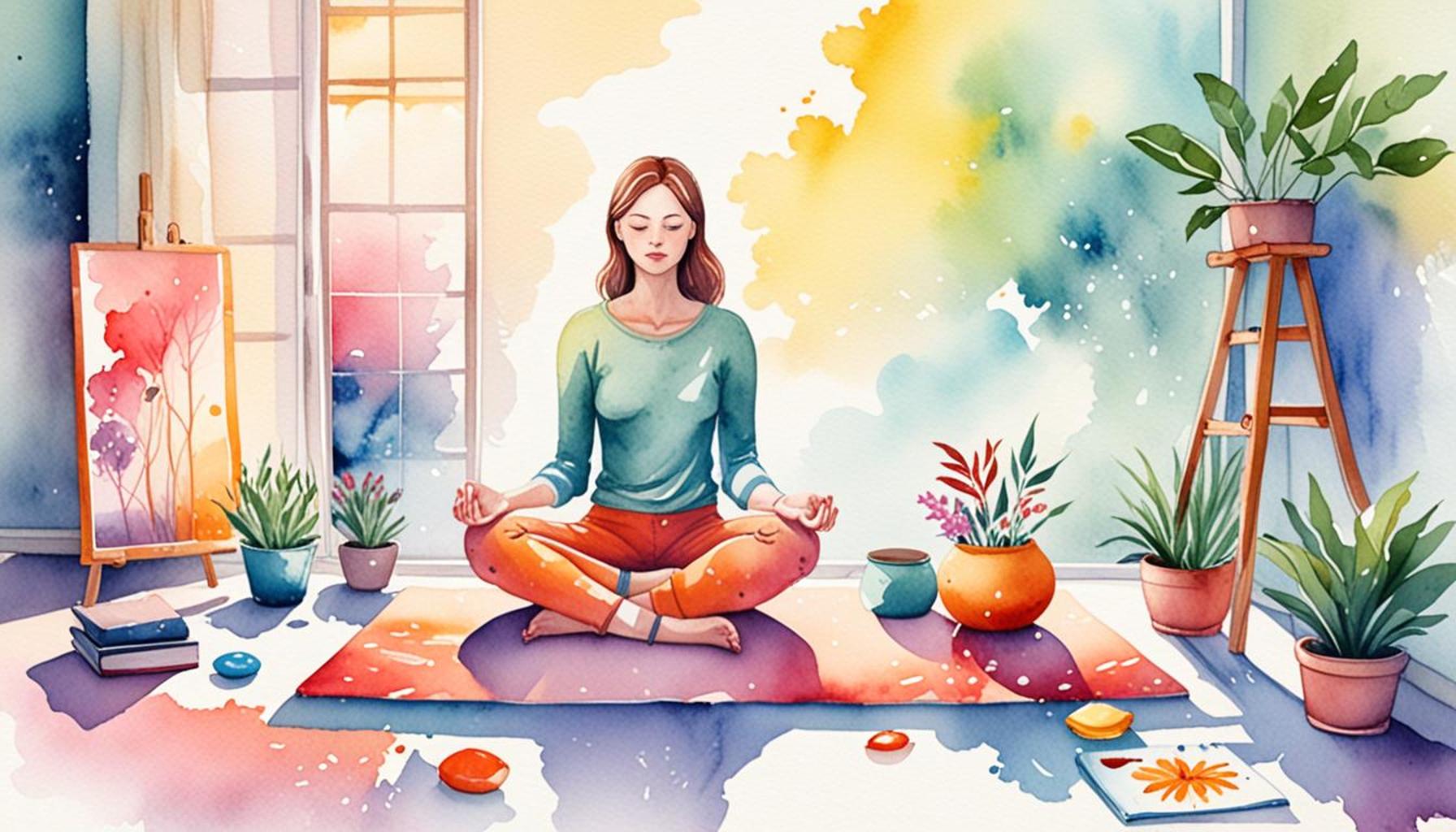
Deconstructing Chaos: Mindful Living Practices to Organize Your Space and Your Mind

The Art of Mindful Living
In an age where multitasking is the norm and distractions abound, many individuals find themselves struggling to maintain equilibrium in their daily lives. With the increase in remote work and digital interactions, it’s easy for physical and mental clutter to accumulate. This clutter creates a feedback loop that often leads to increased anxiety and a diminished ability to focus. Embracing mindful living practices serves as an effective antidote to this chaos, offering a structured approach that encourages both physical organization and mental clarity.
The intricate relationship between our physical environments and mental states cannot be overstated. Consider the ways in which your home, workspace, or even your digital devices can impact your emotions and thoughts. For example, a disorganized desk filled with papers and unreturned emails might not only distract you but also evoke feelings of stress and inadequacy. By tackling this disorder systematically, you can cultivate a more serene mental state and engage with your tasks more effectively.
- Organization Techniques: Utilizing strategies like decluttering and minimalism can significantly influence your mental clarity. For instance, the minimalist approach encourages keeping only those items that truly add value to your life. Rather than accumulating possessions, you focus on quality over quantity, which in turn, alleviates the burden of excess physical goods. Regularly practicing the “one in, one out” rule—where you let go of one item for every new one you acquire—helps maintain this simplicity.
- Mindfulness Practices: Engaging in activities such as meditation, yoga, or journaling can ground you in the present moment. This not only fosters awareness but can also unveil underlying thoughts and emotions that demand attention. Even dedicating ten minutes a day to deep breathing or mindful writing can provide clarity and reduce feelings of overwhelm.
- Environmental Awareness: Your surroundings greatly influence your sense of peace. Consider transforming a cluttered room into a sanctuary filled with soft lighting, calming colors, and natural elements like plants. Research indicates that spending time in nature or creating biophilic designs in interiors can lower stress and enhance well-being, making the spaces we occupy integral to our mental health.
As you embark on the journey of deconstructing chaos, reflect on what your ideal living environment looks like. What if your home could serve as a sanctuary—a retreat from daily tensions rather than a source of anxiety? Small, mindful changes can lead to a ripple effect that impacts your entire life.
We invite you to explore effective methods for both organizing your physical spaces and refining your mental framework. By embracing mindful living practices, you may unlock a new perspective that enhances your overall quality of life—allowing you to engage with your surroundings and your thoughts in a deeper, more fulfilling way.
Thus, the question becomes not just about living, but how you choose to live—mindfully and intentionally. The changes you choose to implement today may well pave the way for a tomorrow filled with clarity, peace, and creativity. So start small, be patient with yourself, and watch as the chaos begins to transform into calm.

DIVE DEEPER: Click here to learn how to boost workplace efficiency
Finding Order in Disarray
While life unfolds into a whirlwind of responsibilities, it is vital to recognize the impact of our surroundings on our psyche. The physical space we inhabit serves as a reflection of our internal landscape; cluttered environments often mirror a cluttered mind. This connection underscores the necessity of adopting mindful living practices that not only streamline our physical spaces but also bring clarity to our cognitive processes. As we delve into the world of mindful organization, let’s discover effective strategies that can help restore balance to both our homes and our minds.
Decluttering is the cornerstone of establishing order. Begin by assessing your belongings through an objective lens. Ask yourself critical questions: Do you truly need this item? Does it serve a purpose or bring you joy? Implementing a regular decluttering schedule can help maintain a sense of space that fosters creativity and tranquility. A useful technique is the Four-Box Method—designating four boxes labeled “Keep,” “Donate,” “Trash,” and “Maybe.” This method encourages you to categorize items judiciously, reducing decision fatigue while facilitating a streamlined space.
Additionally, it’s essential to consider the layout of your environment. A well-organized space not only enhances productivity but also boosts your mood. Think about how you move through your home or office. Are there frequent obstacles? Are items easily accessible when needed? Consider the principle of Feng Shui, which emphasizes harmony and flow within a space. Strategic placement of furniture and decor can create a sense of peace, making a profound difference in your overall well-being.
- Personalized Spaces: Invest time in crafting areas that resonate with you. Whether it’s a cozy reading nook adorned with plants or a workspace with inspirational quotes, your environment should reflect your personality and passions.
- Digital Decluttering: Just as physical spaces require organization, so do our digital lives. Unsubscribe from unnecessary emails, delete unused apps, and regularly back up important files. A streamlined digital workspace helps to reduce cognitive overload and enables complete focus.
- Mindful Maintenance: Establish rituals for maintaining order. The two-minute rule is a practical approach: if a task will take less than two minutes, do it immediately. This habit prevents minor annoyances from accumulating into overwhelming chaos.
Ultimately, the practice of mindful living aligns with the broader goal of personal growth and self-awareness. By actively engaging in the process of deconstructing chaos—both externally and internally—you create an environment that nurtures your mental clarity and emotional well-being. As the clutter fades away, you may discover new pathways to creativity, productivity, and personal fulfillment.
In the coming sections, we will explore additional mindfulness practices that can further support this journey toward a simplified existence. From effortless daily routines to the benefits of meditation, each step brings us closer to a life that radiates balance and tranquility.
| Mindful Space Organization | Benefits of Decluttering |
|---|---|
| Enhances Focus | Scientifically backed evidence suggests that a clutter-free environment leads to improved concentration and productivity. |
| Promotes Mental Clarity | Reducing distractions fosters a more peaceful and clear mindset, allowing for better decision-making. |
| Creates a Harmonious Environment | Mindful organization transforms spaces, inspiring creativity and a sense of serenity. |
| Encourages Sustainable Practices | By embracing minimalism, one can make more environmentally responsible choices that limit waste. |
Engaging with these principles not only transforms your living space but also facilitates a substantial shift in your mental landscape. The practice of deconstructing chaos provides a dual approach that acknowledges the interplay between physical space and mental well-being. Adopting these mindful living practices can lead to a ripple effect, enhancing not only personal clarity and focus but also fostering more positive interactions with those around you. This approach reveals an essential connection between mind and environment, suggesting that our spaces deeply influence our thoughts and feelings.
DISCOVER MORE: Click here to learn how to simplify your focus
Creating a Sustainable Mindful Environment
To truly embody the essence of mindful living, we must extend our efforts beyond decluttering and organization. This journey involves creating a sustainable environment that continuously nurtures our mental clarity and emotional readiness. One crucial aspect of this journey is establishing mindful routines that are in harmony with our living spaces and our daily lives. These routines serve as the backbone of maintaining order and reducing chaos both physically and mentally.
One essential component of a sustainable mindful environment is the incorporation of natural elements. Studies have shown that having plants and greenery in our spaces can significantly lower stress levels and enhance mood. The presence of plants not only beautifies a space but serves as a reminder of life’s vitality and resilience. Consider adding low-maintenance options such as succulents, snake plants, or pothos, which thrive indoors and require minimal attention while providing maximum benefits.
Another practice to consider is the organization of your time. Synchronizing your daily activities with your environment can significantly heighten your sense of control and peace. Break your day into focused blocks of time, interspersed with mindful breaks. The Pomodoro Technique, for example, involves working for 25 minutes, followed by a 5-minute break. This method not only enhances productivity but also offers a chance to step away from your tasks, allowing your mind to reset and stay organized.
- Journaling: Incorporate journaling into your routine. Documenting your thoughts and feelings can help clear mental clutter, providing clarity over time. This practice can aid in identifying patterns or areas of your life that need attention or change.
- Mindful Eating: Transitioning into mindful eating practices can also play an essential role in your overall sense of organization. Pay attention to the meals you consume, focusing on the experience of taste, texture, and aromas. Distraction-free meals encourage a sense of presence and satisfaction, enhancing your overall well-being.
- Weekly Reflection: Dedicate one day a week to reflect on your achievements and challenges. Utilize this time to reassess your goals, both in your physical space and personal aspirations. This practice fosters a habit of continuous improvement, allowing room for growth in both organization and mindfulness.
Navigating personal relationships also requires a mindful approach. Surround yourself with individuals who support your desire for clarity and organization. Emotional clutter can be as demanding as physical chaos, so nurturing relationships that lift you up is invaluable. Engage in open conversations that foster understanding and reduce misunderstandings, thus minimizing emotional turmoil.
Incorporating mindful living practices is about more than merely organizing a space—it is about transforming your interaction with it. By recognizing that your physical environment and mental state are intertwined, you take a significant step toward holistic well-being. By consistently applying these practices, not only does your space become a source of peace, but your mind finds a similar calm, paving the way for creativity and meaningful living. With each intentional choice, you build a life and workspace that rises above chaos and into clarity.
DISCOVER MORE: Click here to transform your life
Embracing Mindful Living for Lasting Change
As we delve into the intricacies of deconstructing chaos, it becomes evident that the journey toward mindful living is deeply transformative—not just for our physical spaces, but for our mental landscapes as well. The symbiotic relationship between an organized environment and a clear mind is palpable. By integrating practices such as journaling, mindful eating, and weekly reflections, we cultivate habits that foster both personal growth and tranquility.
Moreover, the inclusion of natural elements in our surroundings serves not only as aesthetics but as vital tools for enhancing our emotional well-being. Imagine entering a space alive with greenery, a visual reminder that nature thrives amid disorder—a revitalizing force that encourages us to breathe, relax, and declutter our minds. Sustainability in our routines and relationships also nurtures clarity, making it imperative to surround ourselves with positive influences that align with our values.
Ultimately, committed practice of these mindful living strategies empowers individuals to reclaim their life from the grips of chaos. This process isn’t merely about physical organization; it’s about tuning into our inner selves, creating a conscious lifestyle that prioritizes awareness and intention. As we forge connections between our environment and our mental state, we unlock the potential for creativity and joy, allowing us to rise above the cacophony of modern life. In this intricate dance of mindfulness, each step leads us closer to harmony, both within and around us.