The Importance of Natural Light in Organizing Minimalist Spaces
Understanding the Power of Natural Light
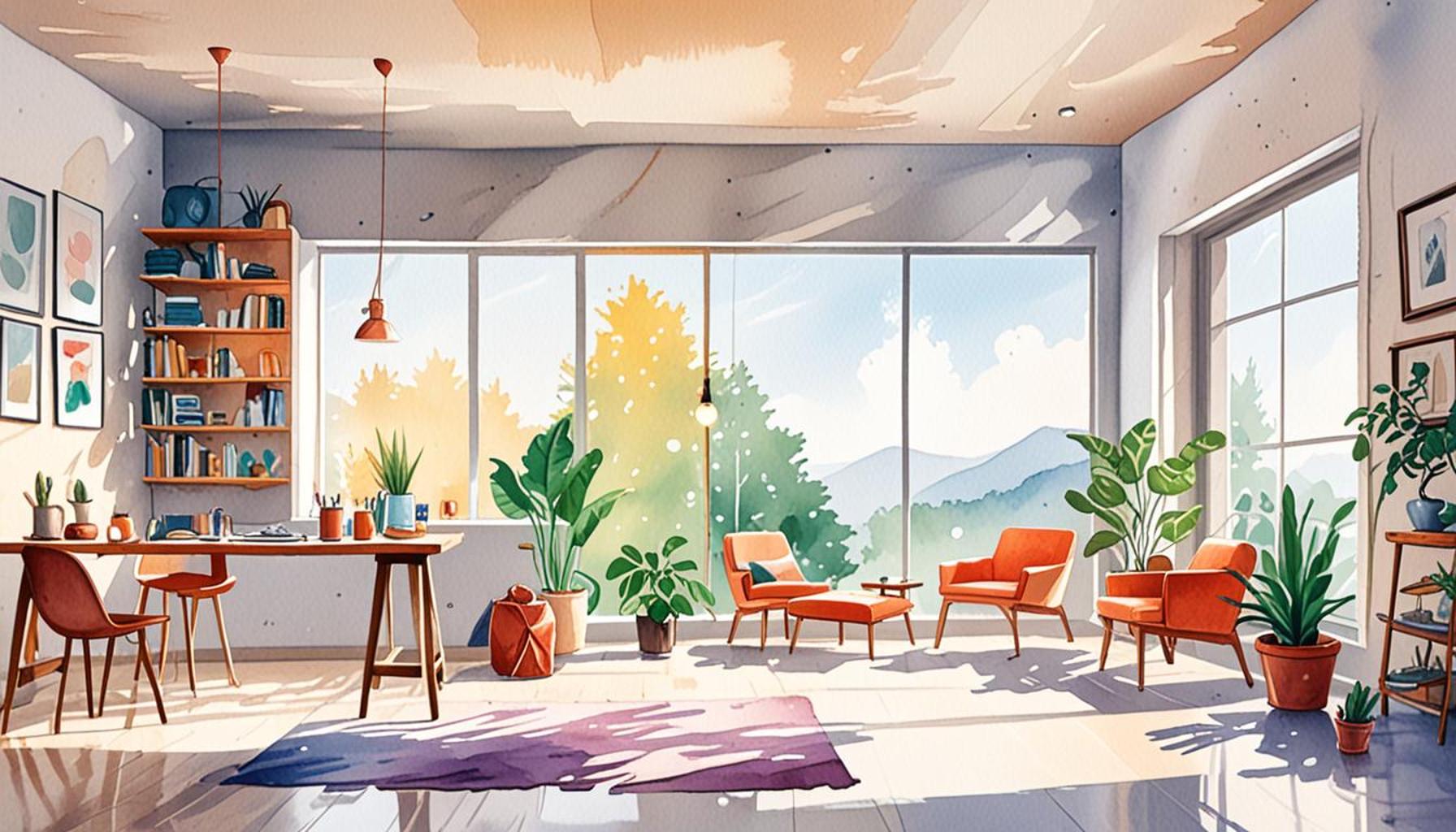
Natural light plays a critical role in shaping our environments, especially within minimalist spaces. It not only enhances aesthetic appeal but also influences mood and productivity. In a world overflowing with distractions, harnessing natural light is essential for cultivating clarity and calm, creating an atmosphere that is conducive to relaxation and focus.
Consider the following benefits of integrating natural light into minimalist design:
- Visual Expansion: Sunlight extends the feeling of openness, making small spaces appear larger. For example, a compact studio apartment can feel airy and spacious when bathed in natural light, as opposed to the confinement often felt in poorly lit areas. Large windows or strategically placed mirrors can reflect this light, enhancing the illusion of space.
- Energy Efficiency: Utilizing daylight reduces the need for artificial lighting, which can lower energy bills. By maximizing the use of windows, skylights, or even light tubes, homeowners can significantly cut their electricity usage. This is particularly beneficial in regions with high electricity costs, where even modest savings can lead to substantial financial relief.
- Emotional Well-Being: Exposure to natural light boosts serotonin levels, contributing to better mental health. Studies have shown that individuals who work in naturally lit environments frequently report higher levels of satisfaction and productivity. Furthermore, those who spend ample time outdoors, basking in sunlight, may experience reduced symptoms of depression and anxiety.
In the United States, where lifestyle choices are gravitating towards sustainability and simplicity, the influence of natural light cannot be overstated. The movement towards open floor plans, minimalistic furniture, and large glass doors reflects a growing understanding of how natural light can transform spaces. It is clear that well-organized areas benefit tremendously from sunlight, which can elevate an ordinary living room into an extraordinary focal point that becomes the heart of the home.
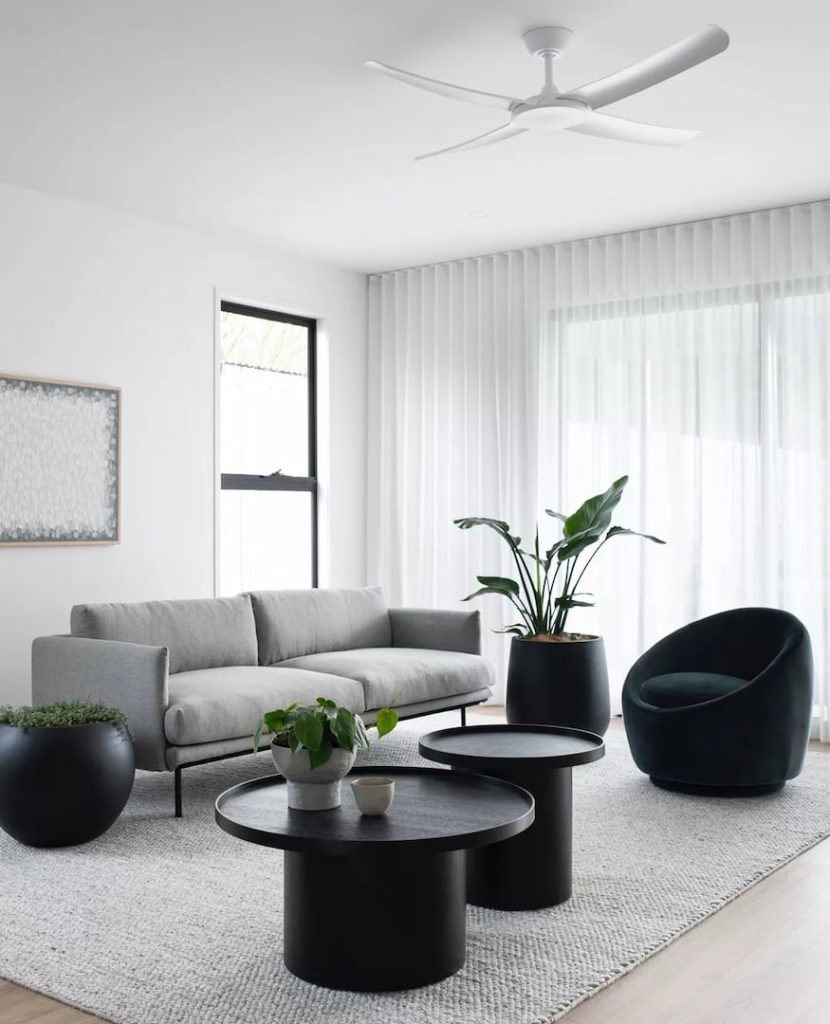
Exploring the importance of natural light reveals its multifaceted advantages. By adopting design principles that prioritize light, such as using light-colored furniture or opting for sheer window treatments, one can further cultivate a serene and inviting atmosphere. Additionally, choosing plants that thrive in natural light can boost air quality while beautifully complementing the decor.
This guide will delve deeper into how to effectively utilize natural light, enhancing both the functionality and beauty of minimalist interiors. From selecting the right window treatments to understanding the optimal placements for windows, readers can discover innovative ways to embrace the sun’s rays, creating spaces that are not only visually appealing but also profoundly uplifting.
DISCOVER MORE: Click here to transform your perspective
Maximizing Natural Light: Techniques and Tips
Integrating natural light into minimalist spaces involves thoughtful planning and design strategies that prioritize luminosity while maintaining simplicity. In the quest for minimalist aesthetics, busy visual elements are often eliminated, leaving ample room for light to shine. This process not only enhances the overall environment but also encourages a healthier, more tranquil lifestyle. Here are some essential techniques to effectively maximize natural light in your minimalist design:
- Window Orientation: When designing or choosing a space, it is crucial to consider the orientation of windows. Ideally, south-facing windows capture the most sunlight throughout the day. This positioning not only brightens up the room but also allows for warmer temperatures, reducing heating costs during the winter months.
- Open Layouts: Embracing an open floor plan can significantly enhance the flow of natural light throughout your home. Rather than compartmentalizing spaces with closed-off rooms, an open layout encourages seamless transitions and maximizes light penetration across various areas.
- Light-Reflective Surfaces: Utilizing light-colored or reflective materials for walls, furniture, and flooring can help amplify the reach of daylight. Shades like whites, soft pastels, or even light woods contribute to a brighter environment while maintaining a streamlined aesthetic. Mirrors can also play a pivotal role in reflecting sunlight, further illuminating darker corners.
- Minimal Window Treatments: Opting for sheer blinds or no window treatments at all allows natural light to flow freely while providing privacy. Heavy drapes can obstruct light and create a sense of confinement, which contradicts the essence of minimalism.
Employing these techniques creates an ambiance that is both stylish and functional, bringing out the best qualities of your minimalist space. Furthermore, the interaction of natural light with minimalist decor may heighten your home’s visual appeal and invoke a sense of harmony.
Another vital aspect of harnessing natural light is understanding seasonal changes and their impact on illumination levels. For instance, during summer months, the sun’s higher position can lead to an overwhelming amount of light in certain rooms, making glare a concern. In contrast, shorter winter days may necessitate creative strategies to harvest as much light as possible. A permitted understanding of these dynamics enables homeowners to adjust their décor accordingly, ensuring that spaces remain bright and inviting year-round.
Incorporating plants into your minimalist design is another way to complement the effects of natural light while enhancing your living environment. Not only do plants require sunlight for growth, but they also serve as natural air purifiers, making them a perfect fit for well-lit minimalist spaces. By selecting plants suited for indirect light or low light, one can cultivate a lush atmosphere without overwhelming the open simplicity of the design.
As we continue to explore creative ways to embrace natural light, it becomes evident that it is not merely a design element but a fundamental feature of minimalist living. By prioritizing brightness, individuals can create spaces that are not only functional but uplifting, embodying the true spirit of minimalism.
Natural light plays a pivotal role in creating and sustaining minimalist spaces, enhancing both aesthetics and utility. One of the foremost advantages of harnessing natural light is its astounding ability to make spaces appear larger and more open. This optical illusion is particularly beneficial in minimalist design, which prioritizes simplicity and functionality. With carefully considered window placements and open layouts, an influx of sunlight can transform even the smallest quarters into airy retreats.Moreover, the psychological benefits of natural light cannot be underestimated. Studies have shown that exposure to sunlight significantly boosts mood and productivity. In minimalist spaces, where every element is intentional, the emotional impact of a bright, sunlit room can elevate the living experience. The warm glow of sunlight creates an inviting ambience that encourages relaxation and clarity of thought, making it an invaluable component of home organization.When designing minimalist spaces, it’s essential to adopt strategies that maximize natural light. For instance, using light, reflective colors on walls and furnishings can enhance brightness and minimize shadows. Additionally, incorporating glass doors and streamlined window treatments aids in creating an uninterrupted flow of light throughout the area. These design elements not only reinforce minimalism but truly celebrate the essence of natural light, inviting the outdoors in while maintaining an uncluttered and serene environment. As you explore the intersection of natural light and minimalist design, consider how thoughtfully chosen furnishings and layouts can further amplify the soothing impact of sunlight in your home. This harmonious relationship not only contributes to visual appeal but also promotes a lifestyle centered on simplicity, well-being, and functional beauty.
DIVE DEEPER: Click here to discover how minimalism can enhance your productivity
Creating a Connection with Nature
Integrating natural light into minimalist spaces goes beyond mere aesthetics; it taps into our primal connection with nature. The psychological effects of natural light cannot be understated. Numerous studies suggest that exposure to daylight can significantly enhance mood, reduce stress levels, and improve overall mental health. In minimalist designs, where serenity and focus are paramount, the infusion of natural light not only supports these mental benefits but significantly elevates the living experience.
One compelling reason to prioritize natural light is its ability to contribute to a sustainable lifestyle. By utilizing daylight, homeowners can reduce dependency on artificial lighting, thus lowering energy consumption. According to the U.S. Department of Energy, well-placed windows can decrease lighting costs by nearly 50%. This is especially relevant in minimalist designs that often emphasize sustainability and eco-friendliness. By reducing reliance on electric light sources, minimalist spaces can maintain an interior that is both chic and environmentally responsible.
The Role of Color and Light in Minimalist Spaces
The interplay between color and natural light cannot be overlooked. When integrating natural light in minimalist interiors, choosing a color palette that complements the lighting dynamics becomes essential. For example, incorporating soft, neutral hues allows natural light to reflect authentically without clashing or overpowering the minimalist design. Light tones, such as whites, beiges, and pale pastels have the unique ability to enhance the brightness of a space without adding visual clutter.
The concept of light layering also plays a vital role in achieving harmonious interiors. In minimalist designs, layering natural light involves considering the multitude of ways light can filter in and affect the space at different times of the day. For instance, positioning mirrors and reflective surfaces strategically can extend the reach of sunlight, creating a luminous effect that evolves from dawn to dusk. This type of thoughtful design prompts homeowners to interact with their spaces dynamically, fostering a deeper appreciation of their surroundings.
Natural Light and Ergonomics
Natural light also brings ergonomic benefits to minimalist spaces, which strive to maintain a clean and uncluttered aesthetic. The inclusion of ample natural light can strengthen the functionality of these environments by enhancing visibility and reducing eye strain. This is particularly important in workspaces within the home. According to research by the Pacific Northwest National Laboratory, employees with access to natural daylight reported a 15% increase in productivity. For minimalist homeowners, this means that well-lit spaces can improve efficiency without compromising on style.
Adapting Minimalist Spaces to Seasonal Changes
Being aware of how seasons and weather patterns impact natural light is essential for maintaining a minimalist space that feels inviting year-round. Homeowners can strategically arrange furniture and decor to respond to seasonal shifts in sunlight. For instance, in the winter months when daylight is scant, consider adjusting your setup to capture every ounce of available light, such as rearranging furniture to prevent shadows and ensure even illumination. During the summer, the use of plants with adaptations for high light can be mixed with shaded areas to create a balanced space that feels refreshed.
In sum, when embraced as an integral component of minimalist design, natural light not only promotes aesthetic simplicity but also enhances well-being, encourages sustainability, and optimizes the functionality of living spaces. With the right techniques, it transforms a stark environment into a harmonious sanctuary that invites creativity and relaxation.
DIVE DEEPER: Click here to uncover minimalist secrets
Conclusion
In conclusion, the significance of natural light in organizing minimalist spaces cannot be overstated. By utilizing the abundant resource of daylight, homeowners can create environments that foster both tranquility and functionality. The psychological benefits, including enhanced mood and reduced stress levels, are pivotal in a world where mental health is of utmost importance. Moreover, the integration of natural light contributes to sustainability, aligning with the minimalist philosophy of reducing waste and energy consumption.
Moreover, the thoughtful incorporation of color and the strategic layering of light not only enhance the visual appeal of minimalist interiors but also encourage dynamic interactions between space and inhabitant. As established through research, the advantages extend to increased productivity in home workspaces, proving that design choices are intrinsically linked to performance and well-being.
As we embrace changing seasons and varying sunlight dynamics, adapting our spaces to maximize natural light becomes crucial. To truly grasp the essence of minimalist design, we must engage with our environment actively and creatively. Ultimately, natural light serves as more than a mere design element—it is a vital tool that enriches our living spaces and nurtures our connection to the natural world. Thus, those embarking on minimalist journeys should prioritize the incorporation of natural light, as it cultivates not just aesthetic simplicity, but a holistic approach to living well.