Transform Your Life Mindful Livings Impact on Organization Minimalism
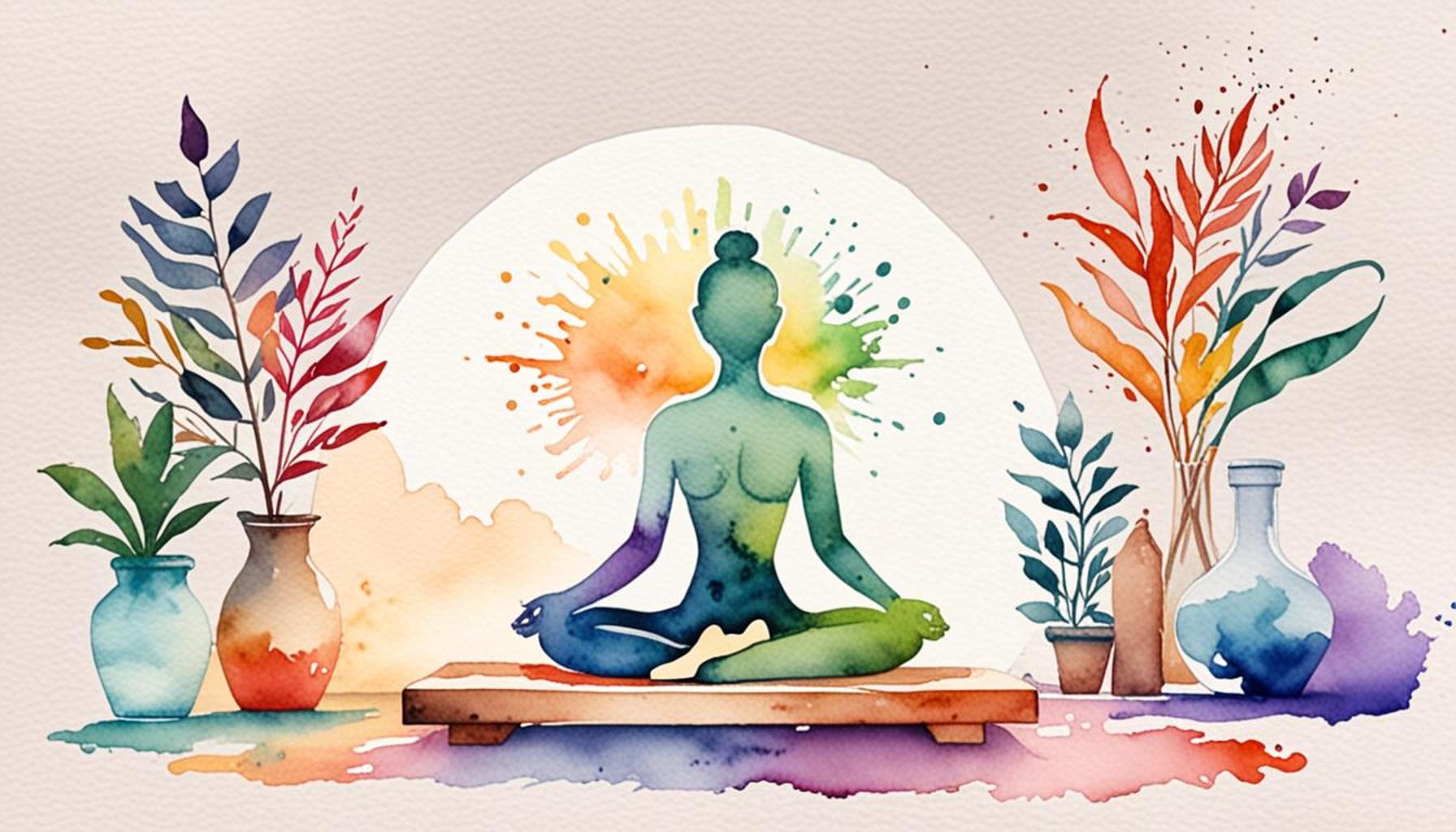
In a world overflowing with distractions and material possessions, adopting a mindful living approach has become essential for many seeking clarity and purpose. This philosophy promotes a deeper awareness of our surroundings and choices, ultimately influencing how we organize our lives and embrace minimalism. By integrating mindfulness into our daily routines, we can regain control over our living spaces and mental landscapes.
The benefits of mindful living extend far beyond simple decluttering. Embracing this practice can facilitate:
- Improved Focus: Mindfulness enhances our ability to concentrate on tasks, allowing for better organization.
- Emotional Well-being: A clearer, minimalist environment can reduce stress and anxiety.
- Cultivated Awareness: Mindfulness encourages us to evaluate what truly adds value to our lives.
As we delve deeper into the relationship between mindfulness, organization, and minimalism, we will explore how these principles can transform our lives. Prepare to discover the Top 5 ways mindful living influences personal organization and supports a minimalist lifestyle.
Top 5: Mindful Living – How Awareness Can Transform Organization and Minimalism
In today’s fast-paced world, the concept of mindfulness has taken center stage, particularly in the realms of organization and minimalism. By embracing a mindful lifestyle, individuals can significantly shift their perspectives on material possessions and personal space. This article ranks the top five ways mindful living can facilitate a transformative journey toward a simpler and more organized life. Let’s explore how increasing awareness in our daily lives can redefine our approach to clutter, organization, and overall well-being.
5. Encouraging Intentional Consumption
One of the fundamental principles of minimalism is intentionality, and this is where mindful living plays a key role. When individuals become more aware of their consumption habits, they start to question their motivations behind purchases. Mindful consumption encourages individuals to consider the necessity, value, and emotional significance of each item they bring into their homes.
- Avoid impulse buying by creating a waiting period before a purchase.
- Identify your true needs versus wants in your living space.
- Focus on quality over quantity when acquiring new items.
Intent with purchases does not only affect the organization of physical space; it also strongly influences one’s financial health. By resisting the impulse to buy immediately, people find themselves more financially stable and less prone to buyer’s remorse. Furthermore, intentional consumption alleviates the guilt associated with less-than-necessary purchases, ensuring each acquisition fully satisfies a specific, thoughtful purpose.
By cultivating intentional consumption habits, people can reduce clutter, simplify their lives, and contribute less to consumer waste, thereby aligning their actions with a minimalist philosophy. This practice supports environmental sustainability by decreasing the demand for unnecessary goods, leading to a more eco-conscious lifestyle.
4. Creating Decluttering Rituals
Mindfulness can serve as a wonderful catalyst for decluttering. By developing daily or weekly rituals centered around letting go of items that no longer serve a purpose, individuals can find balance and peace in their environments. Decluttering rituals often involve meditative practices, where focus is given to the feelings associated with each item and the space it occupies. This emotional examination can lead to more informed and conscious decisions about what to keep and what to release.
These rituals can take various forms, such as setting aside a specific time each week to assess and organize different parts of the home or even enlisting the help of family members to make it a collective effort. Decluttering can be approached with gratitude and respect for each item’s past utility, which transforms the process from a tedious chore into a meaningful engagement with one’s possessions.
- Promote emotional healing by addressing attachments to items.
- Facilitate more frequent assessments of overall living conditions.
- Enhance productivity by creating a serene workspace free of distractions.
Engaging in regular decluttering rituals allows individuals to actively manage their environment, ensuring that it remains a place of peace and productivity. As these rituals become ingrained into a person’s routine, decluttering transcends mere cleaning; it becomes a practice of mindfulness and awareness.
3. Fostering Gratitude for Simplicity
Another salient aspect of mindful living is the ability to appreciate the simple aspects of life. When one actively practices gratitude, it shifts the focus from what we lack to what we already have. This transformation in perspective can lead to a profound appreciation for simplicity, which is at the heart of both minimalism and organization. By acknowledging the value of items and experiences, instead of just their quantity, individuals can cultivate a heightened sense of awareness.
One powerful method of fostering gratitude is through maintaining a gratitude journal, which encourages the regular reflection on simple joys and fulfilled needs, rather than unfulfilled wants. This practice can extend to everyday activities, such as savoring a meal rather than hurrying through it or taking a moment to appreciate a quiet space before plunging into the day’s work.
- Keeping a gratitude journal to reflect on why simplicity matters.
- Practicing mindfulness exercises that focus on appreciating surroundings.
- Sharing your appreciation with others, fostering a minimalistic mindset.
By sharing gratitude with others, individuals can reinforce their own awareness and inspire those around them to adopt similar practices. These simple steps encourage others to recognize the richness in life that is often overshadowed by consumer culture pressures and expectations.
2. Enhancing Focus and Clarity
Mindfulness not only aids in physical organization but also cultivates a mental clarity that is essential for effective personal organization. By practicing techniques that promote concentration, such as meditation or deep-breathing exercises, individuals can enhance their focus on organizational tasks. This mental sharpness empowers individuals to parse through priorities clearly and efficiently, allowing them to determine the most practical paths forward in all facets of life.
This newfound clarity allows for better decision-making regarding one’s belongings and daily activities. Moreover, mindfulness encourages breaking tasks into manageable portions, making the entire process less overwhelming and more productive.
- Setting specific, measurable, attainable, relevant, and time-bound (SMART) goals for organization.
- Incorporating short mindfulness sessions before tackling organizational tasks.
- Minimizing distractions in your environment to fully engage with each task.
Commitment to these strategies brings structure into chaotic environments and actions, reminding individuals of the rewards of organized, deliberate living. This not only enhances day-to-day life but also offers long-term advantages such as better mental health and a more profound peace of mind.
1. Cultivating Inner Peace and Presence
The ultimate benefit of mindful living is the cultivation of inner peace and presence. This fundamental approach transcends material possessions and extends to a holistic view of life, where simplicity and organization become a pathway to serenity. By being fully present in each moment, individuals can better appreciate their surroundings, make conscious choices, and live in harmony with their environment.
This presence is not limited to recognizing the immediate beauty around us but extends to thoughtful actions and connections with others. It allows individuals to respond rather than react, to navigate life with intention rather than being tossed by external stimuli.
A mindful approach opens doors to customized organization systems that suit personal lifestyles, fostering environments where every item adds value rather than merely filling space. It urges people to curate a life that reflects their true self, unhindered by unnecessary complexities and distractions.
In essence, mindfulness in living broadens the horizon beyond standard decluttering and organizational efforts. It embraces a journey toward mental clarity, emotional balance, and overall well-being—a transformative process that promises not just a tidier home, but a happier, more purposeful life.
| Category | Detailed Information |
|---|---|
| Enhanced Focus | Through mindful living practices, individuals can cultivate a deeper level of concentration. By eliminating distractions and prioritizing tasks, one can experience improved productivity. |
| Emotional Clarity | Mindfulness encourages reflection on emotions. This process not only helps to manage stress more effectively but also promotes healthier relationships by fostering empathy and understanding. |
| Intentional Living | Living mindfully leads to intentional choices that reflect personal values. This aspect supports minimalism by helping individuals choose only what adds value to their lives, thus reducing unnecessary clutter. |
| Creative Expression | Practicing mindfulness can enhance creativity. When a clear mind is combined with reduced distractions, individuals might find new ways to express their thoughts and ideas, further enriching their personal and professional lives. |
Mindful living can significantly impact areas of organization and minimalism. Through the practice of mindfulness, people can declutter not just their physical space but also their mental landscape. One fundamental advantage is the cultivation of Enhanced Focus. Individuals engaging in mindfulness learn to concentrate on the present moment, leading to a notable increase in their ability to prioritize tasks. This intentional engagement can transform how effectively they handle their daily responsibilities.Moreover, Emotional Clarity is another key benefit. Mindfulness facilitates a deeper understanding of one’s emotions. By allowing individuals to acknowledge their feelings without judgment, they promote emotional well-being, thus improving interpersonal relationships. This clarity aids in reducing the impulsive behaviors often associated with cluttered living spaces and chaotic environments.Intentional living, characterized by making conscious decisions that resonate with personal values, plays a critical role in minimalism. By adopting a mindful approach, individuals learn to distinguish between what is essential and what is superfluous, allowing them to curate their possessions meaningfully. This emphasis on Intentional Living encourages abandoning physical items and habits that do not support one’s life goals.Lastly, mindfulness nurtures Creative Expression. When distractions are minimized, and mental clarity is achieved, the mind opens up to fresh ideas and innovative solutions. This artistic engagement can enrich various aspects of life, from personal projects to professional endeavors. The benefits of mindful living extend far beyond individual practices; they touch upon the communal and environmental aspects of life, inspiring broader changes.
Frequently Asked Questions about Mindful Living in Organization and Minimalism
What is mindful living, and how does it relate to organization and minimalism?
Mindful living is about being fully present and engaged in the moment without judgment. It involves gaining an awareness of your thoughts, feelings, and the surrounding environment. When applied to organization and minimalism, mindful living encourages individuals to be intentional with their spaces and possessions. This approach helps in recognizing which items truly add value to one’s life, ultimately leading to a more organized and clutter-free environment.
How can mindfulness help reduce clutter and improve home organization?
Mindfulness can significantly reduce clutter by cultivating an awareness of what you truly need and cherish. By regularly practicing mindfulness, individuals can develop a deeper understanding of their relationship with material possessions. This awareness fosters a habit of thoughtful consideration before acquiring more items, encouraging a focus on quality over quantity. Such mindful decisions result in a more organized living space that reflects personal values and needs.
In what ways does minimalism complement a mindful lifestyle?
Minimalism, at its core, is the practice of removing excess to focus on what’s essential. When paired with a mindful lifestyle, minimalism encourages deliberate living by highlighting awareness of how excess possessions can clutter not just physical spaces but also mental clarity. By embracing minimalism, individuals find more time and space to nurture personal growth, creativity, and meaningful experiences. This symbiotic relationship between minimalism and mindfulness promotes a balanced and enriched life.
How can I begin incorporating mindful living practices into my daily routine?
Incorporating mindful living into your daily routine can start with small, simple practices. Begin with mindfulness exercises such as daily meditation, deep breathing, or mindful eating, which emphasize focusing on the present moment. When organizing your home, take the time to assess each item thoughtfully and ask if it serves a purpose or brings joy. By gradually integrating these mindful habits, you can create a more peaceful and organized environment that aligns with your personal ideals.
Are there any resources or tools available to support mindful living with organization and minimalism?
Yes, there are numerous resources available to support mindful living integrated with organization and minimalism. Books, podcasts, and apps focusing on mindfulness and minimalism can offer guidance and inspiration. Additionally, online communities and forums provide platforms for sharing experiences and advice. These resources can offer practical tips and foster connections with like-minded individuals, helping to sustain a mindful and minimalist lifestyle over the long term.
Conclusion
In today’s fast-paced world, the concepts of mindful living, organization, and minimalism resonate more deeply than ever. The integration of these principles transforms not only how we manage our environments but also how we engage with our own lives, leading to profound personal and professional benefits.
Mindful living invites individuals to approach each day with intention, paying close attention to thoughts, actions, and surroundings. This heightened awareness enables a more deliberate approach to personal organization, ensuring that spaces are clutter-free and evoke calmness. Furthermore, adopting a minimalist lifestyle encourages us to shed the unnecessary and focus on the essential, promoting mental clarity and cultivating inner peace.
The article explored how these practices empower individuals to cultivate an environment that supports their values and objectives. By prioritizing quality over quantity, minimalism fosters a sense of freedom and purpose that most conventional organizational methods fail to achieve.
Incorporating mindfulness into daily routines aids in recognizing what is truly significant and aligning one’s physical and mental spaces accordingly. This holistic approach culminates in a more balanced and fulfilled life, where one enjoys enhanced productivity and emotional well-being.
In essence, as we continue to navigate the complexities of modern life, embracing mindful living, organization, and minimalism is not merely a choice but a necessity. These practices encourage introspection, growth, and transformation, inviting individuals to craft lives that are not just well-organized but genuinely enriched. This is a call to action for those seeking simplicity and authenticity in their everyday lives, pushing us to explore deeper into these transformative themes.